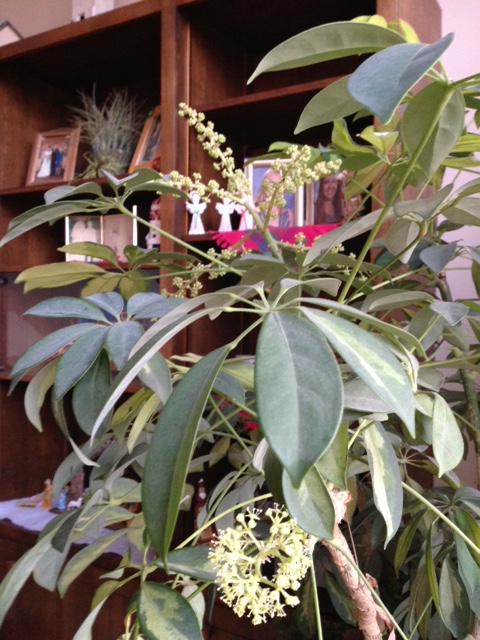
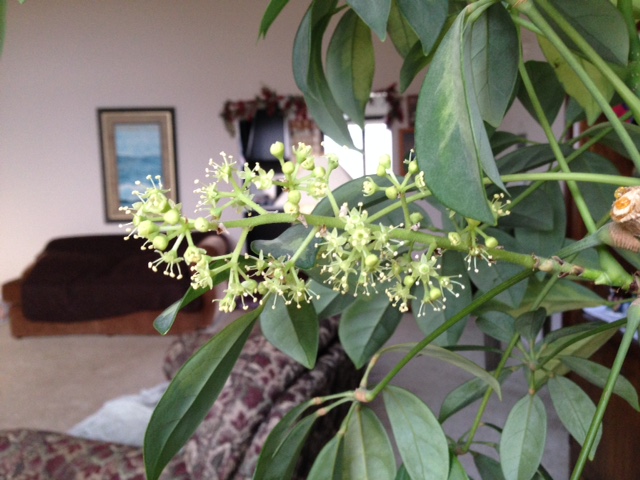
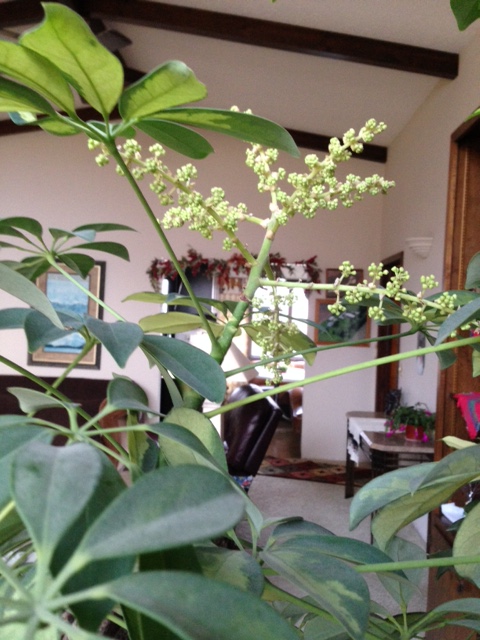
Naida sends us these photos of her Schefflera, Umbrella plant. This is a first for me. Have you ever seen one with blooms before? It’s fun to see blooms in these cold months. Thanks Naida
Posted in Uncategorized on December 14, 2018| 1 Comment »
Naida sends us these photos of her Schefflera, Umbrella plant. This is a first for me. Have you ever seen one with blooms before? It’s fun to see blooms in these cold months. Thanks Naida
Posted in Uncategorized on December 12, 2018| 2 Comments »
Book review and some research.
Fences and Hedges and Other Garden dividersBy Richard Bird, photography by Stephen Robson.
When I chose this book for a review, I found it much more entertaining and educational than I first thought. To me, it is much more than a project book as claimed on the cover. I would recommend it just for the beautiful photos alone. Each fence, trellis, or hedge (and more) has a materials and equipment list and a detailed fold out page of instructions including sketches and diagrams. There are also instructions for pruning and trimming.
When reading the fruit wall section I learned a lot more about all manner of fruits that can be trained in different designs. I knew espaliers-but cordons and fans, pleaching and palmette? So that led me down some rabbit holes of research giving me a deeper understanding of the different techniques which I will attempt to explain here.
Pleaching or plashing is the art of training the canopy of trees into shapes that create a ceiling or tunnel. Some are planted in a straight line and pruned to a flat surface above the desired height of the trunk. Branches are tied to wire or canes to make tiers and kept in design by regular pruning. I have seen trees like this but didn’t know the name of the design. The talent of training fruit bearing plants and trees goes back to the Romans and Egyptians. However Europeans, especially the French, practiced and developed the designs we are more familiar with in current times.
Palmette is fan shaped espalier design and cordon is the growth of a tree as a single stem with several branches trimmed to grow outward then turning upward shaped like a candelabra. Pollarding is a technique of removing branches of a tree far enough up to keep wildlife from bothering or eating them. The next step is repeated removal of branches creating a thick trunk with thinner branches above it. The foliage is lovely but you may liken it to a work of art when the leaves fall and you see the skeleton of the tree exposing a sculpture like design. Coppicing cuts the branches of a tree nearly to the ground yearly to harvest wood for different uses. The low canopy of foliage can be a habitat for wild life as well. This technique is used widely in woodland management rather than designed gardening. So these are some descriptions of a few different techniques I found after my interest piqued and I started looking for more information. Alas, I do not have illustrations.
I found a few good reasons for pruning trees to espalier designs. 1) They take up much less space so even a small yard or up against a building would accommodate their growth. 2)They are easy to train when they are young. 3) The sun reaches the spaced-out foliage better and results in the ripening of more fruit. 4) It’s easier to reach early fruit to thin for larger fruit growth.
I actually focused on the espalier design for this report, but I would recommend this book if you are interested in building or enjoy viewing well illustrated walls, hedges, fences, or decorative dividers. There are several pages in the back of the book showing basic techniques of building and gardening techniques as well. I’m not intending on building, but I just loved the illustrations of plants, flowers, trees and gardens. This book would also make a nice gift.
Winnie Webb. Master gardener.
Posted in Uncategorized on December 7, 2018| 2 Comments »
Gail writes:
Good Day: the quest continues to identify the plant in last weeks blog. Winnie sent in the lone comment; could it be some type of bittersweet? Initially I too thought the same, as I used the berry to try & narrow down the the options; but without success. While the berries offered a good start,
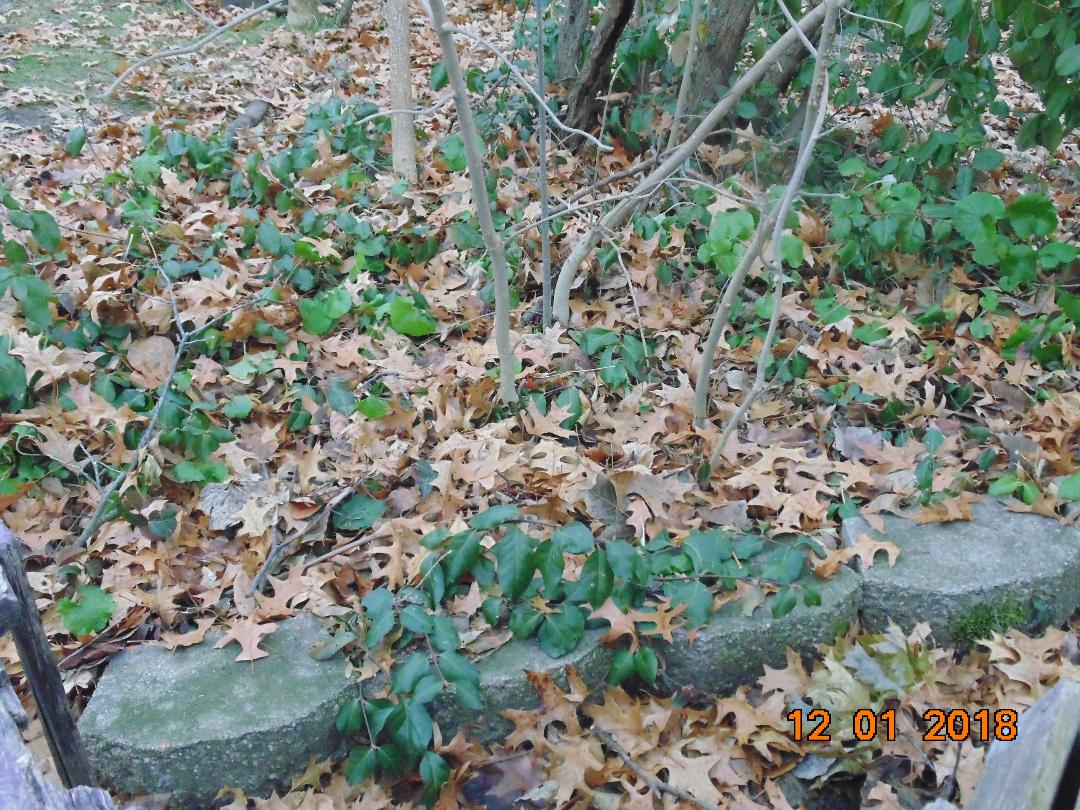
as master gardeners we know we must look at all aspects of the plant if we are to identify a plant accurately. (below is a refresher picture of the plant in ??) With not having much opportunity at this time of the year for outdoor learning, we (Linda, & I and a secret partner) have decided to make this quest educational….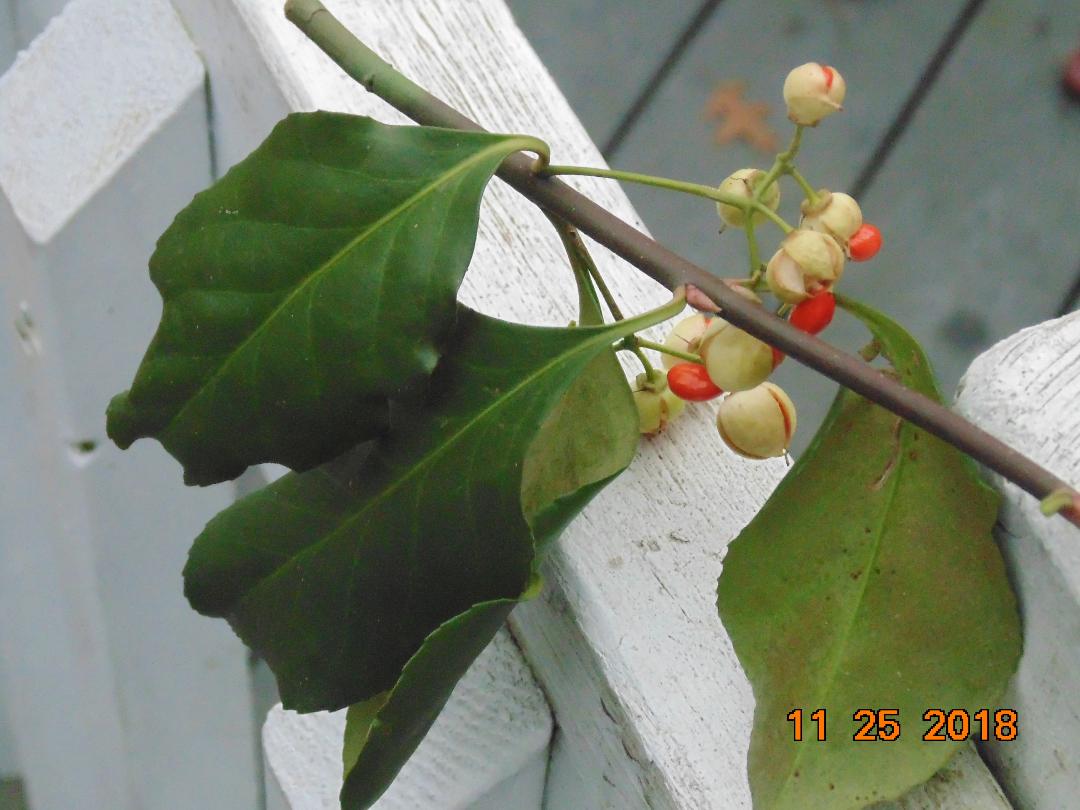
Winnie did not mention which bittersweet. So let’s start with an intro: As you all know there are two types of bittersweet-the oriental and the native. Paul will be helping me with the native version. As for the oriental–all I had to do was drive around Bedford Twsp to find it—-patches of blazing orange dot many of the roadside ditches, making it easy to spot.
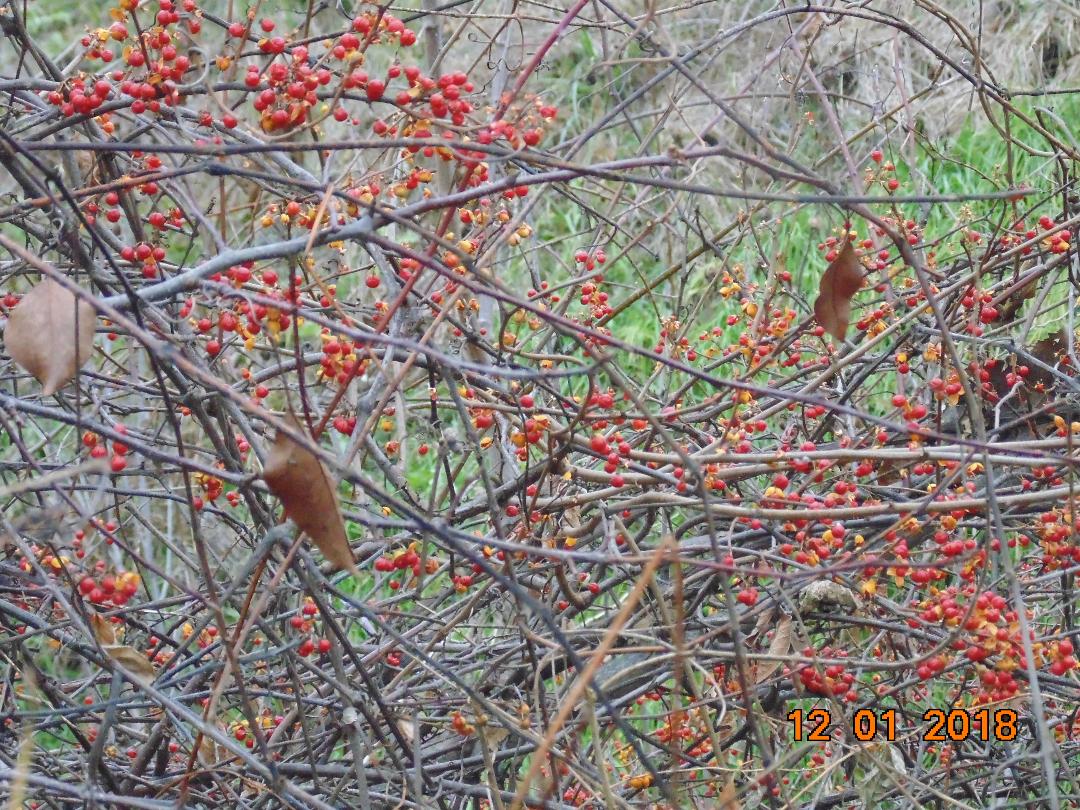
above: note the structure of the oriental bittersweet. An entanglement of leafless branches… an obstructive growth along the ditch banks. This plant is extremely heavy and if allowed to grow into say a nearby tree- it can and most certainly will bring down the branches in time. It is very prolific
and despite it’s fall beauty– is considered to be INVASIVE. It has become so prolific that efforts to rid protected areas of this plant are underway as we speak.
BELOW: the plant in question–what is different?? Structure, leaves–seed pods???

Speaking of seed pods—–let’s take a closer look. Here are two pics of the seed pods from the oriental bittersweet.
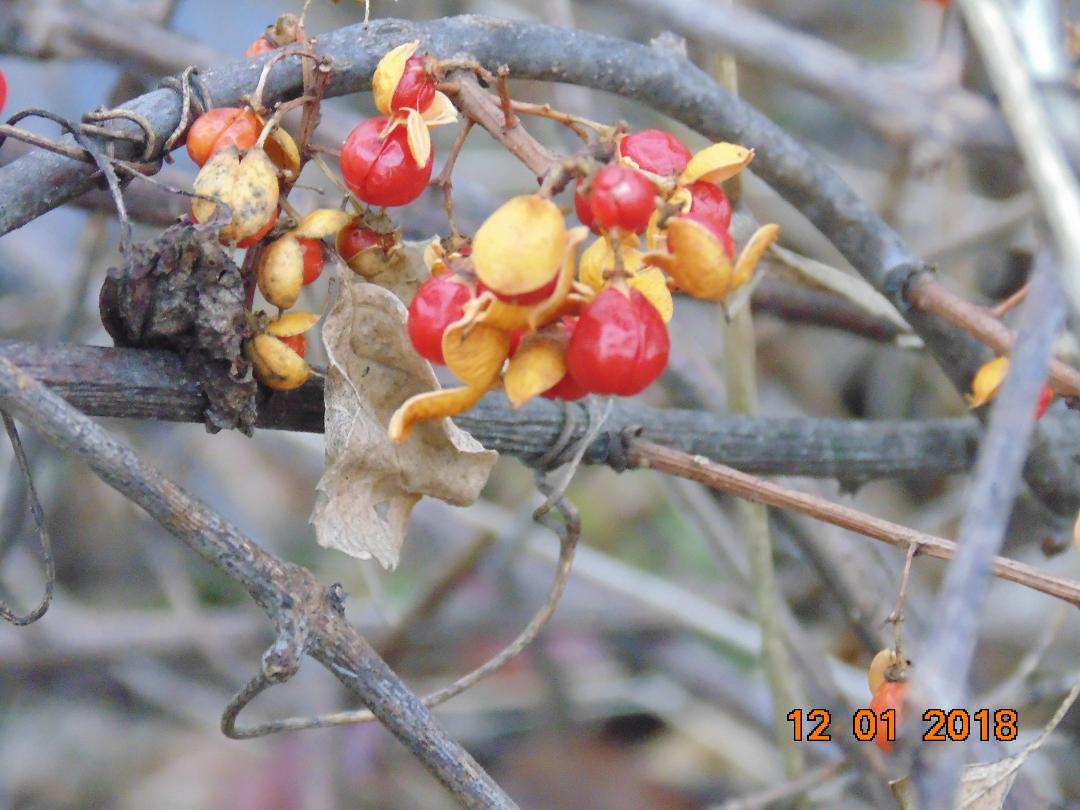
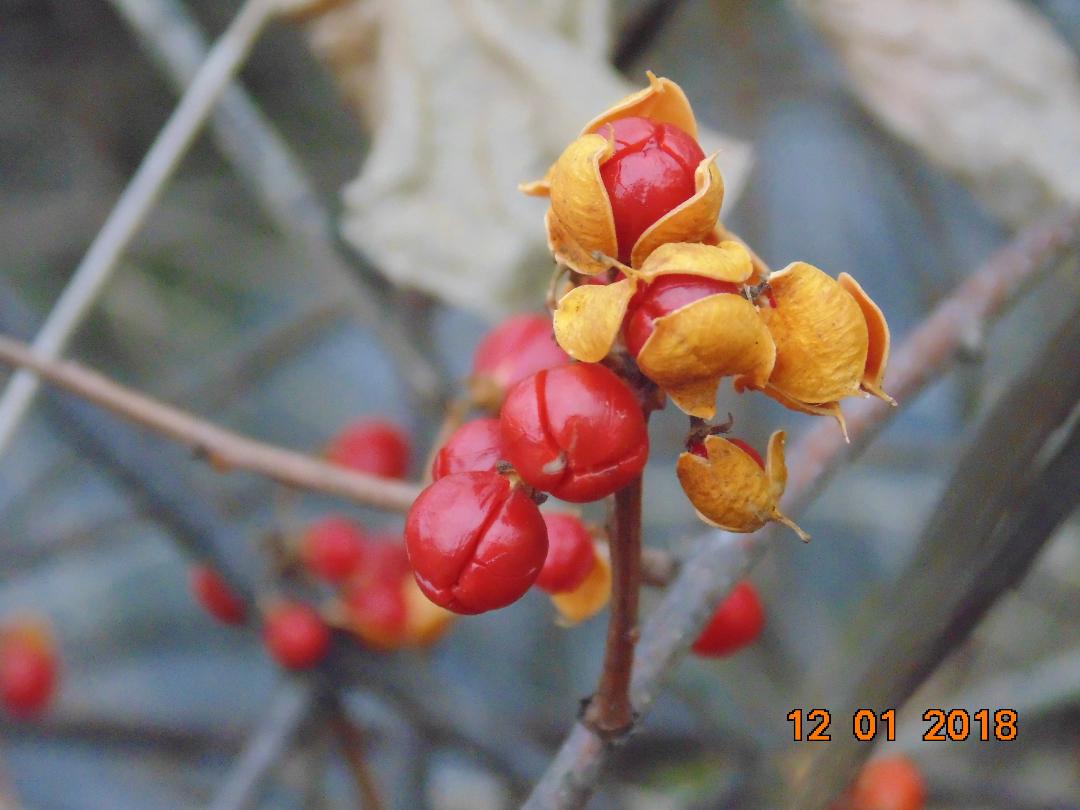
We will discuss the placement of the seedpods when we compare the native bittersweet…………
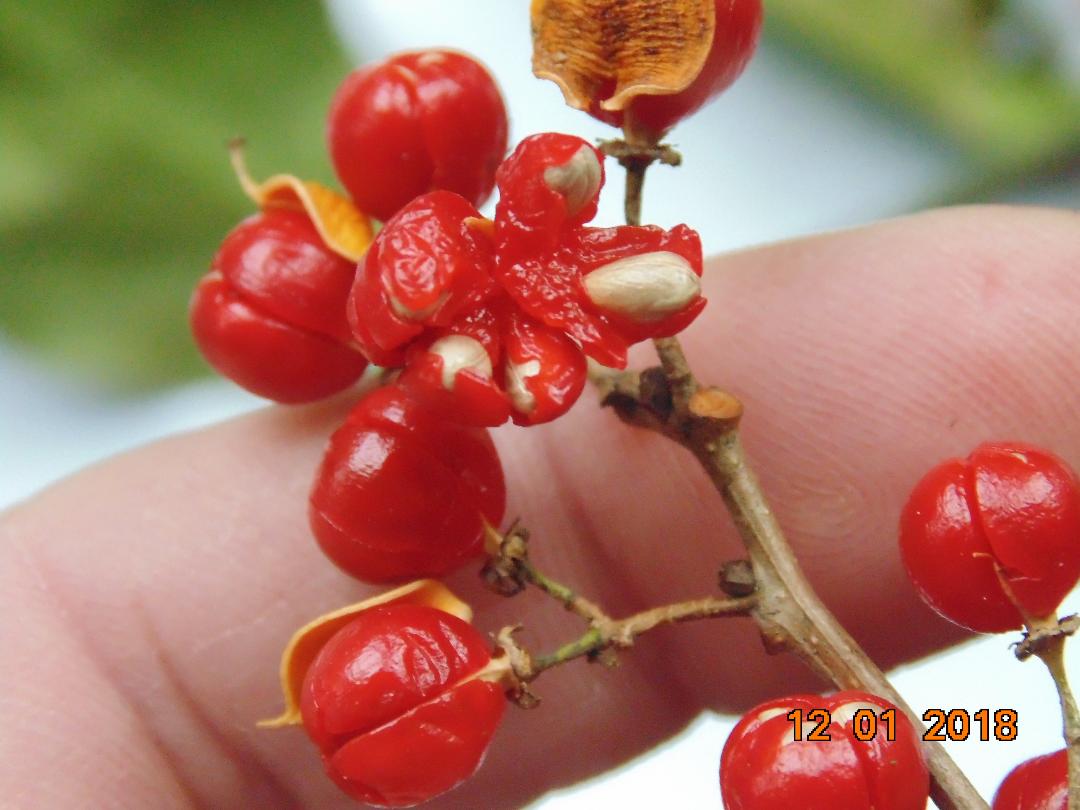
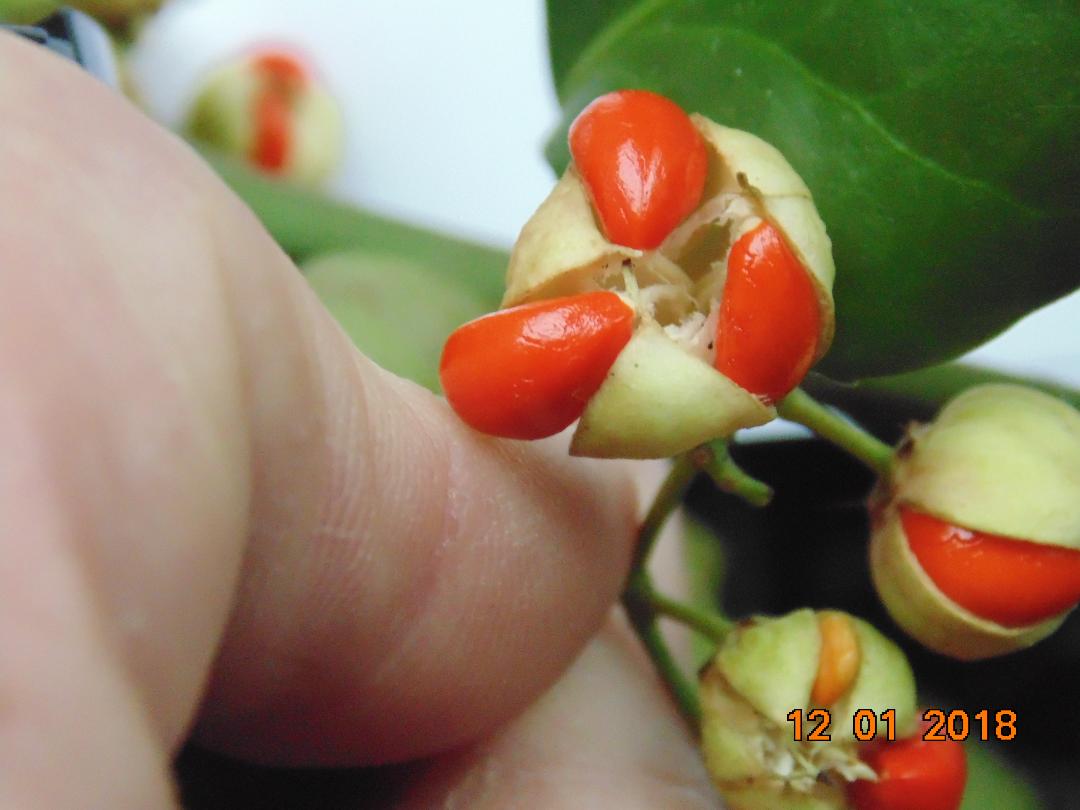
Let’s look closer at the seeds, compare the two the oriental bittersweet…….and the unknown
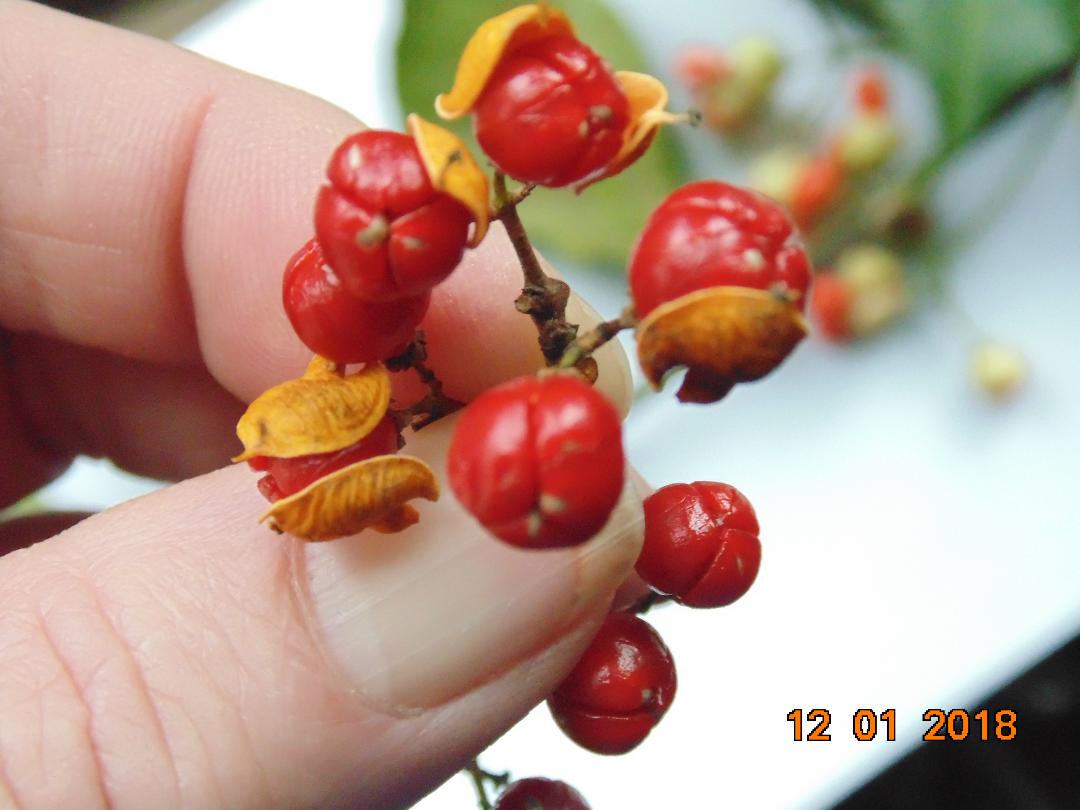
the oriental bittersweet seed. See the defined divisions within the seed pod?
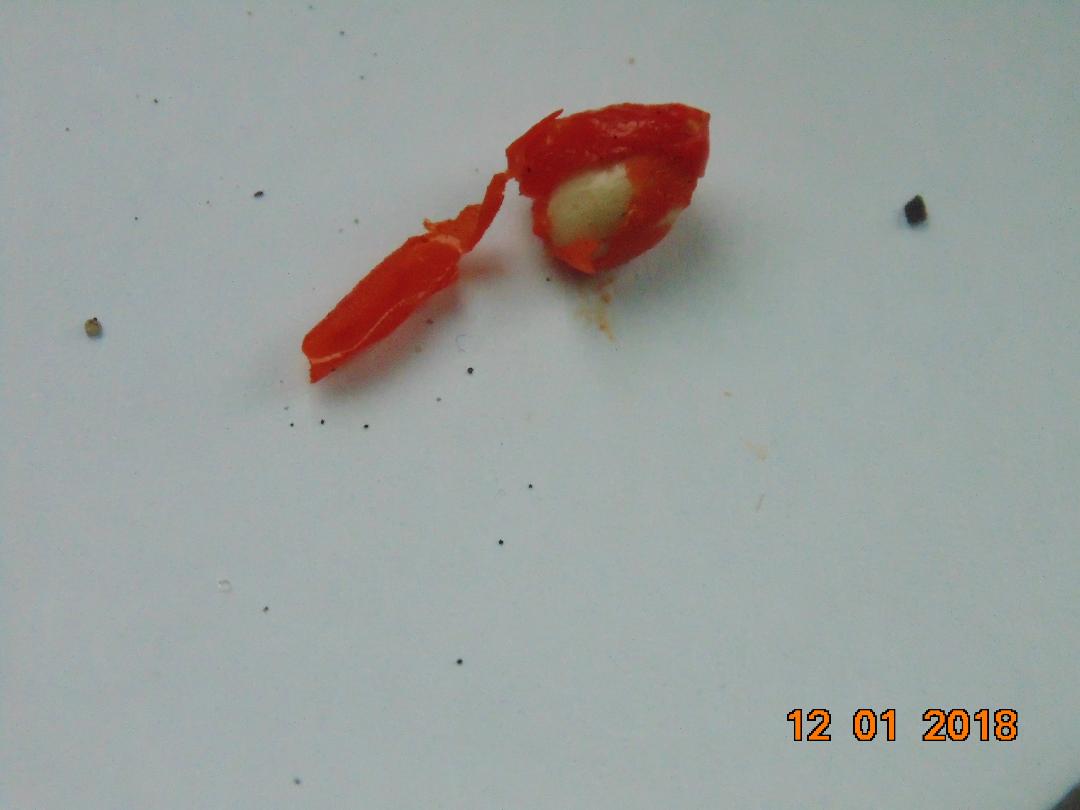
Open one and you reveal a white seed in each divided section of that pod.
Posted in Uncategorized on November 30, 2018| 1 Comment »
Gail writes:
Does anyone know the name of this shrub???? When we moved into our home in 1977—the elderly lady next door,
shared how she and her deceased husband used various gardening practices (chives under bushes to cut down on mosquitoes). One of my earliest exposures to” organic gardening techniques.” among her many plants, one has survived the many “new neighbors” but I have never been able to figure out what it is. So I decided to let you all help me (PS I do not have a smart phone–).
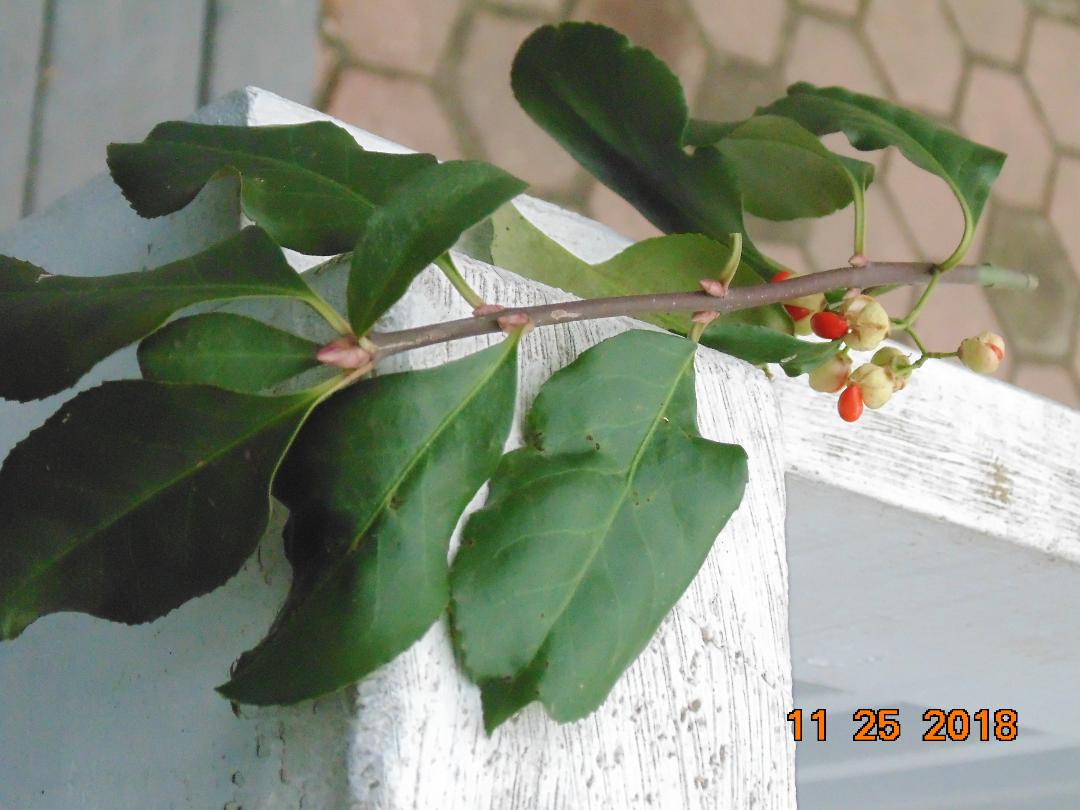
Evergreen in nature–but not conifer insignificant-small white flowers, emit a grape smell flies & bees just love the berries which follow in the fall remind me of bittersweet- not orange….but white, and when ripe they pop open to reveal a bright red berry like seed.
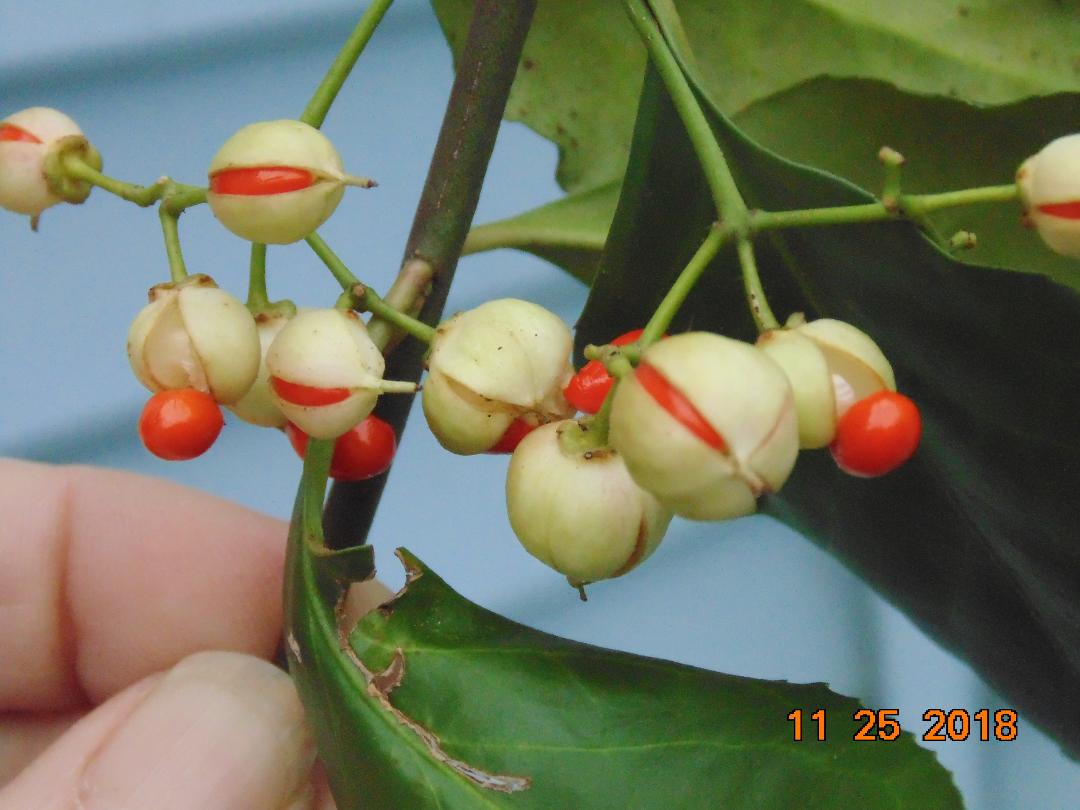
The plant reseeds easily and the bush can get quite large thanks ahead of time……………..gk
Posted in Uncategorized on November 16, 2018| 1 Comment »
by Gail K.
Once again, we find ourselves at the end of our growing season. Most of us have prepared our gardens
for the upcoming winter season. On Nov. 10th we held our annual banquet to celebrate the fellowship
of the Monroe County Master Gardener Assoc. & Horticulture Club during the past year. I would like to
share with you some of the pictures from this event.
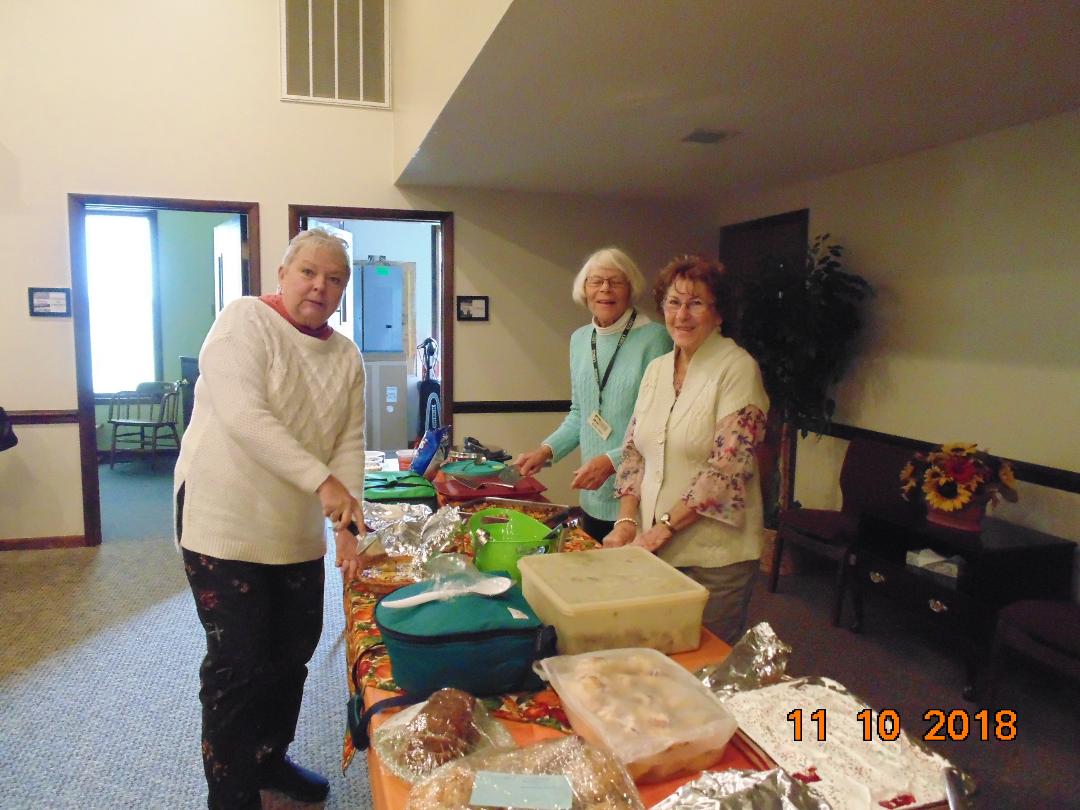
Typical of our potlucks there was a wide variety of delicious dishes to choose from Stella, Naida & Norma prepare the dishes before serving
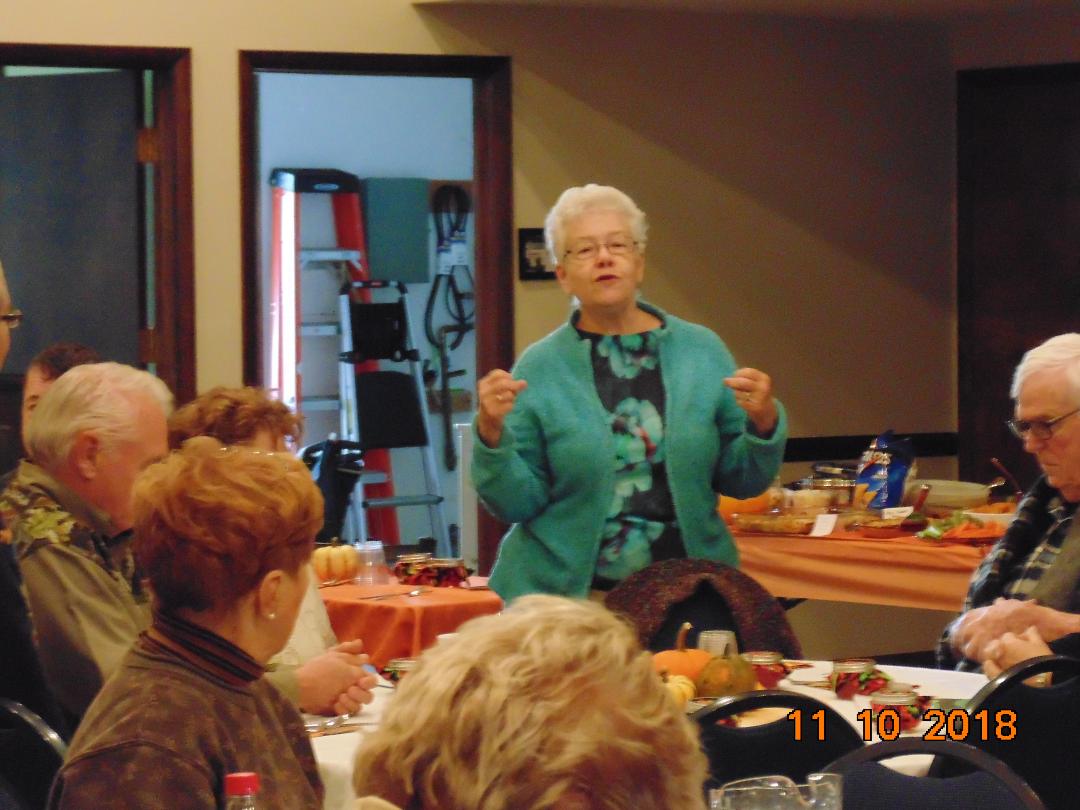
Our president Doris, let us in a short prayer of thanks for the past year’s successes.
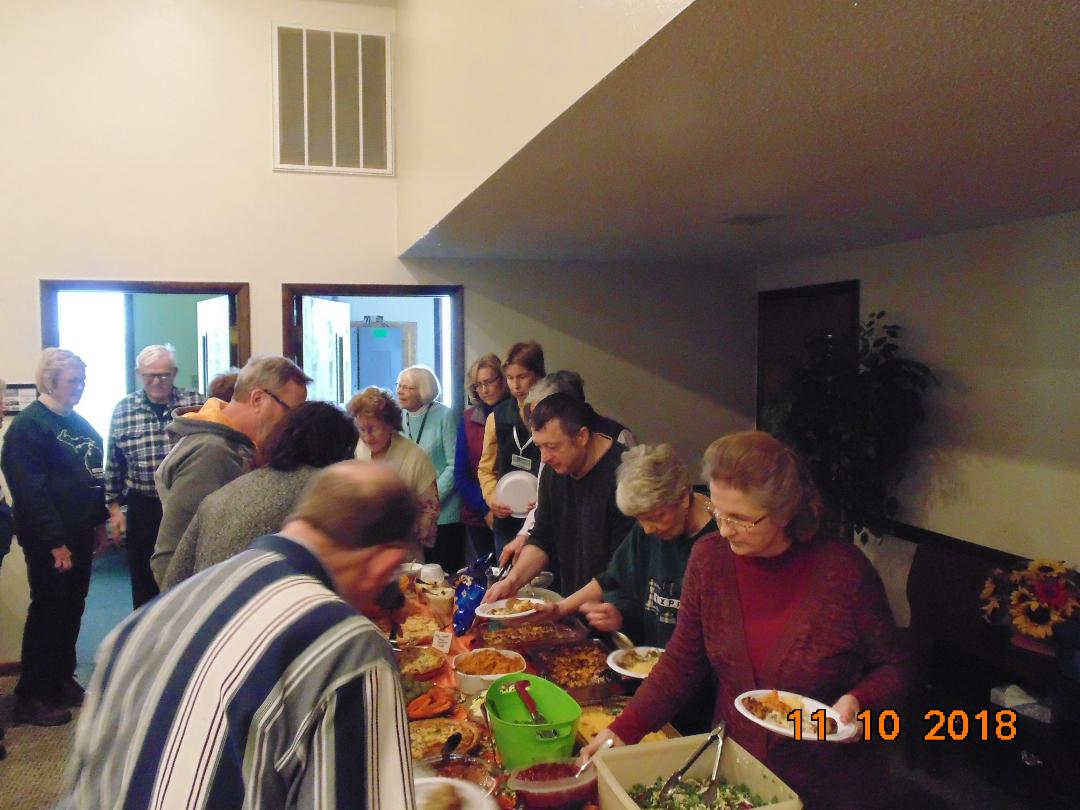
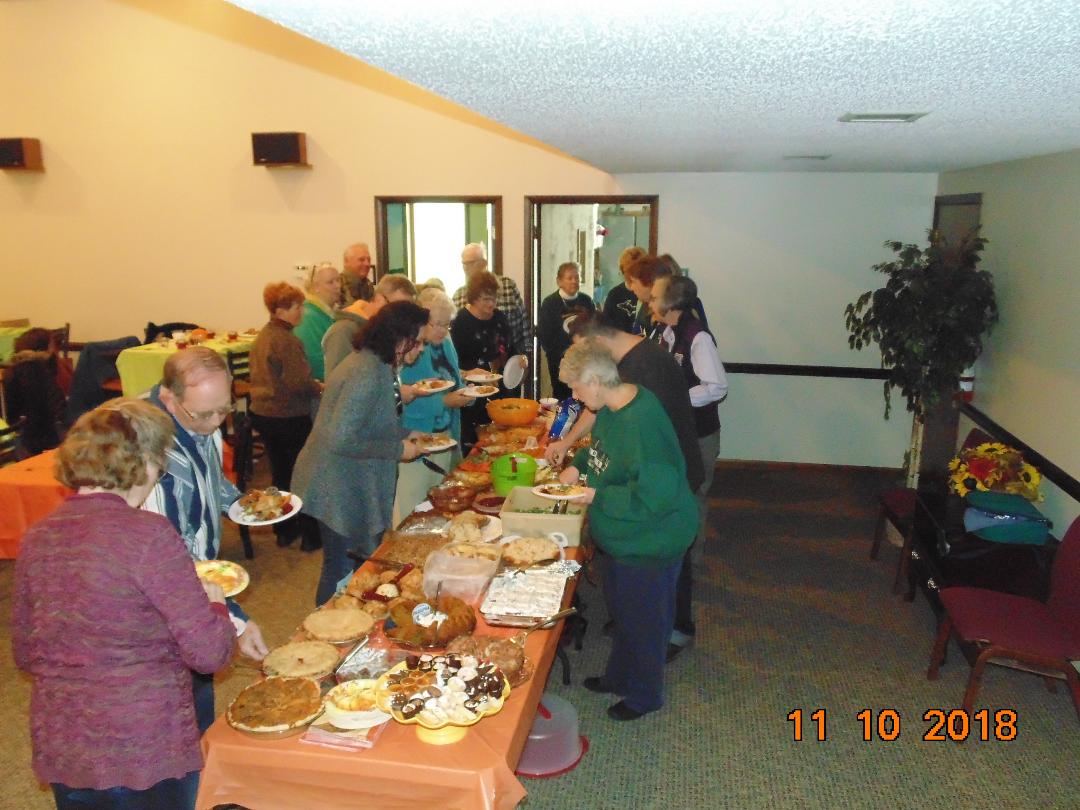
Did I mention the FOOD????
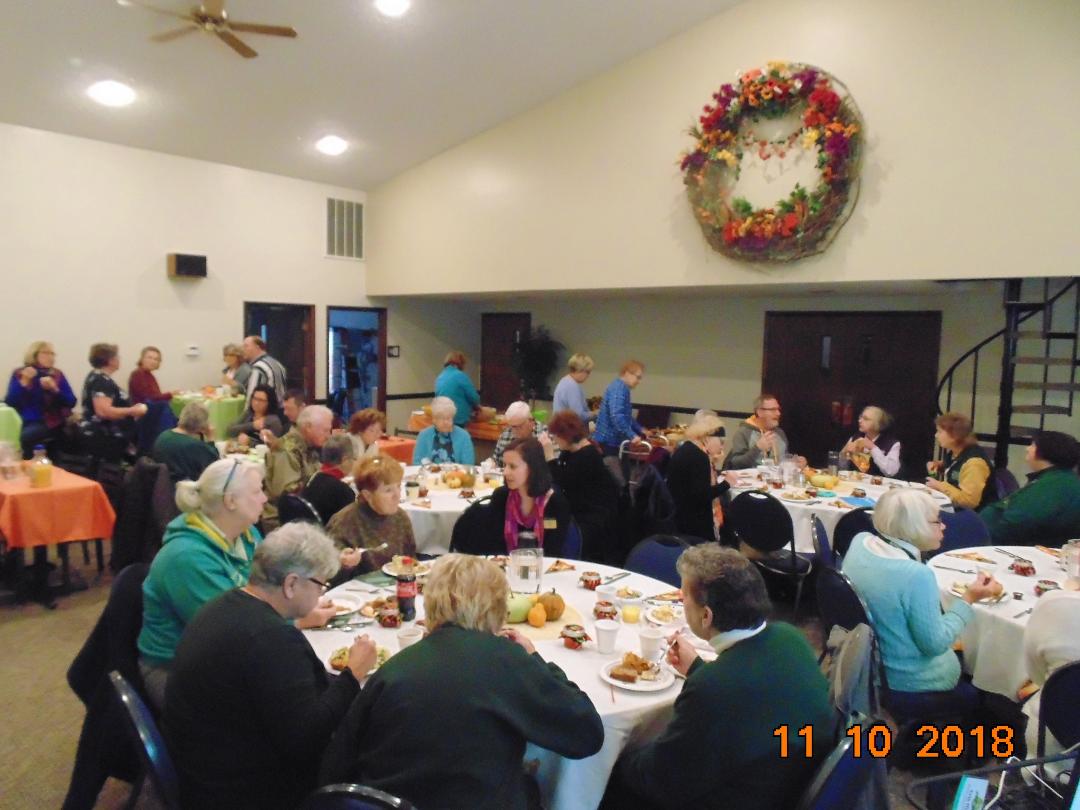
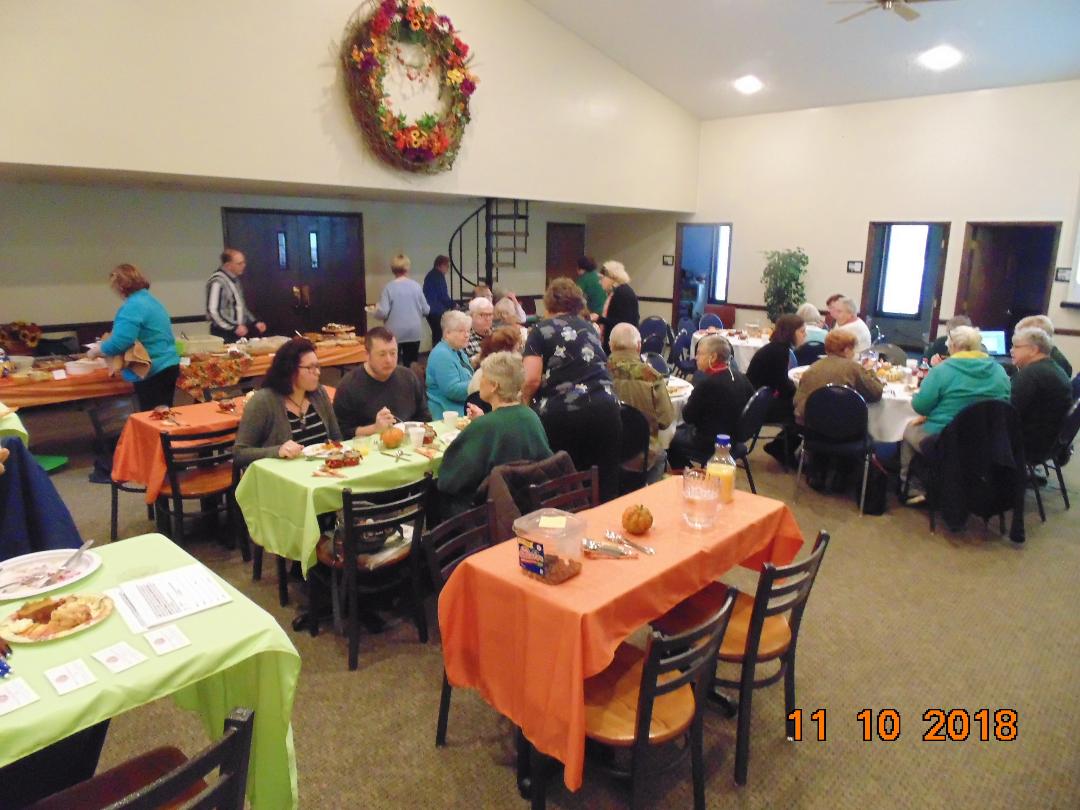
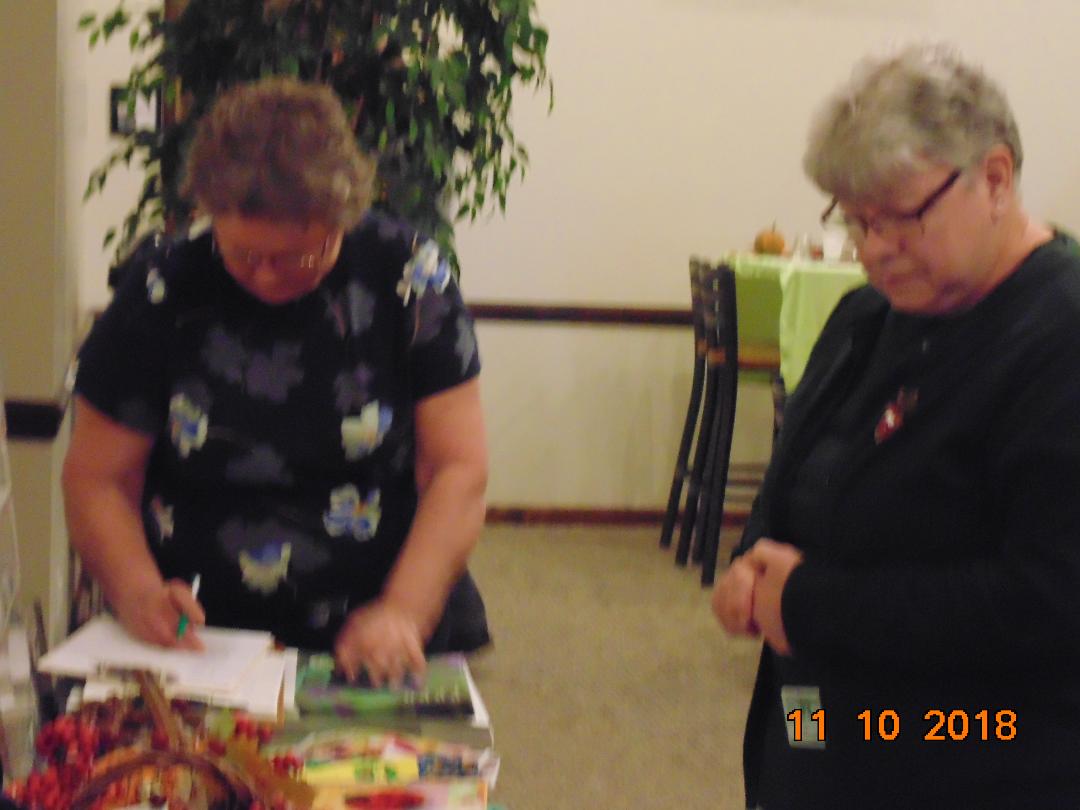


Below-
By the smile on Pat’s face, I am going to say the Paw Paw ice cream was a huge success. YUM-thank you Jenny!

An integral part of our banquet, was our speaker; Erin Hill from Michigan State who gave a presentation in her field of expertise-weed identification.
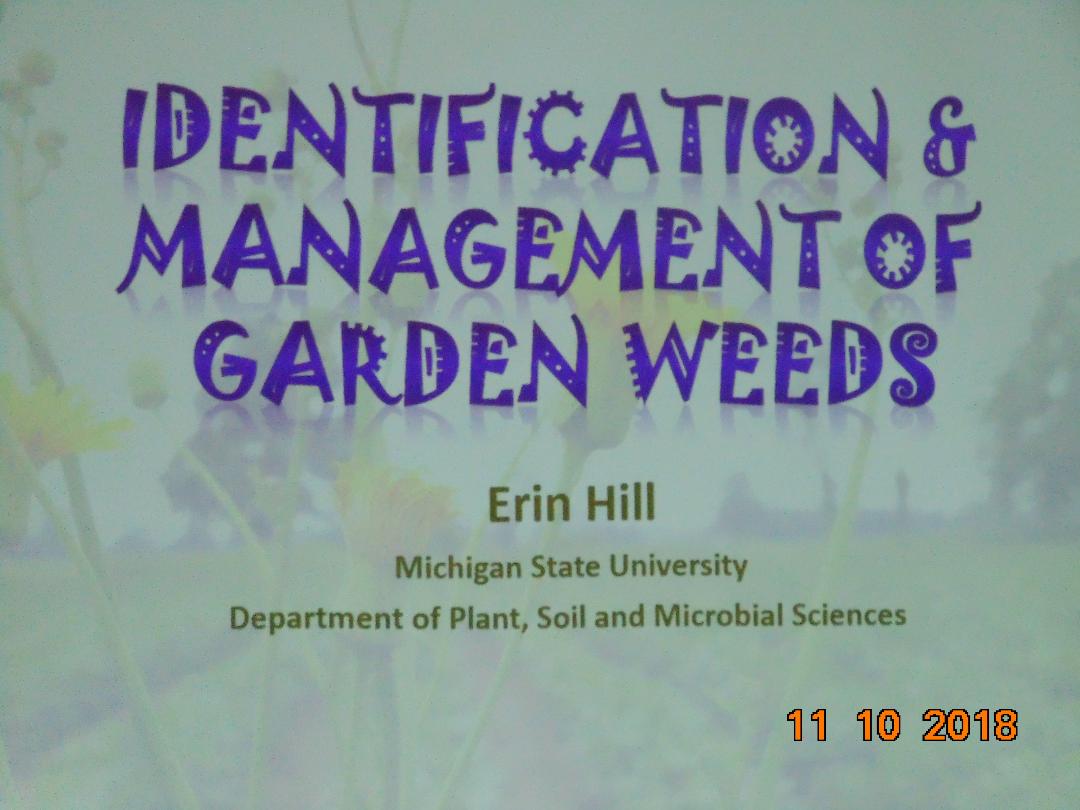
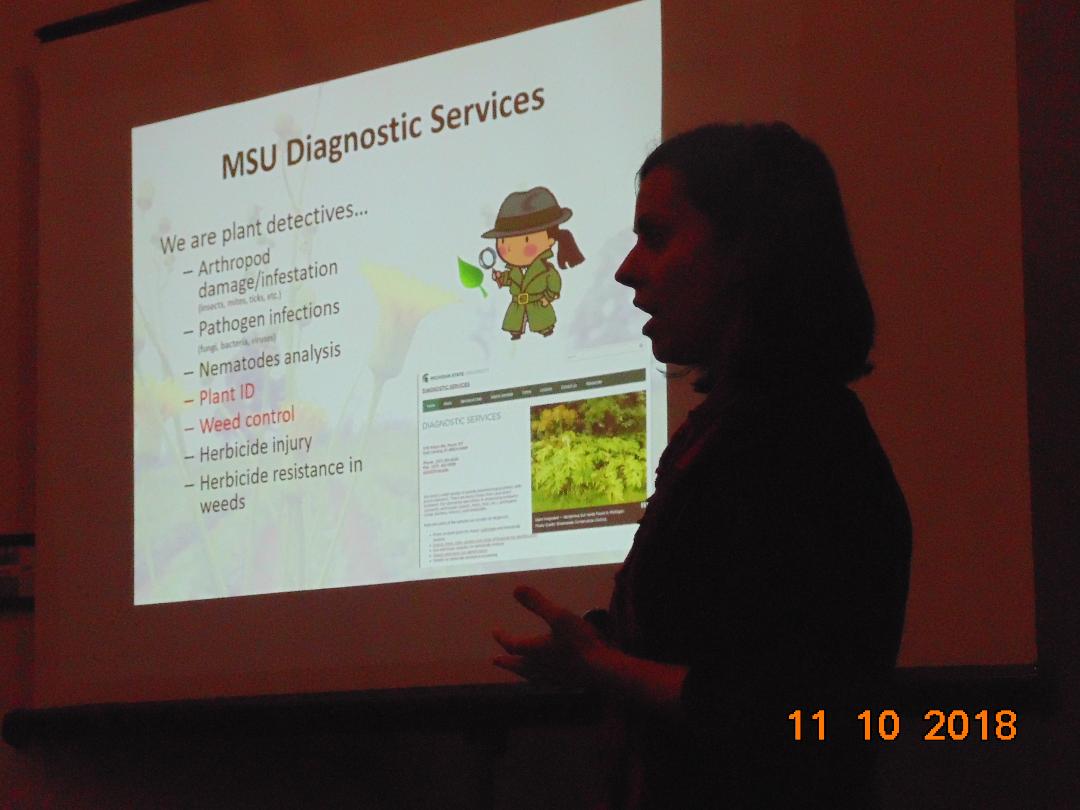
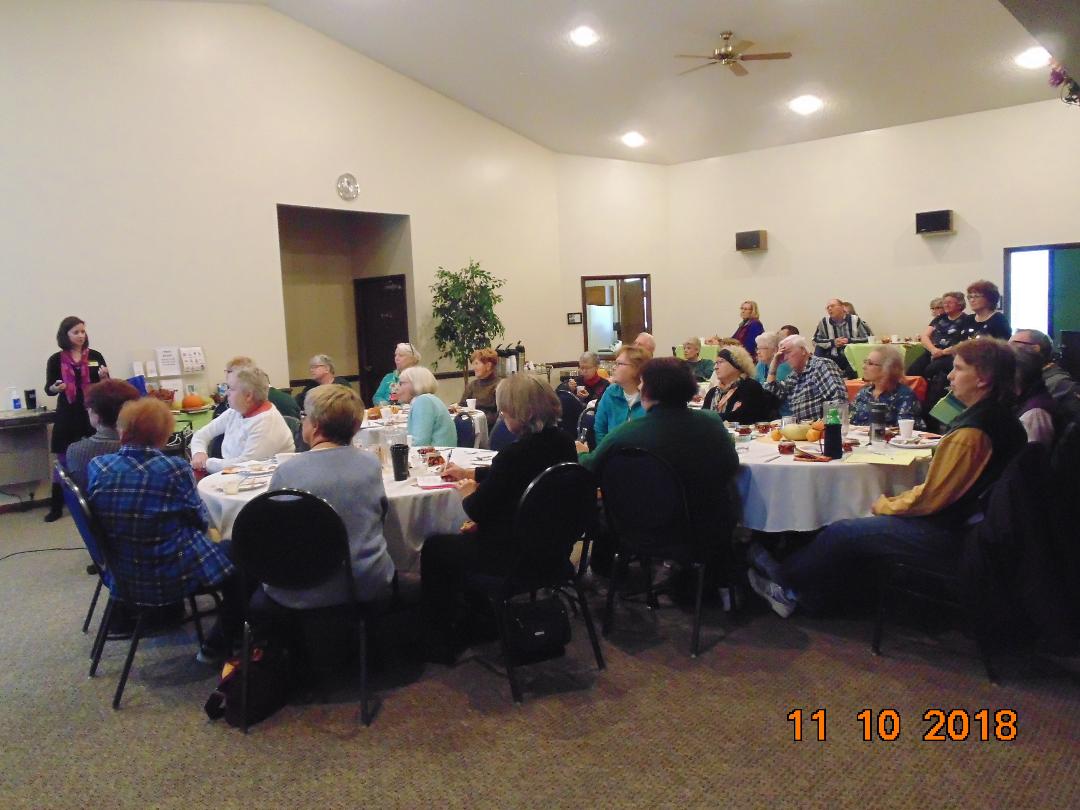
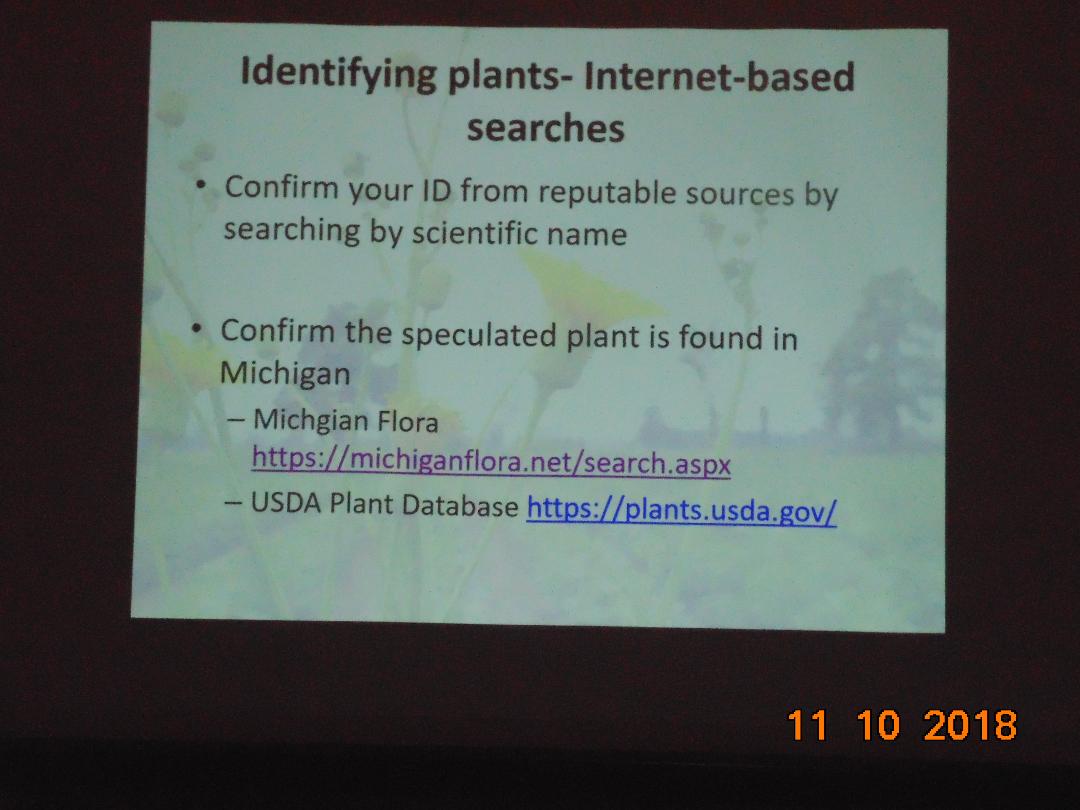

It was clear that Ms. Hill was passionate & knowledgeable in her field of expertise. An excellent speaker and an enjoyable program.
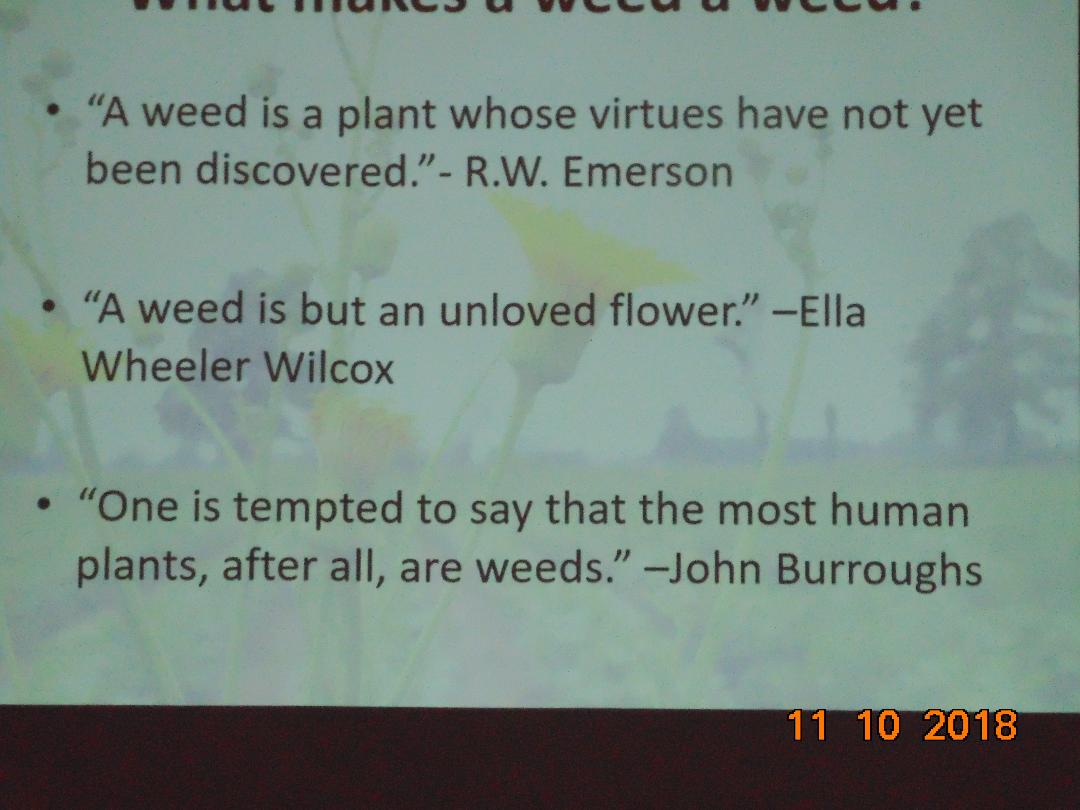
In closing, here are some words of wisdom
May I add a Thank you to Gail for all the great stories she has contributed to our Blog. It’s been a pictorial scrapbook of great shots. Linda
Posted in Uncategorized on November 10, 2018| 1 Comment »
Posted in Uncategorized on November 9, 2018| Leave a Comment »
Photos and article by Gail K.
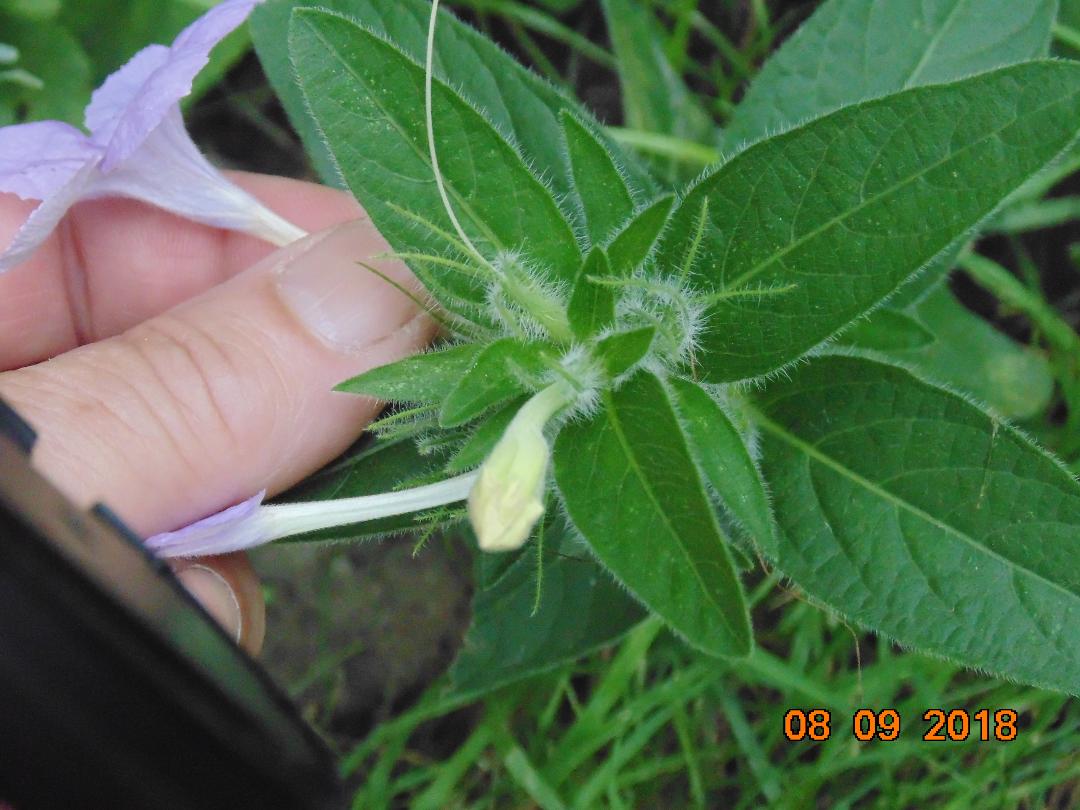
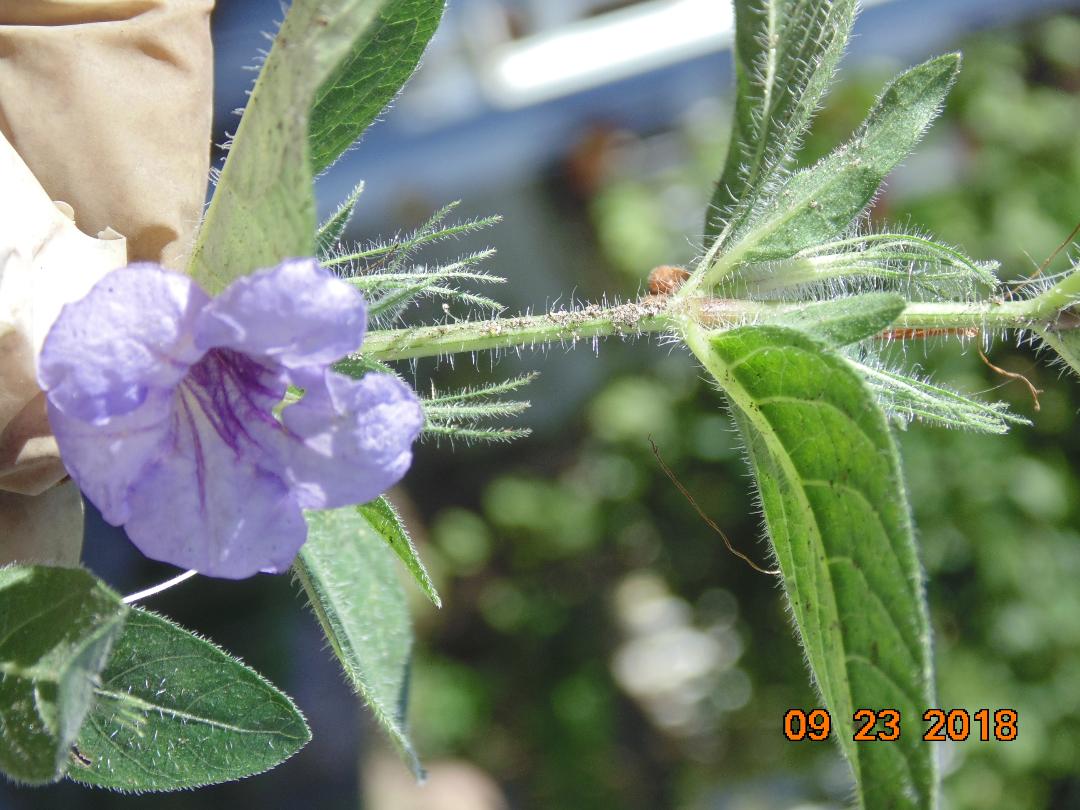
I have had an issue with a particular flower and thought it may be good to share my experience. I am not sure where I purchased, but the plant marker had it labeled as UPRIGHT PURPLE-RUELLIA. Sold as a perennial I thought it would be an asset in my garden. Very showy it says-when in full bloom. NOT ONE THING ABOUT IT BEING INVASIVE. As far as I am concerned it is invasive in my yard.
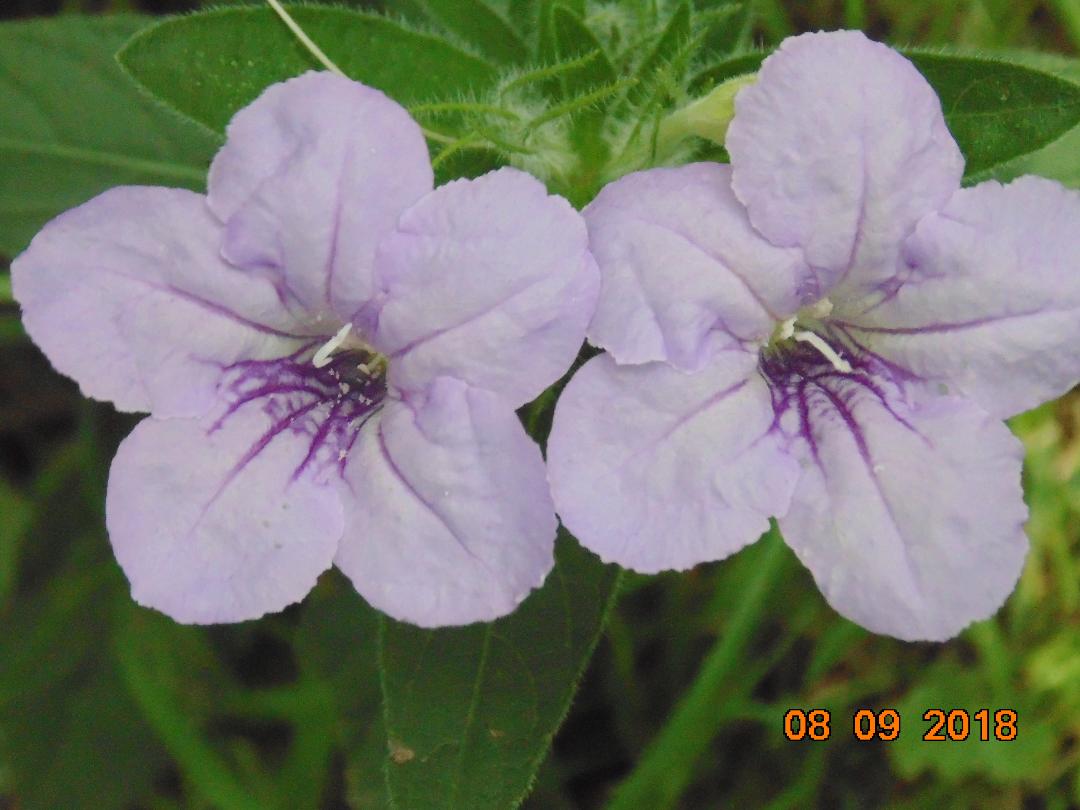
It really is pretty, but I am finding it in every planting bed I have and it is not easily removed……….so I am just sharing this with you—before you plant this, be aware of what my experience has been. It has other names: Wild Petunia (Monroe County Cons. District sells this in native plants) and Mexican Petunia (Ruellia Simplex). Used for prairie plantings as it attracts butterflies… read that the wild form is invasive and on watch lists. I am not sure how you know if you have the wild or not but I won’t plant any version of this—gk
Posted in Uncategorized on October 29, 2018| 2 Comments »
During a Work and Learn at the Demo Gardens, it was noticed that our Euonymus had scale. We thought it would be good to show a photo of it.
We pruned the bush back and disposed of the infested branches. This is the best remedy when it is so infested with scale. If you notice it quickly, when they first appear, you can eliminate them by simply rubbing them away. Other solutions include alcohol on a cotton swab or Neem Oil.
Posted in Uncategorized on October 25, 2018| Leave a Comment »
Posted in Uncategorized on October 19, 2018| 2 Comments »
Article and Photos by Gail K.:
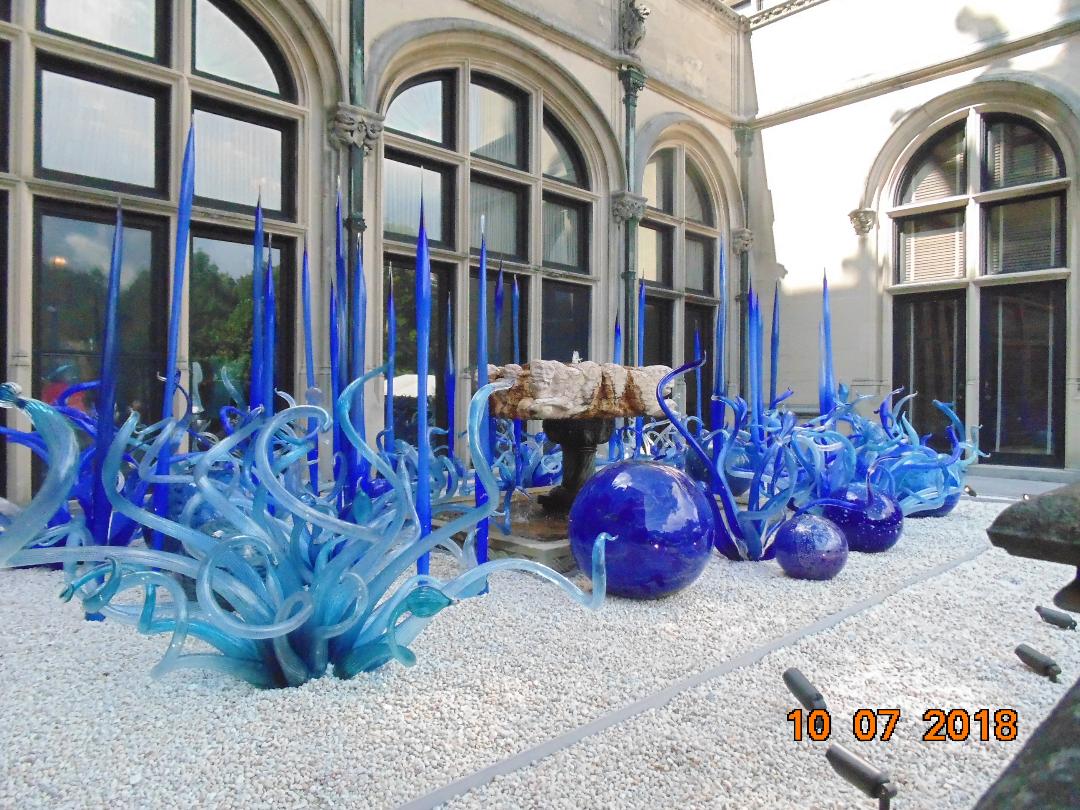
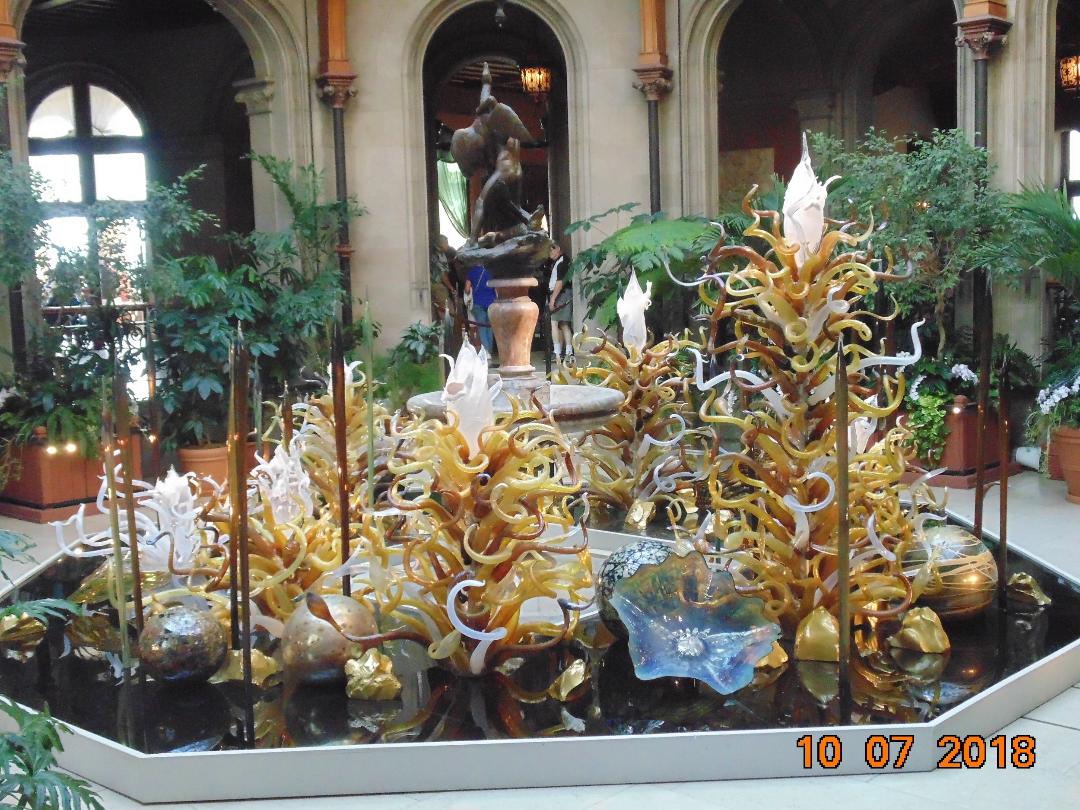
This week I want to share just a few photos from my visit to the Biltmore House & Gardens
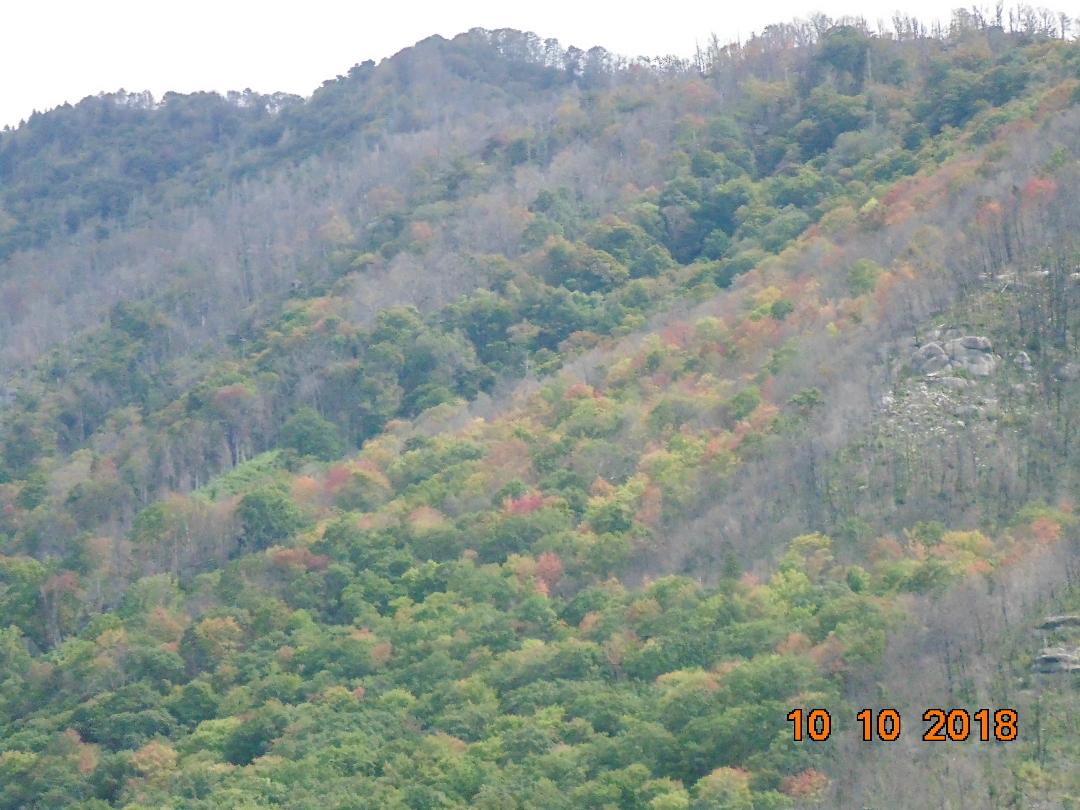
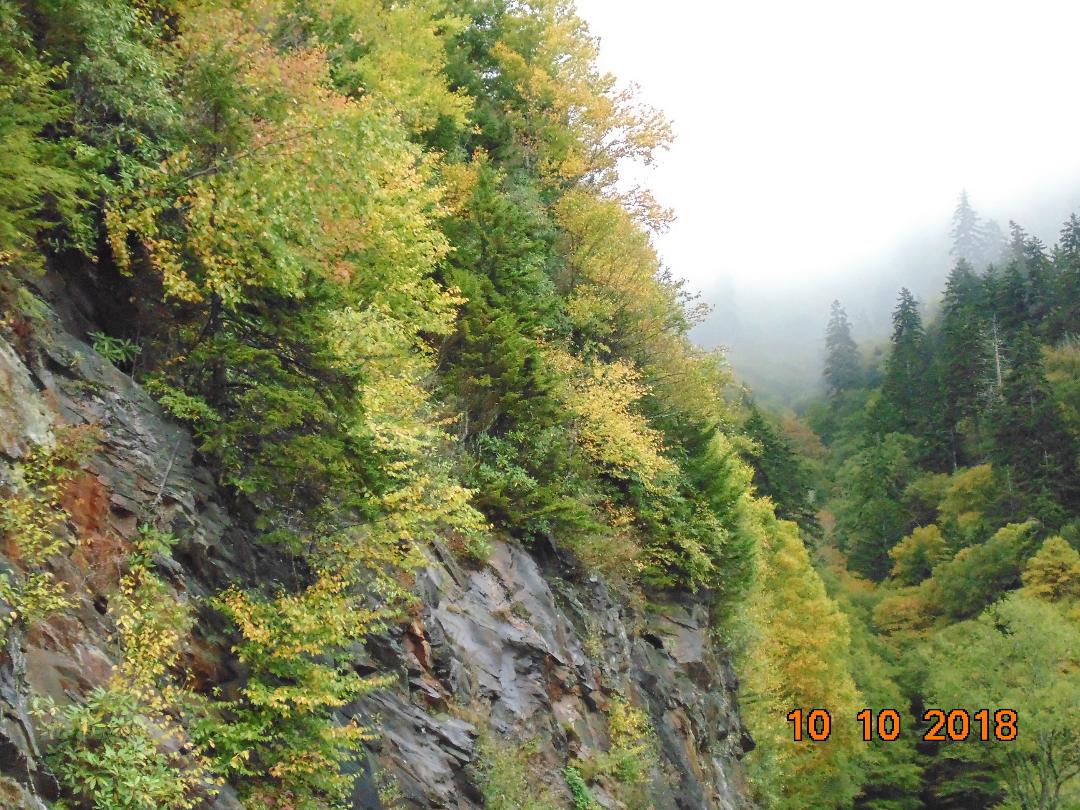
in Asheville, North Carolina. I planned to see fall colors but hurricanes along with global warming
have a way of changing “normal” time frames. I also made trip adjustments so I could visit the gardens
during the Chihuly display. Not sure that was smart; more people than plants but since we saw Chihuly
pieces on display during the Meijer garden tour I thought you might enjoy. So jump in the car and
head for the HiLLS!!!!
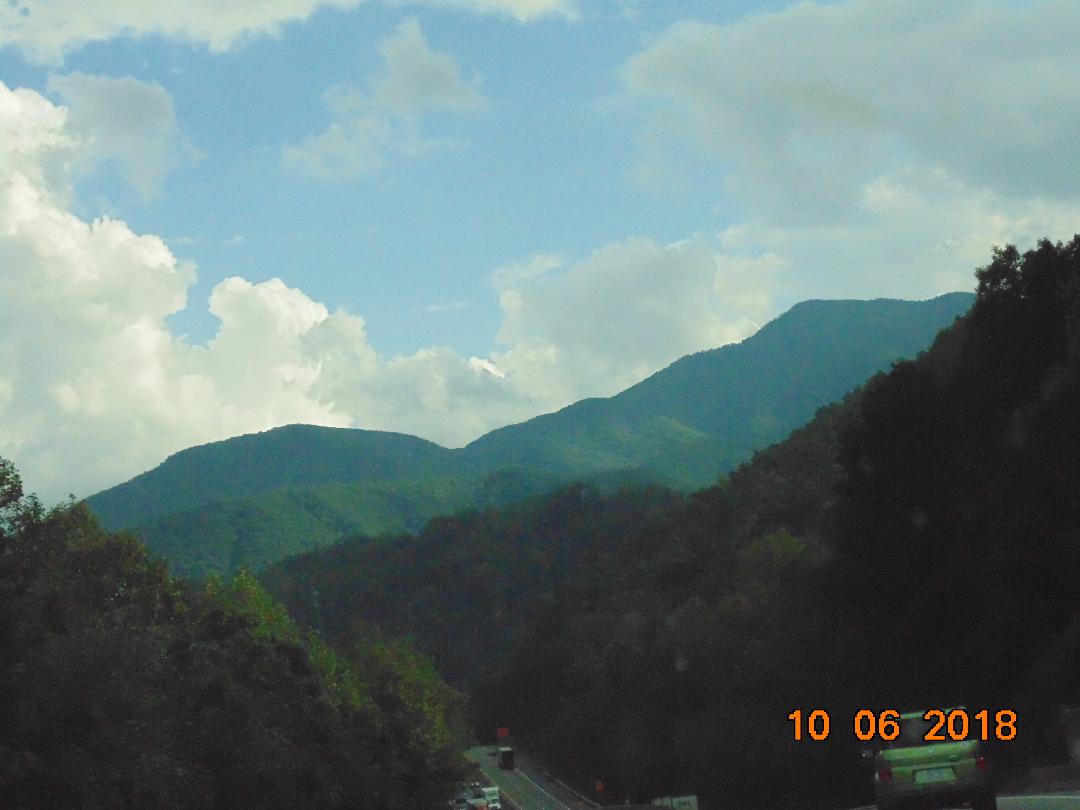
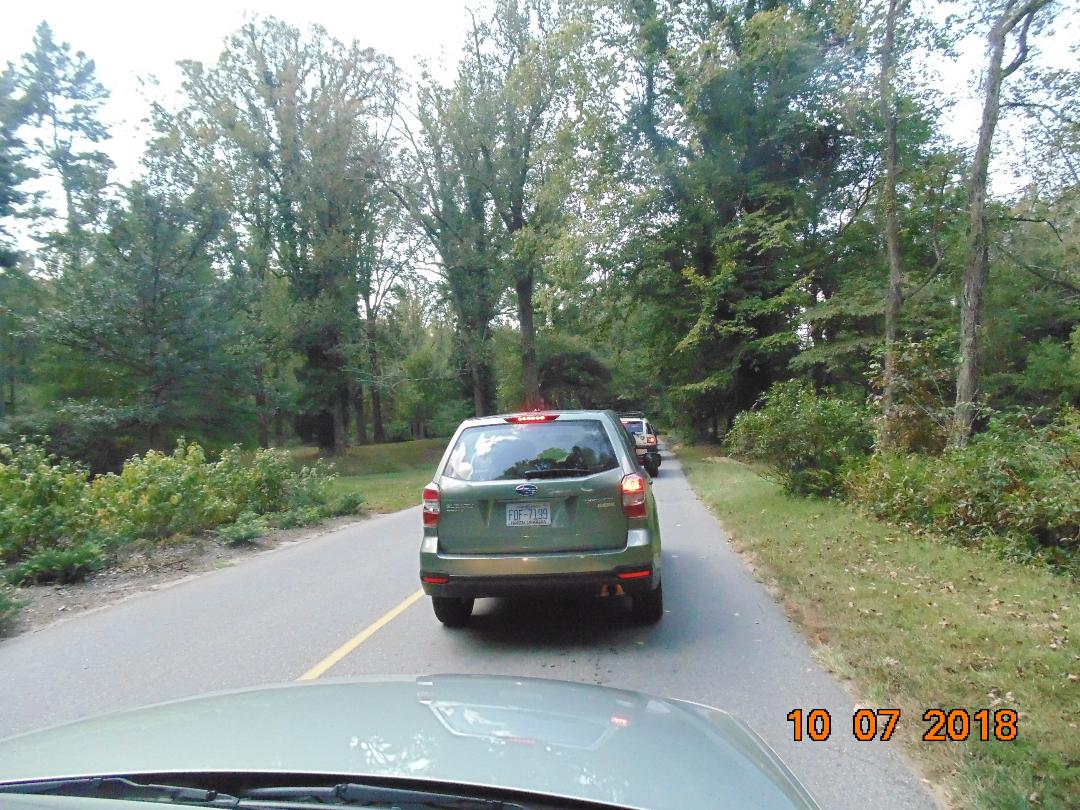
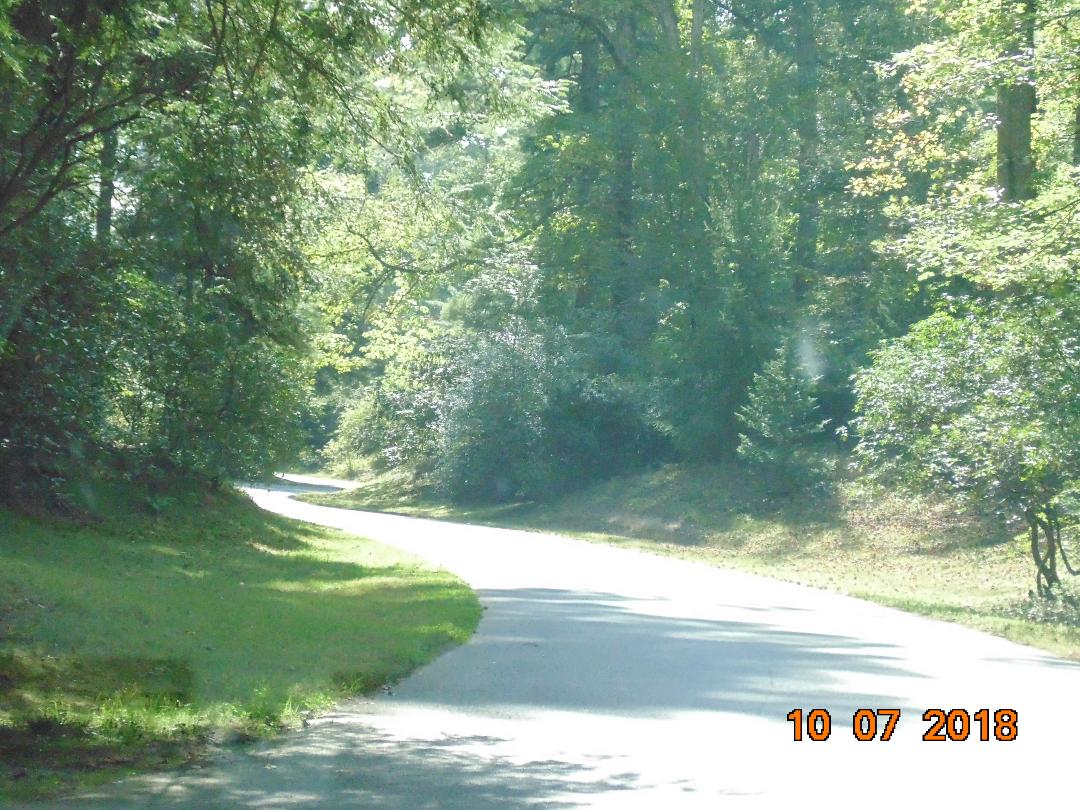
Once there, you travel down a long winding road to get to the information area.(We had to buy tickets)
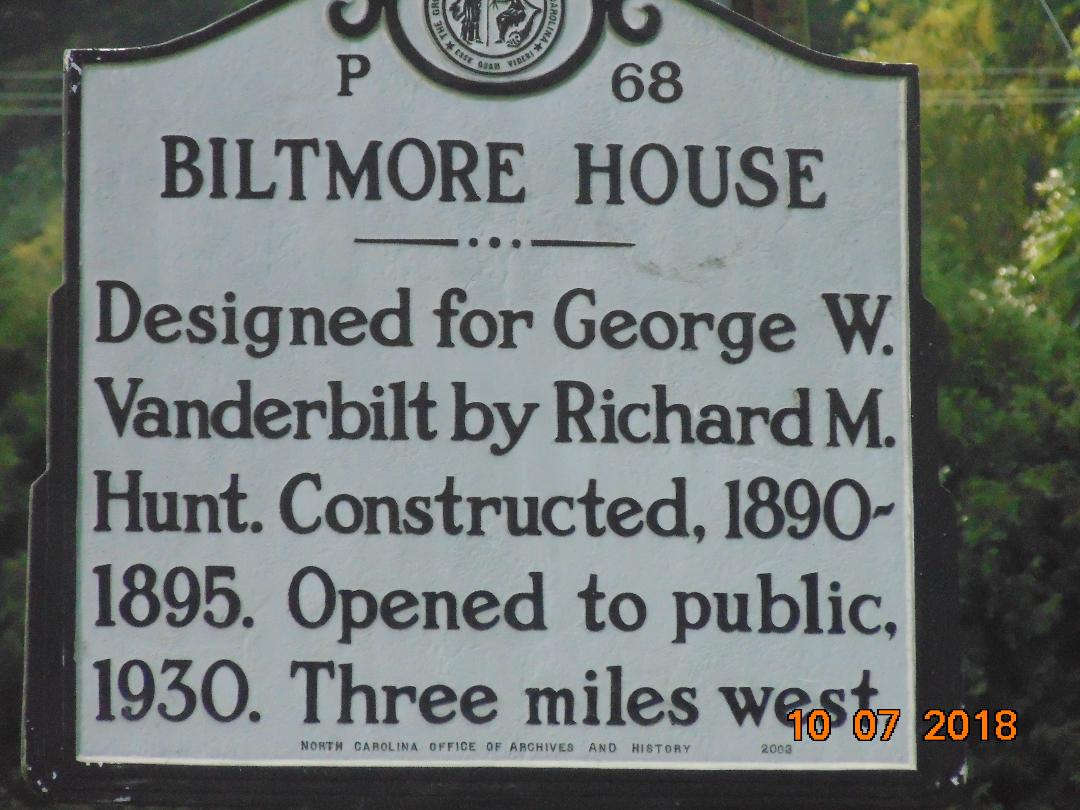
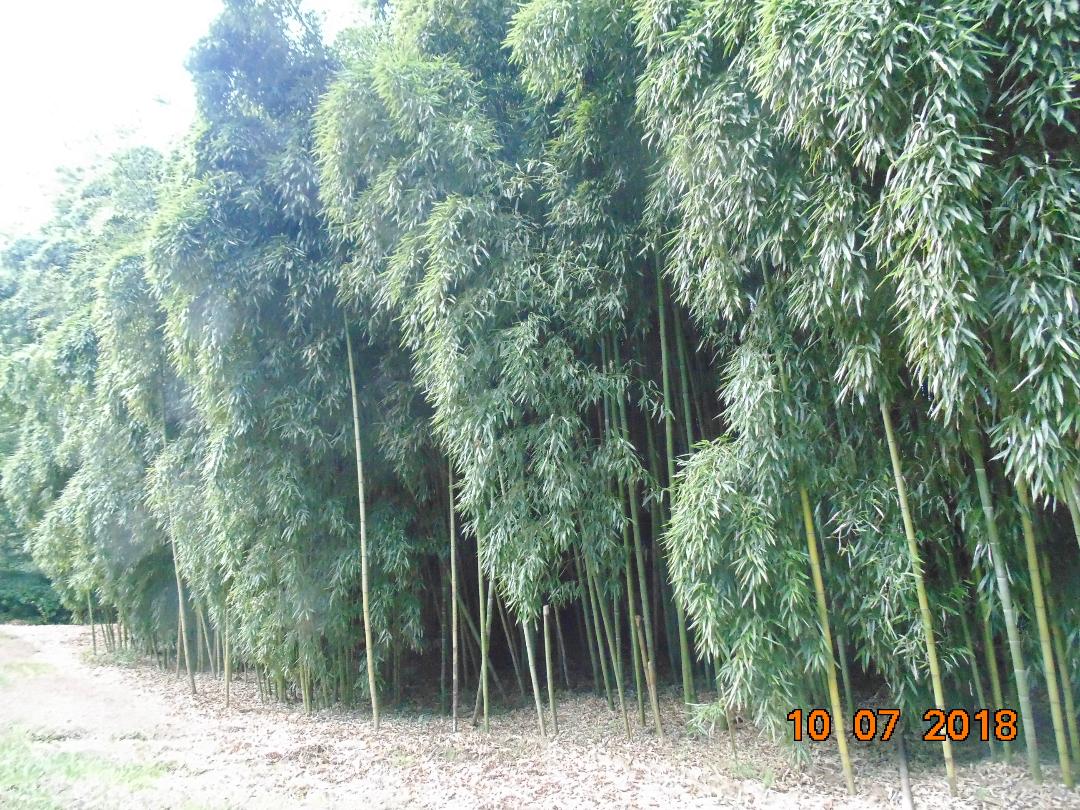
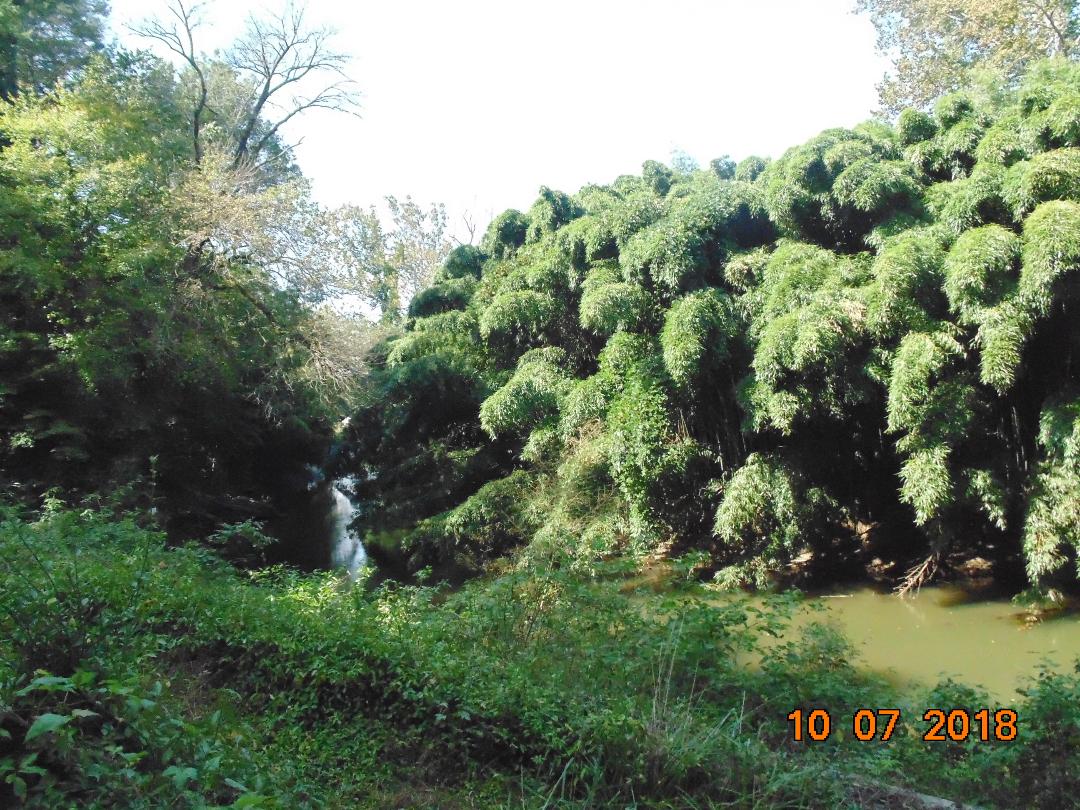
I was surprised to find so much Bamboo (a Koala’s dream) planted along the roadway.
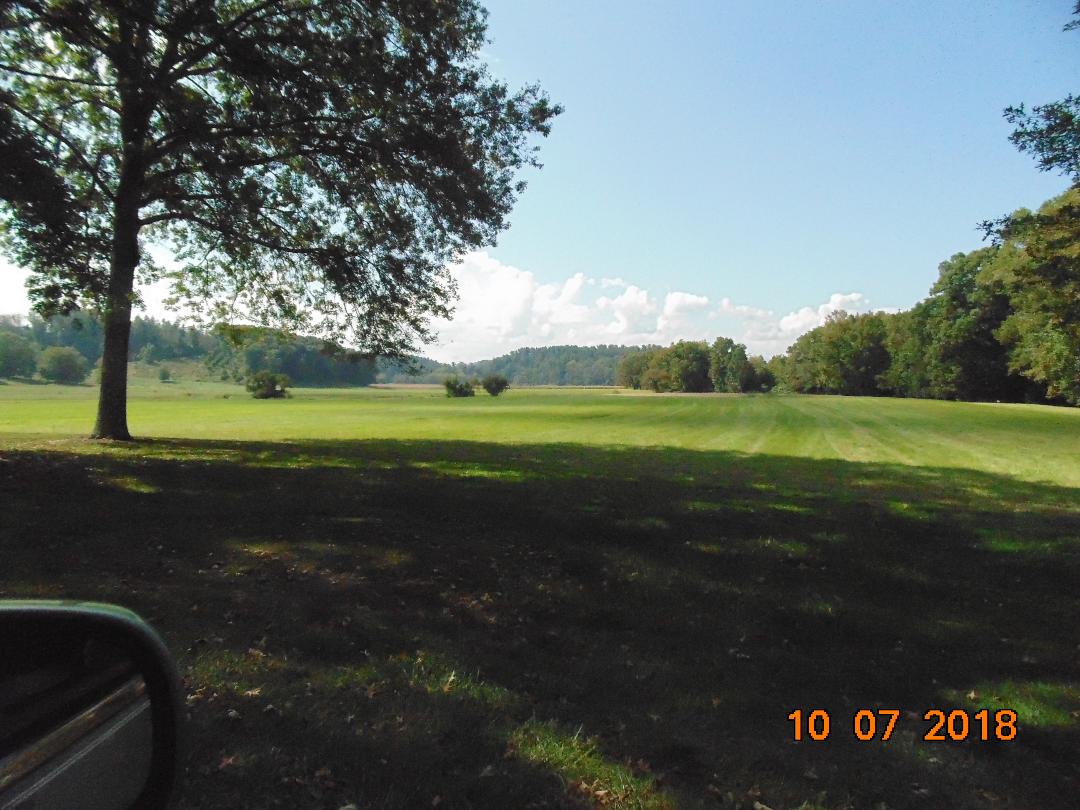
enroute to the ticket center the road opened and we got our
first view of the vast size of this estate……….8,000 acres.
Once we acquired our tickets we set out by car to the parking
lots to catch a shuttle bus to the house.
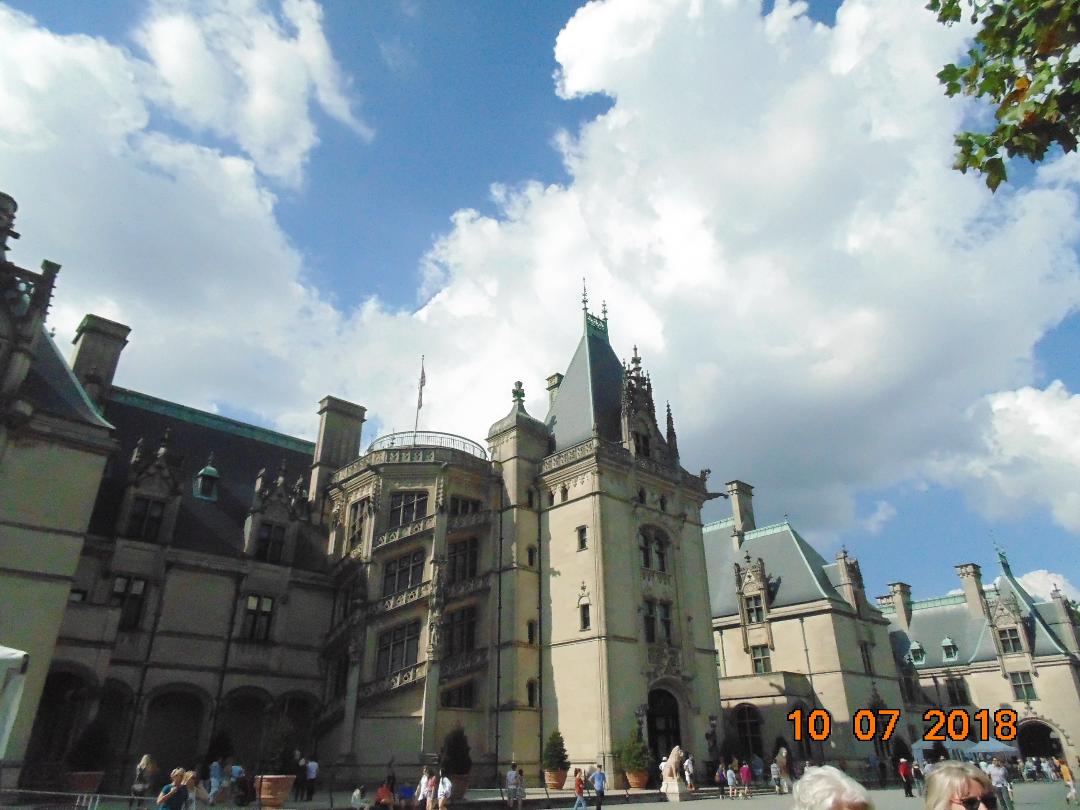
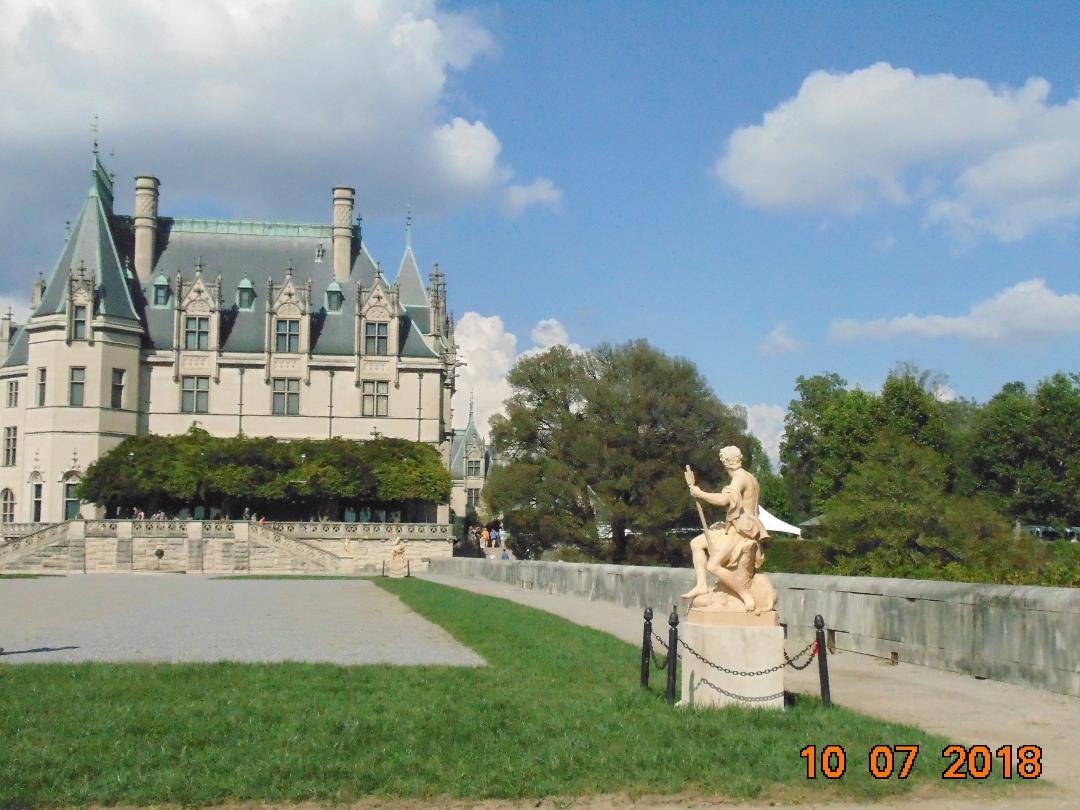
As we rounded a curve, we got our first glimpse of the house. The mid turret is the entry door.

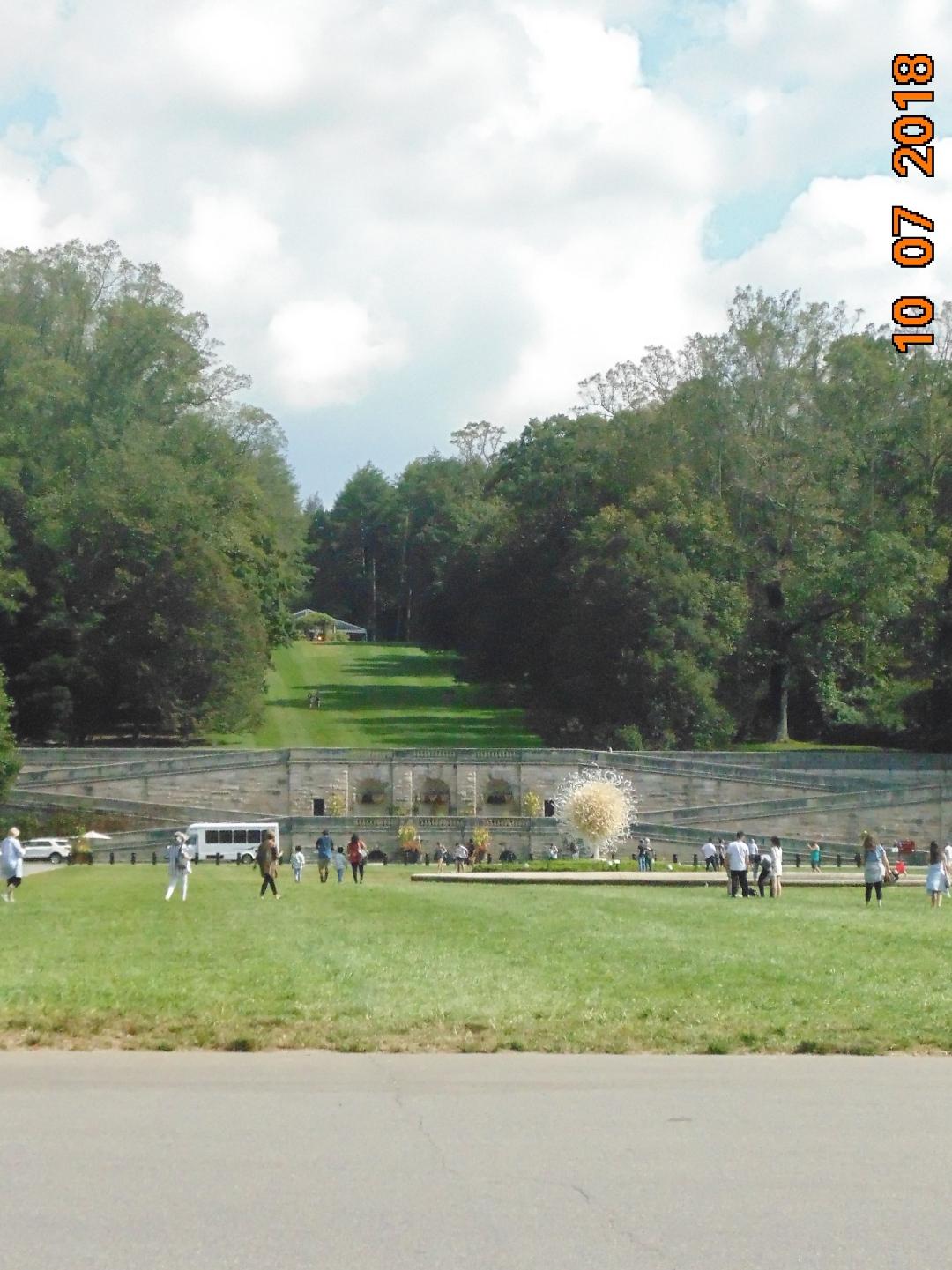

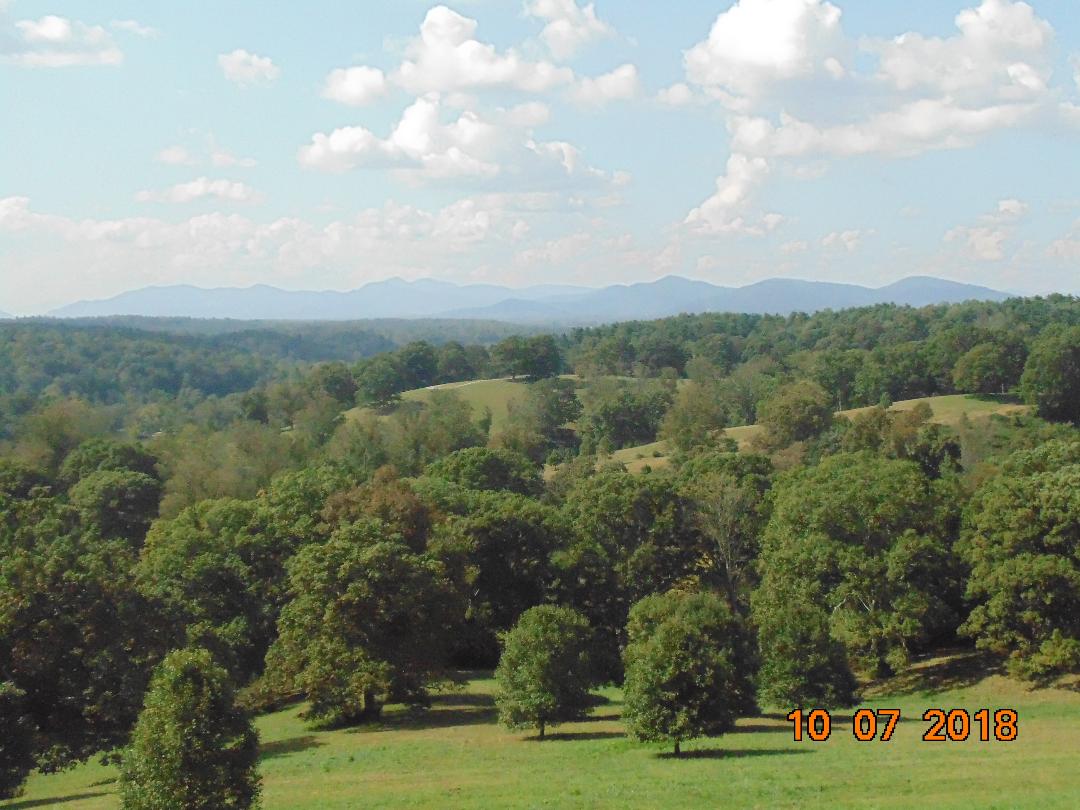
The view from the first floor rear- balcony area

Adjacent to the front lawn, on a lower level, were the “Italian Gardens”.
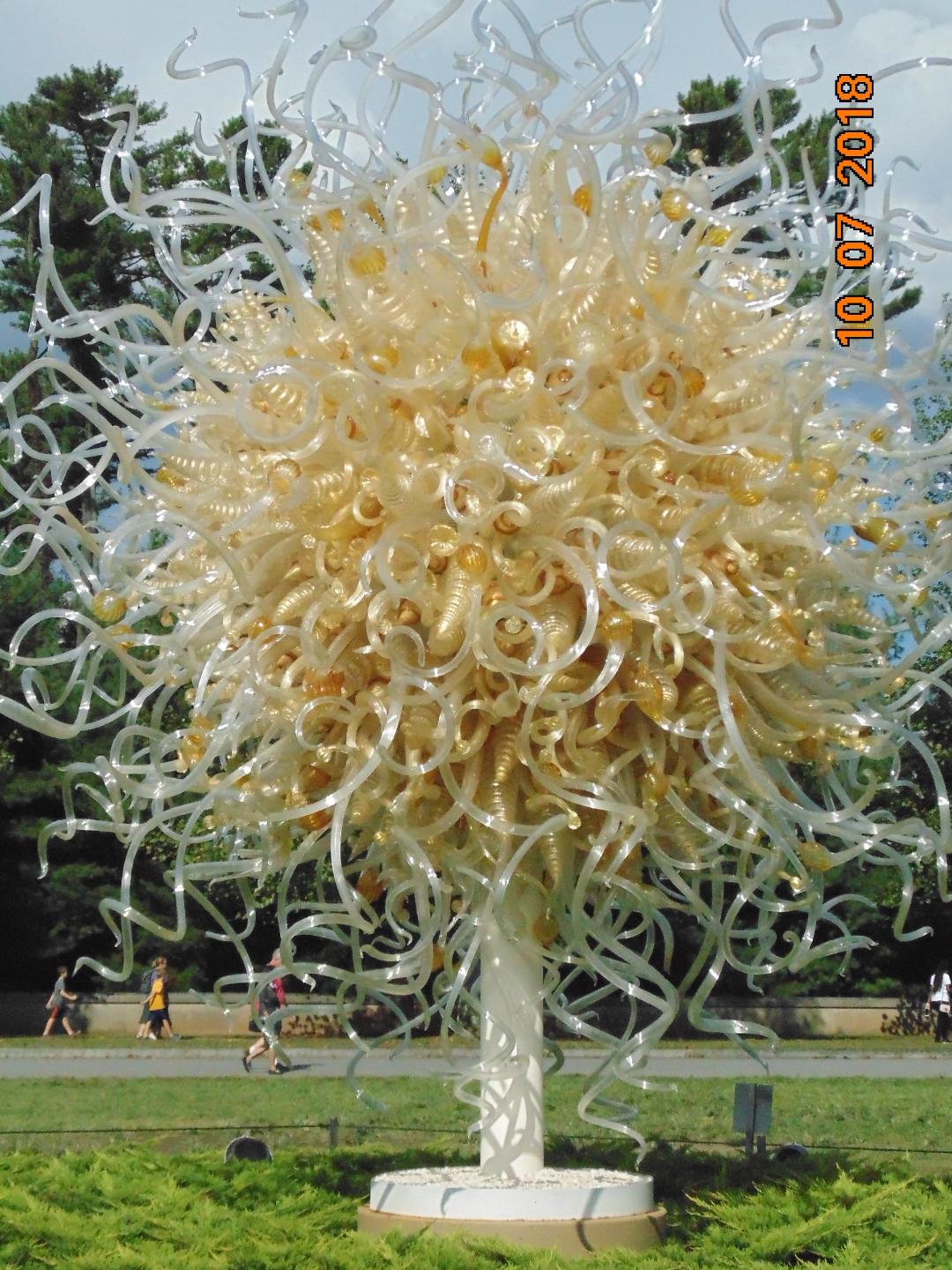
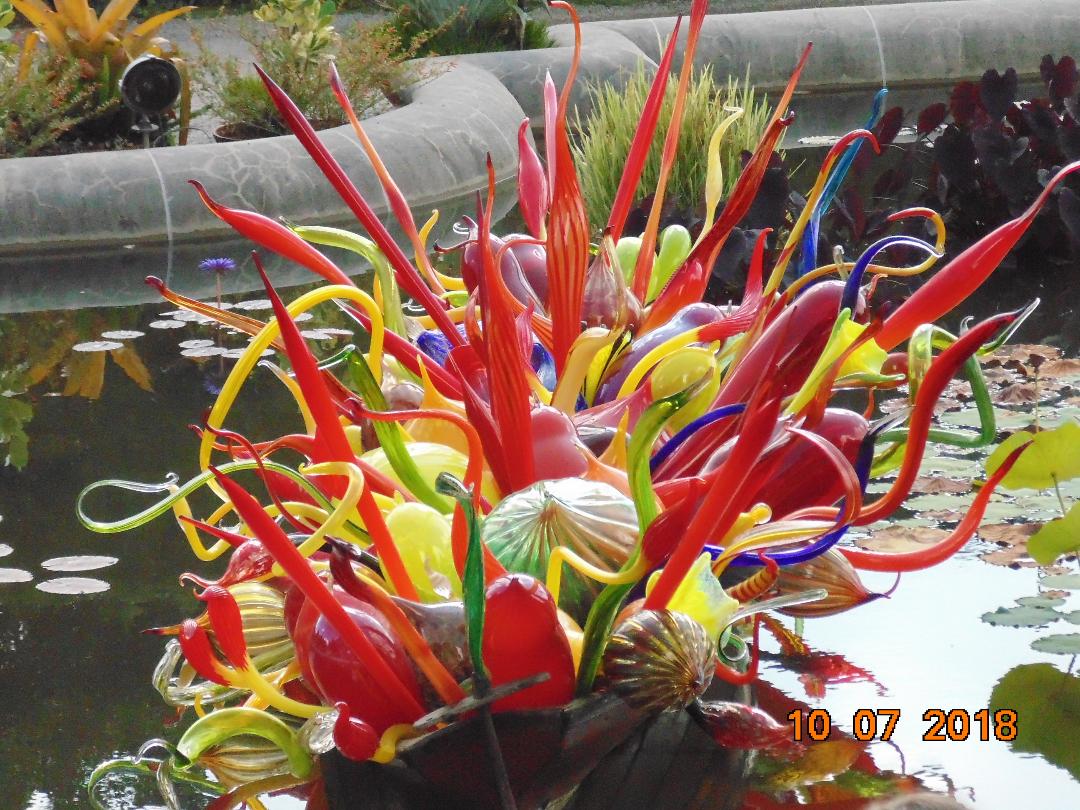
3 ponds, each with specific plants and a specific Chihuly exhibit.
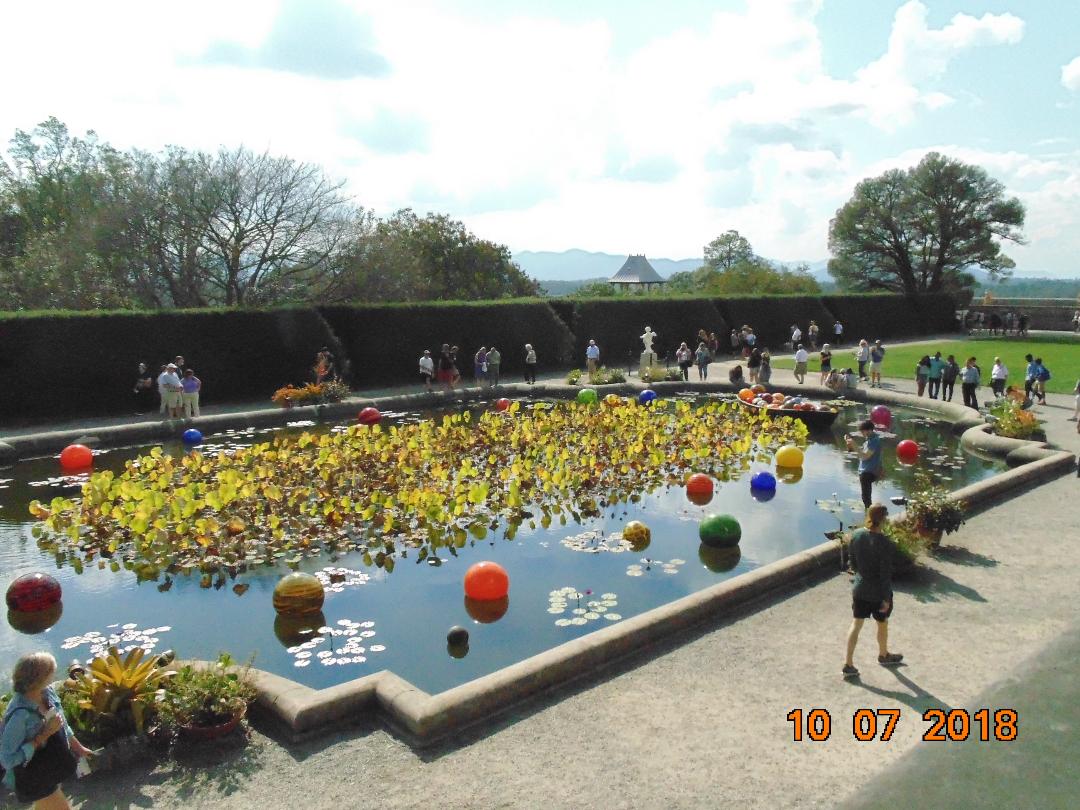
The 3 separate pond areas and their glass exhibits.
The first one-a boat full of glass balls with others spread around

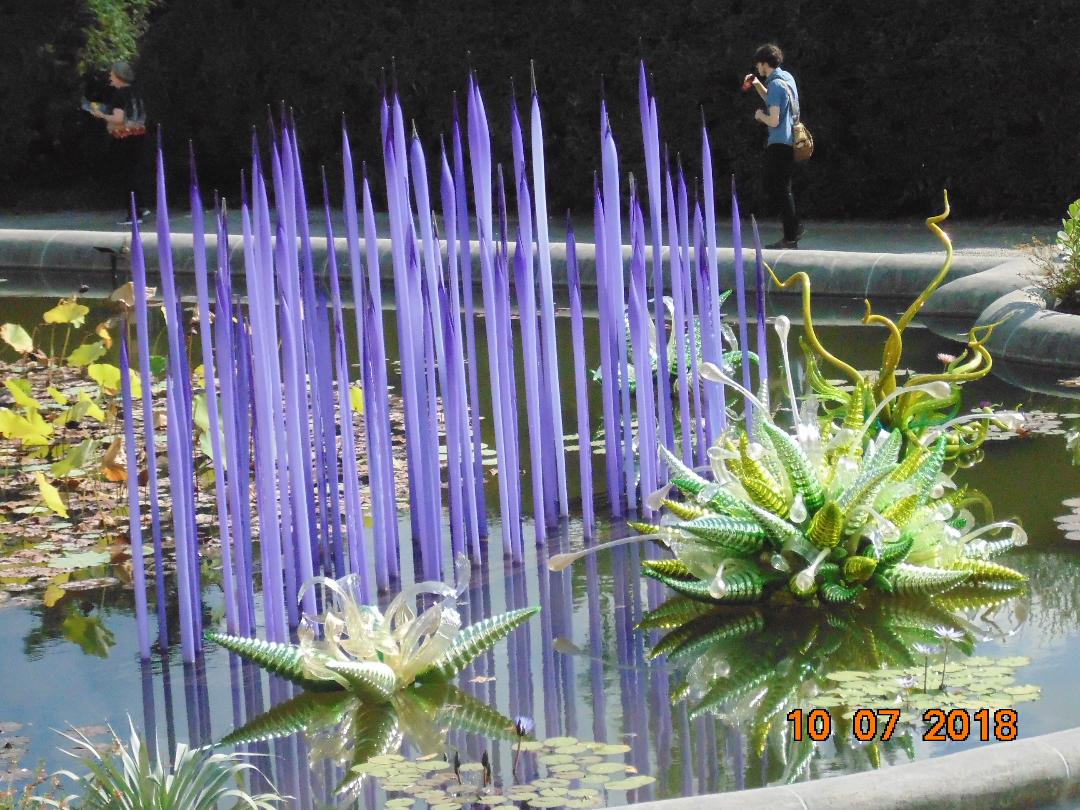
the last one-display to the front and one to the rear.



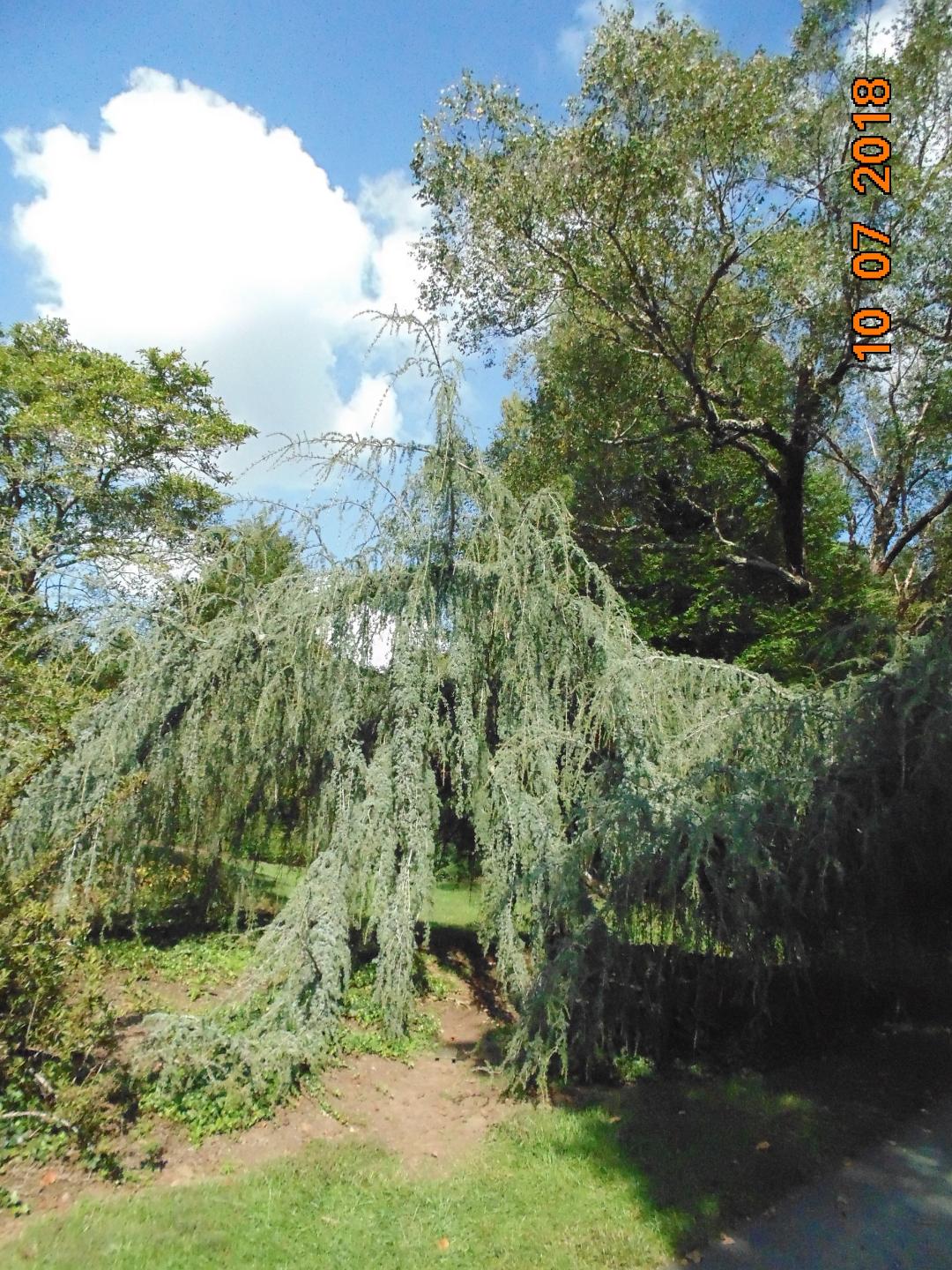
weeping blue atlas cedar-cedrus atlantica ‘glauca pendula’
narrow in the trunk but the branches were very long and draped over
the adjacent walkway………

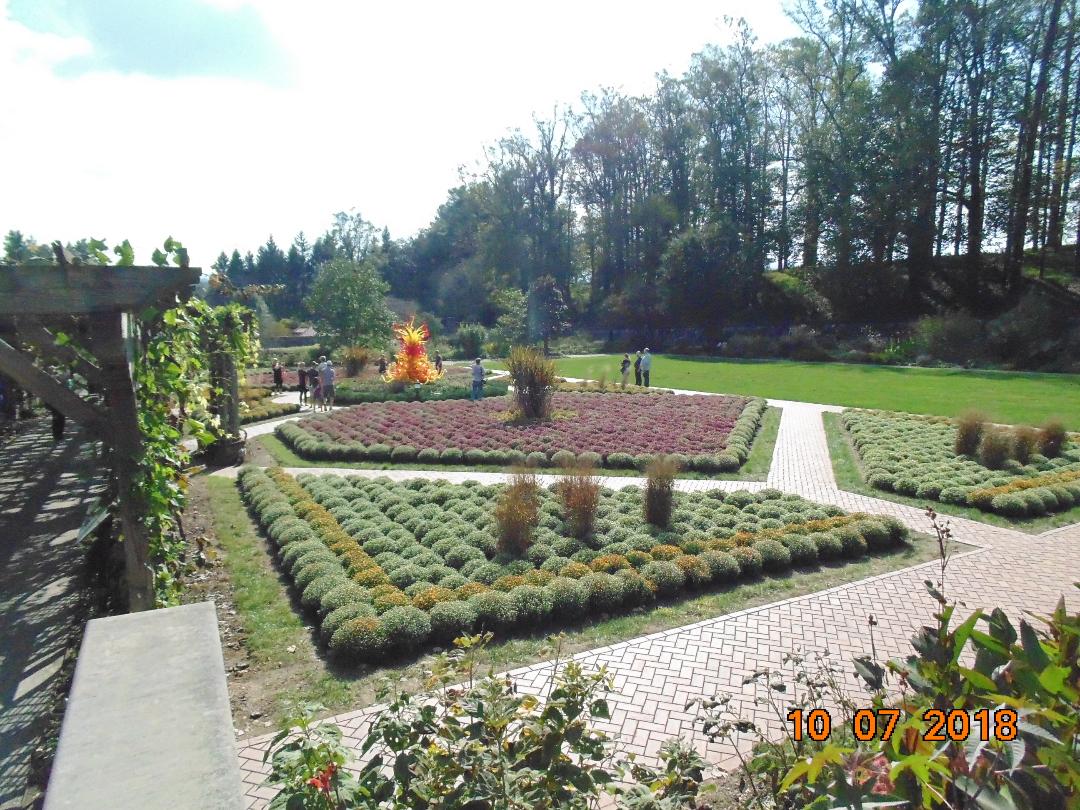
Mums the word.
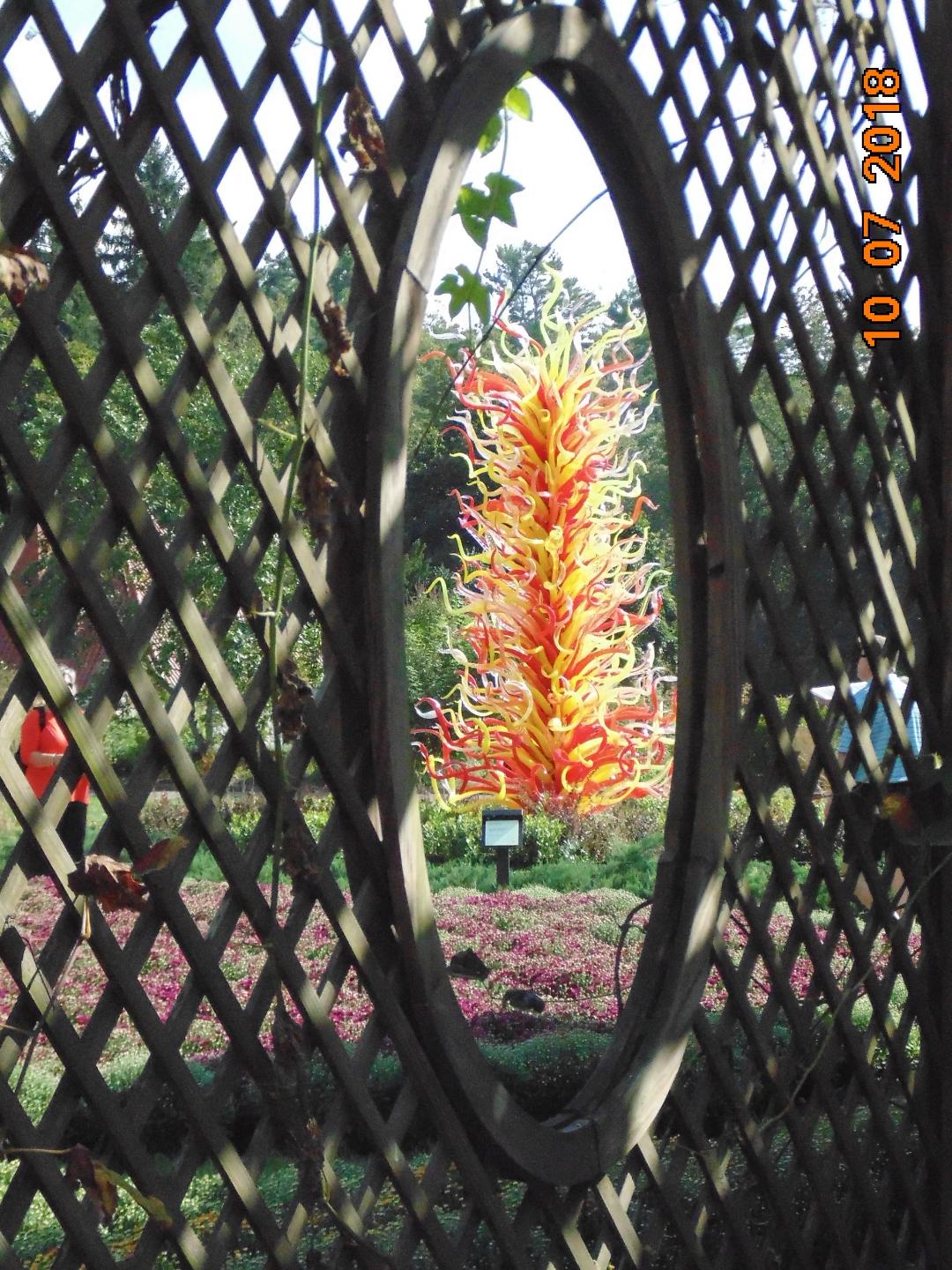
a view of the Chihuly from under the arbor
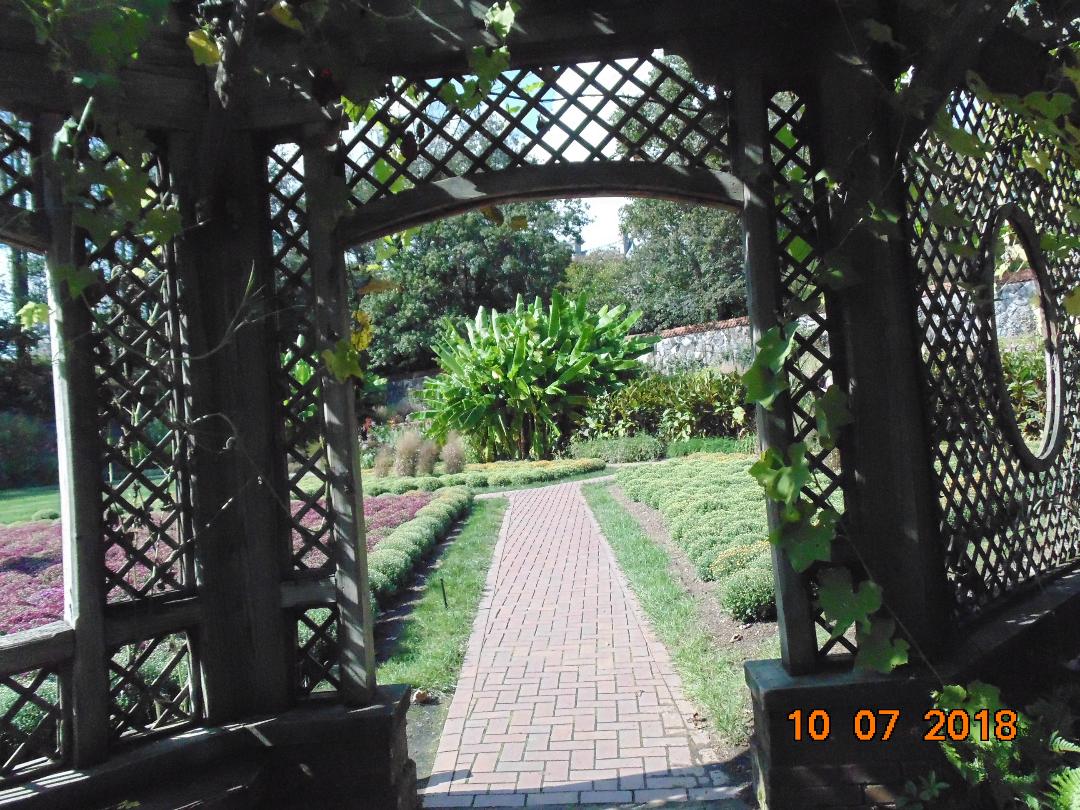

a couple plant pics from this area:
cleome
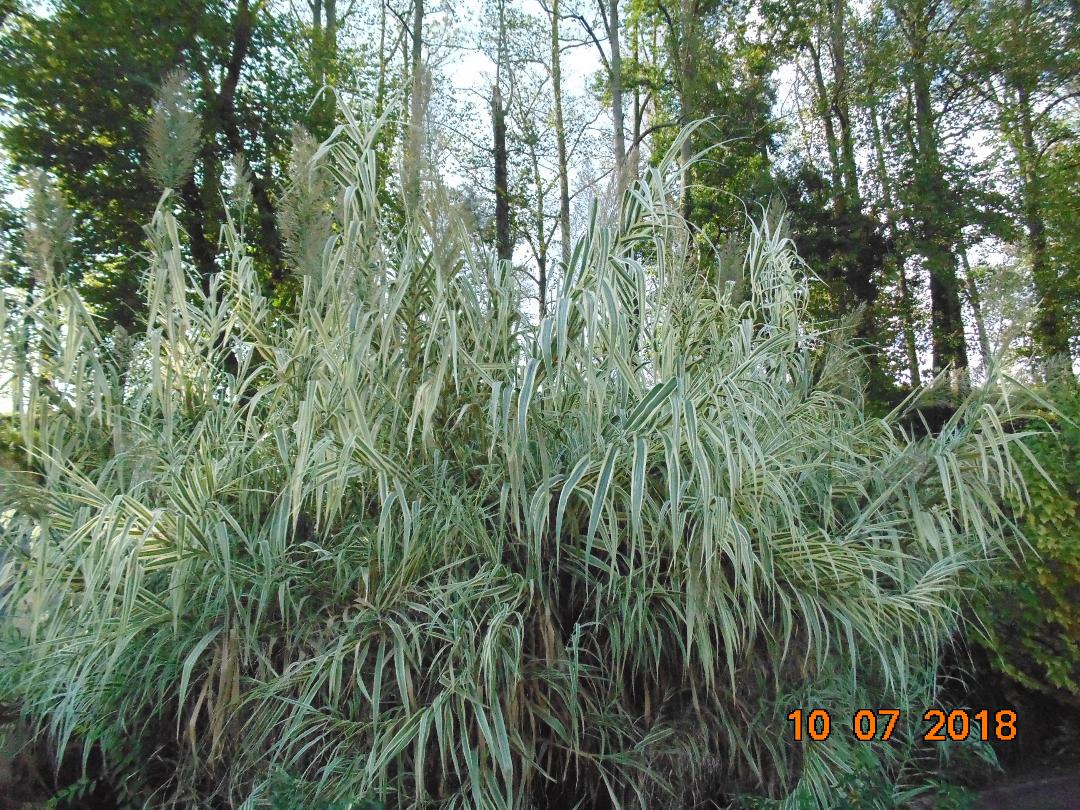
Japanese ribbon grass???
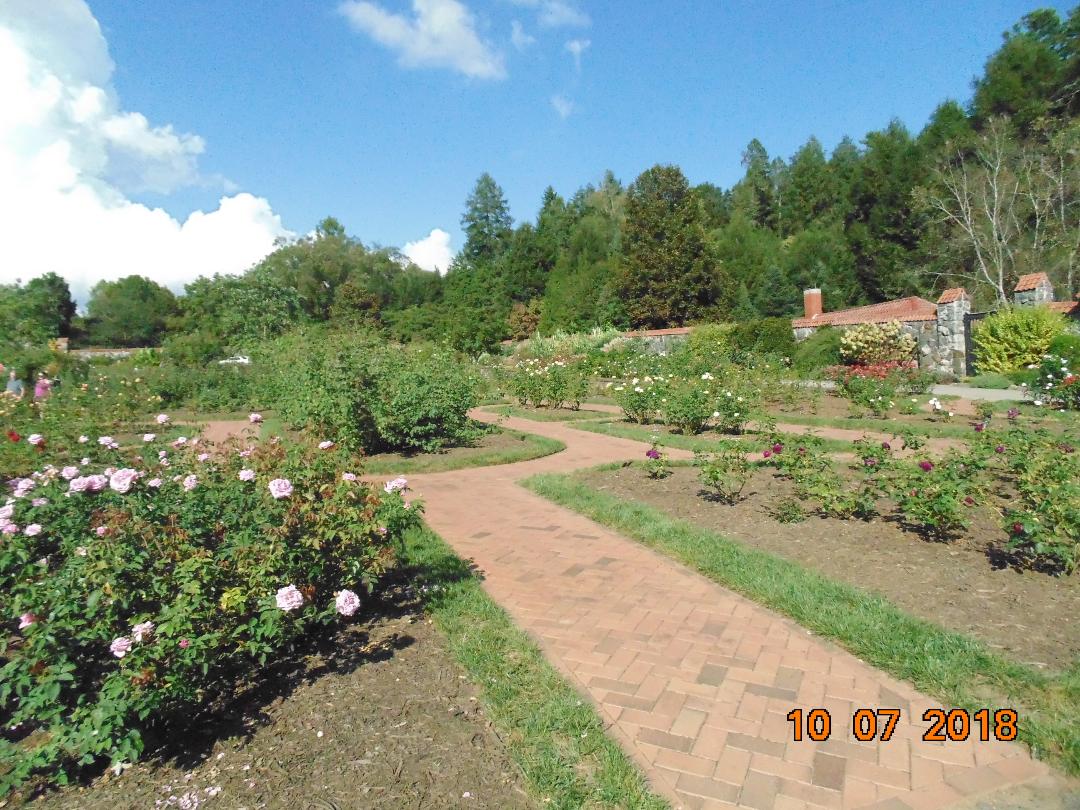
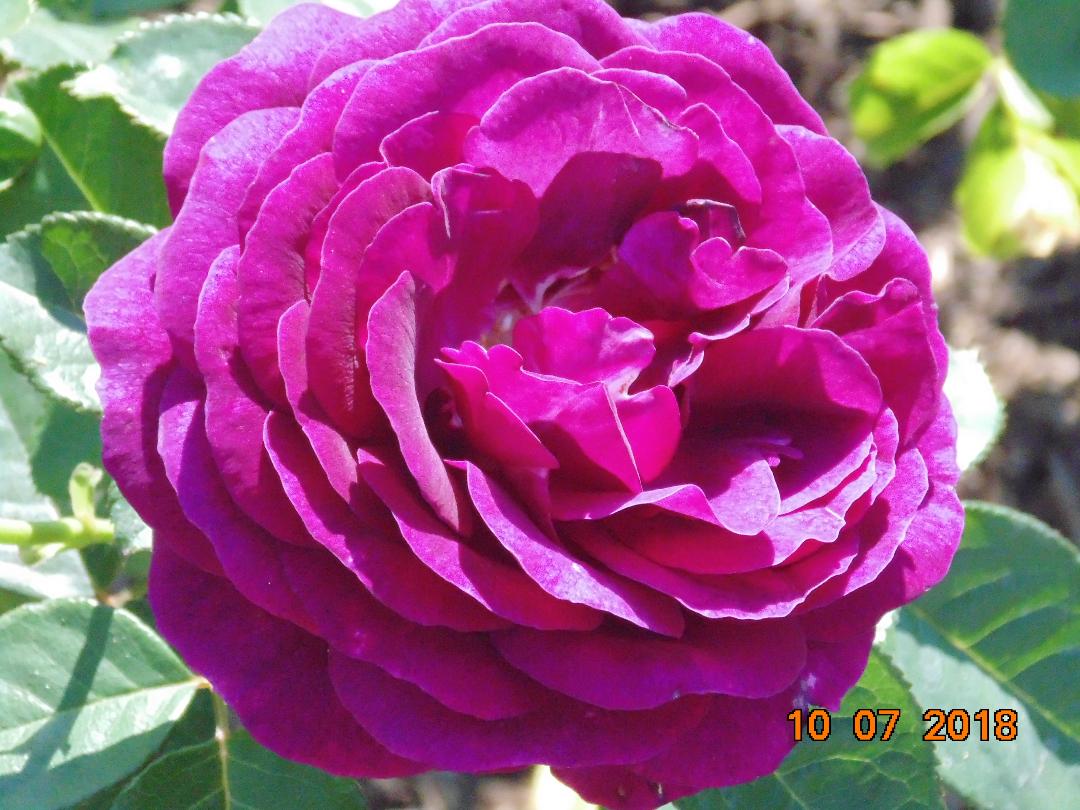
on to the rose garden

I only took a quick look into the conservatory and moved on but
I found the doorways to be intriguing.<a 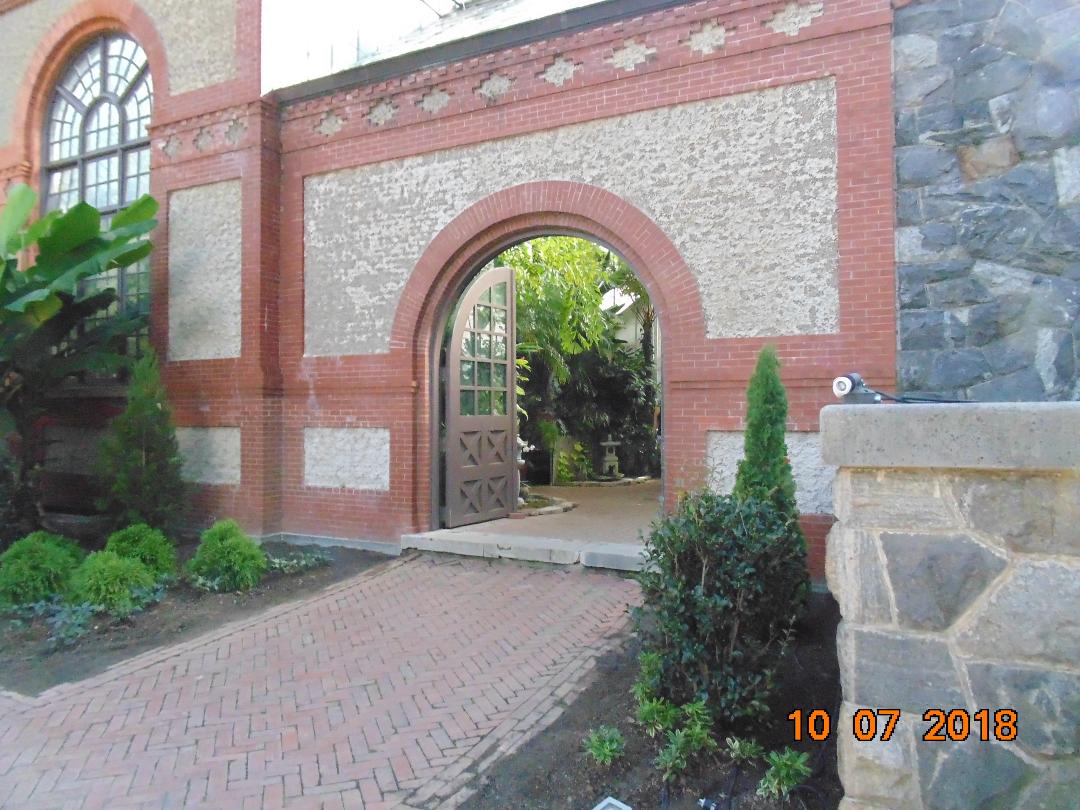

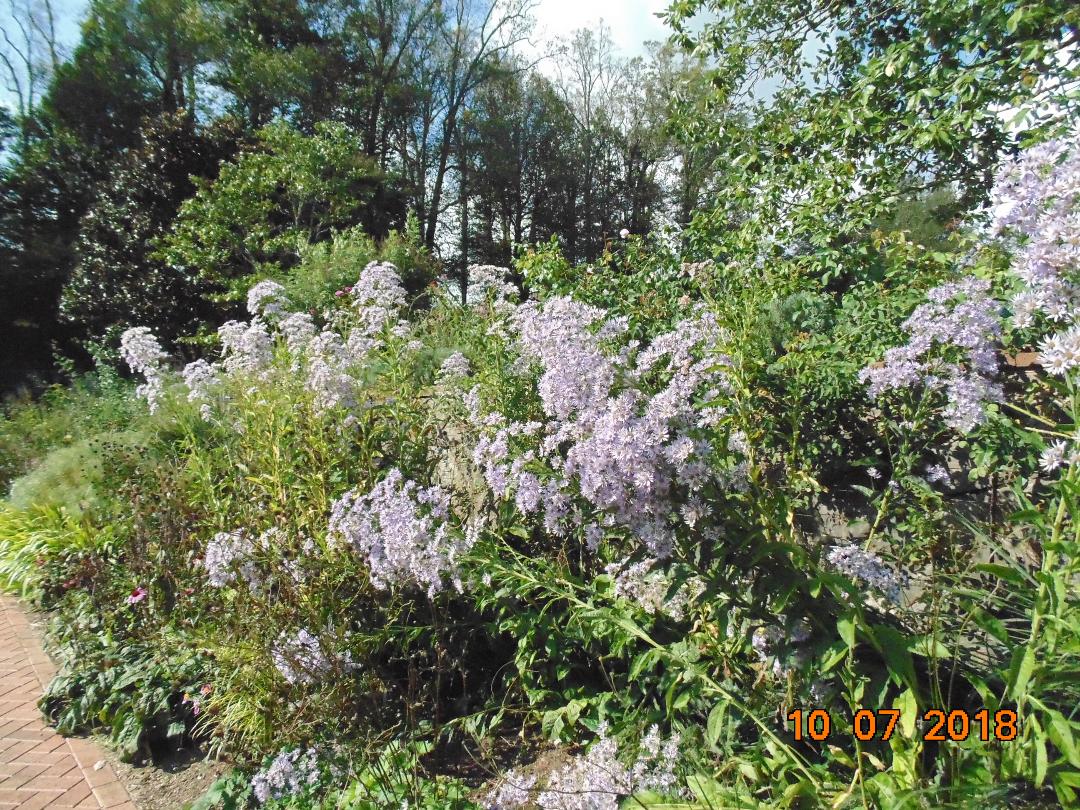
The outside edges of the Rose and Conservatory gardens had
mass plantings of perennials………
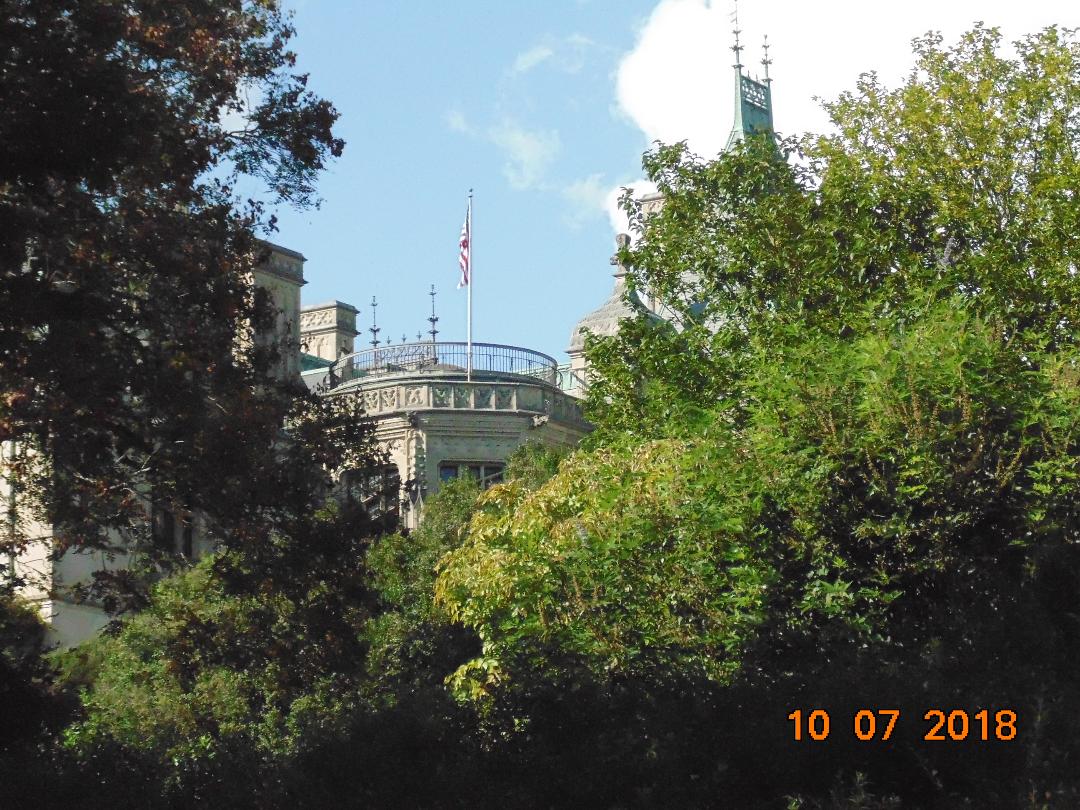
NOTE TO SELF: to meander downhill along a garden path–
eventually leads to climbing uphill to get back!!!
Goal, to get back to the house without passing out first. 🙂
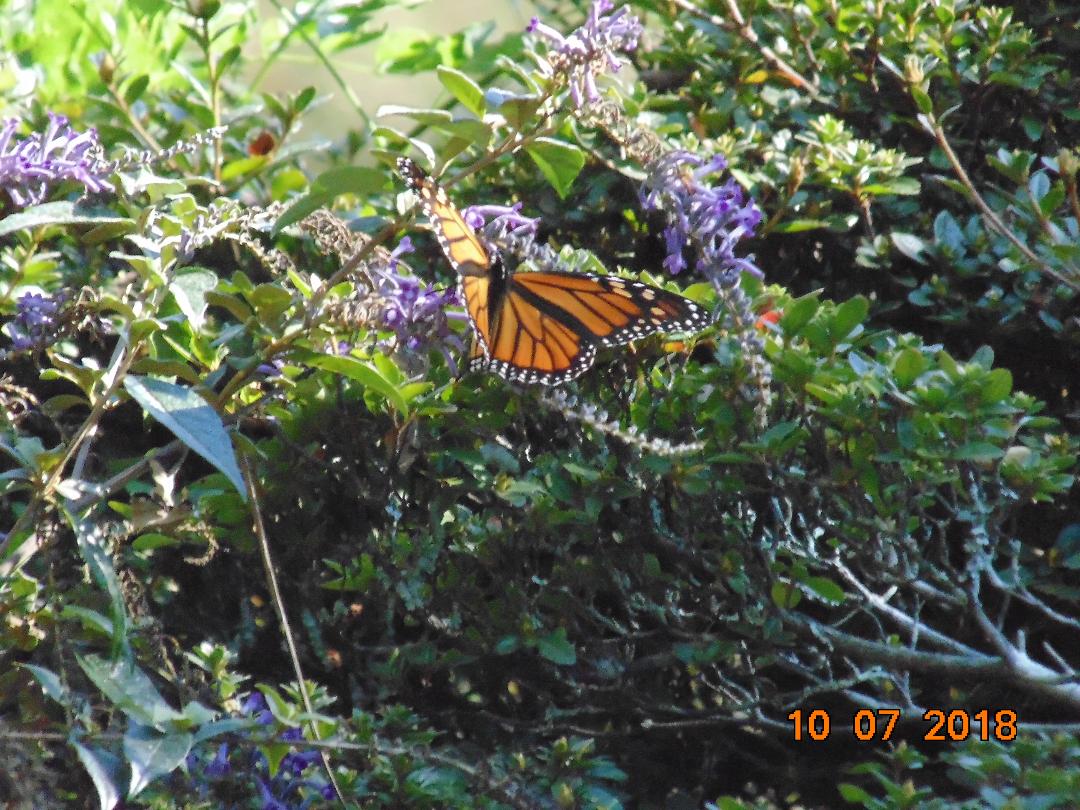
& en-route found a friend. ? maybe this one hatched
in my yard.
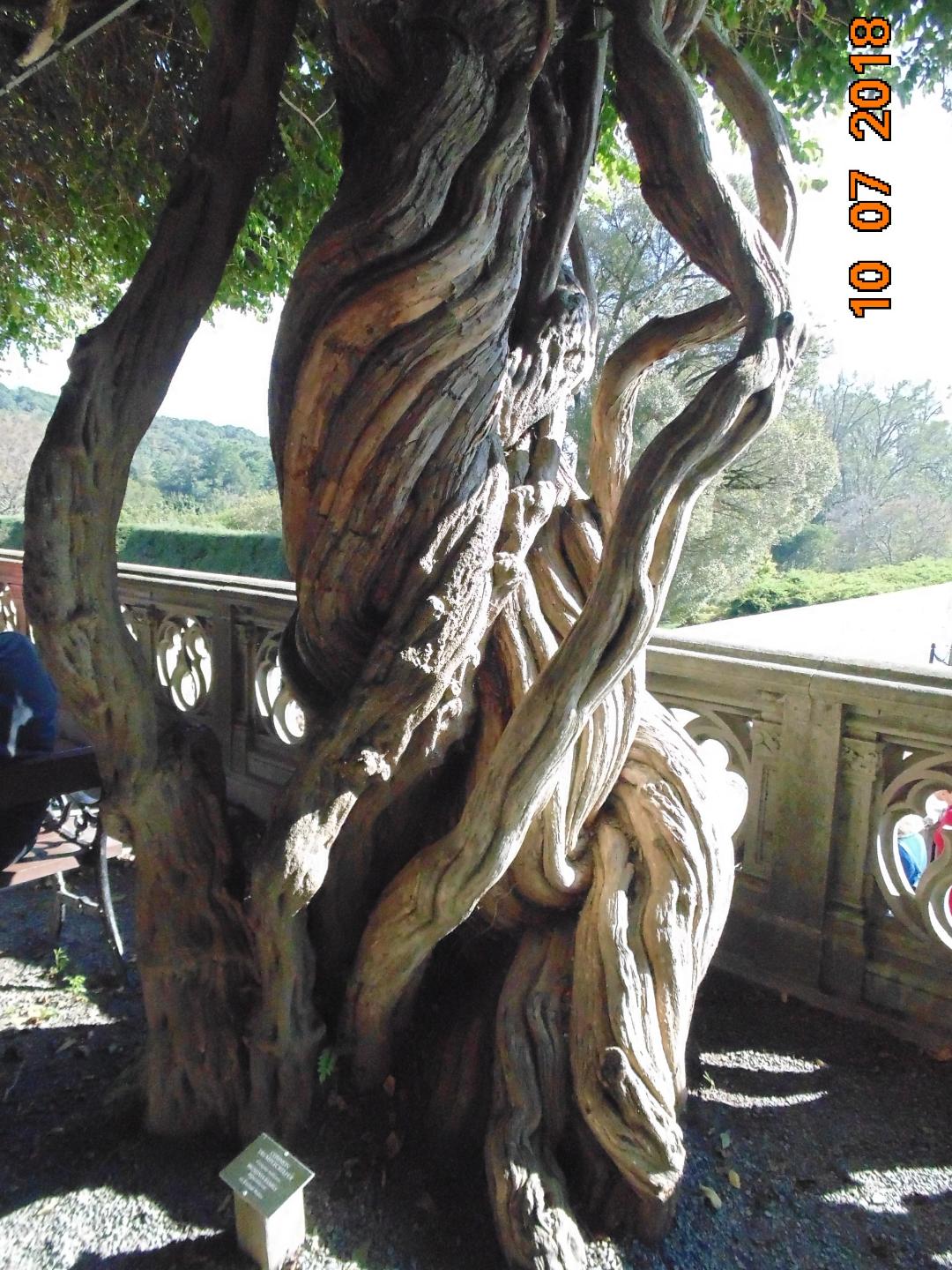
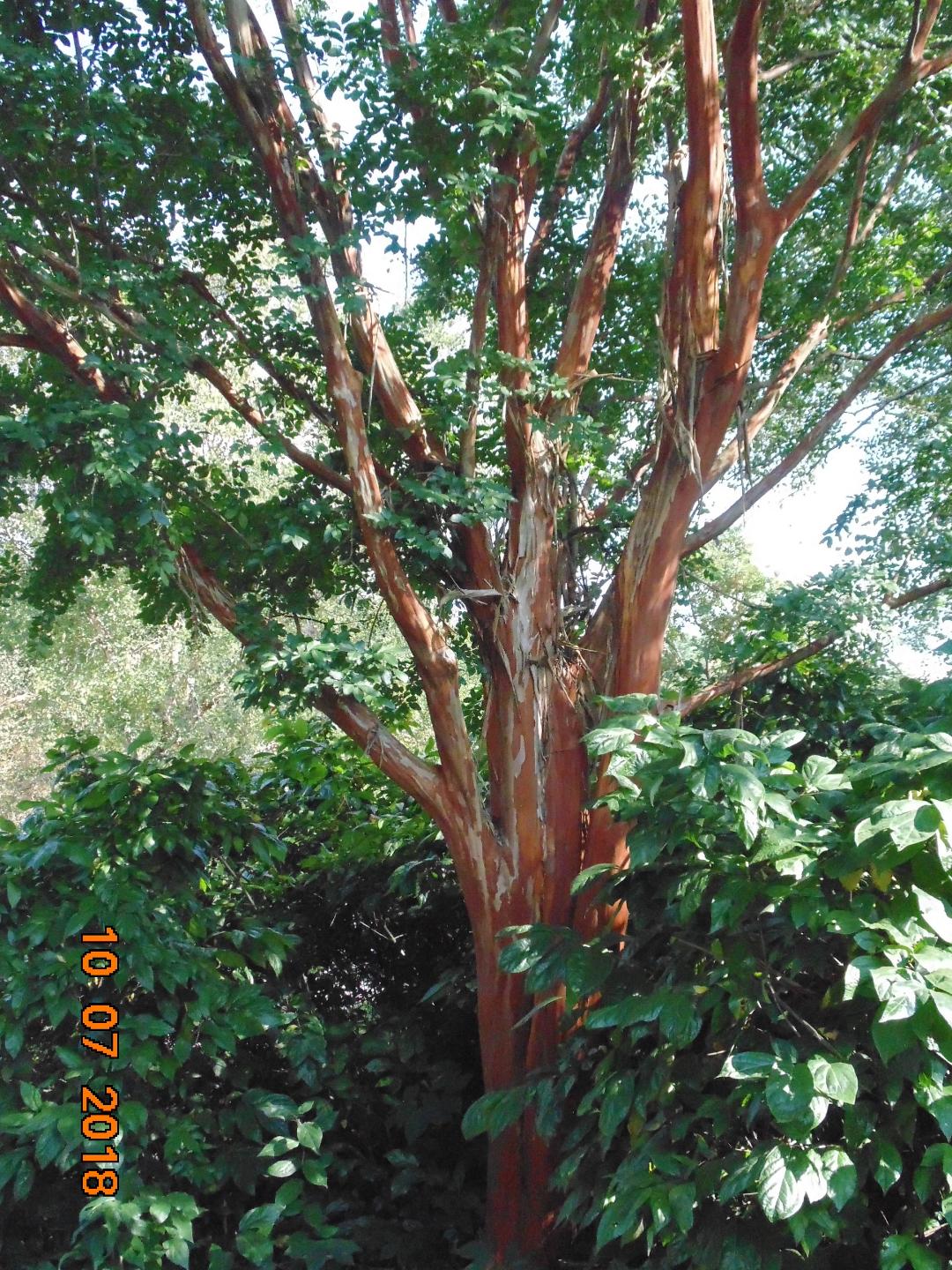
From a distance a trunk on the side veranda caught my eye.
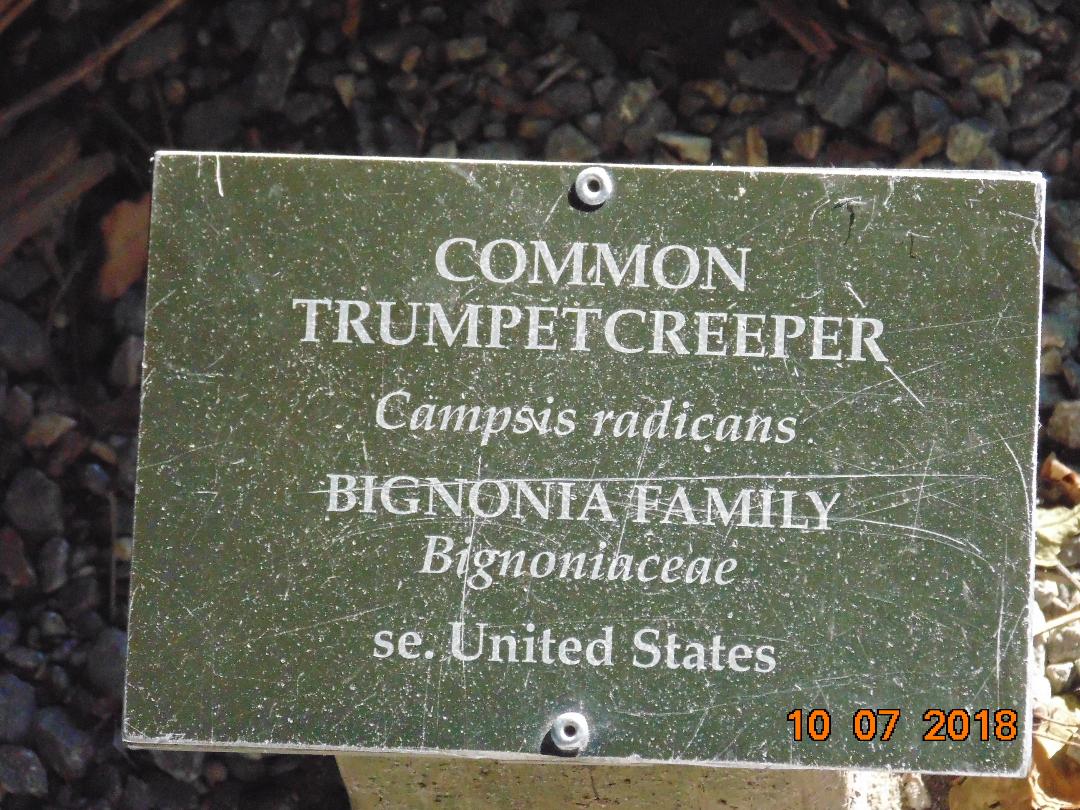
I had to check it out-not a tree, a vine-the branches up on
the top of the arbor providing much needed shade for the weary.

Steers and crop farming noted.
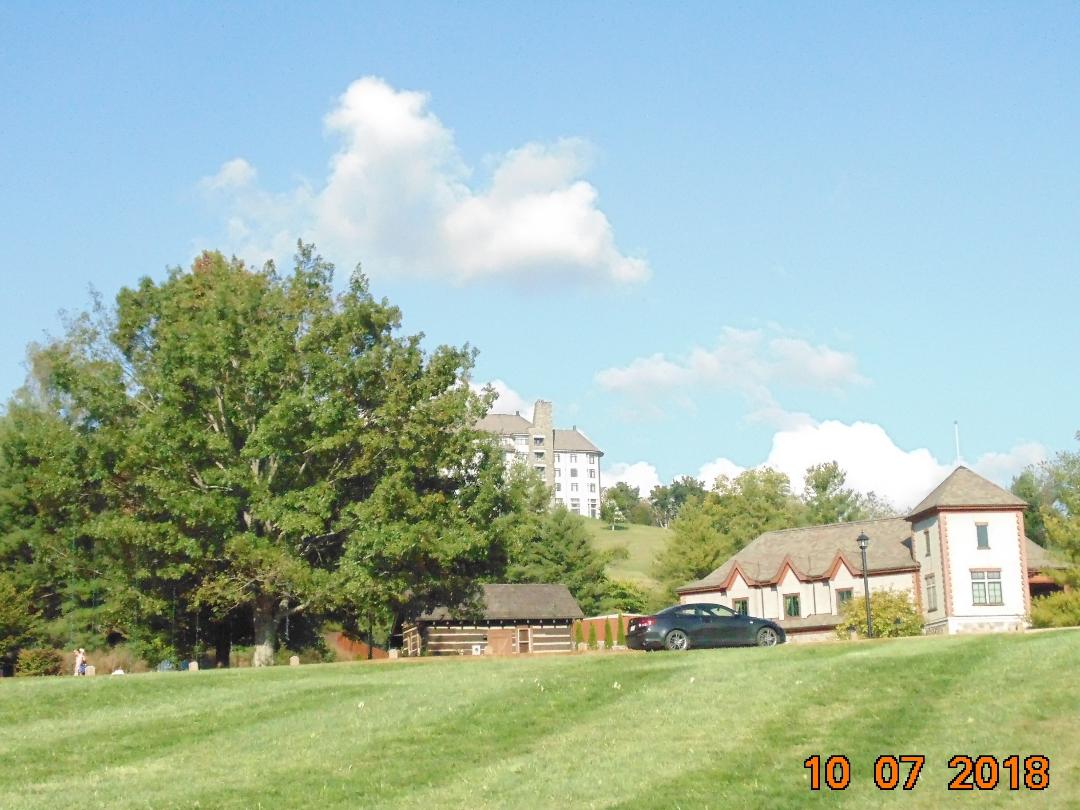
Inn, winery & stables–summer homes to rent..a whole village.
no matter what time of year, if ya get the chance-visit.
 Monroe County Master Gardener Association