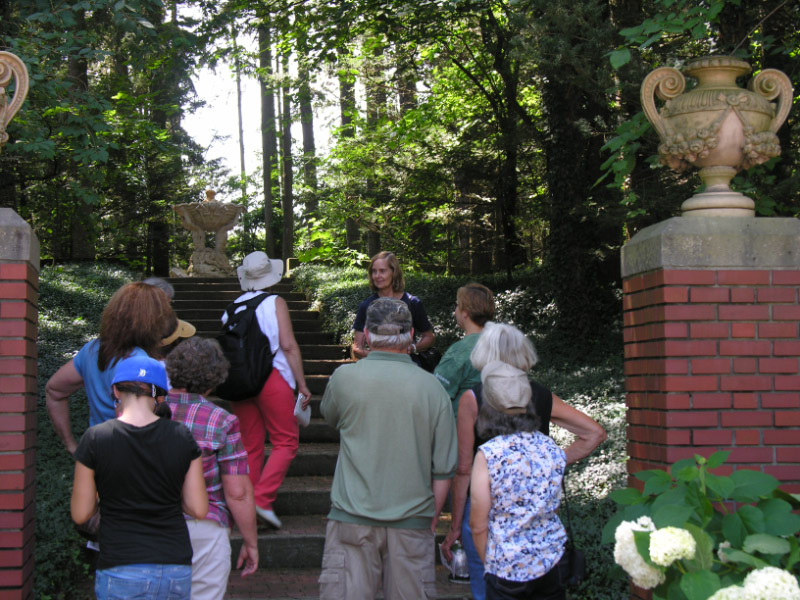
Our group went to the Matthael Gardens in August. Thought I would share some of my photos for those of you that did not make it there. Enjoy

Monroe County MGA


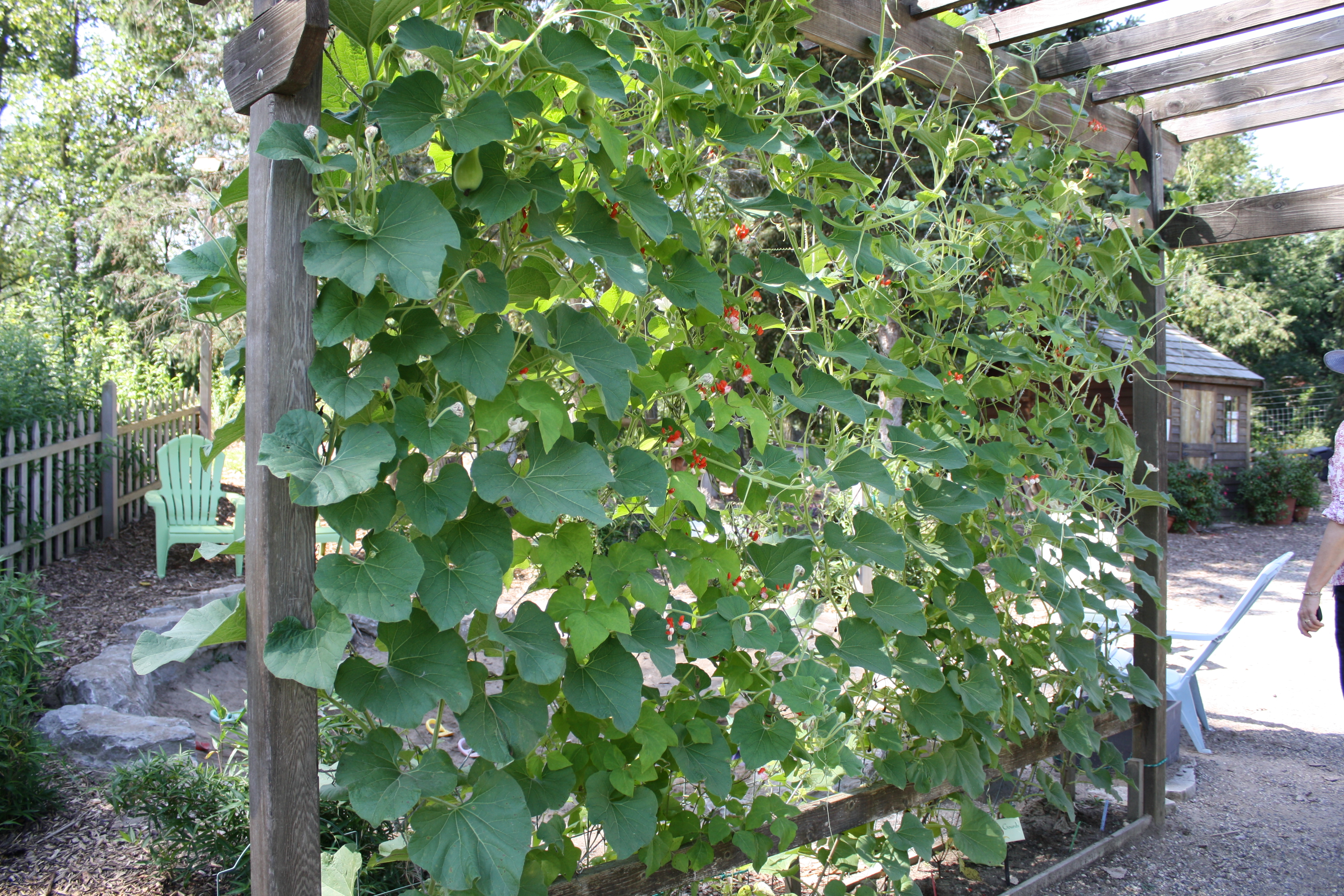
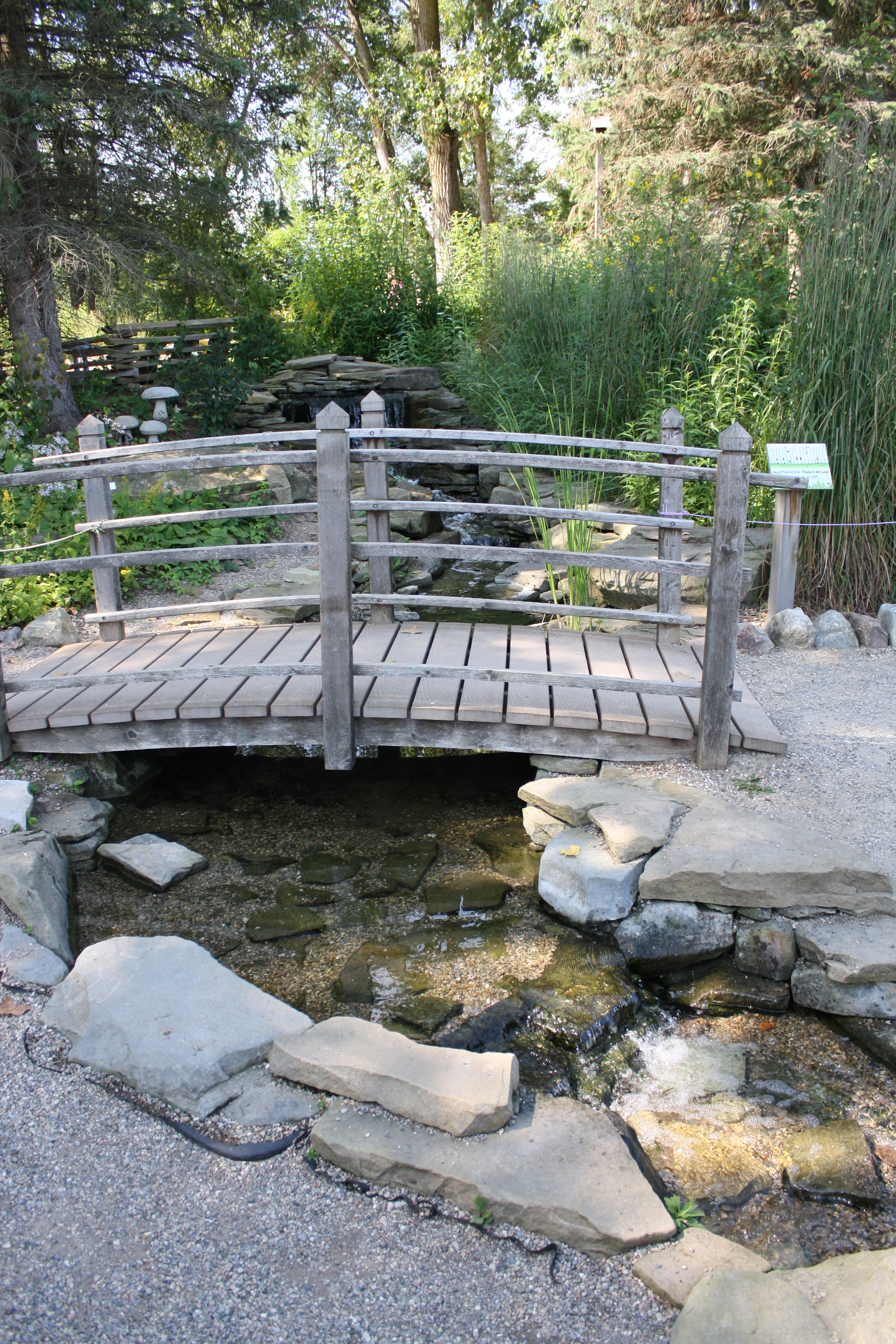
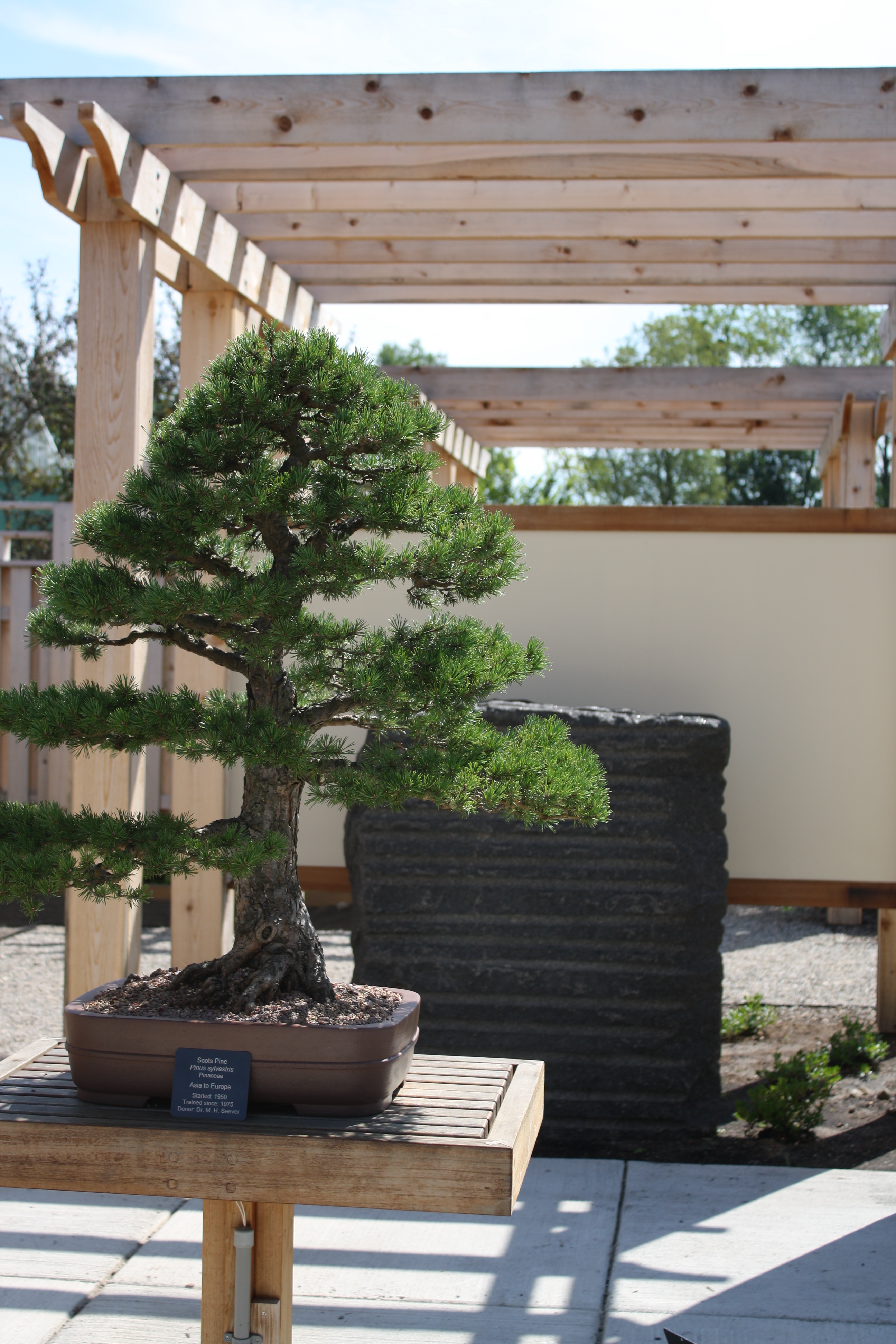
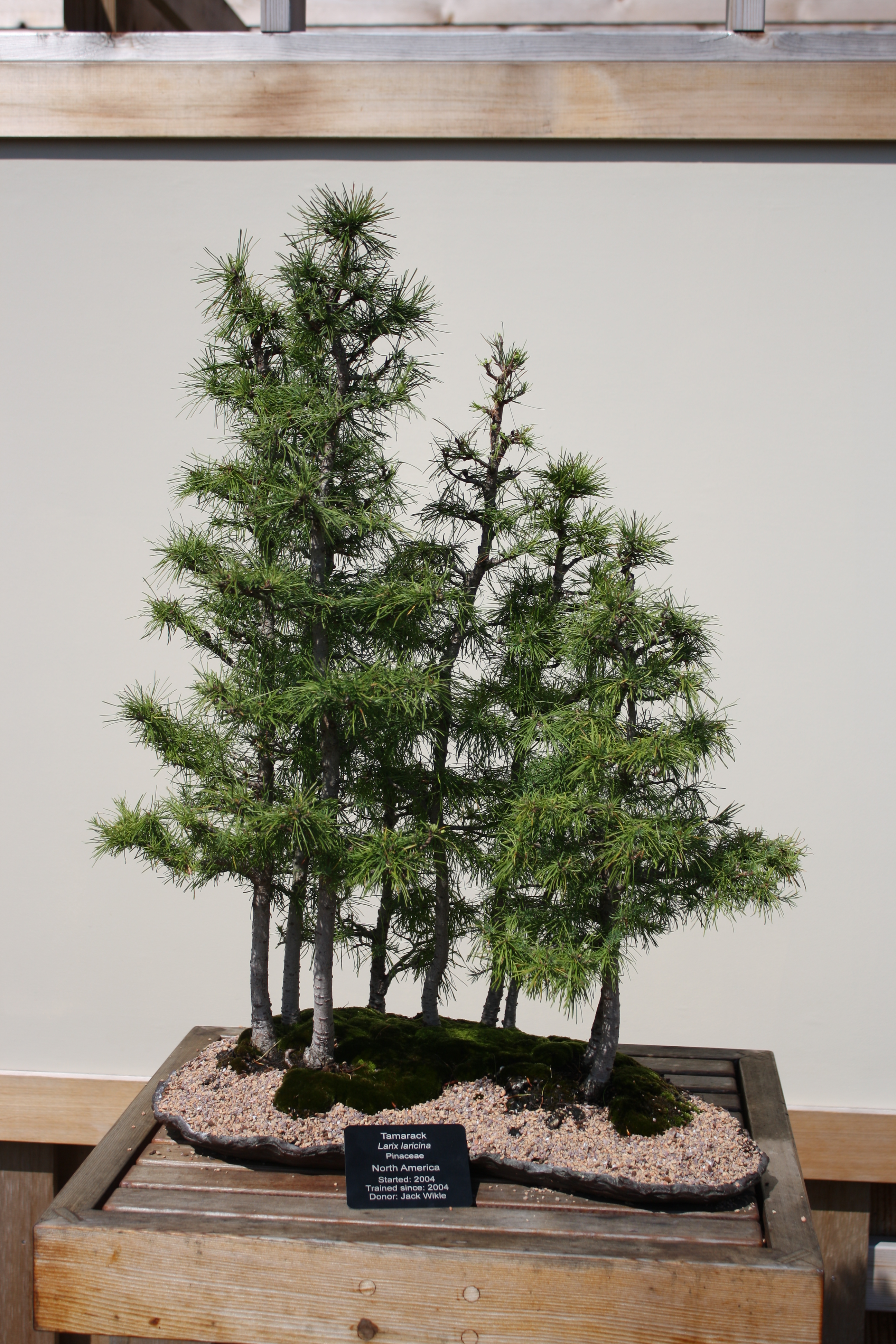
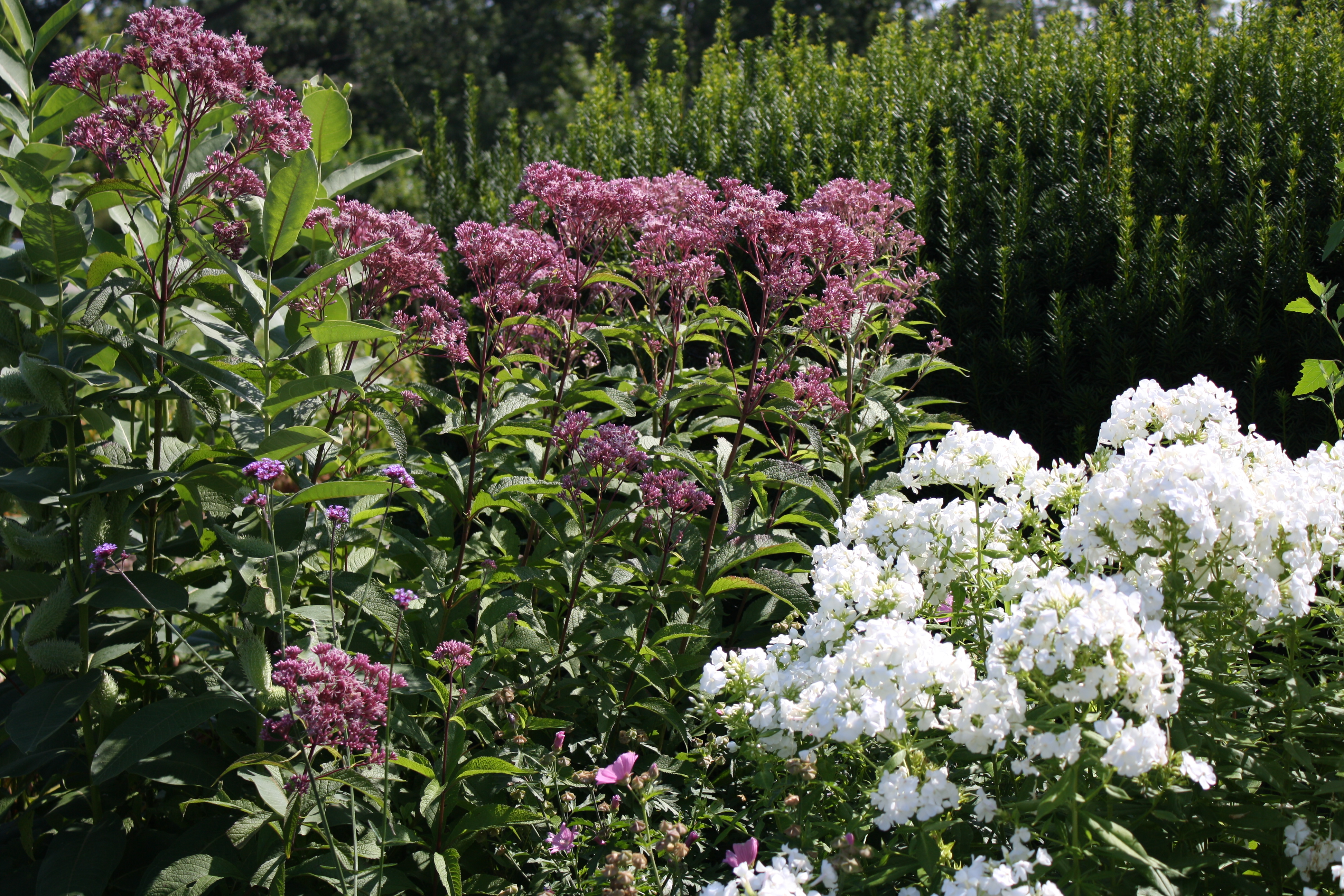
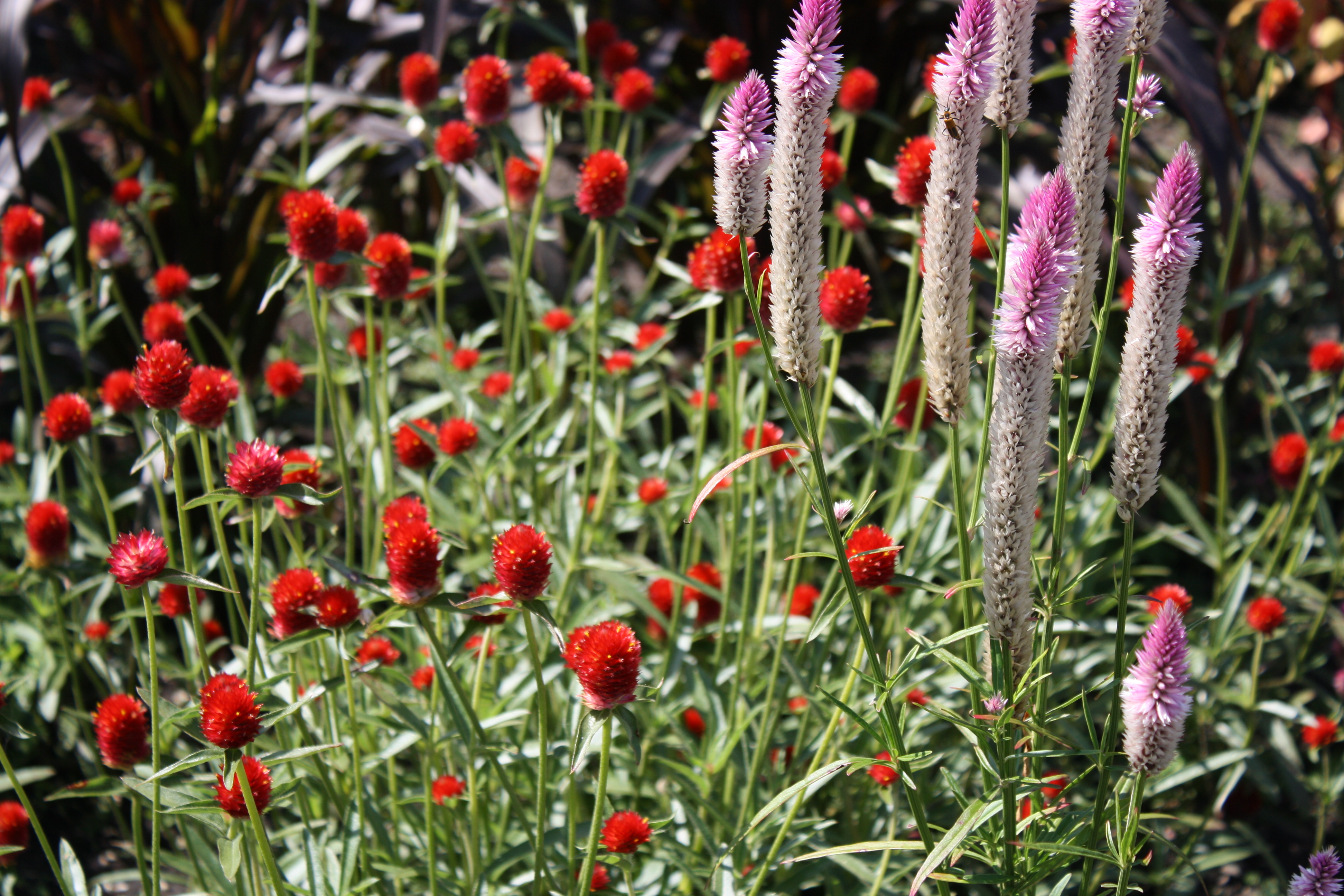
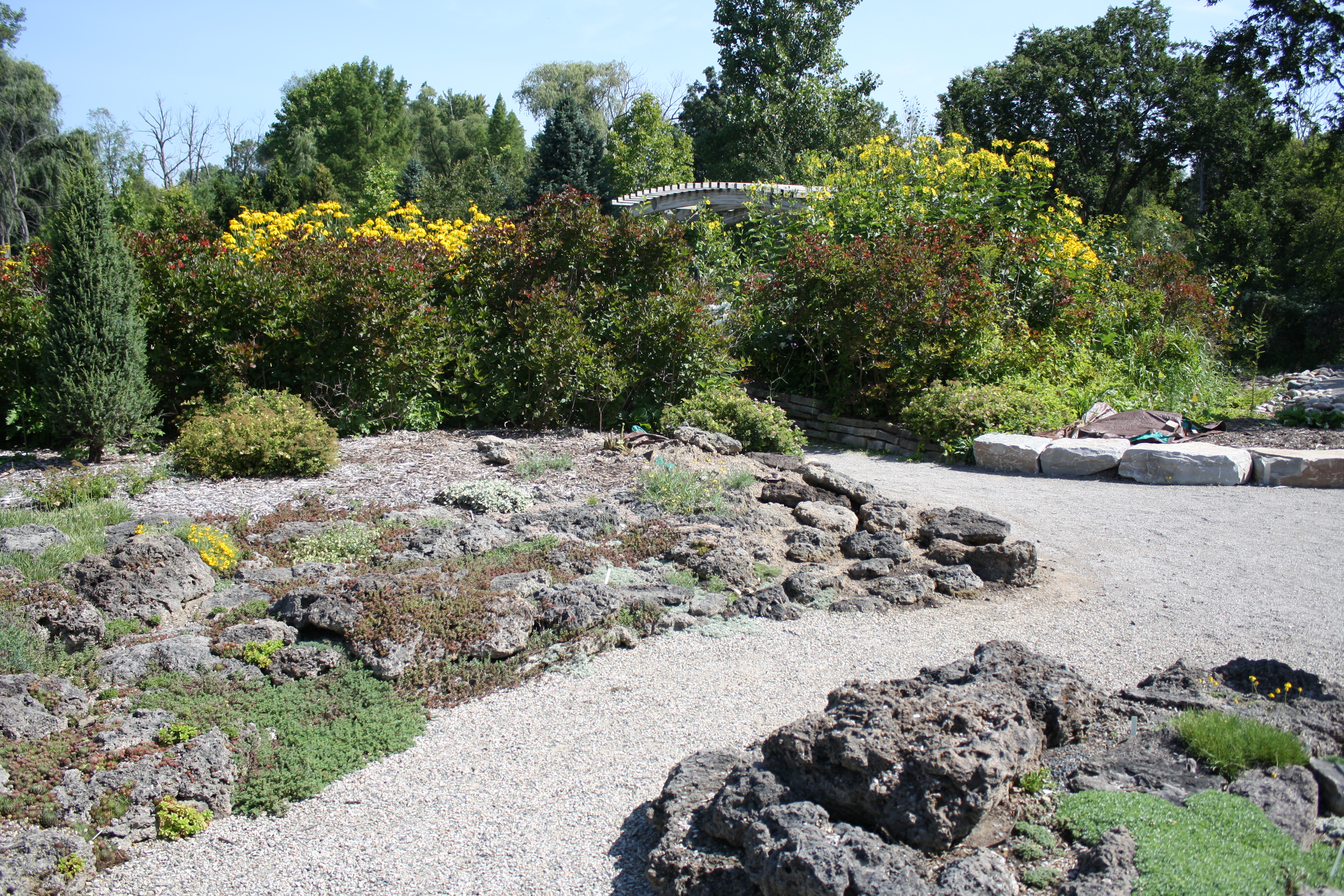
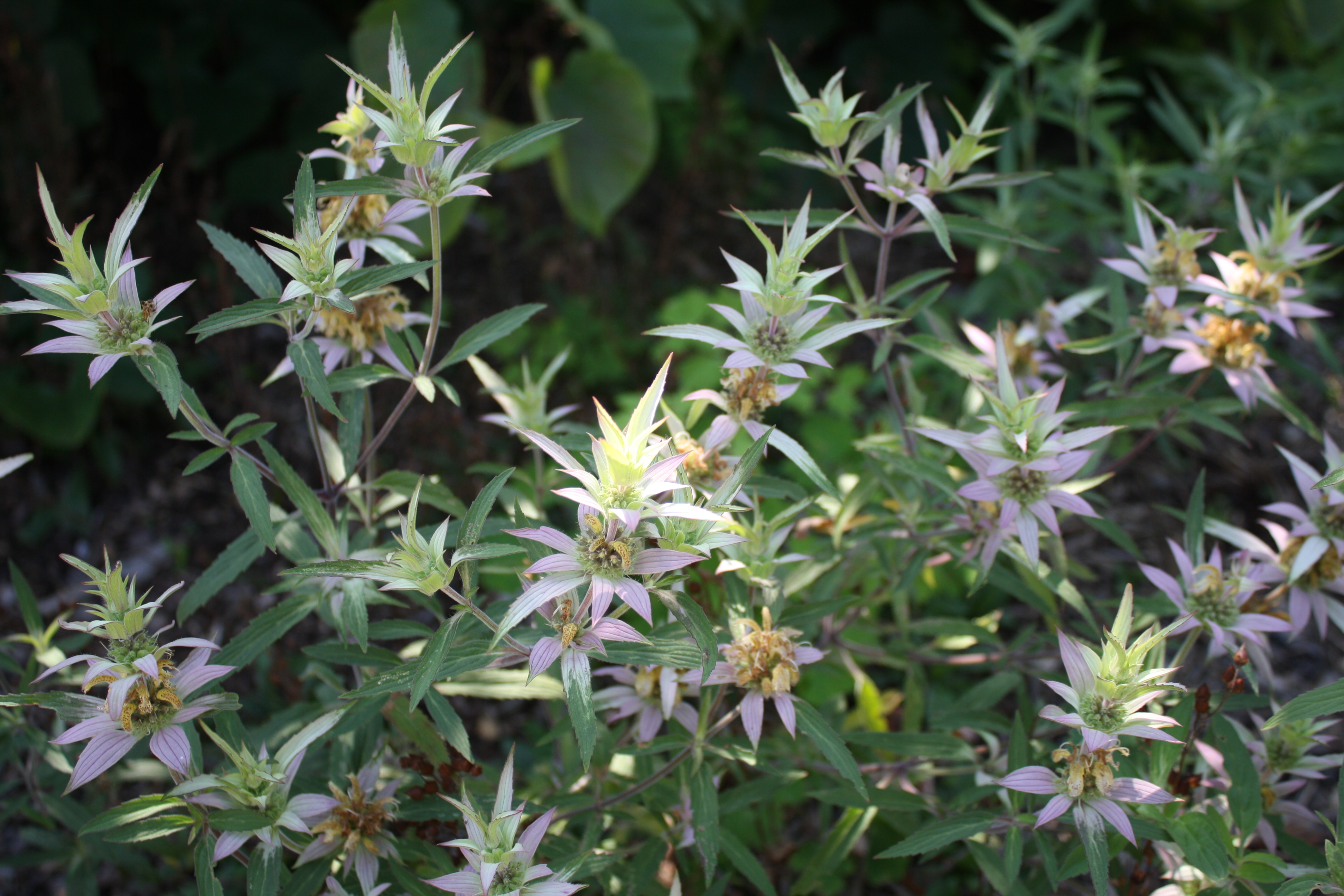

Our group went to the Matthael Gardens in August. Thought I would share some of my photos for those of you that did not make it there. Enjoy
Monroe County MGA
Posted in Uncategorized | Leave a Comment »
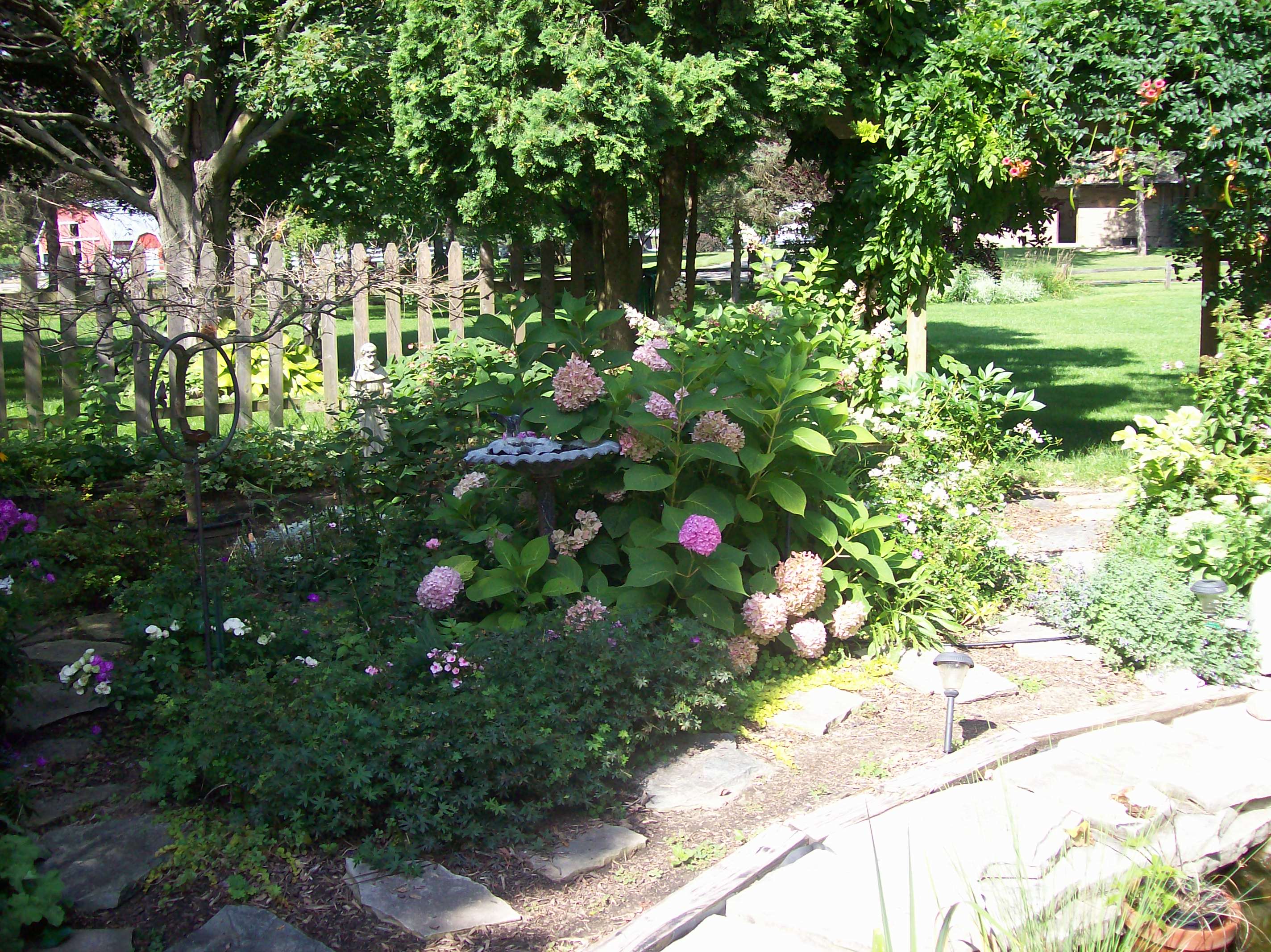
Norma Buggy sent in some photos of her hydrangea. The rain this summer has been a help with the abundance of blooms on the hydrangea this year. Norma’s Limelight hydrangea are simply loaded with beautiful clumps of florets. They are truly showstopper. The blooms are a creamy Chartreuse changing to deep pink in the fall. We’d love to see some photos again of them after changing.

‘Limelight’ Hydrangea paniculata

‘Limelight’ Hydrangea paniculata
Norma included a pink hydrangea as well, but is not sure of the name.
She also includes a photo of her Resurrection Lily (Lycoris squamigera) which just bloomed. August usually brings these beauties up from the ground. This plant also is referred to as the Surprise Lily, Magic Lily, and Naked Lady. It’s foliage comes up in late winter and appears like that of a daffodil, but it shows no flowers then. With the first warm days of spring the leaves disappear by late May. In August one bloom will show for every 10 leaves in the clump. Five to seven long pink trumpet lilies appear atop a long naked stem.

Resurrection Lily
Posted in Uncategorized | 1 Comment »
Written by Jennie Stanger
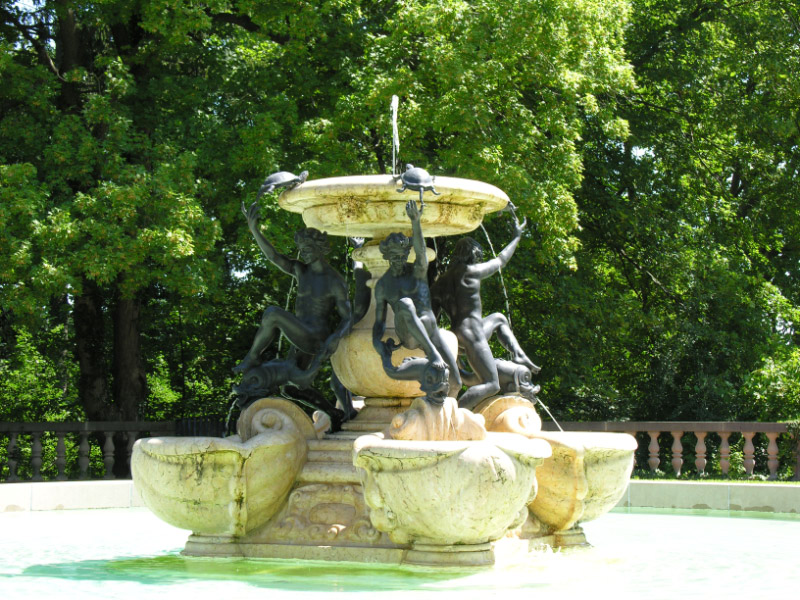
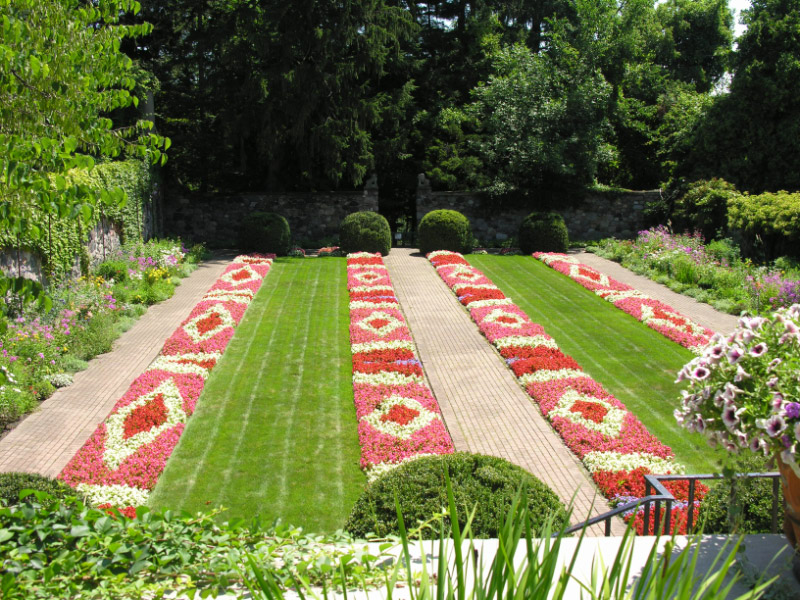
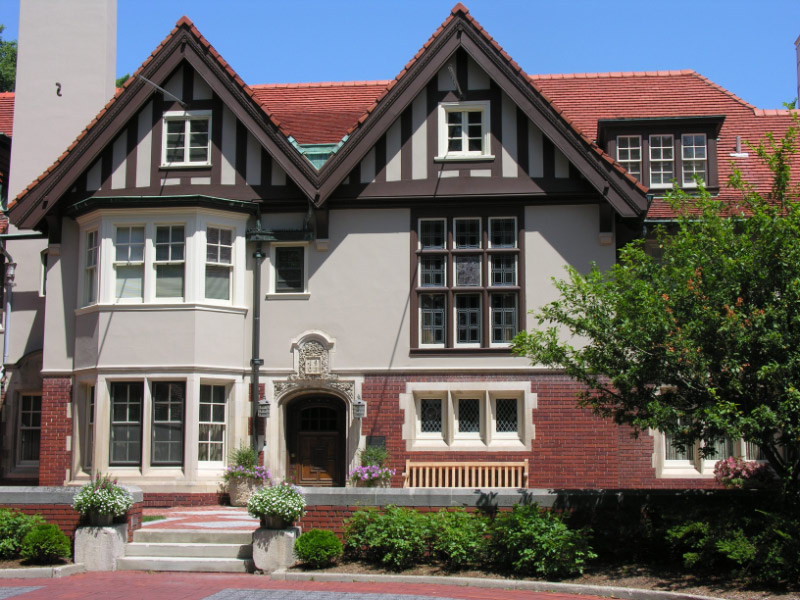
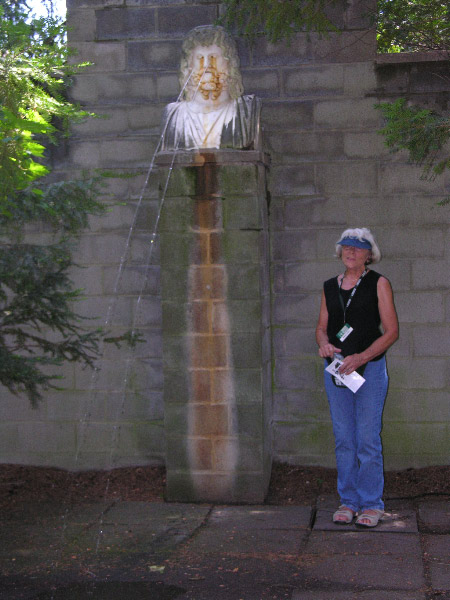
Photos by Sandy O’Connell & Jennie Stanger:
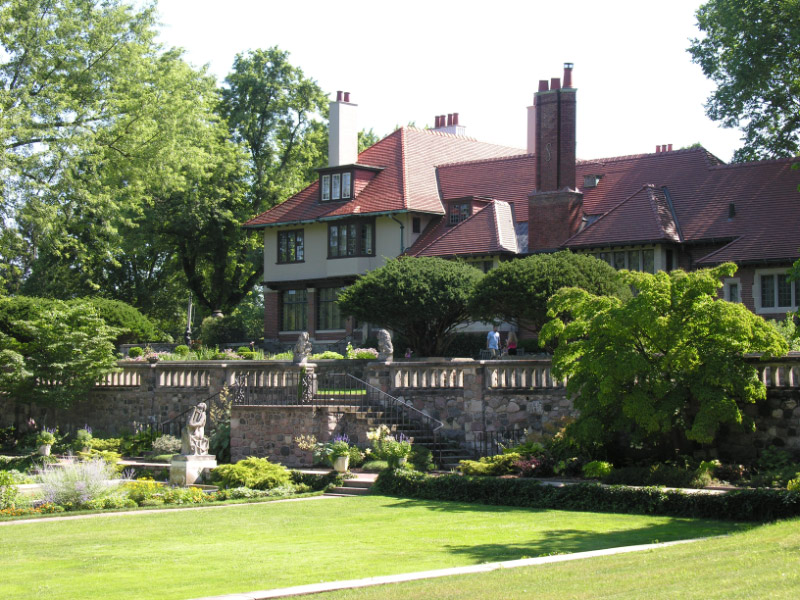
We had a really excellent docent at Cranbrook, with lots of interesting tidbits and background about the family, art and architechture, but she did not pretend to be a horticulturist and welcomed our comments on the plants. Among us we came up with several plant ID’s like the Bottlebrush Buckeye blooming near the entrance. 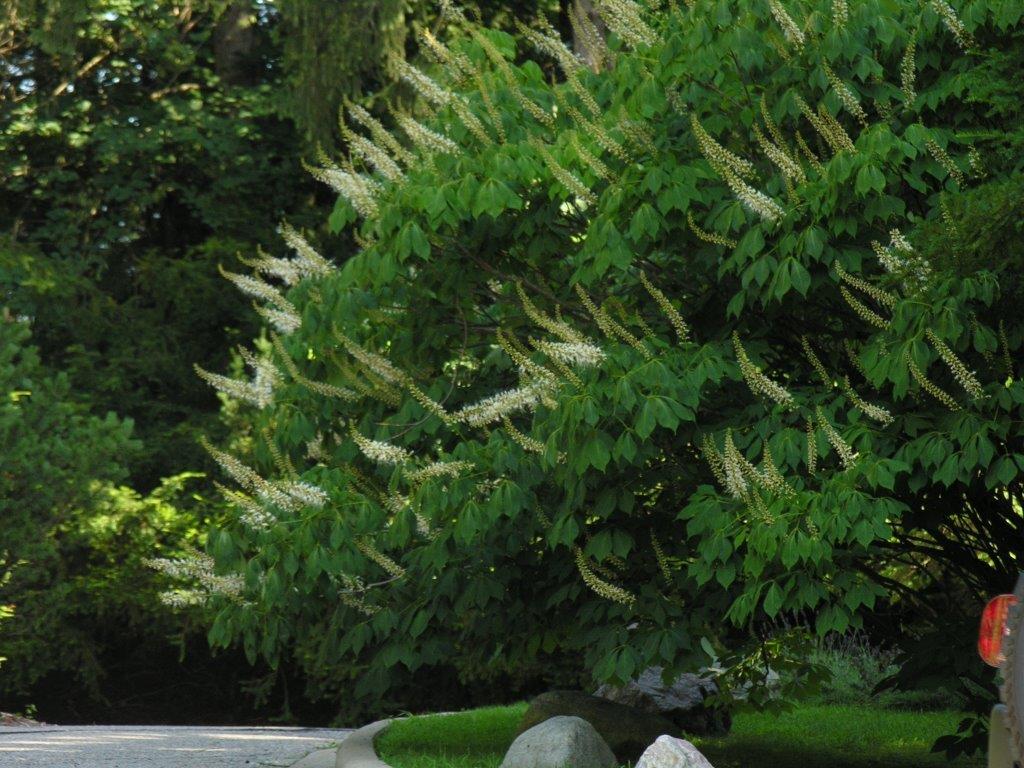 There was a shady walk with excellent uncommon perennials like epimedium and Rodgersia.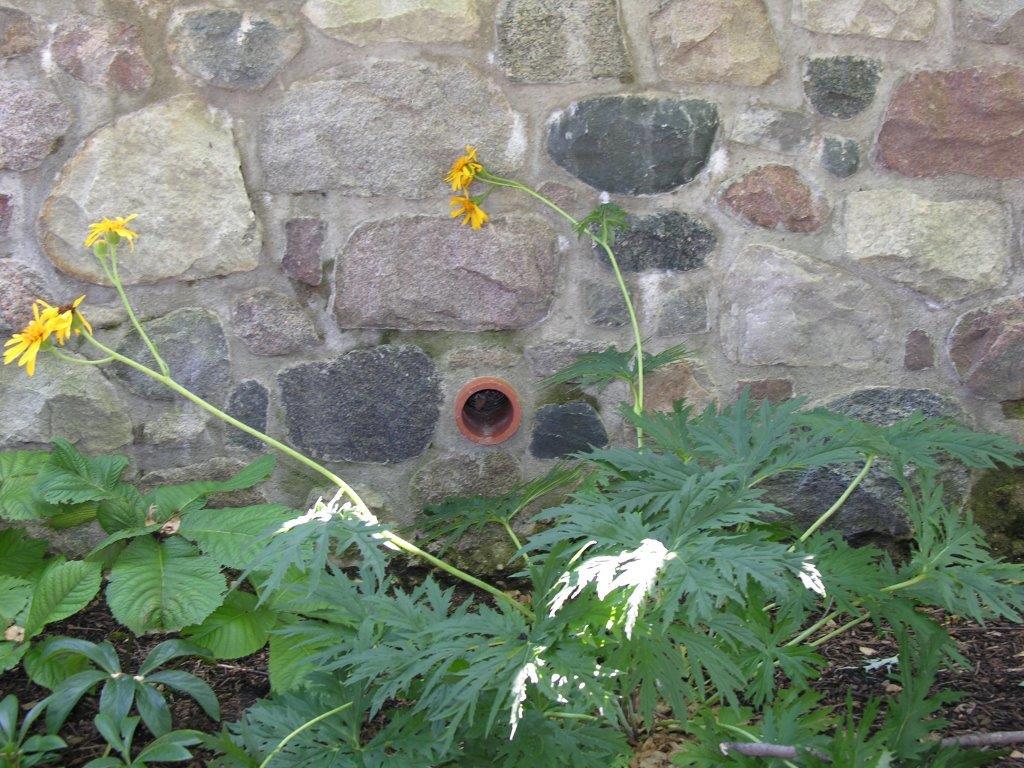
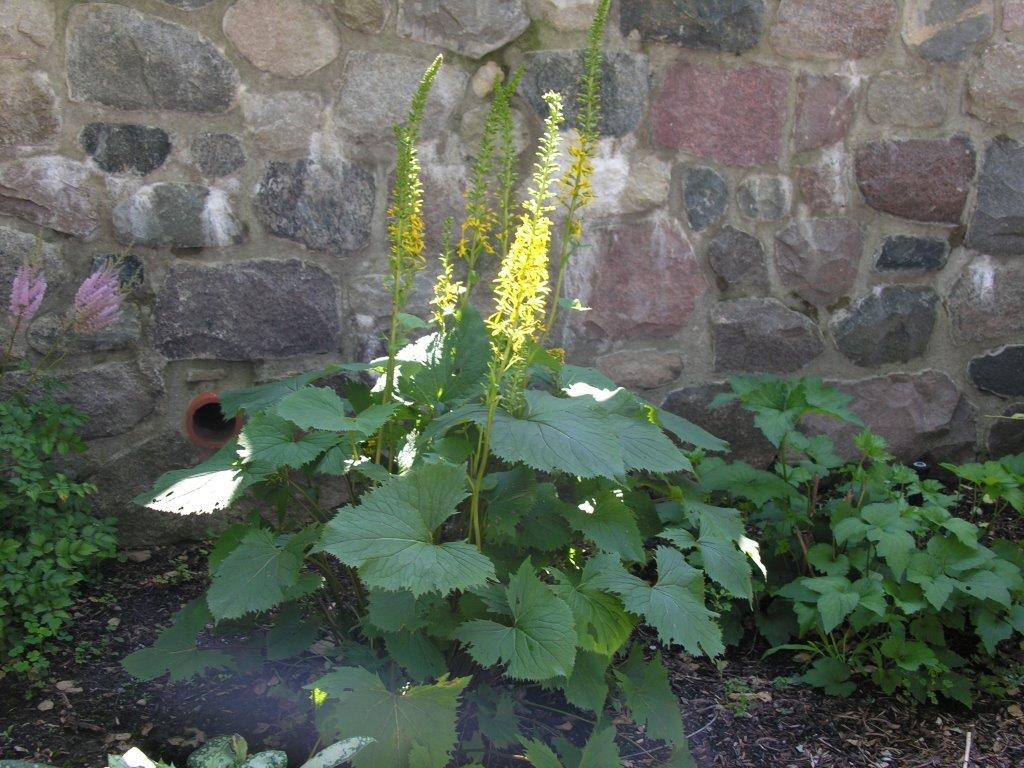
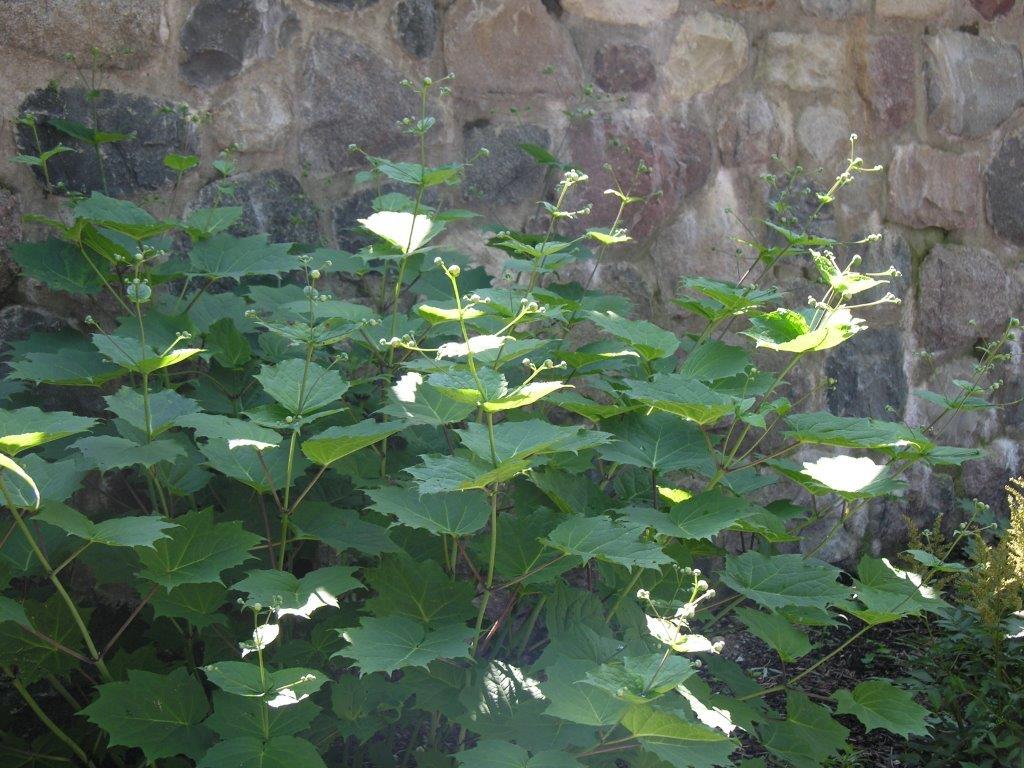 Another large perennial had unfamiliarly large, smooth, deeply cut leaves below some yellow coneflower-like blossoms. Actually we have it in the demo gardens but there it gets much taller and less dark green due to more sunshine. There was a Ligularia similar to ‘The Rocket’, and some lovely maple-shaped foliage with tiny buds that stumped us. In the sunken garden there was another plant that stumped everyone and a real puzzler of a woody plant the docent was hoping we could ID for her. The perennial was like a small iris in its bud and delicate cream-colored blossom but the flowers were wilted enough their shape was not clear, and the foliage was more like a spiderwort or dayflower.
 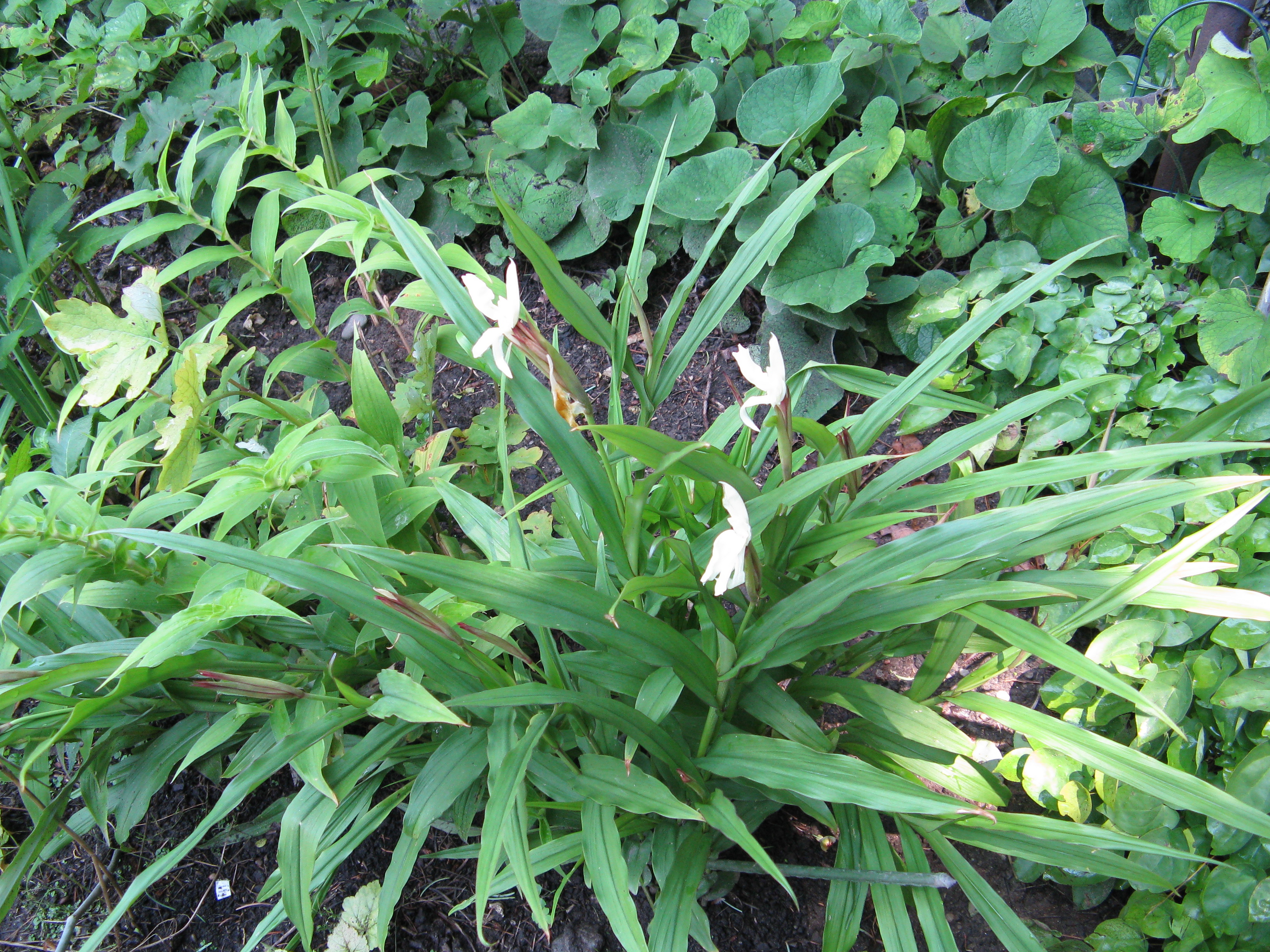 We thought it might be a hardy orchid like Bletilla. Later, Sandy O’Connell was able to identify both the mapley foliage and the sunken garden perennial. She and I are still working on the woody plant and seeking help from our friends in horticulture.
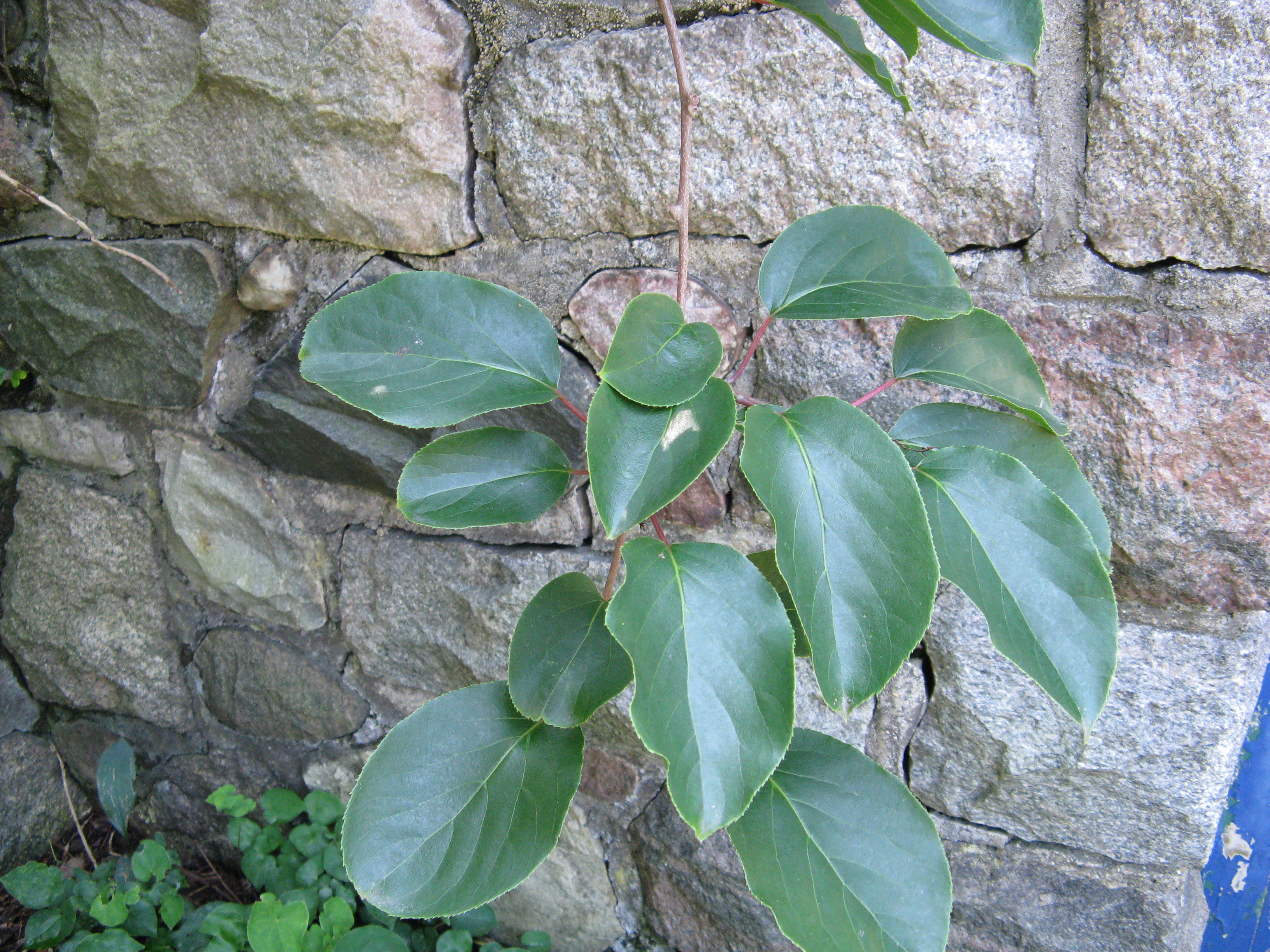
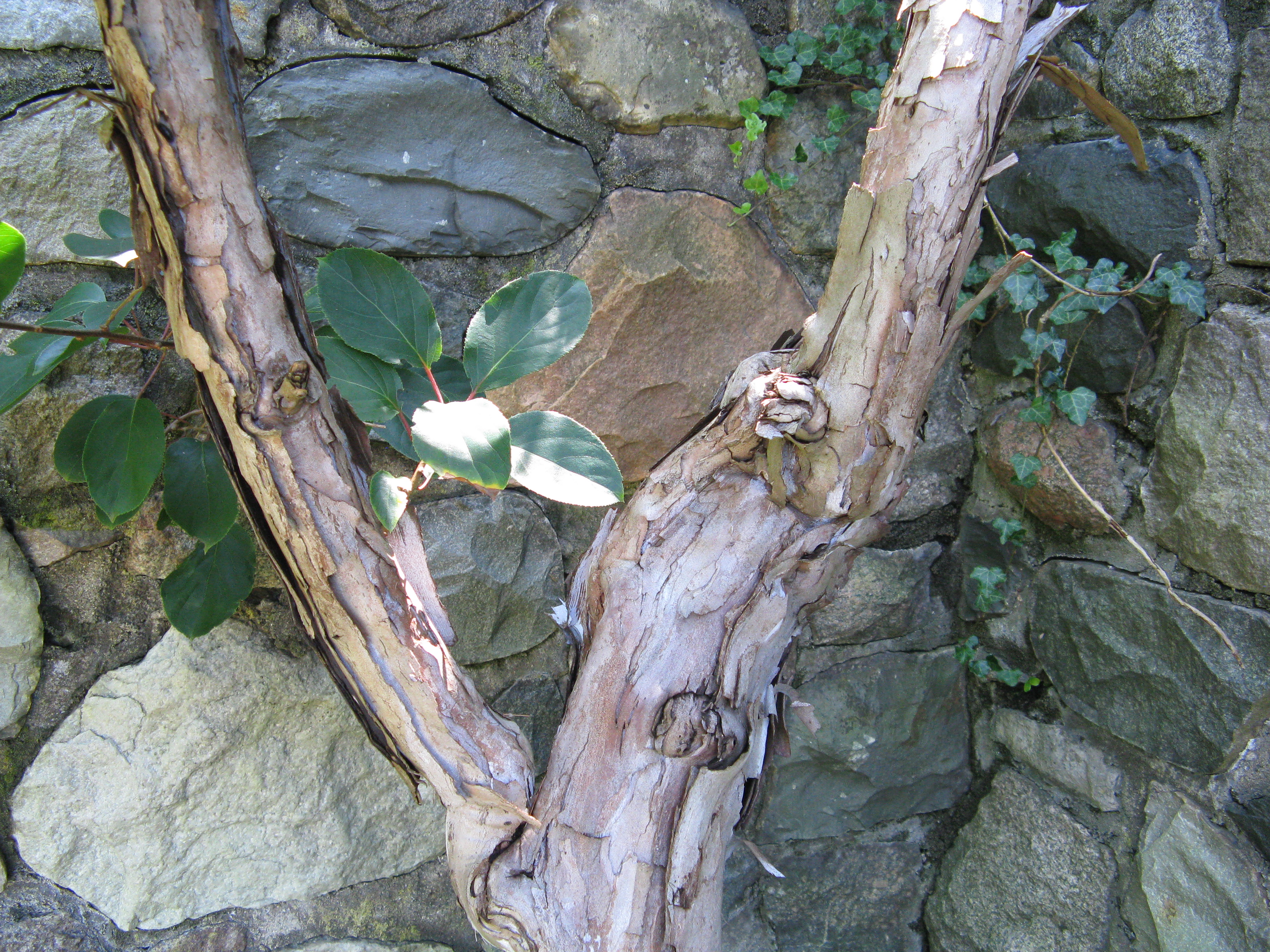
Attached are photos of the “orchid” that turned out to be Roscoea..a Chinese Wild Ginger, and the mystery woody plant that might be an old, old climber, or a shrub or small tree. It might be something that is not typically hardy here, because the stone wall of the sunken garden would offer great winter protection. If I had that spot I would grow a fig in it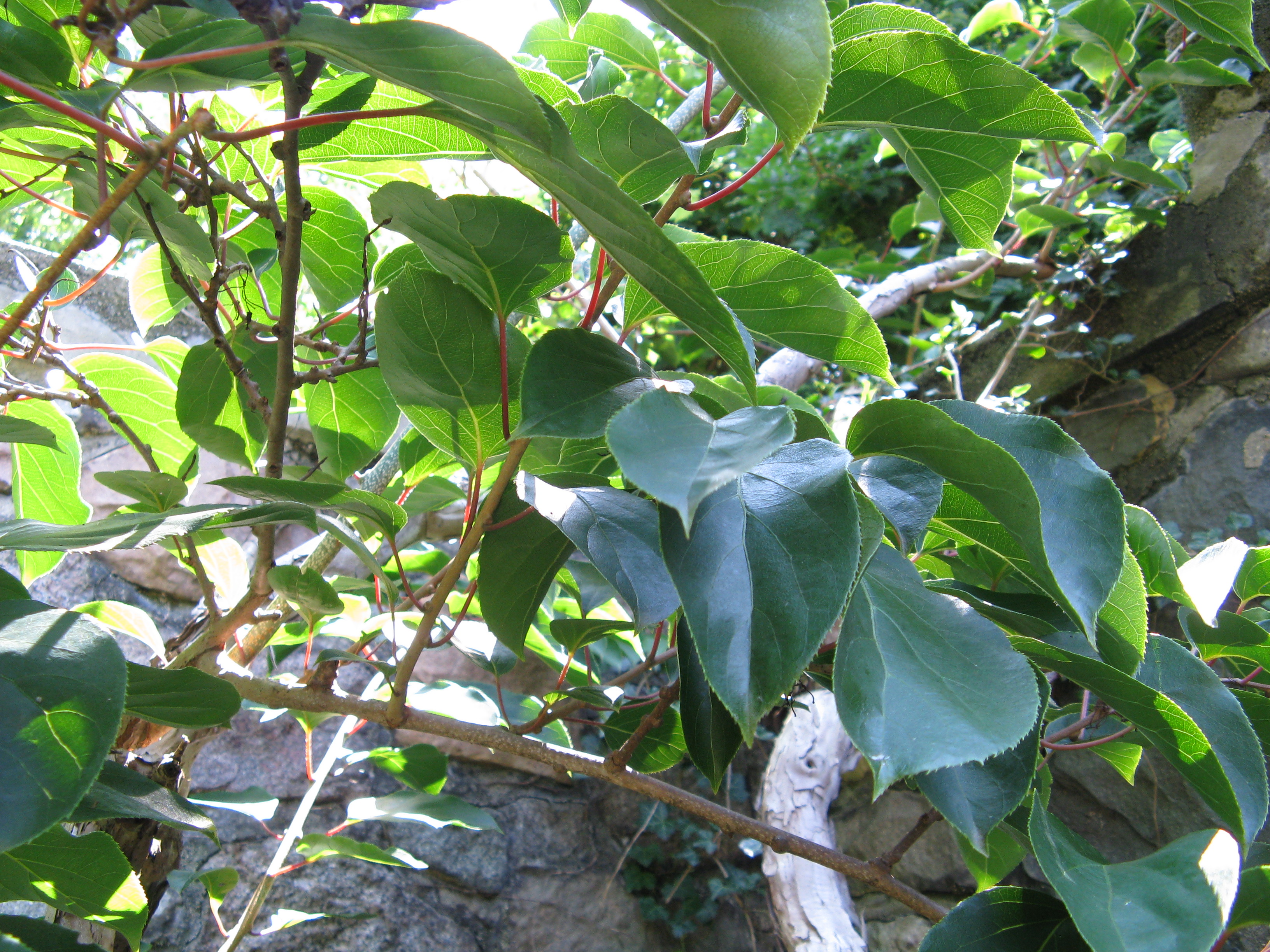
 .
.
Posted in Uncategorized | Leave a Comment »
Jennie sent me this site to view. It’s a great site to share with all the Master Gardeners. Not only are there some amazing Photographs of topiary, but it’s a very interesting article. The textures of the planting materials bring each topiary to life. Enjoy…just click on the link below:
Posted in Uncategorized | Leave a Comment »
1994 was the year that the Bedford Flower and Garden Club began. Today they have over 50 members. It began with a small group of avid garden lovers meeting at the Bedford Library. They still meet in that location.
The club has an annual garden walk. This year it will be on July 13th. It will begin at the library at 9:00. Presentation will be given on Vertical Gardening at 10:30am and Invasive and Native Plants at 1:30pm. Both presentation are by our Monroe County Master Gardeners. These presentation will qualify for educational hours. They also have a “Backyard Boutique” that will feature fairy gardens, decorating items for the home, unique bird baths and hand crafted garden art made by Garden Club members; They also have books and magazines. For more information contact Tour Coordinator Cindy Skaggs at 419-266-0134 or Garden Club President Jessie Green at 734-847-1054.
They meet the first Wednesday of the Month. The next meeting will be September 4th. You may join them as a guest if you are interested in becoming a member. The meetings are a combination of social time and education. They also have guest speakers who lecture on various garden topics.
You may want to visit their website for additional information. Here is their link: http://bedfordflowerandgardenclub.com/index.html.
Posted in Uncategorized | Leave a Comment »
Eden’s Garden Club also has a WordPress Blog and website. They’ve posted their 2013 Garden tour on it. It will be Sunday, June 23 from 11:00AM – 5:00 PM Rain or Shine. Tickets will be $10.00 and the proceeds will go to St. Mary Organic Garden. It’s also posted on our blog calendar. You can see a great preview of the gardens that will be on their tour. Their website is: http://edensgardenclub.com/.

Blue Star Memorial
It’s great to see some of the preview photos for the tour. A list of the stops on the tour is included with the photos as well as some general info on the gardens. Maps are included as well. Just click on the tab for the Tour 2013. They also show photos from previous Garden Tours. Check out their information. They have members from throughout Monroe County, Michigan. You may want to join their club and volunteer for a few of the projects they work on.
If you are interested in becoming a member contact Charley Bohland via email at: cbohland@chartermi.net
Posted in Uncategorized | Leave a Comment »
Gail sent me a notice to post on our state park activities coming up. I’ve listed it as a link so you may go to the site and check them out!
Posted in Uncategorized | 1 Comment »
From the genus Rubus, the raspberry comes in a multitude of species. The photo is a volunteer plant that popped up three years ago. We were trying to eliminate it by digging it, but it began to grown between the fence and our raised bed vegetable garden. We finally gave up last year and felt, since we never saw any fruit, that it would give us some green on the fence. This year we find it covered with blooms that will fruit. We have no idea of the cultivar. Maybe someone can recognize it after we get the fruit. Various raspberries can be cultivated in zones 3 to 9. Besides being delicious, the raspberry has many nutritional benefits due to its high fiber content. It’s also a great source for vitamin C. The leaves may be used fresh or dried for herbal tea. Planting is usually from canes but caution must be taken since they can be invasive since they sucker. Propagation is done through cuttings placed in moist soil. The raspberries are often eaten by the larvae of some moths and butterflies. I’ll definitely watch for that spotted winged fruit fly that lays its eggs under the skin of the fruit. I’ll inspect the fruit well before we pick and eat.
 The raspberry bush will need to be watered once or twice a week but the session should be thorough. The raspberry bush can handle direct sun but it needs shade also. A raspberry bush is fairly easy to manage and it will make your summer and fall much sweeter.
Posted in Uncategorized | Leave a Comment »
Since today is the official, original Memorial Day; I’d like to post some pictures of the Oriental Poppy. Some of us recall years ago when every corner had a veteran from either the VFW or American Legion selling their poppy flowers for a fund raiser. That is one of the strongest Memorial Day memories I have. My father, a WWII verteran always made sure he purchase them for us to wear. The poppy is in full bloom this time of year.  Papaver orientale is hard from Zone 3 to 8. It usually will achieve a height and spread of 1 foot to 3 foot. Although it loves full sun, it grows very well in my dappled shade locations.
 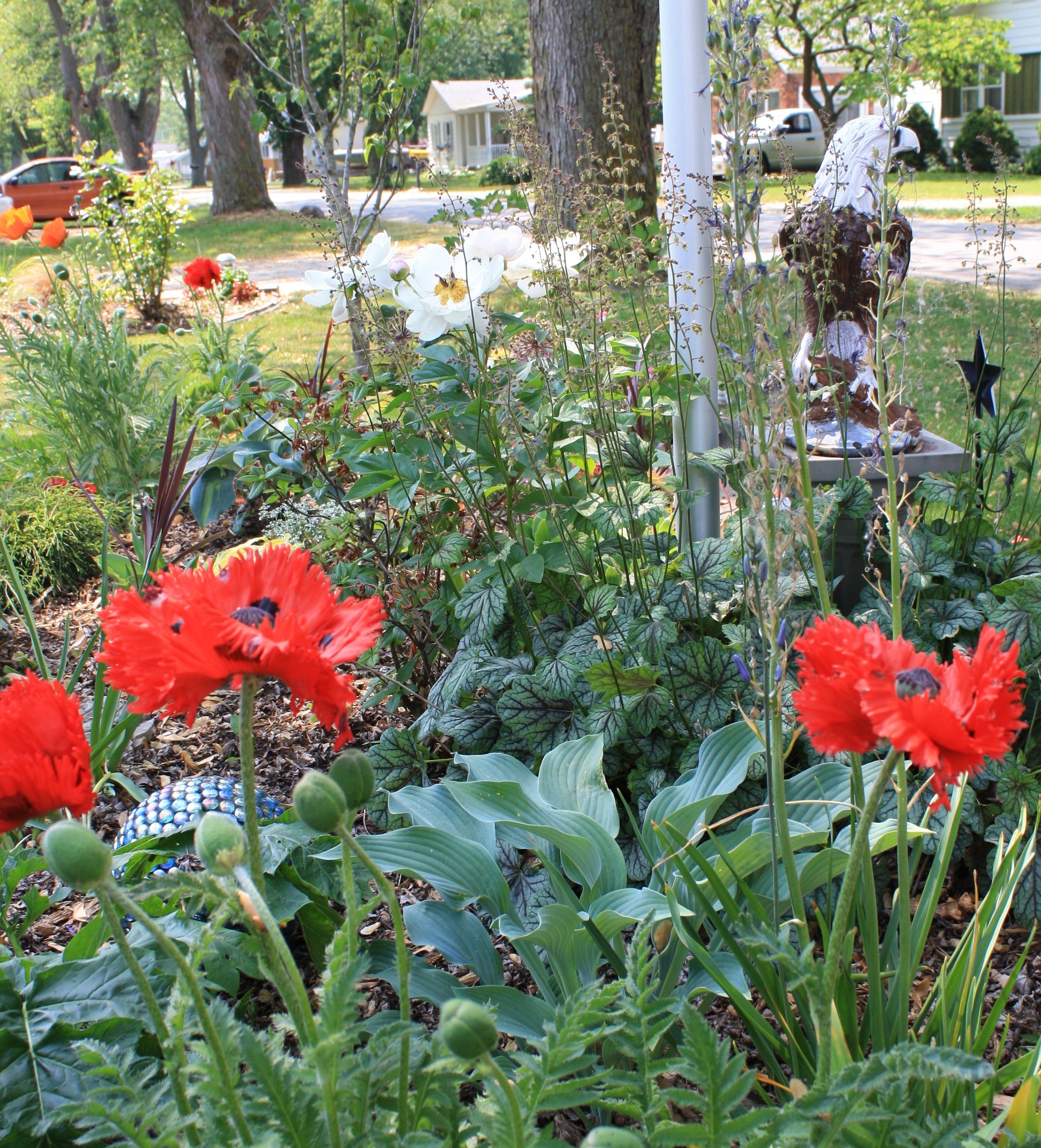 Not long after blooming and setting seed the foliage will die back. It’s good to plant a companion there to take over the bare space it will leave. It again shows some foliage in the fall, but begins its new grown the following spring. These poppies don’t take kindly to transplanting. It’s a challenge, since they die back so soon. You will have better luck early spring or waiting and sewing their seeds the next year after last frost has occurred.
  There is a large range of colors, including white, pink, salmon, maroon, plum and the more popular scarlet-orange. So included are a few photos from my collection planted as a tribute to those who have served our country.
Posted in Uncategorized | 1 Comment »

 Monroe County Master Gardener Association