Feeds:
Posts
Comments

Foto Friday

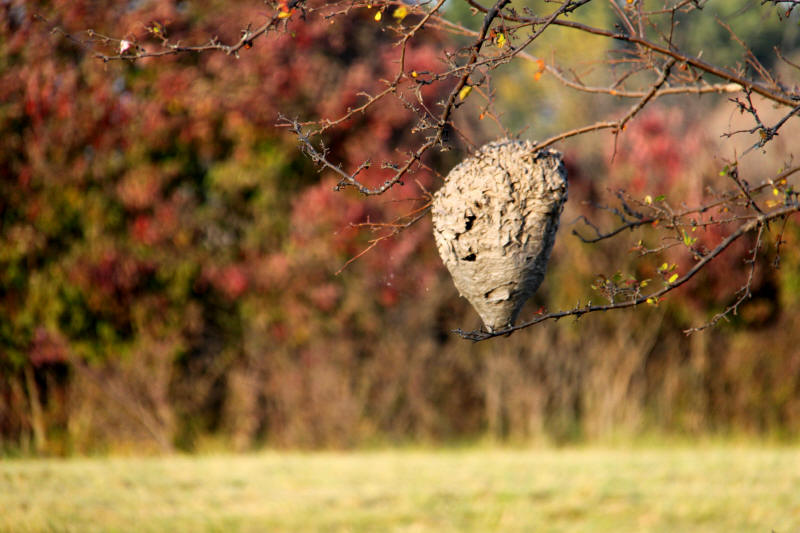
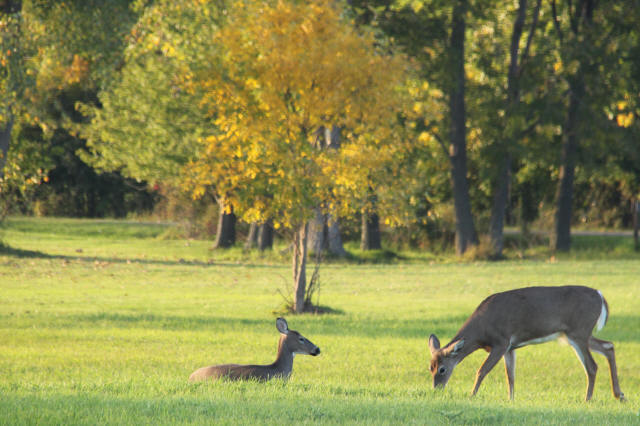
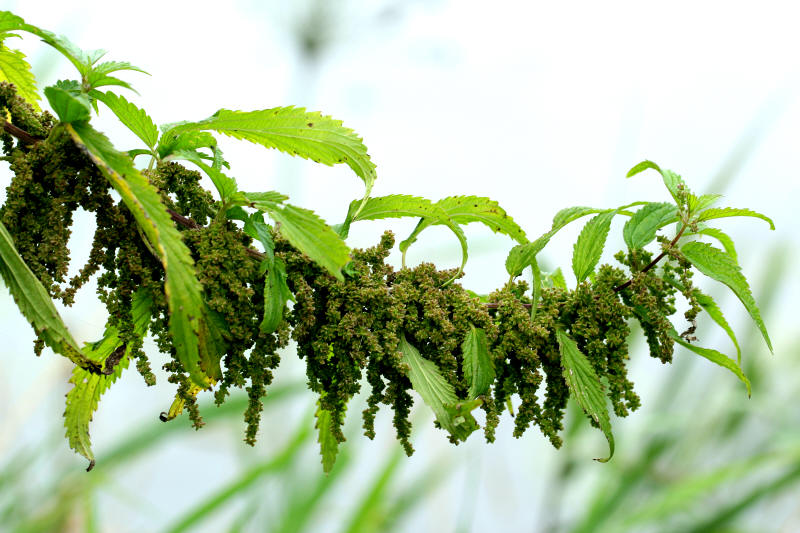
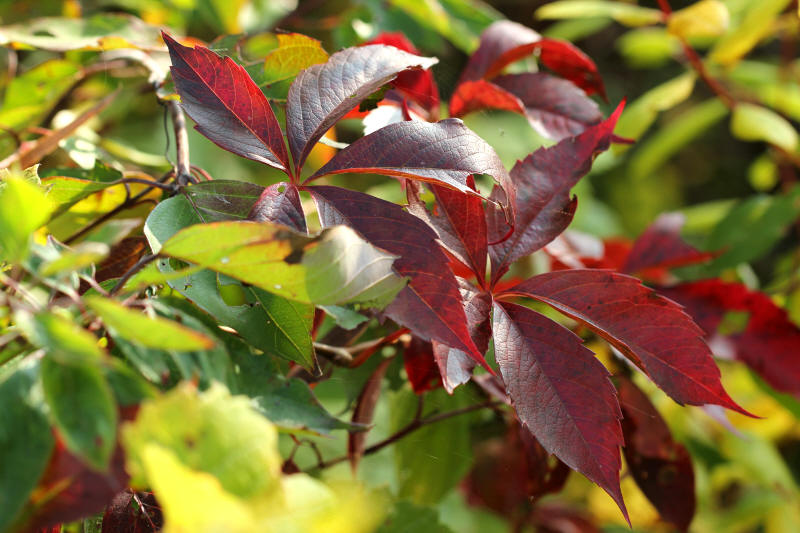
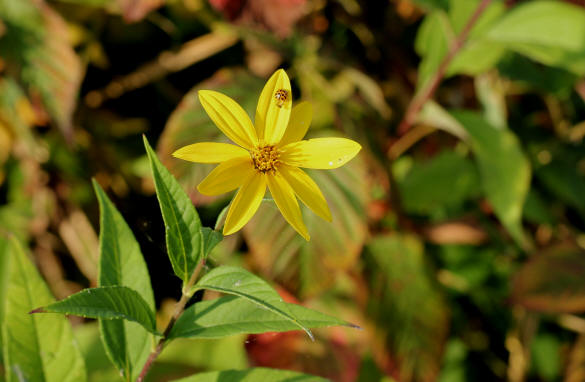
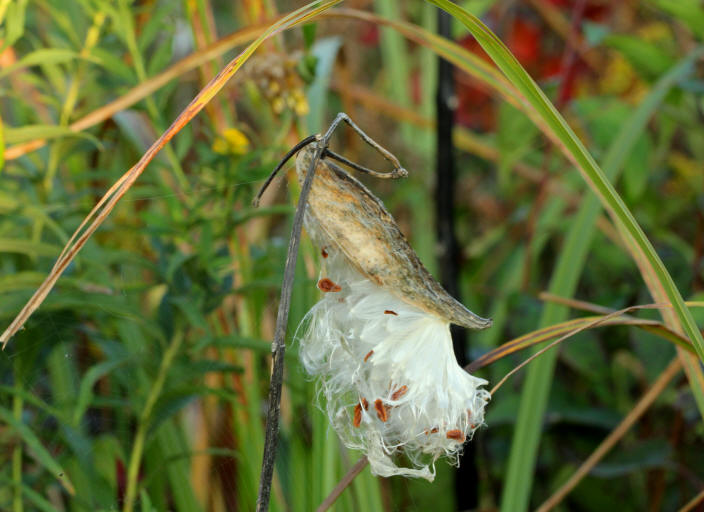
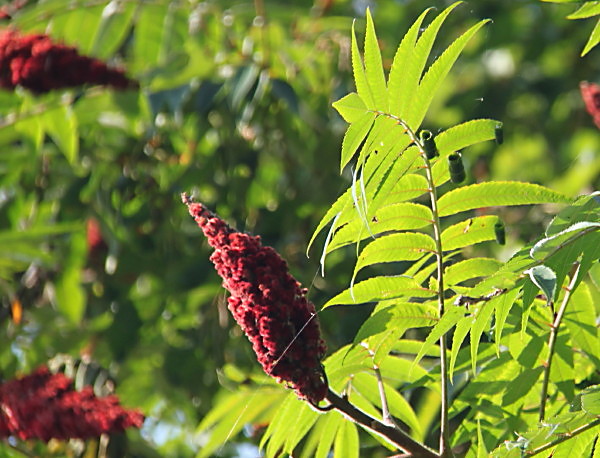
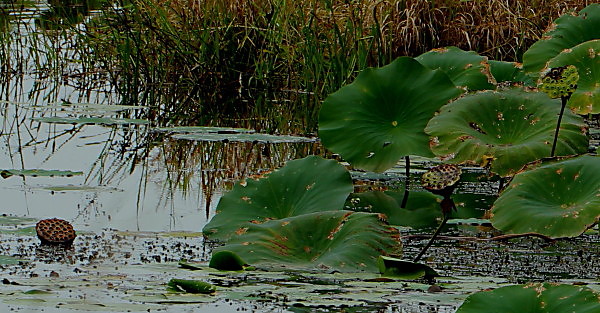
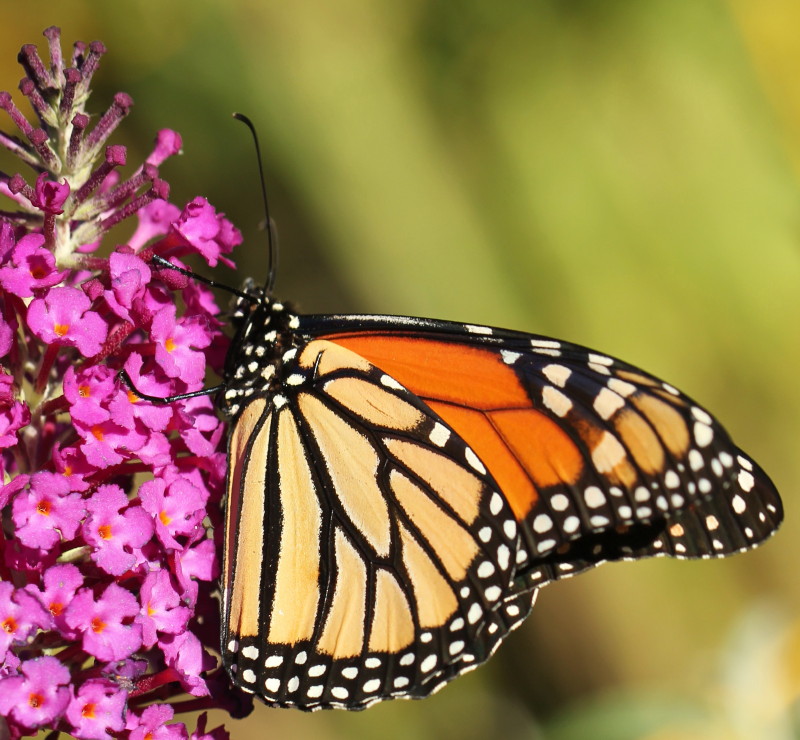
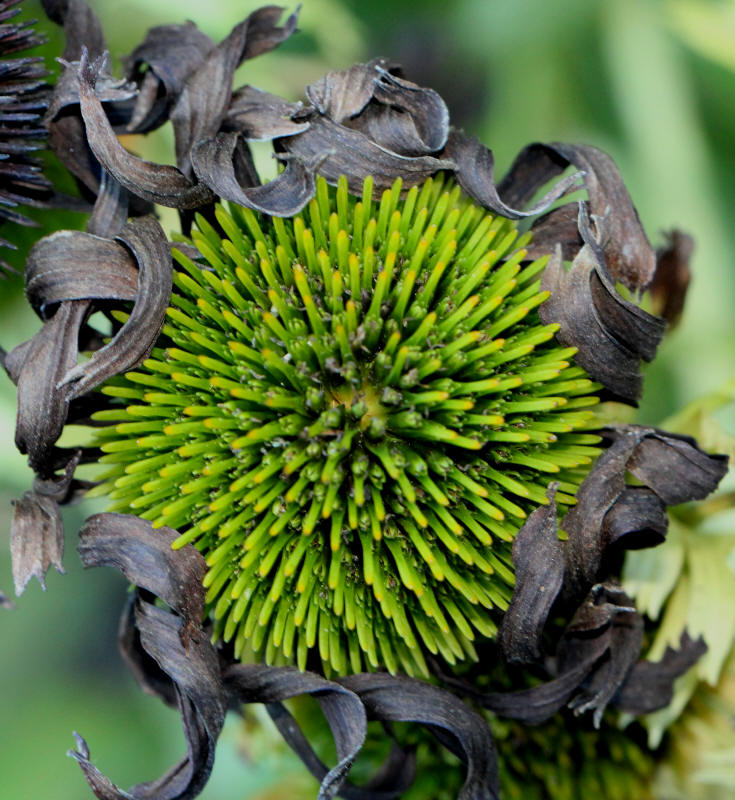
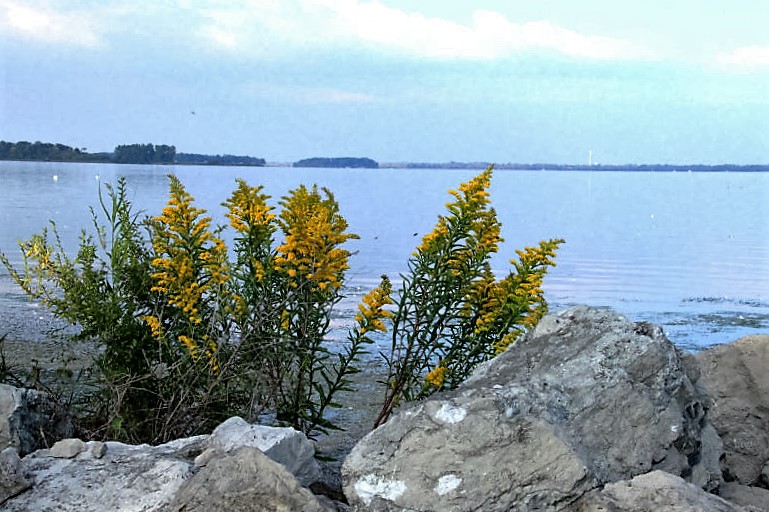
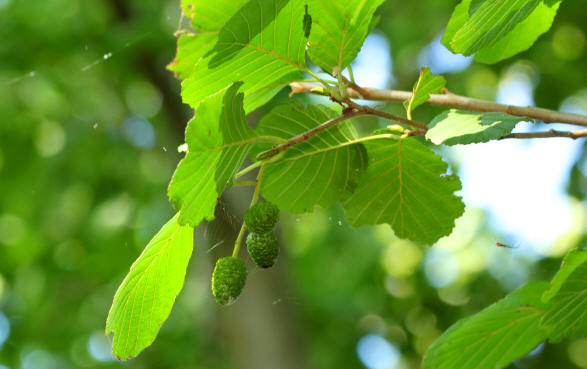
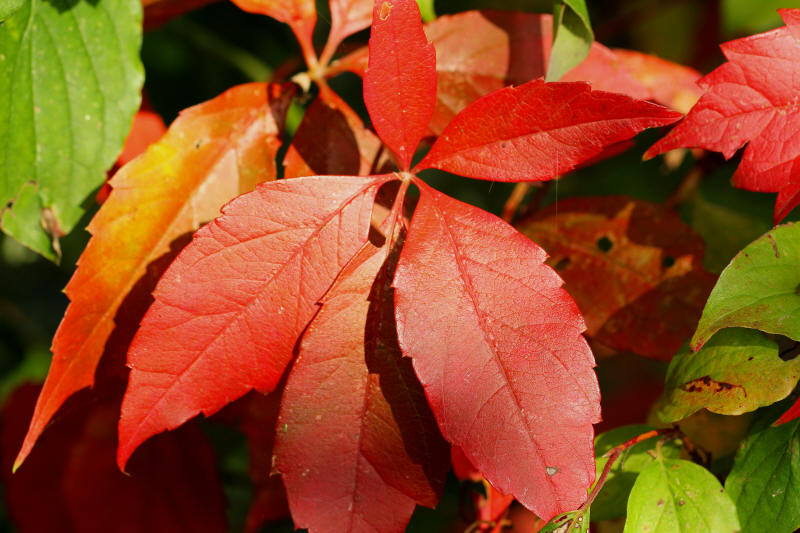
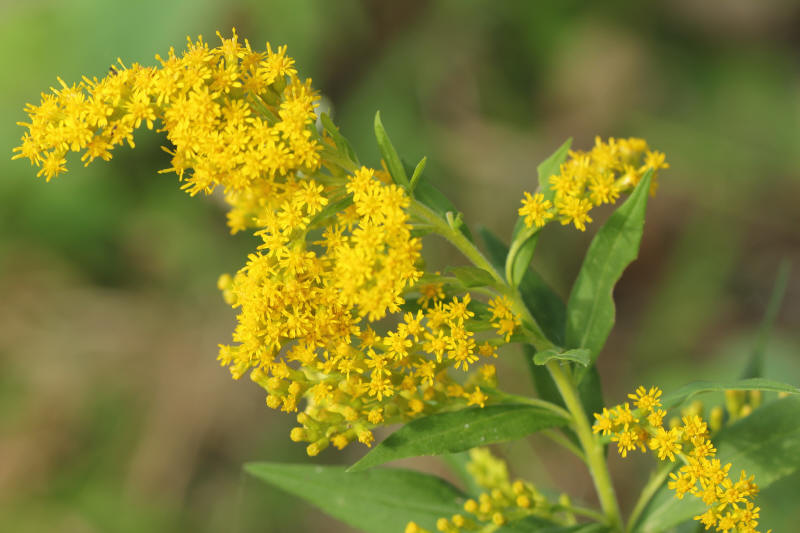
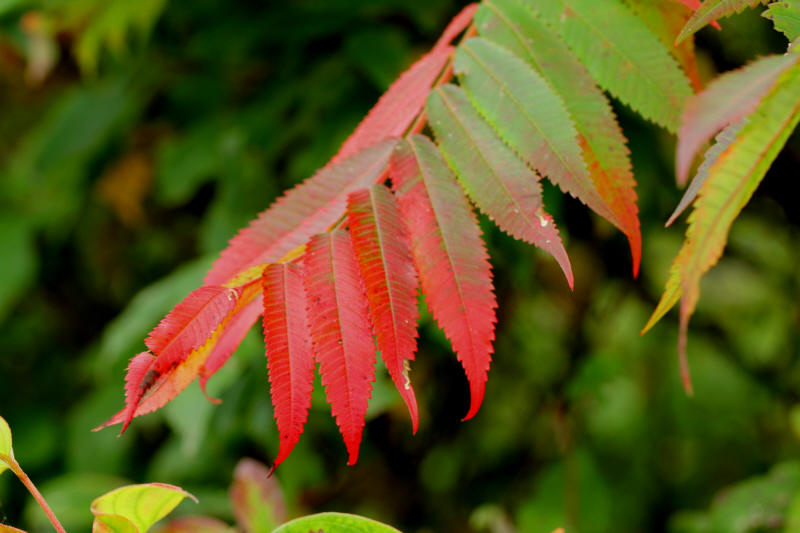
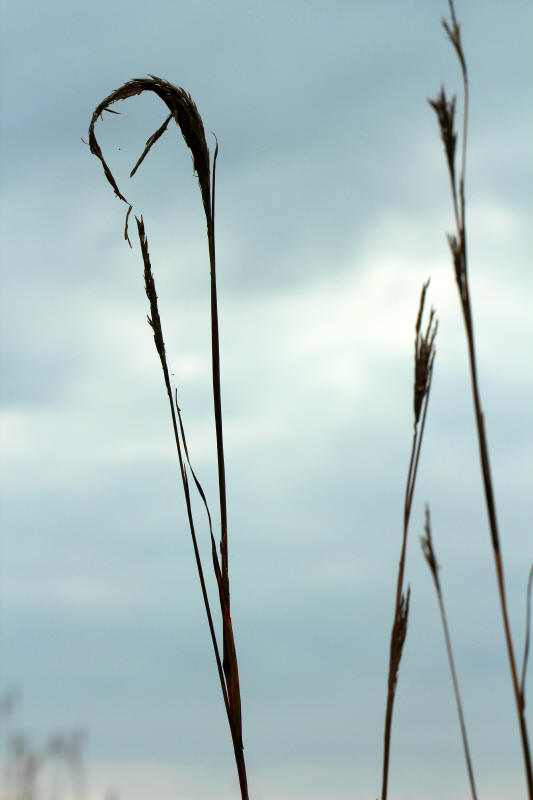
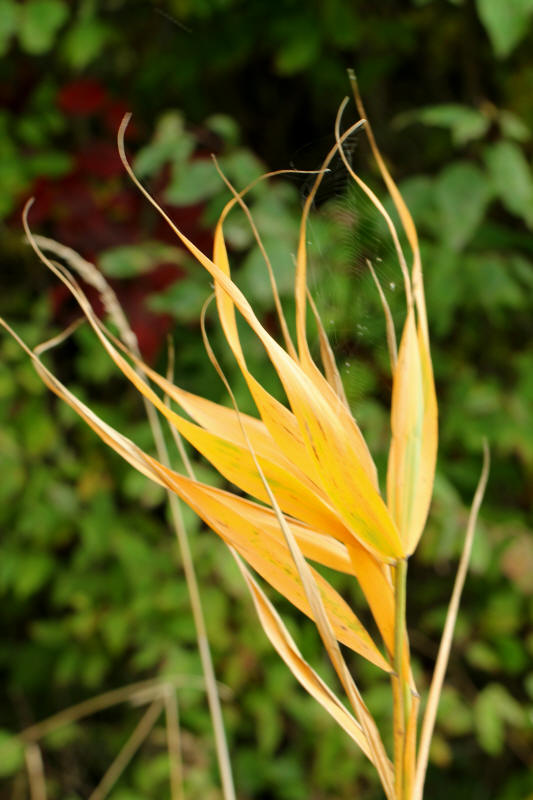
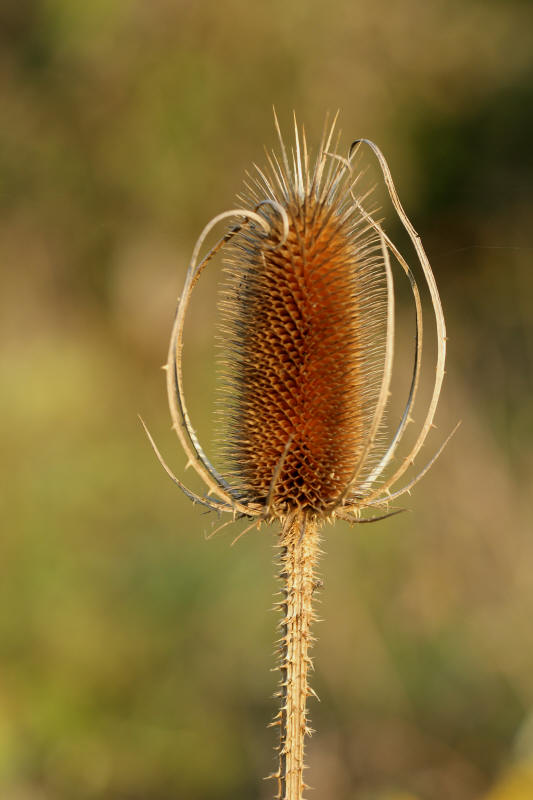
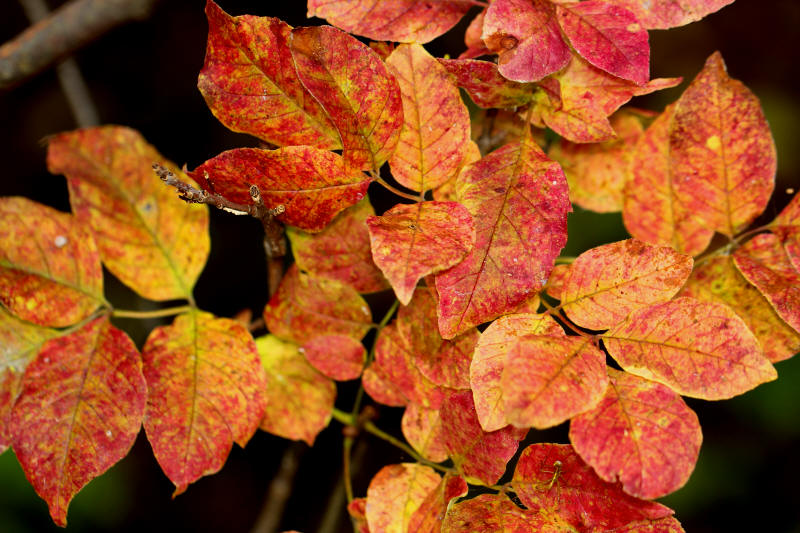
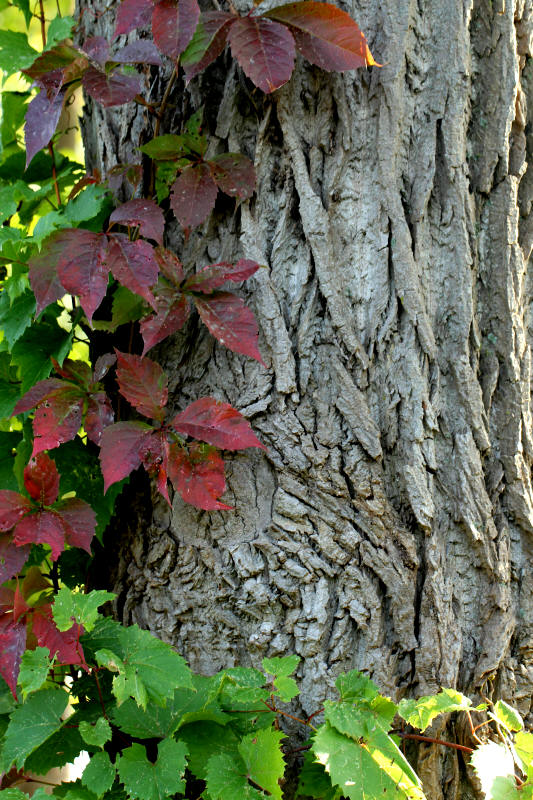
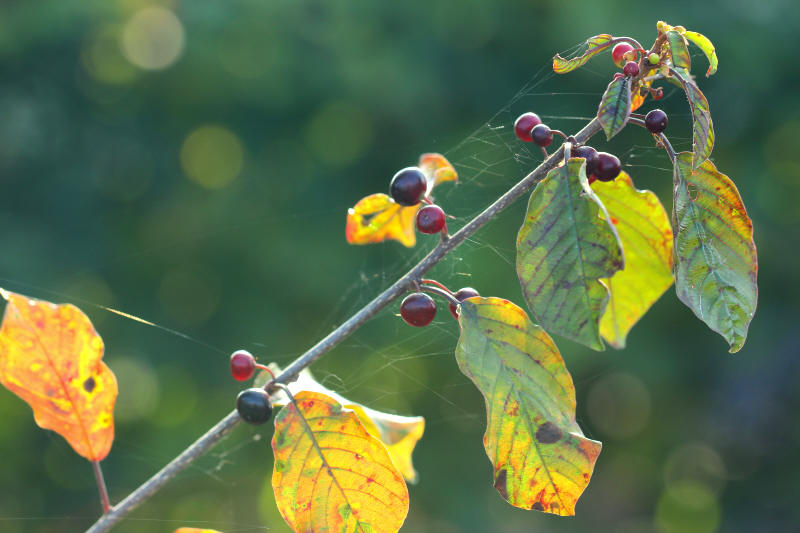
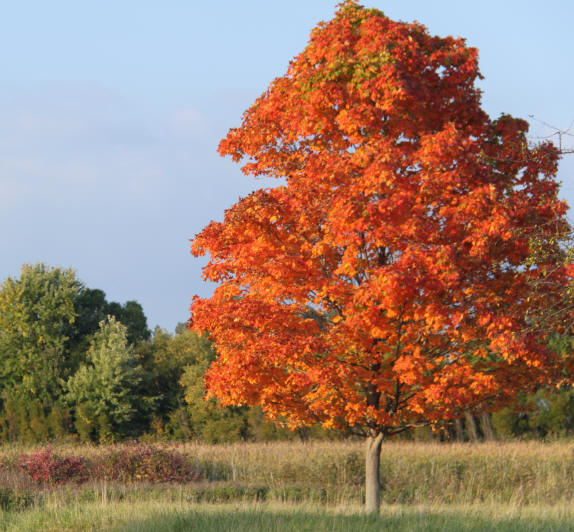
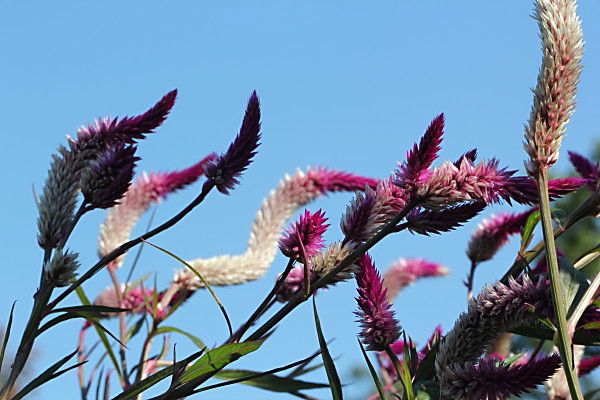
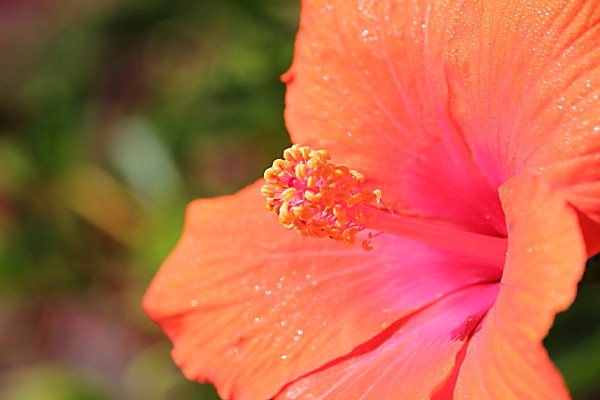
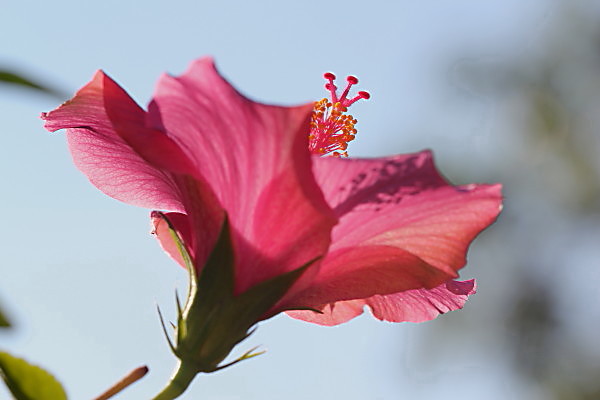
What a great selection of Foto Friday pictures sent to me this week…Enjoy…there is some beautiful color out there!

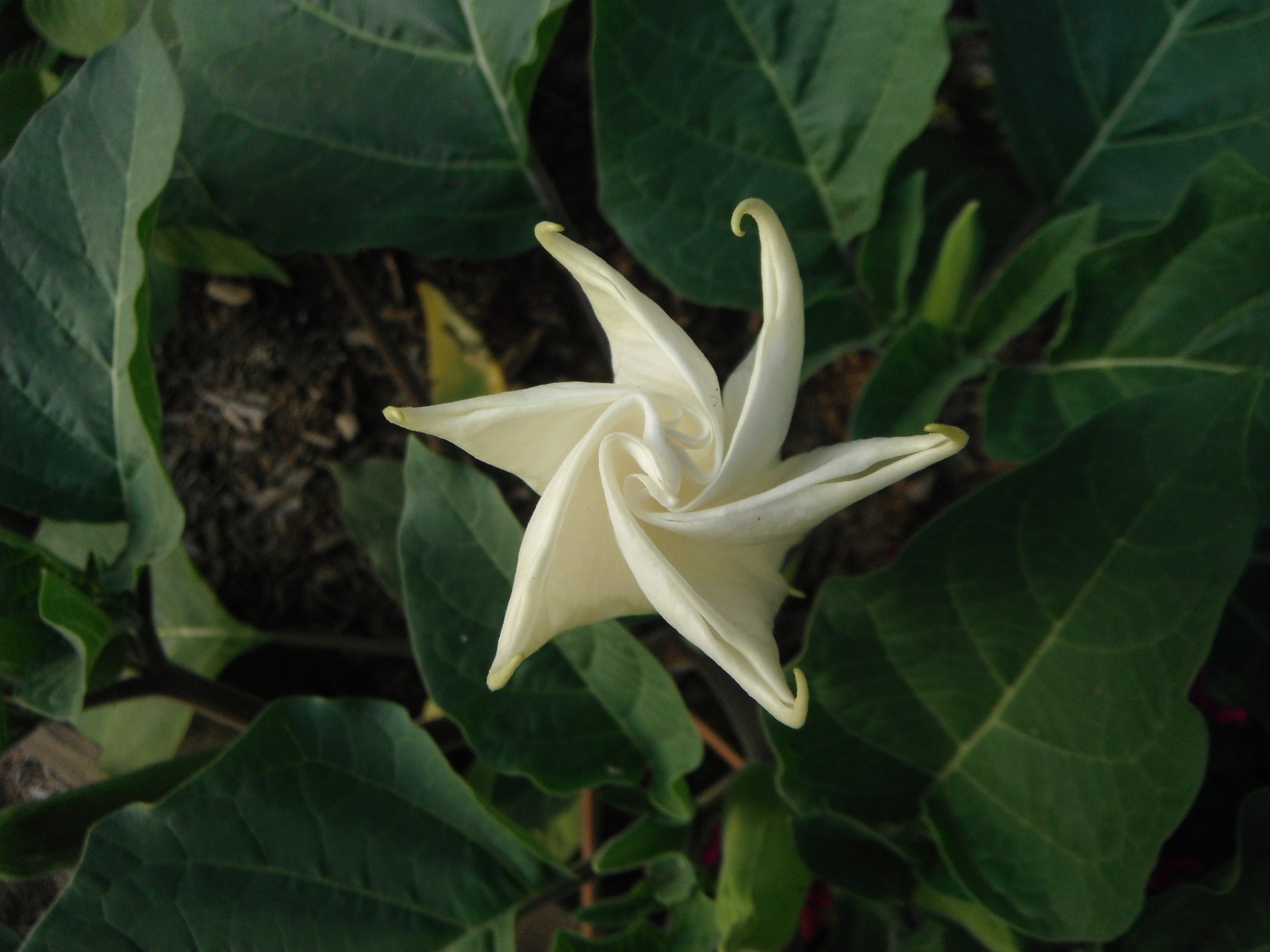
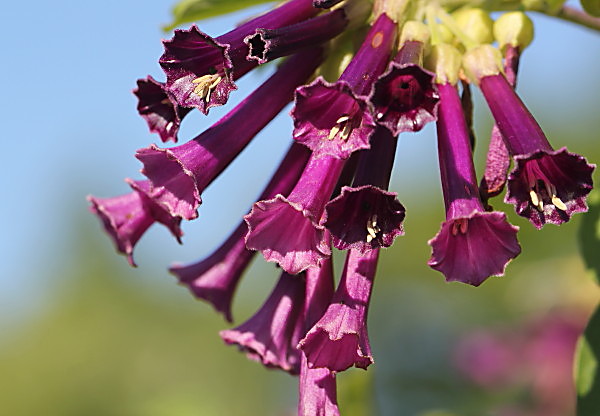
Jennie sent me this photo. Her sister photographed this unopened flower commonly grown here but rare in Vermont where she lives. Can you recognize it?

daturabud

IMG_0005J

IMG_0006J IMG_0010J IMG_0015J IMG_0020J IMG_0026J

IMG_0300TEU IMG_0753TBEU


IMG_0001_1 IMG_0001_2 IMG_0003J IMG_0013J IMG_0021J IMG_0023J IMG_0024J IMG__0297TEU


Yellow Jackets

yellow jacketYellow Jackets are particularly a problem for us during August through now. I’ve been trying to control two nest under my deck at our camper. They’ve built their home in the ground. As suggested by sites on the yellow jackets, I’ve used a wasp spray to spray the opening. I’ve sprayed several time…no doubt there must be hundreds there, because I still see them going in and out of the ground opening. I’ve also set wasp traps out. These have helped by luring them away from our picnic area. Although many have met their demise, the nest is still active. I am not sensitive to their sting. However I have a friend that is extremely allergic. One happy note…by now the nests have produced a crop of queens and males. By the first frost most will leave the nest and find a wintering spot. They’ll emerge in the spring, but only the new queens will survive the winter. They seldom return and reuse the previous nest. That’s my hope for Spring.
Fall Foto Friday

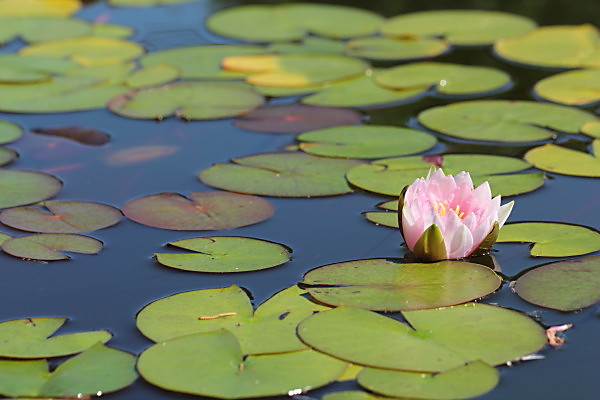
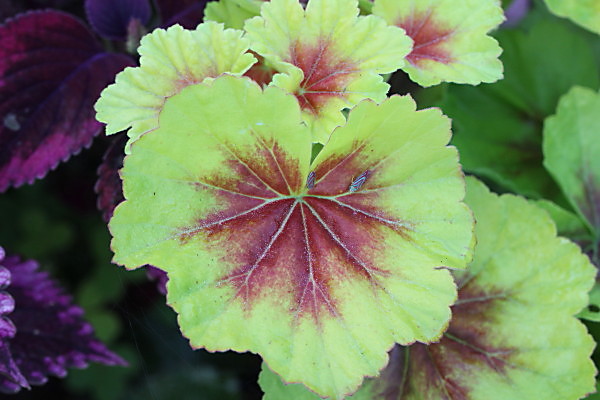
Was sent a large selection of Fall Foto Friday Photos….sound like a tongue twister. Enjoy the beautiful photos sent by a great Master Gardener (and photographer). She says: “EARLY FALL PHOTOS
All photos were taken at Lake Erie Metropark on October 1. You will see spider webs in most of the photos – I even had them on my eye lashes by the time I was done taking all the photos!”

IMG_0018JIMG_0014JIMG_0012JIMG_0009JIMG_0008JIMG_0007JIMG_0027JIMG_0022JIMG_0017JIMG_0016JIMG_0004JIMG_0004J


My Day At The Zoo

Zoo 8EU Zoo 6EU Zoo 4EU Zoo 3TEU Zoo 2EU Zoo 1BEUReceived these photos last week for Foto Friday….However, I was unavailable to post so we’ll make it a “Memorable Monday”

(another excerpt from “What The Master Gardener Sees”)

You were expecting animal photos?


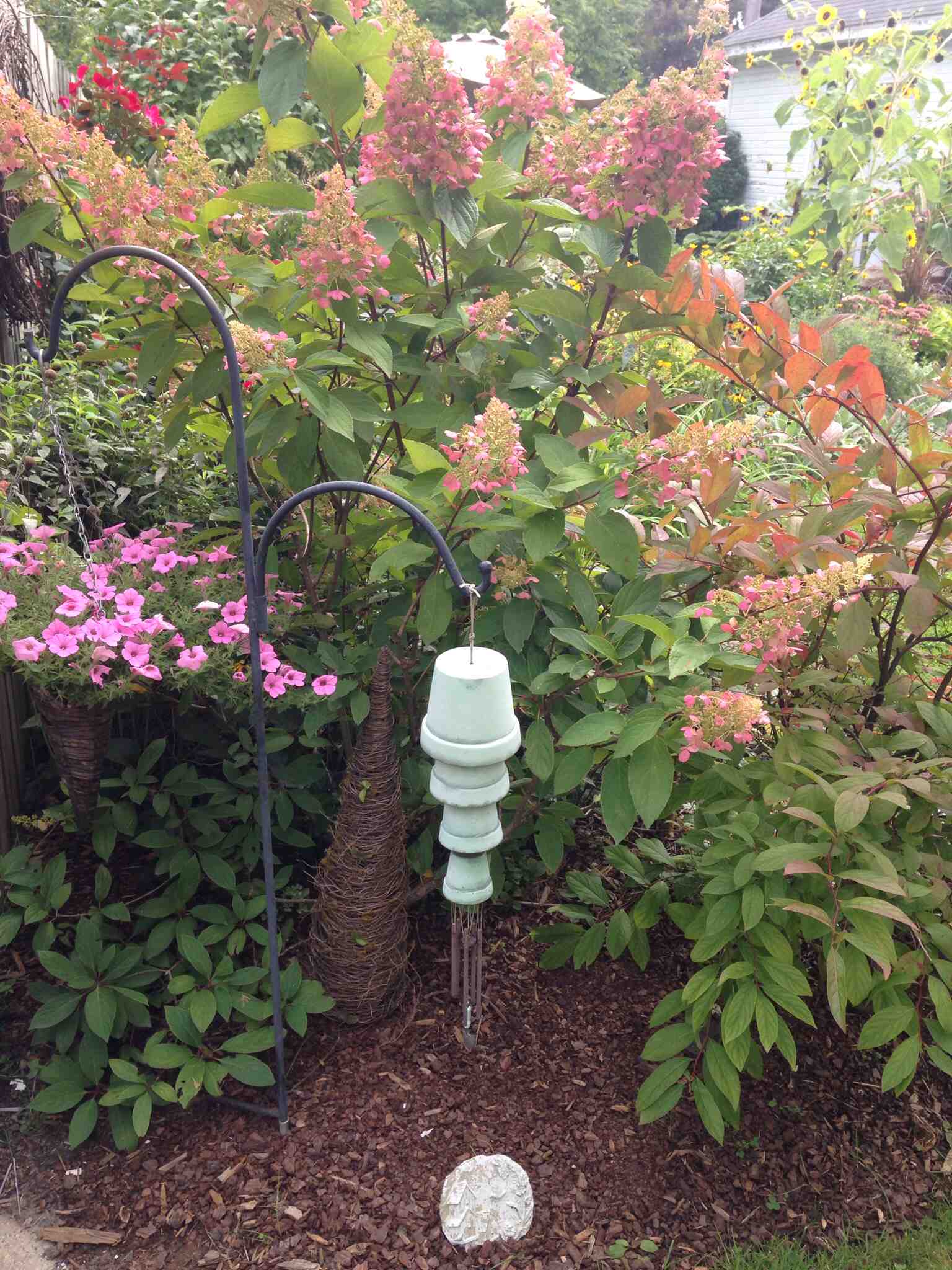
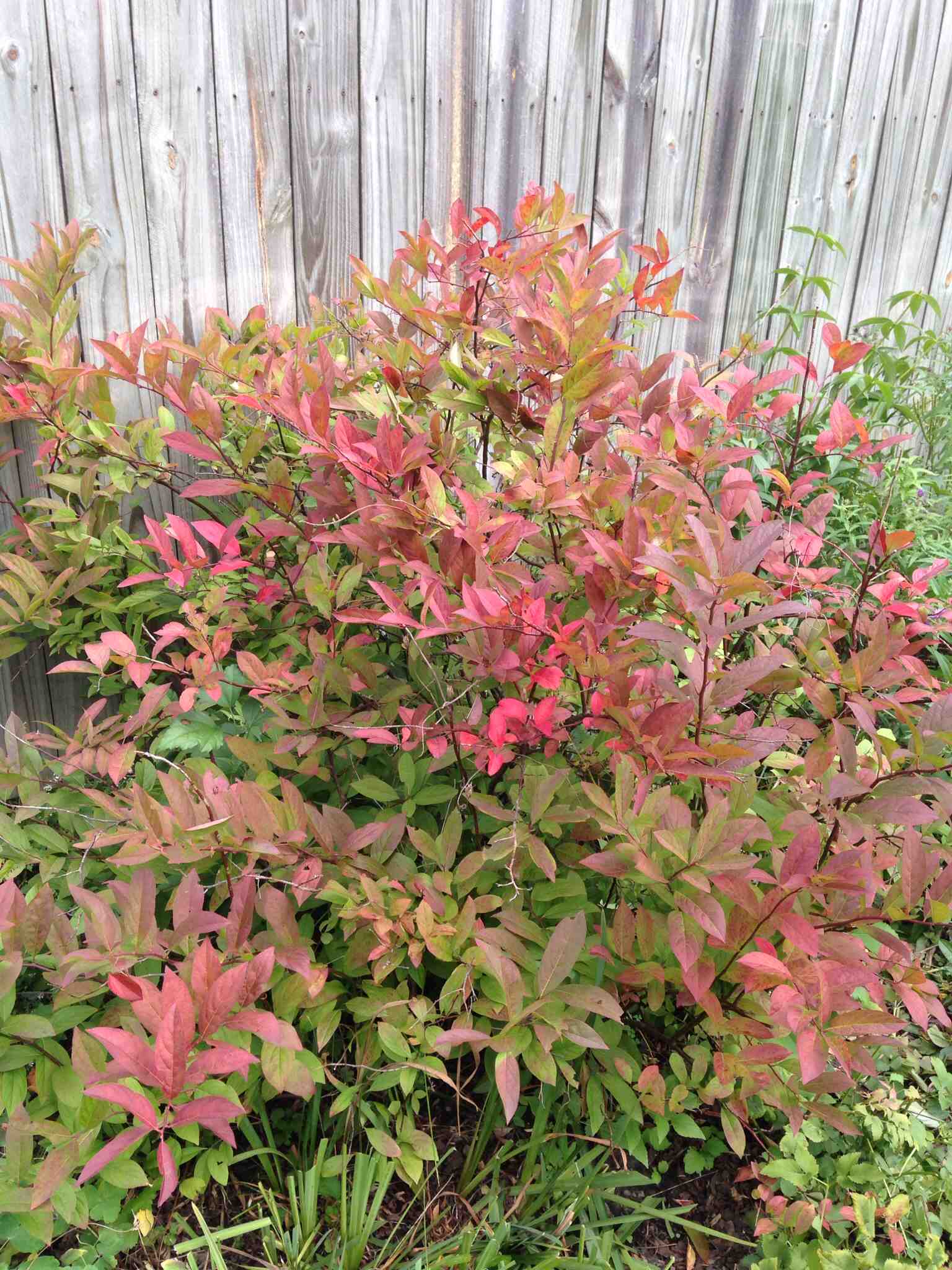
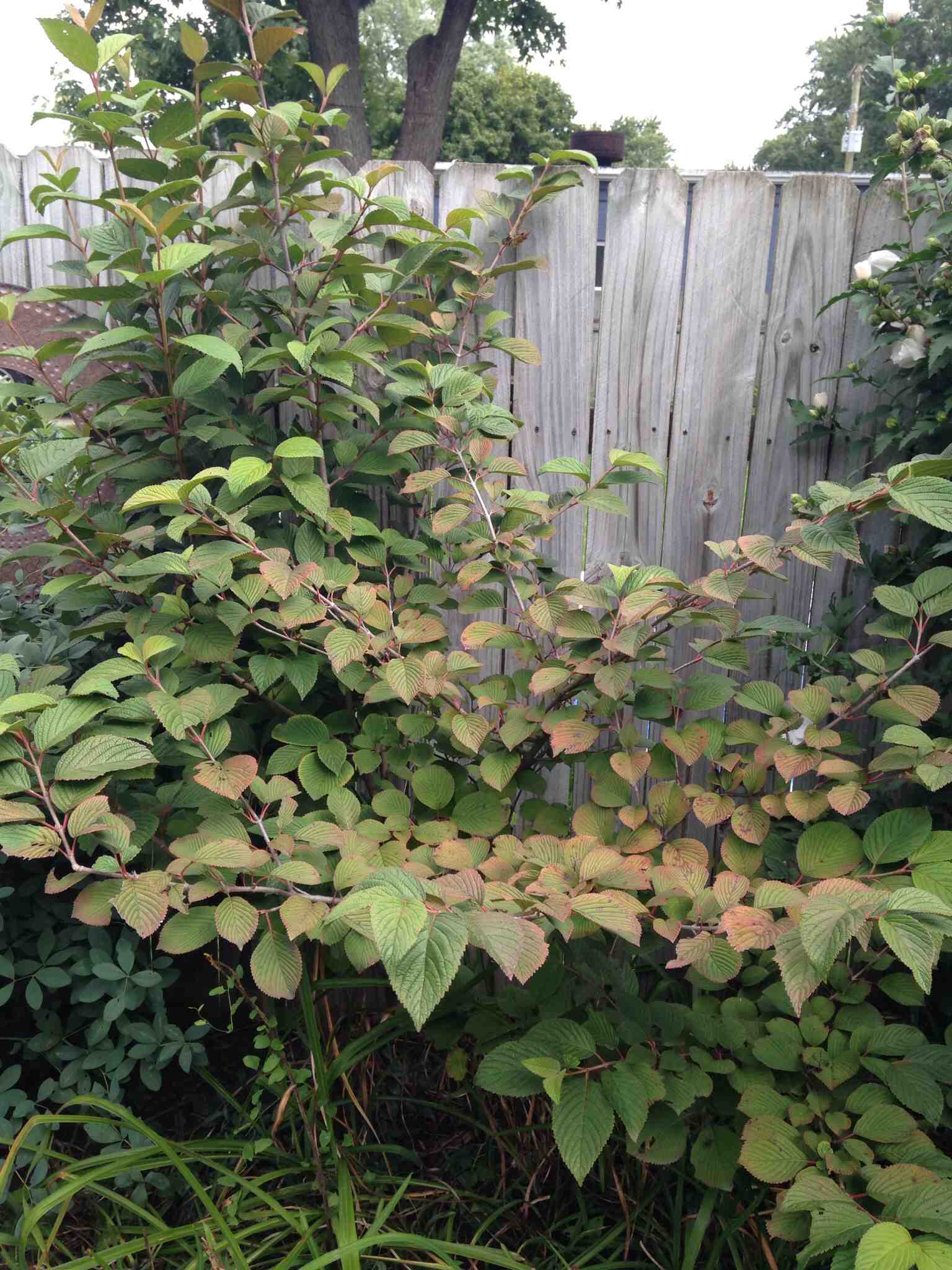
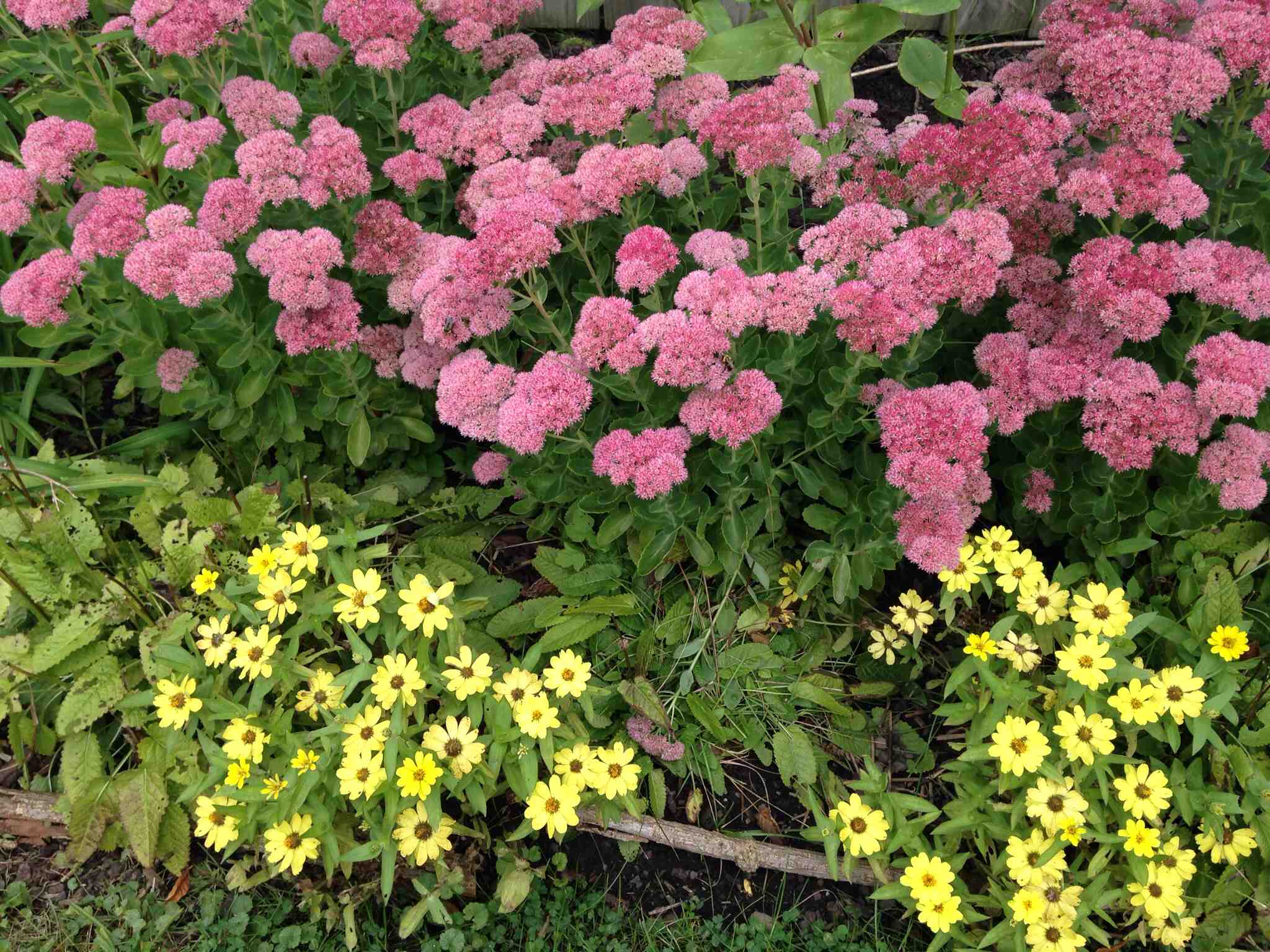
Since fall has to come my garden ahead of the calendar, I was moved to take some pictures that I’d like to share. The first features placement of “Alabama Sunset” coleus with sage and a blooming variety of thyme given to me by middle eastern friends from Dearborn. Other pictures focus on changing colors of Itea and Viburnum, and the beautiful “Pinky Winky” hydrangea. Finally, a pairing of profusion Zinnia with sedum “AutumnJoy”.

Regards,
Chris

IMG_0865 IMG_0866 IMG_0890 IMG_0908 IMG_0896


I received this article to post:

I see them hovering around Coneflower seed heads, then they zip to the Rose of Sharons they used to feast on before those flowers turned to seed. I see them flying up and down the now flowerless Cardinal Flowers, and then they dart to the Coral Bells only to find dinner has been removed from those plants as well. The last few weeks have become quite an adventure for hummingbirds to find the natural nectar food they have become accustomed to for the last several months.

Right now is the most important time to have your hummingbird feeder hanging with fresh nectar! Hummers will be around for several more weeks before they migrate back home to Central America, and with few natural nectar sources remaining in the garden, they are now dependent on those feeders. Last year, the date I recorded last seeing a hummingbird was Oct. 1, 2013. However, I kept my feeder up until the end of that month because the rule of thumb for our area is to keep feeders up until Halloween.

Remember to use a 4:1 ratio of water to sugar: Add ¼ cup white sugar to 1 cup of boiling water and allow the nectar solution to cool before filling the feeders. Any leftover solution can be refrigerated for up to a week, but try to change the solution in the feeders every few days. And remember – DO NOT add food coloring or dye to the solution as studies have shown that food coloring can be detrimental to the hummingbirds.

It has been said that spring-returning hummingbirds remember previous years’ nectar sources. By keeping feeders out until the end of October, you may get some southern-bound migrating hummingbirds stopping by, and they may remember your feeders upon their return in the spring!

CORK

I attended my usual NKBA (National Kitchen and Bath Asso.) meeting last evening to find out some interesting facts about cork. I thought it maybe a great thing to highlight on for our blog.

Cork is harvested from the bark of the cork tree when the tree obtains the age of 25 years old. Then it renews itself again after 9 years to be harvested again. A cork tree typically lives to be 100 years old. However, by harvesting the cork it increased the longevity of the three to an average of 200 years. Twice its original life. What a great renewable resource.

cork_harvest
.

The biggest use of cork is to top off that wine bottle. So the next time you open a bottle to enjoy, think of how renewable and sustainable that cap is. It’s also very durable. Mostly due to the honeycomb shape cell formation. So in our Green living society today it’s used for flooring. It’s been used for years in flooring, however it’s now being manufactured in more economical ways. If you ever get down to Wildwood on Central Ave in Toledo, and tour the Estate there you will see a cork floor in the kitchen. At least it was there several years ago when I toured. So when you decide on a floor for your home you may just want to consider cork. It’s resilient, warm, and comfortable to foot traffic.

3264207698_1b4e656a05 cork-1-70-full


Foto Friday

Yes, I know it’s Thursday…but not in an internet place on Fridays…Love these photos from our fellow Master Gardener. I hope you enjoy as well. The Zinnias are from the Children’s garden at the demo gardens. The others are from the Toledo Botanical Gardens.

Finch on Zinnia

ZinniaTBGT3TBGT2TBGT4TBGT1


Grows Farm Tour

Michele sent me this information for those of you who may be interested:

Toledo GROWs’ Robert J. Anderson Urban Agriculture Center and Farm will be featured on a farm tour this summer, sponsored by Ohio State University Sustainable Agriculture Team and Ohio Ecological Food and Farm Association. These organizations sponsor annual tours of sustainable farms throughout the state. Toledo GROWs is the only northwest Ohio farm on the tour this year.

Please join us on Saturday, August 9, at 900 Oneida Street in Toledo. The farm will be open from 10:00 until 2:00. Features of the day: guided tours, self-guided tours, fresh produce available at our market stand, information about sustainable growing practices, displays and information on Toledo GROWs and our work with and for community gardens, as well as many organizations with whom we partner.

A Study in Weeds

Our friend and MG sent me this to post:
Another Excerpt from “What The Master Gardener Sees”
A weed can be anything that grows where you don’t want it to. However, if you arm yourself with a macro lens on your camera, you may just want to re-think removing it from your garden

weeds1

weeds2

weeds3

weeds4