Feeds:
Posts
Comments

Clivia

Jennie sent me this to post:

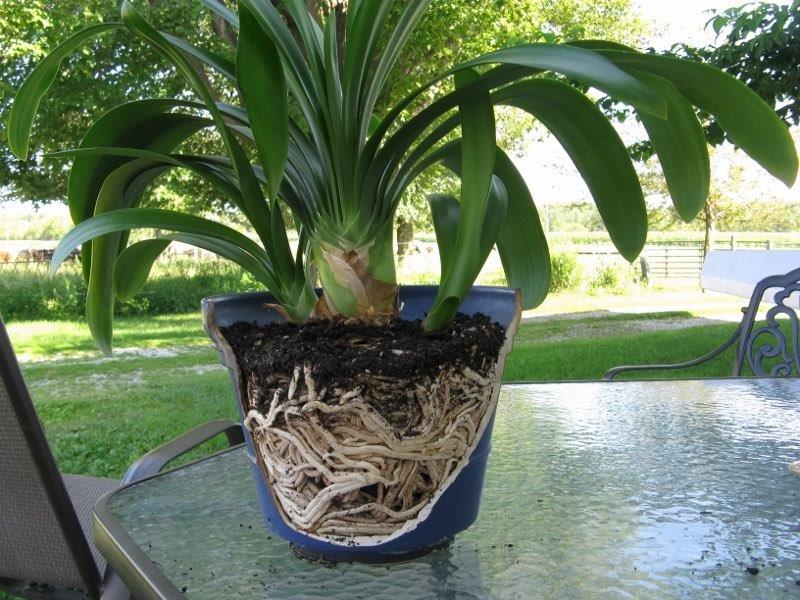
Time to report!IMG_1498 (800x600) (1) Remember the clivia seeds/seedlings Olga gave us the
last time she spoke to our group on propagation? I read that they bloom
better when pot-bound and mine had 3 flower stalks come up so far this
year. Must have been trying to tell me something but I didn’t get the
message until it popped the side off the ceramic pot. How about this
cut-away view of its fat roots!
IMG_1498 (800x600)

Topiary

Here’s a link of photos from Naida and Jennie showing topiary from around the world. Very interesting photos and information:

http://www.smithsonianmag.com/travel/art-topiary-gardening-ancienthere-are-five-modern-gems-180956159/

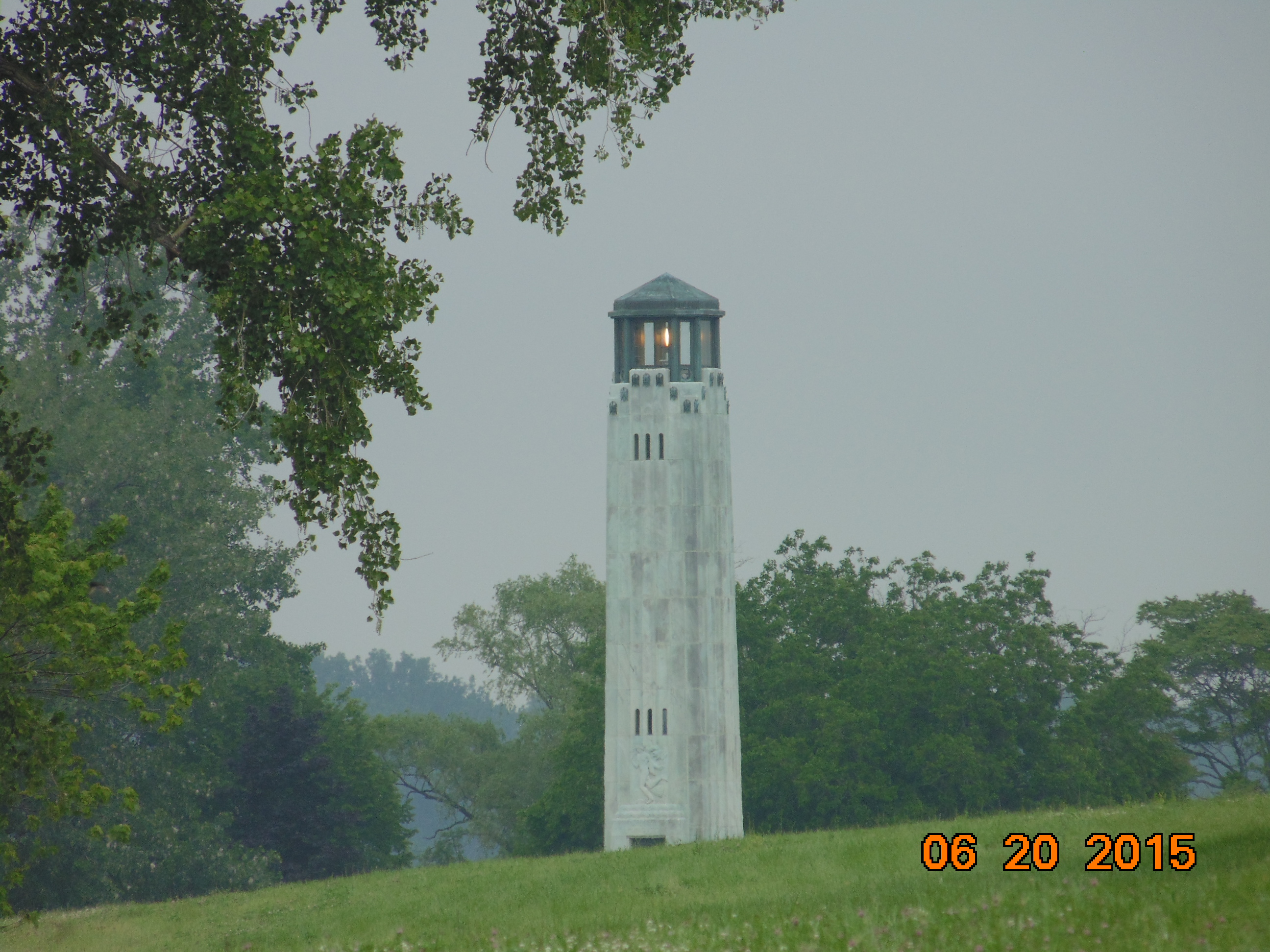
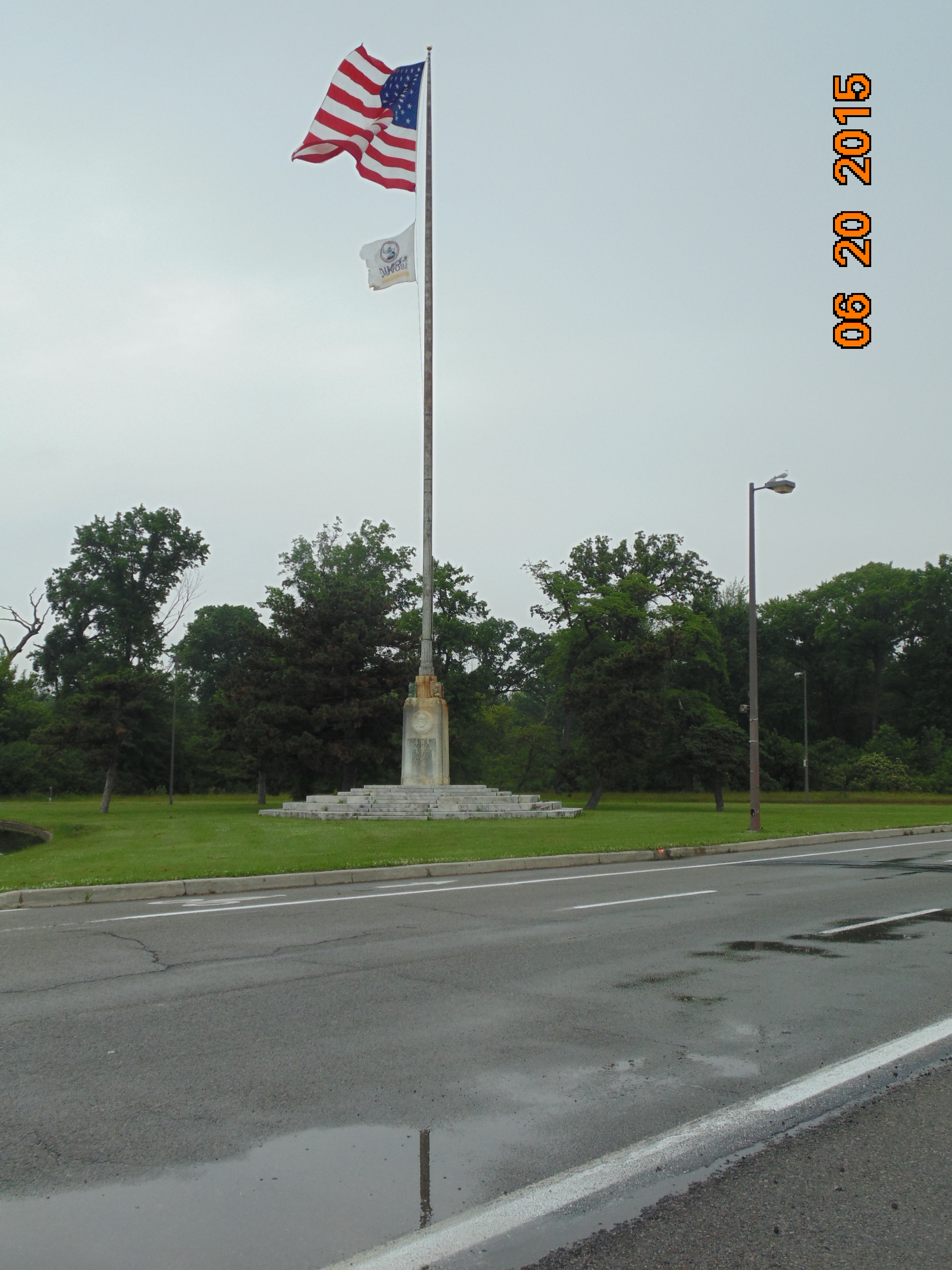
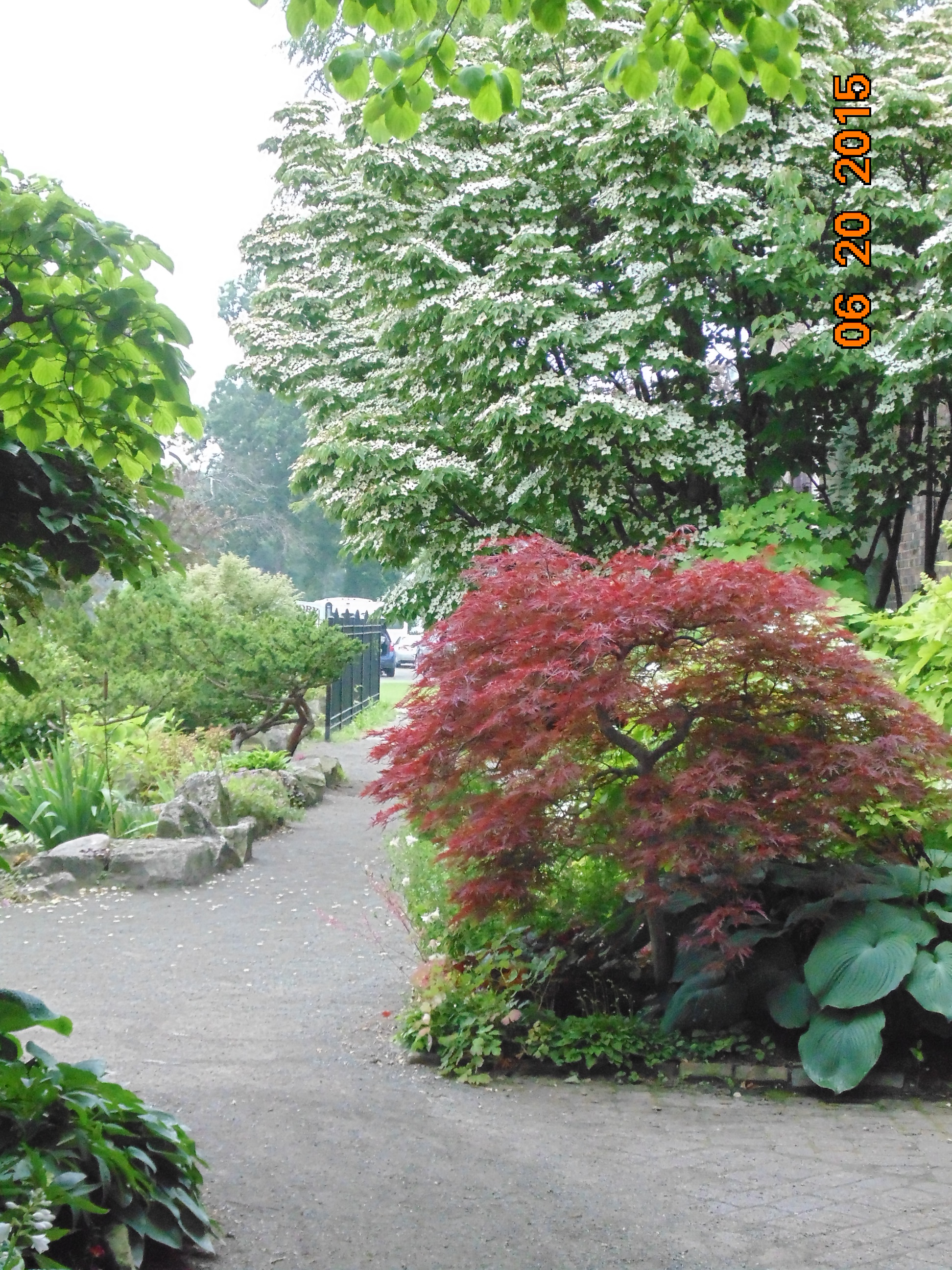
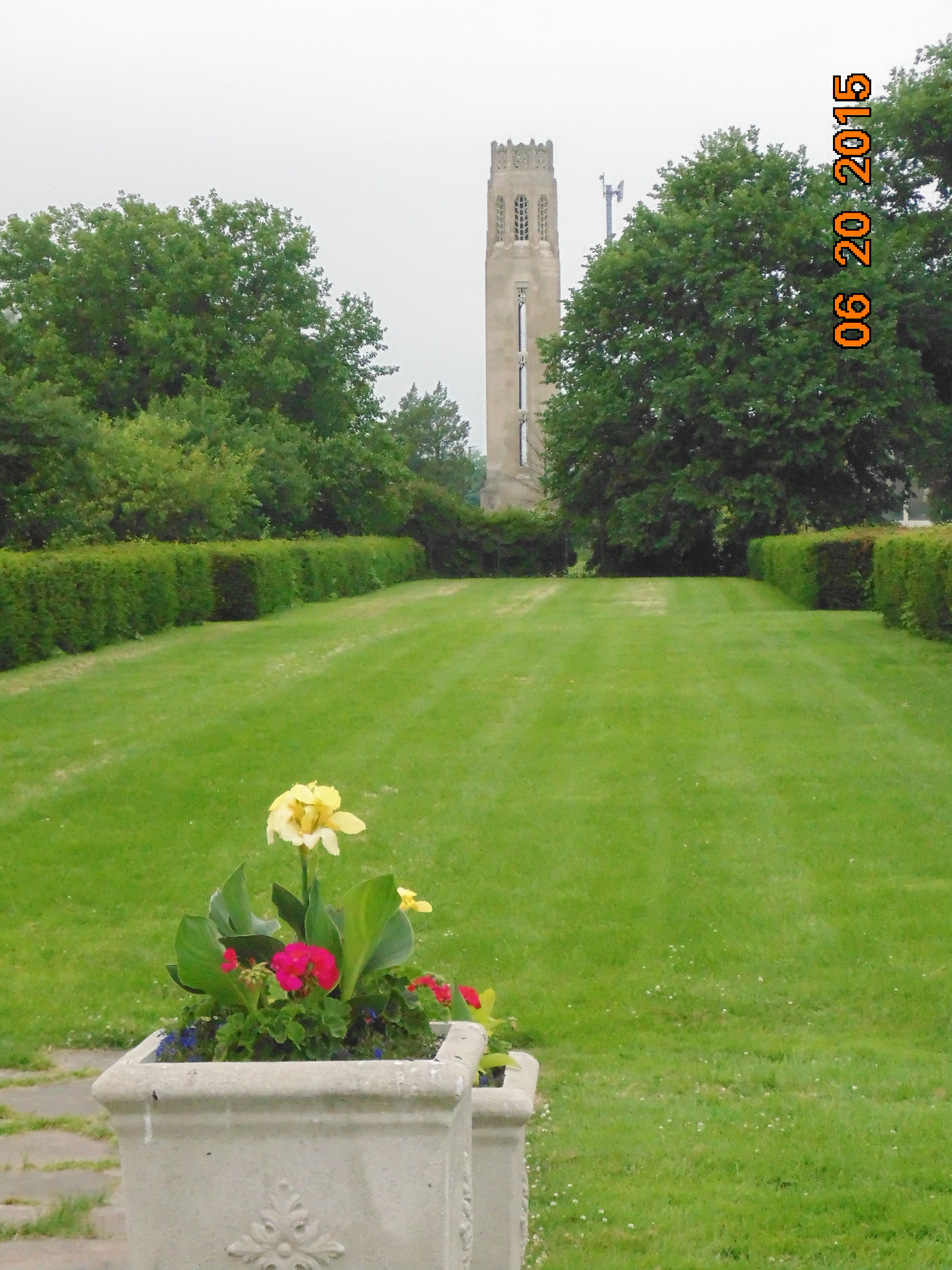
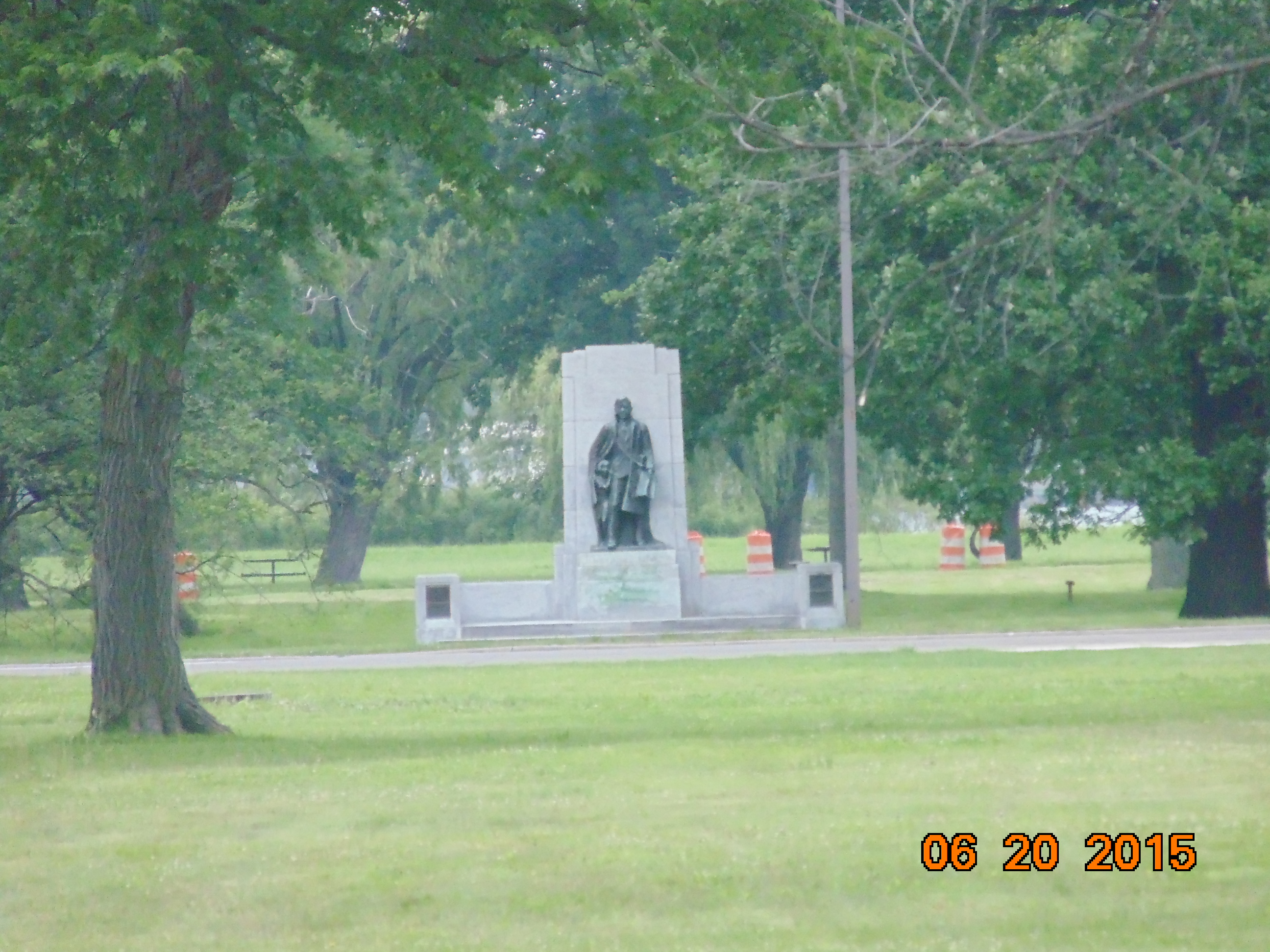
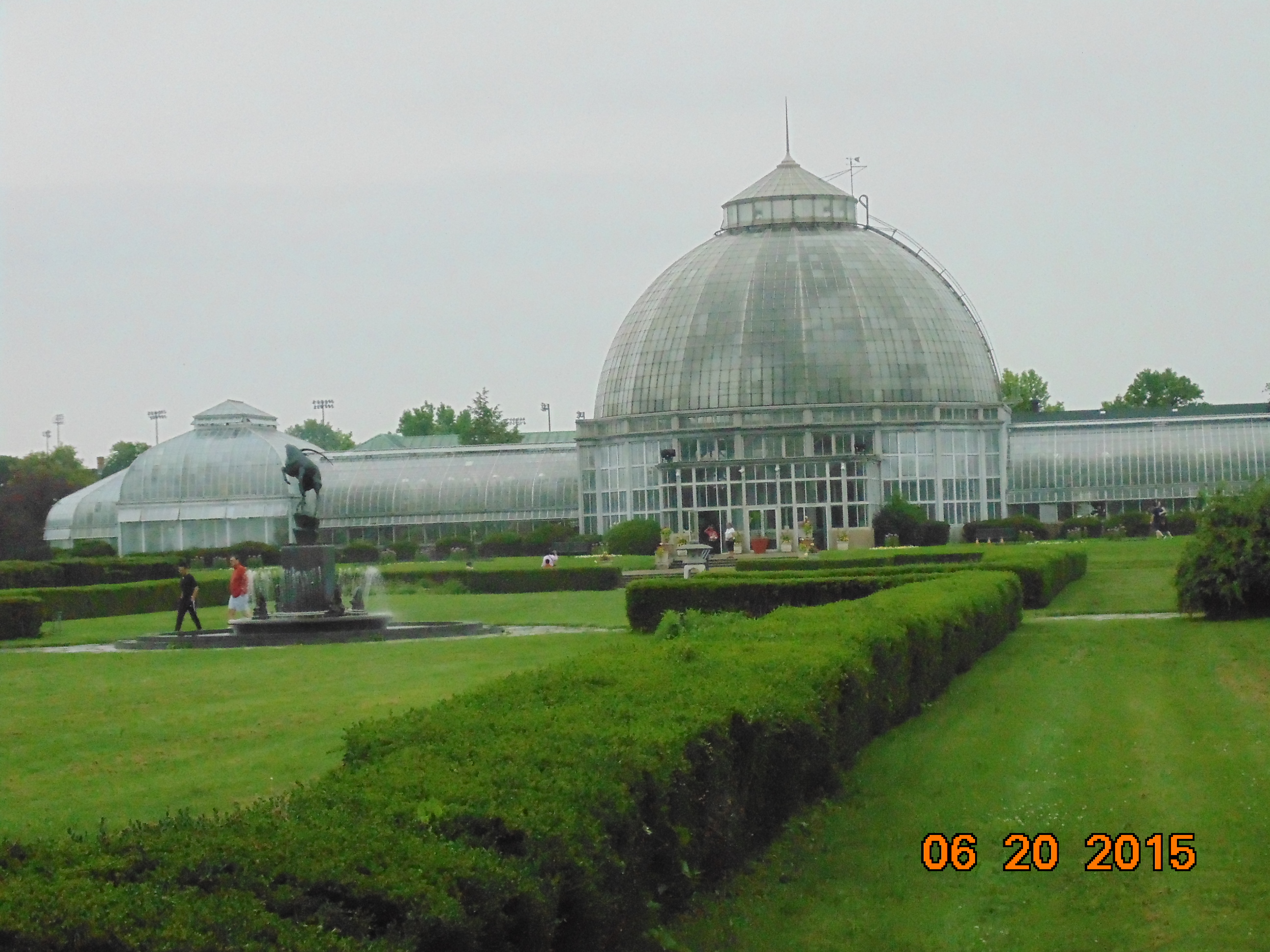
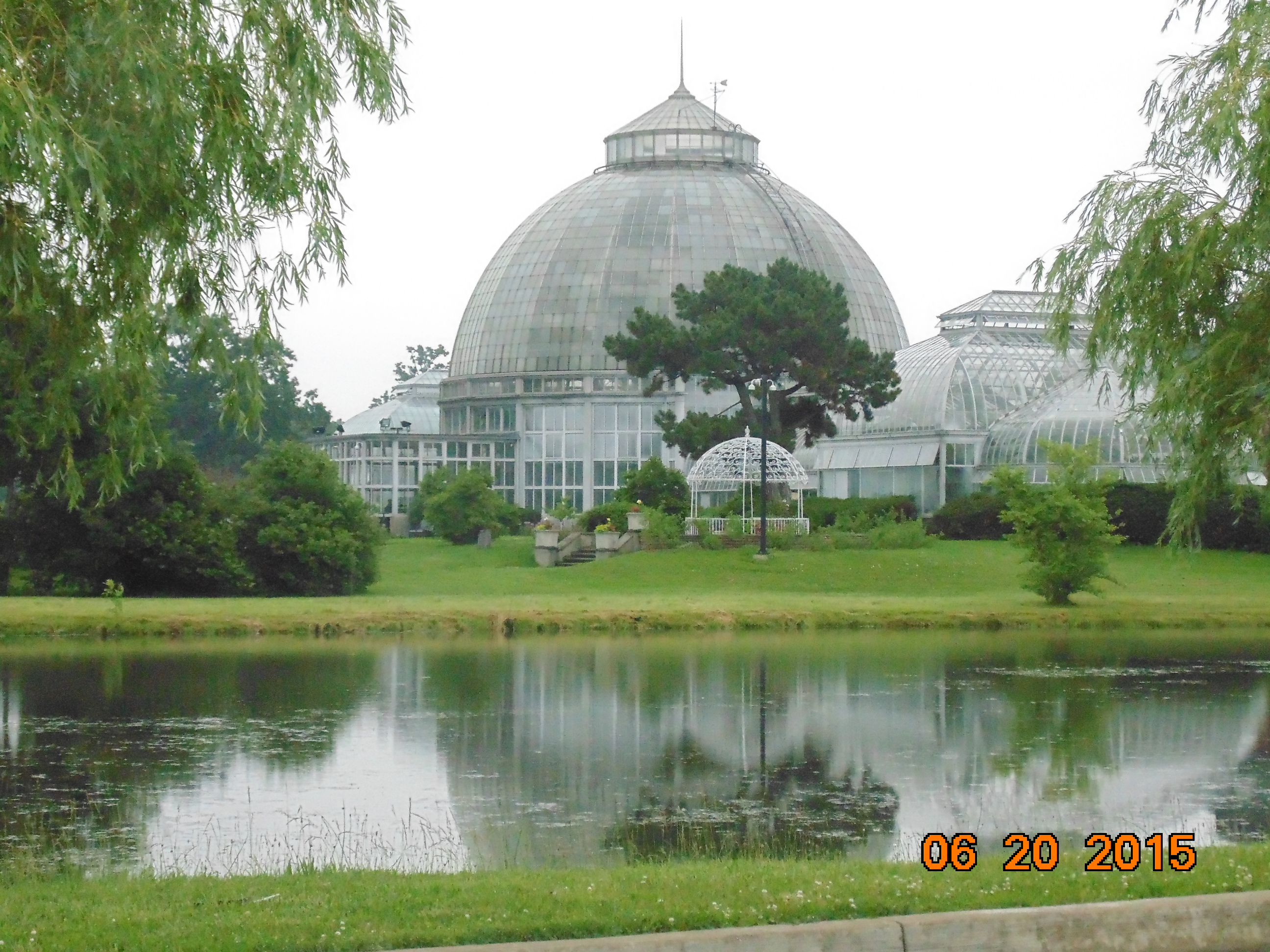
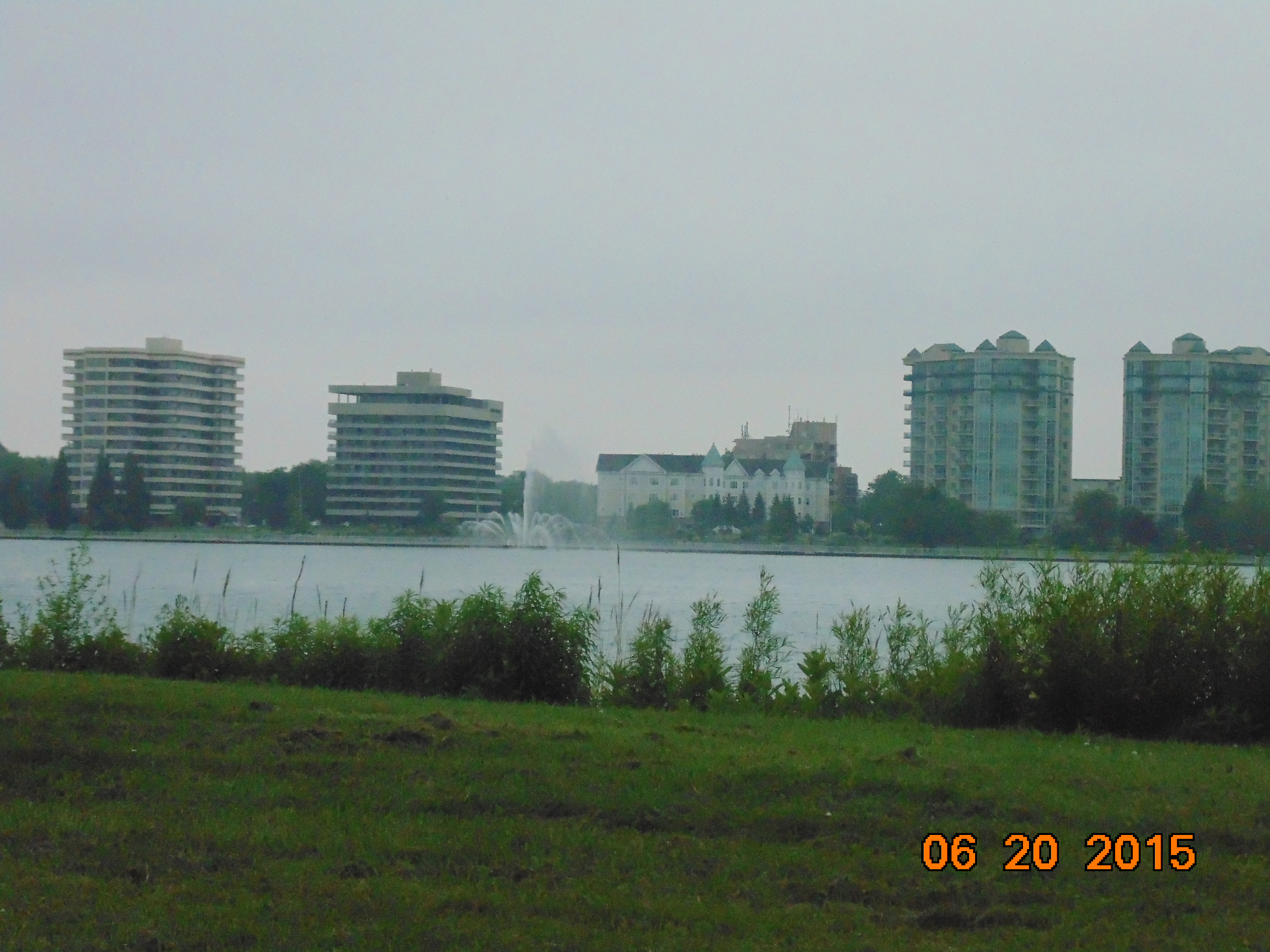
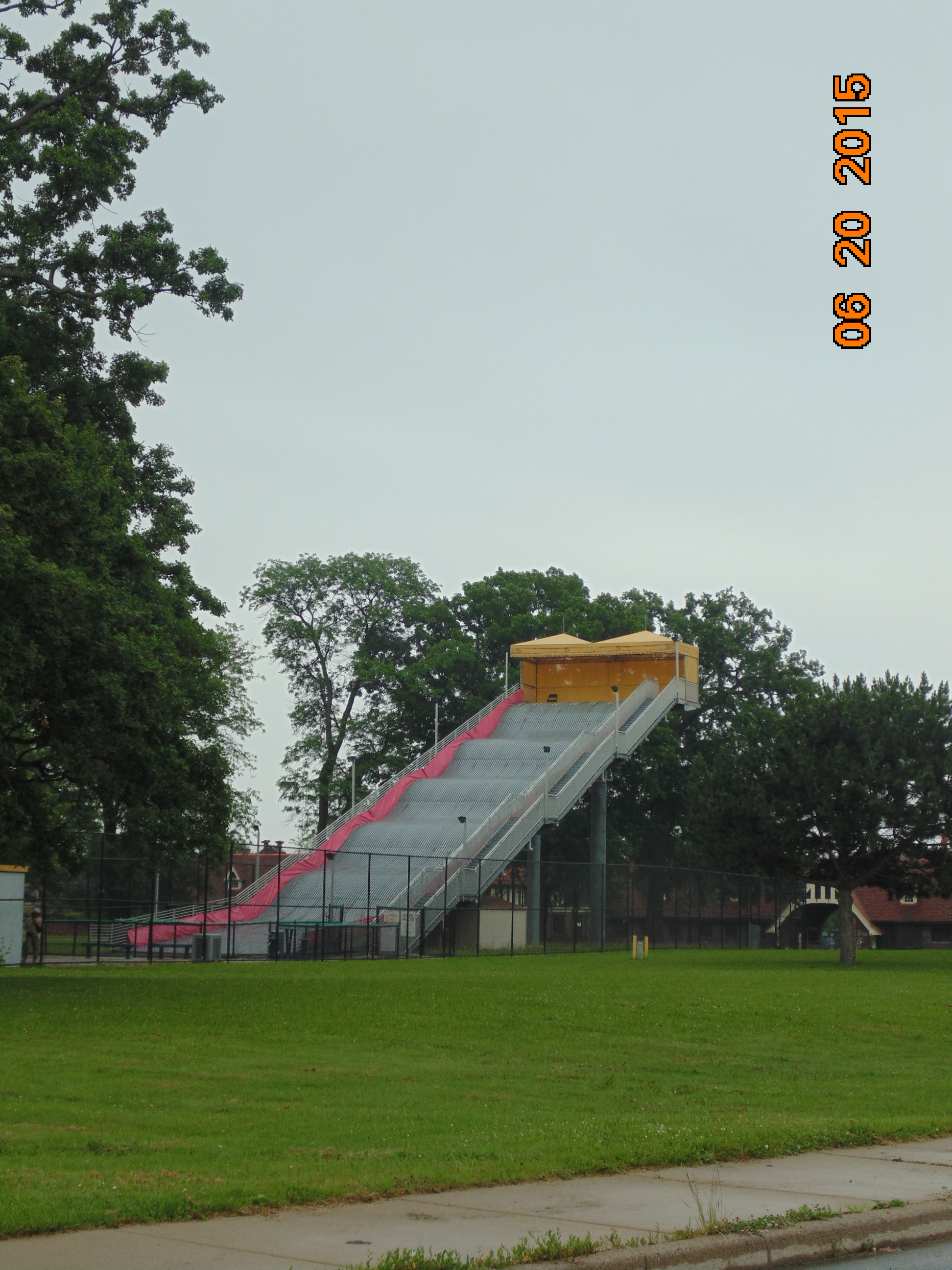
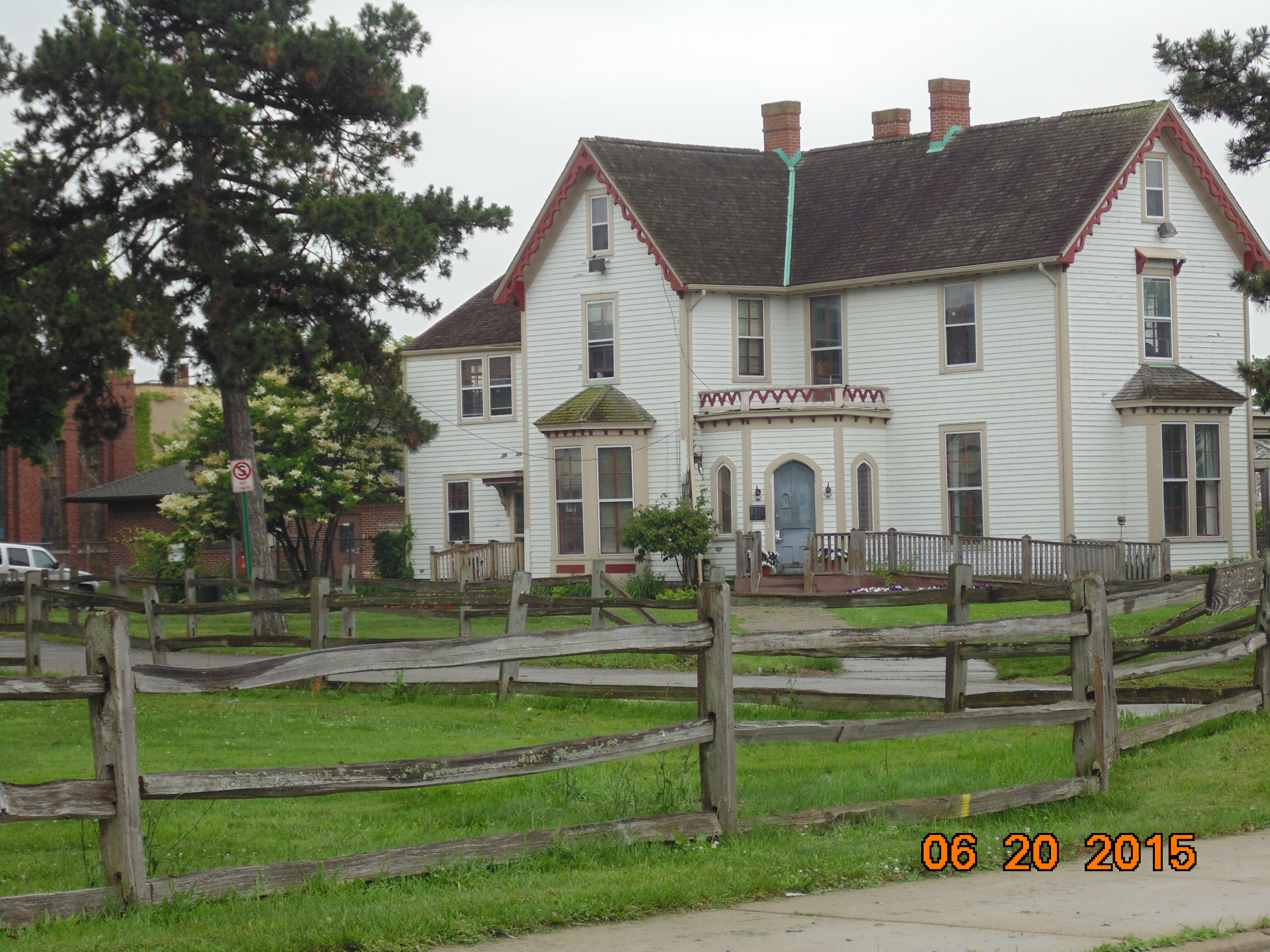
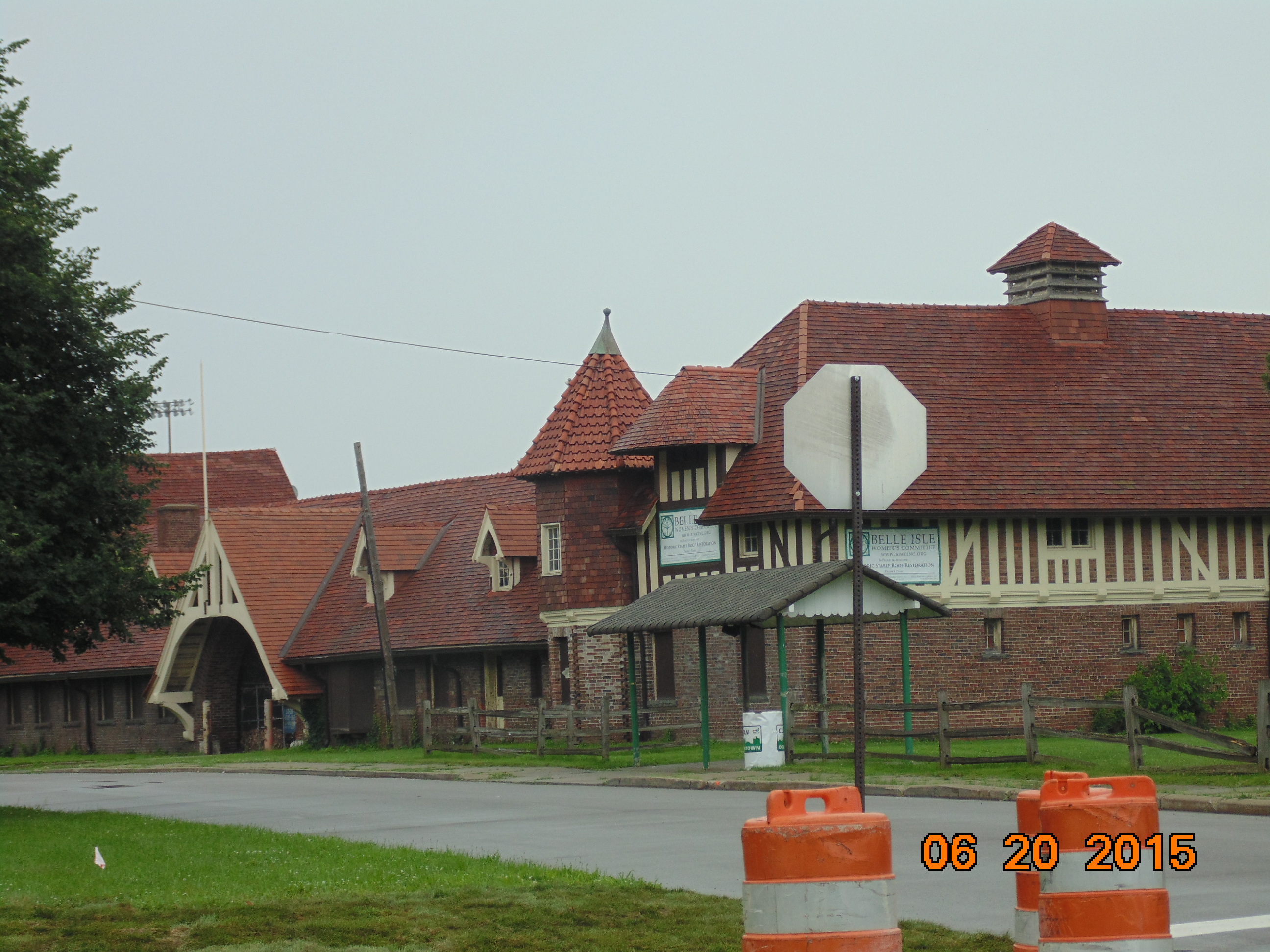
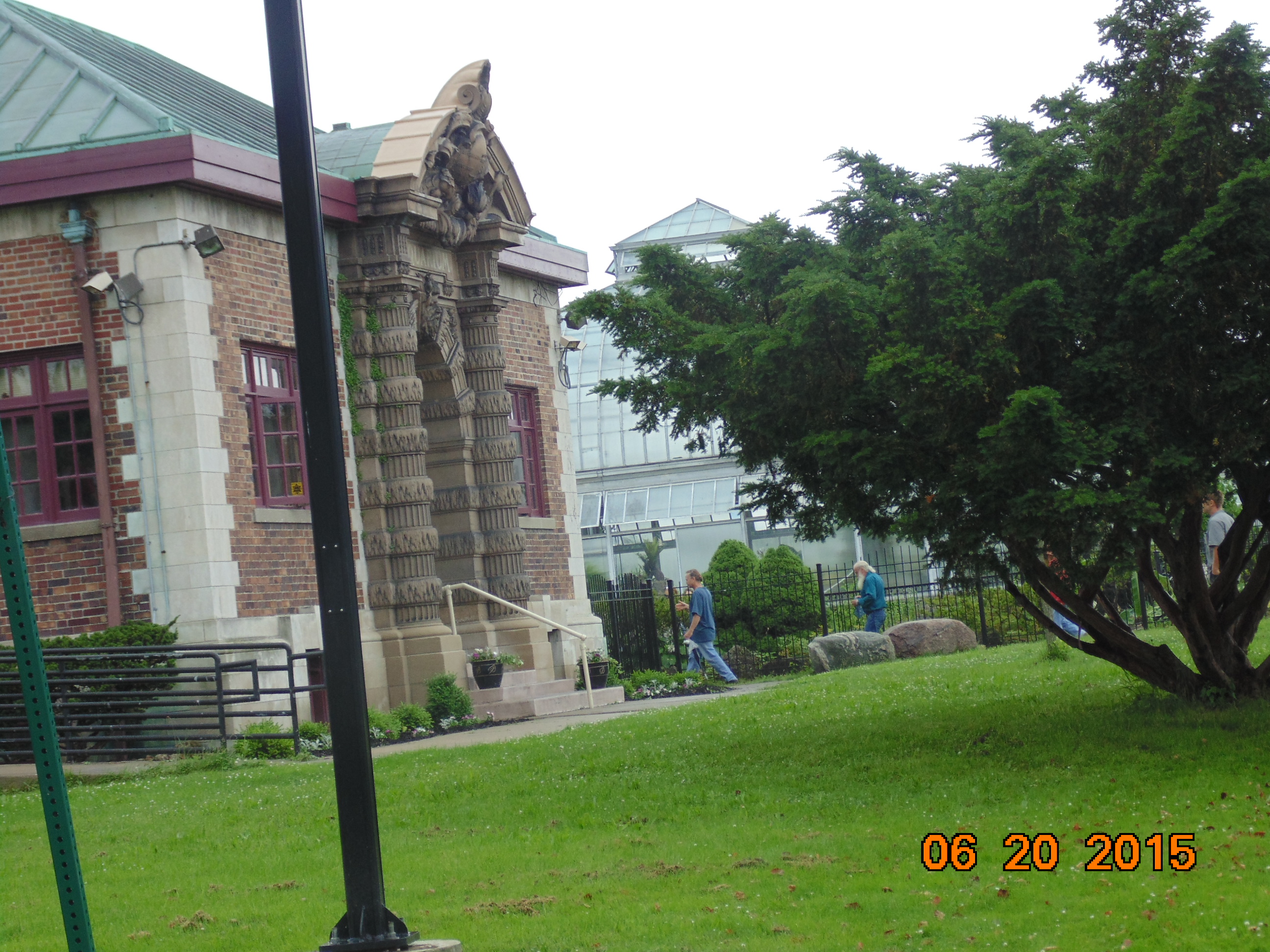
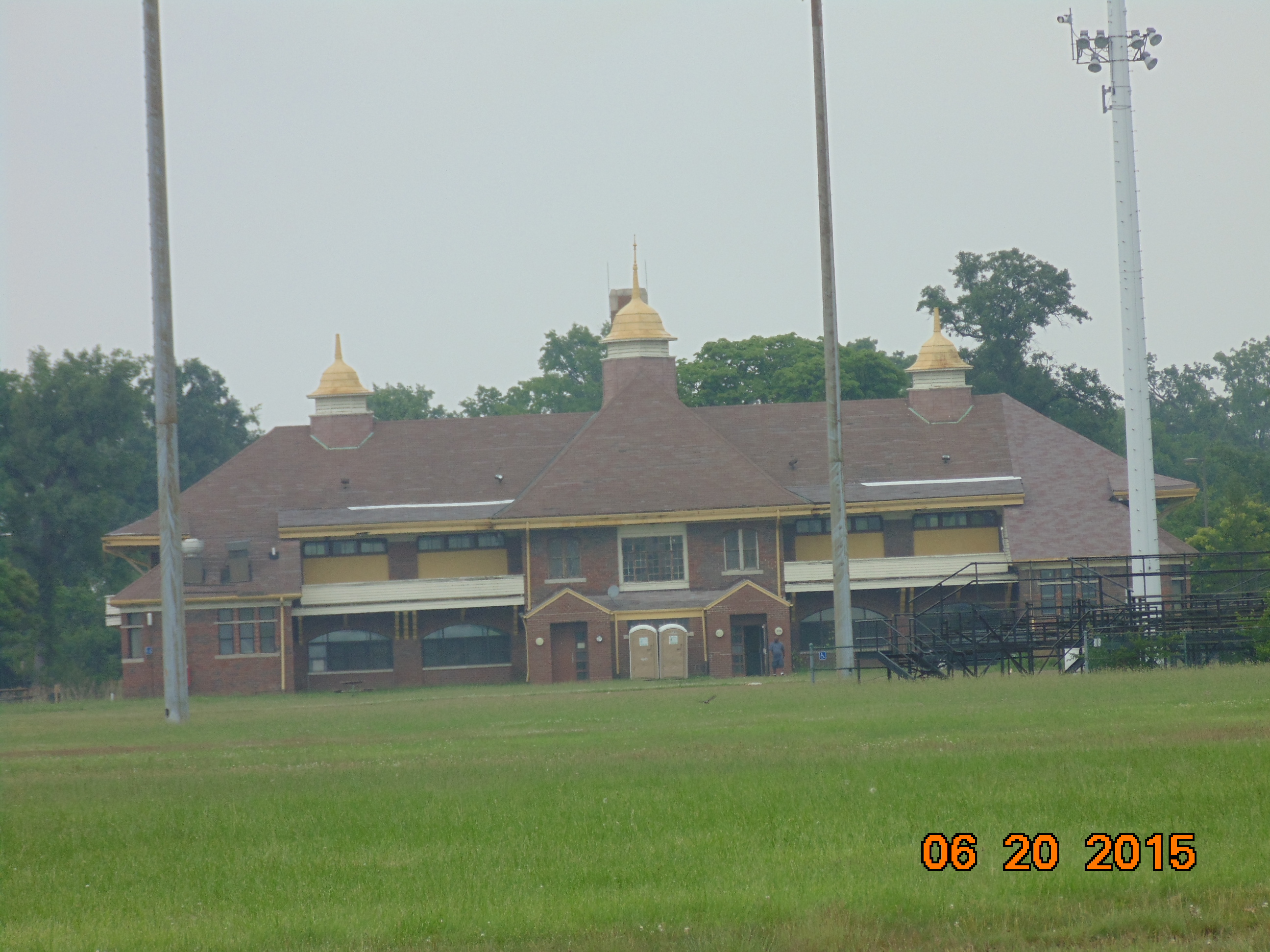
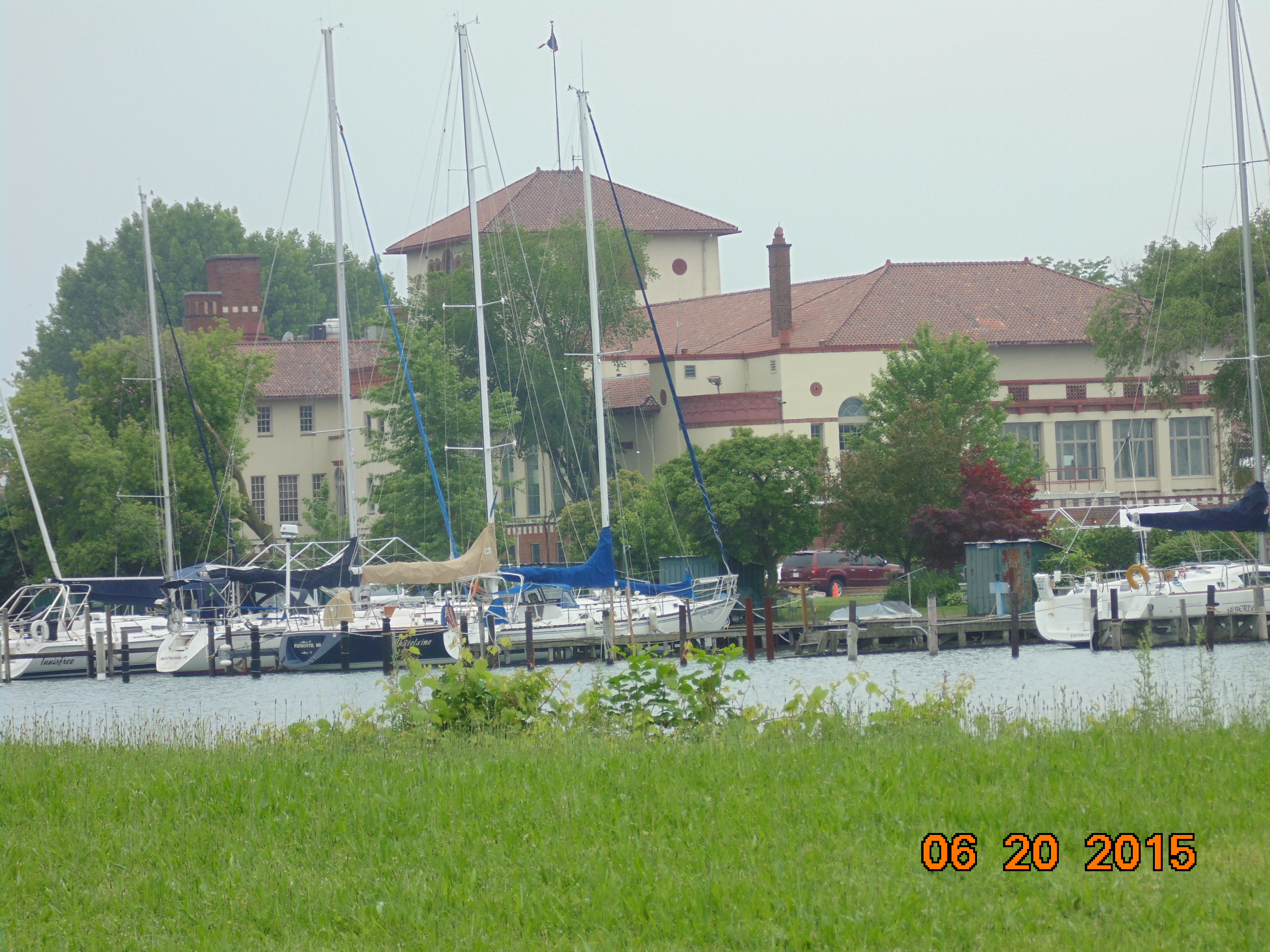
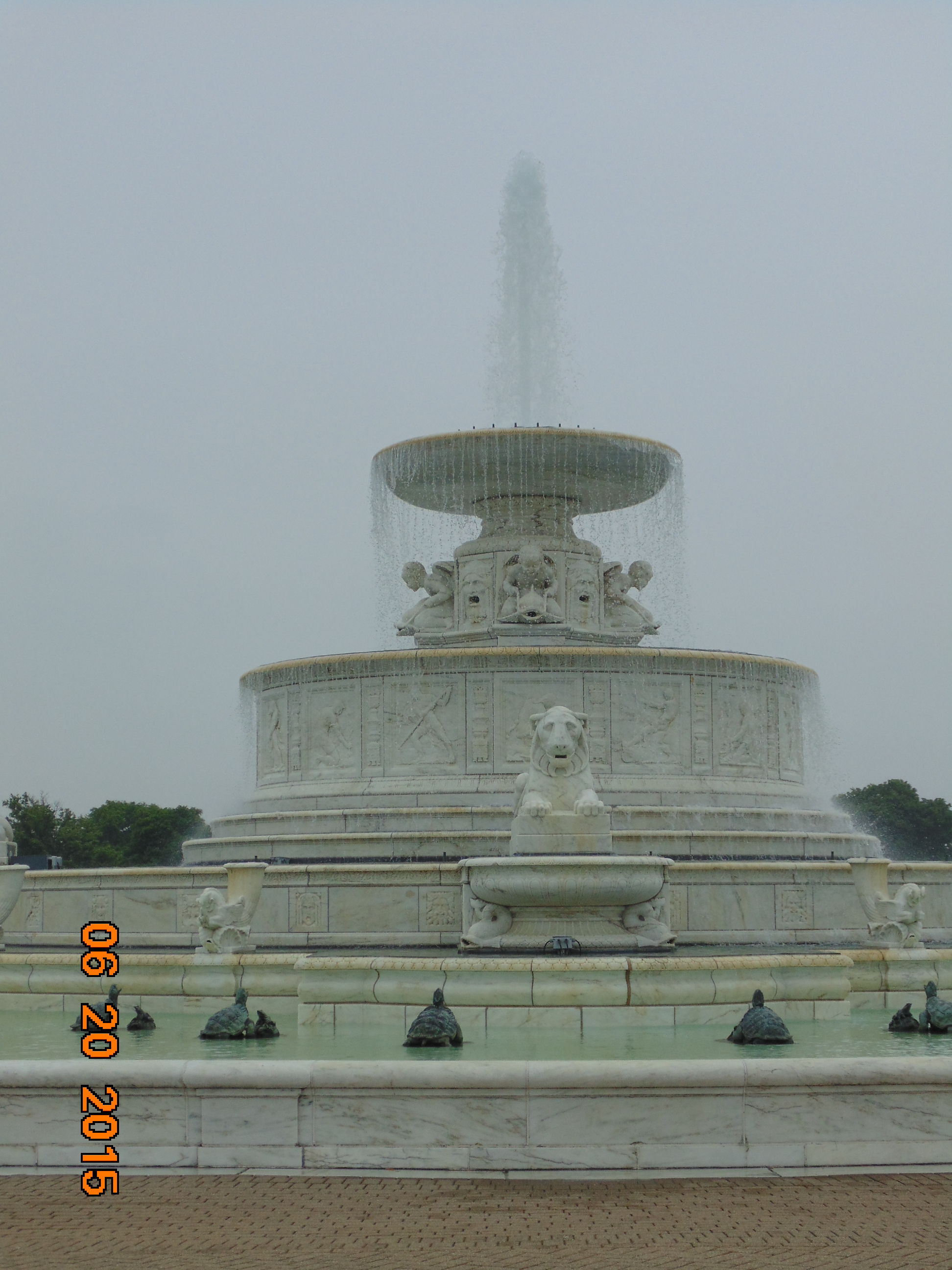
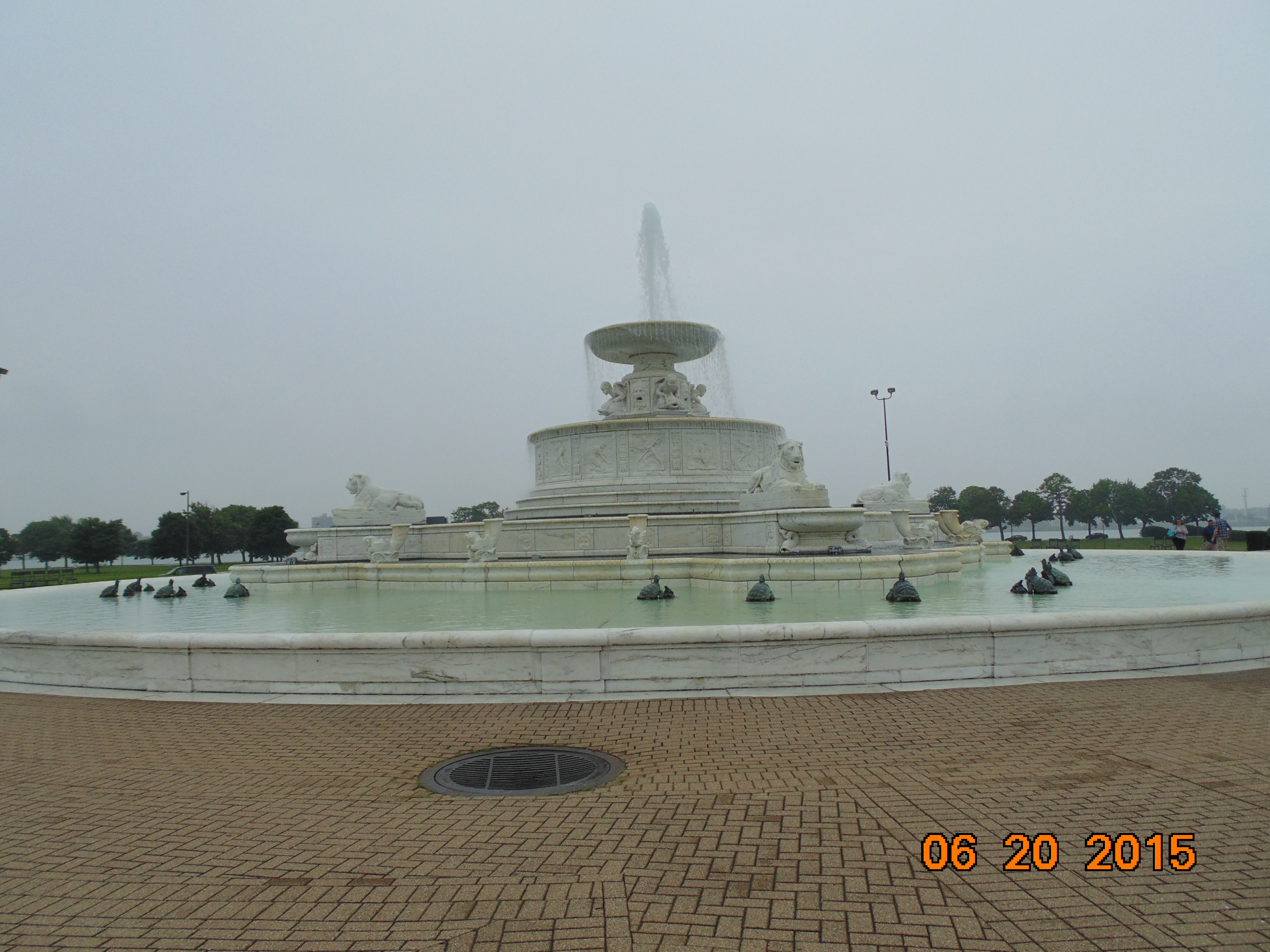
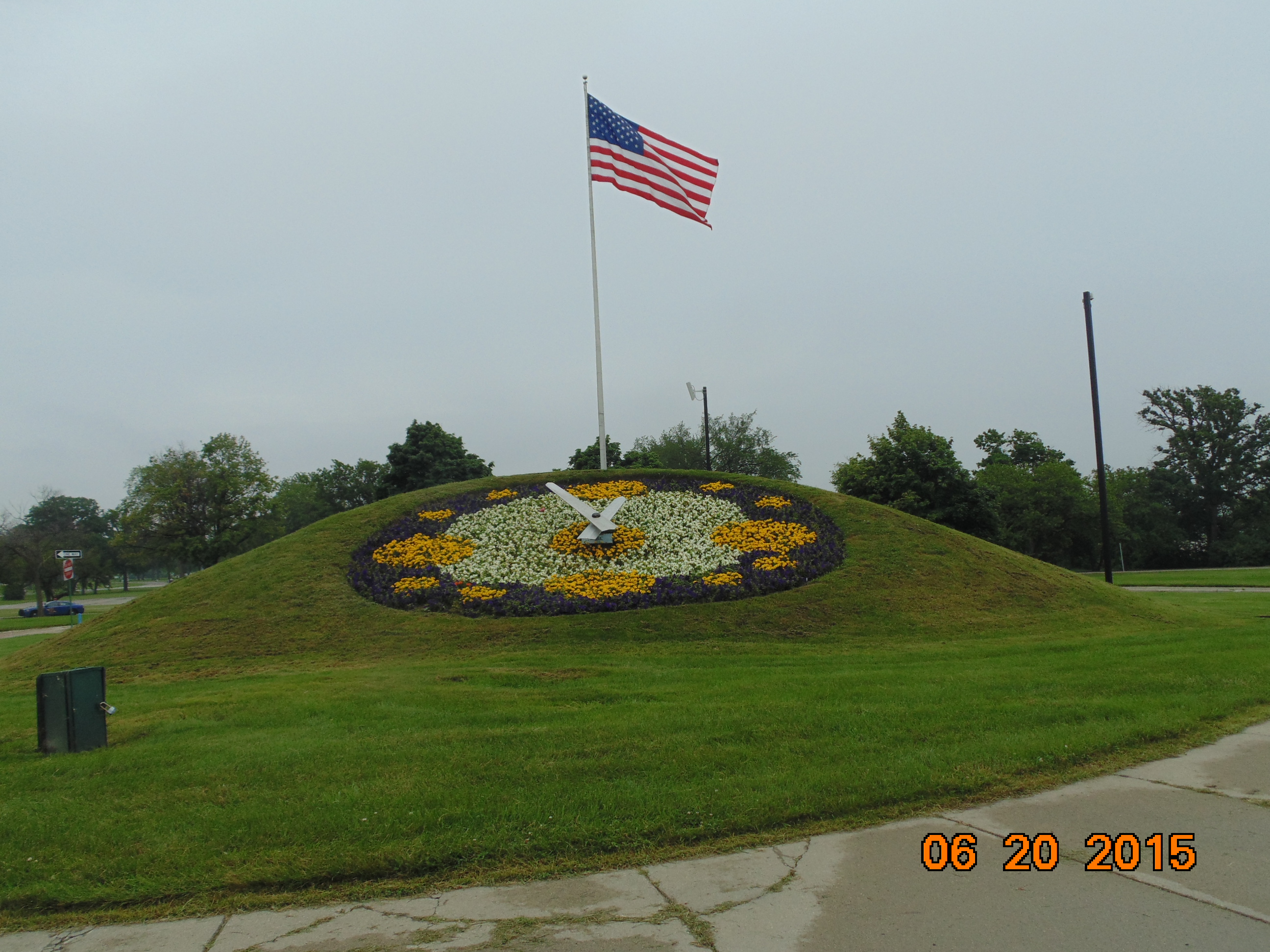
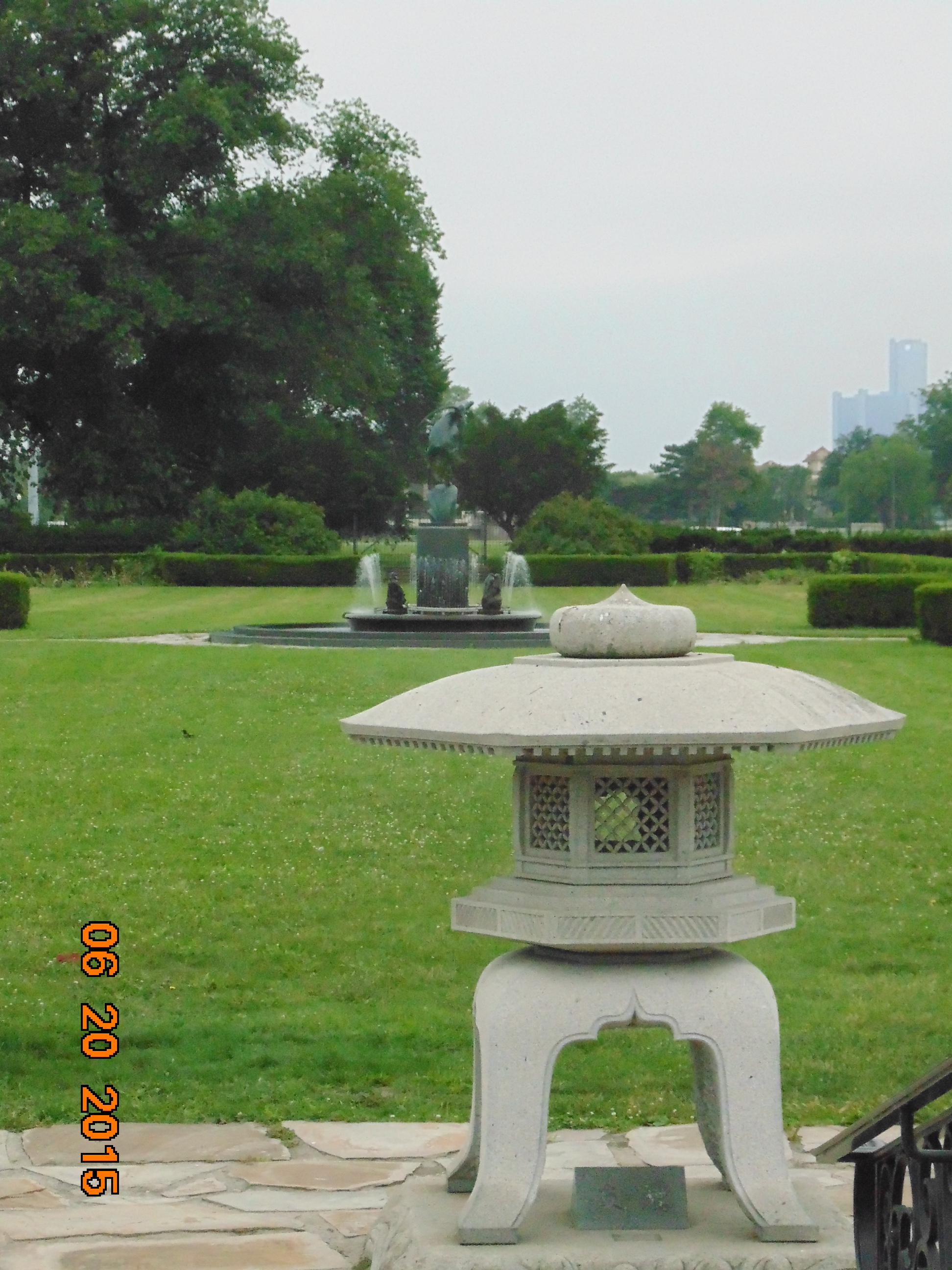
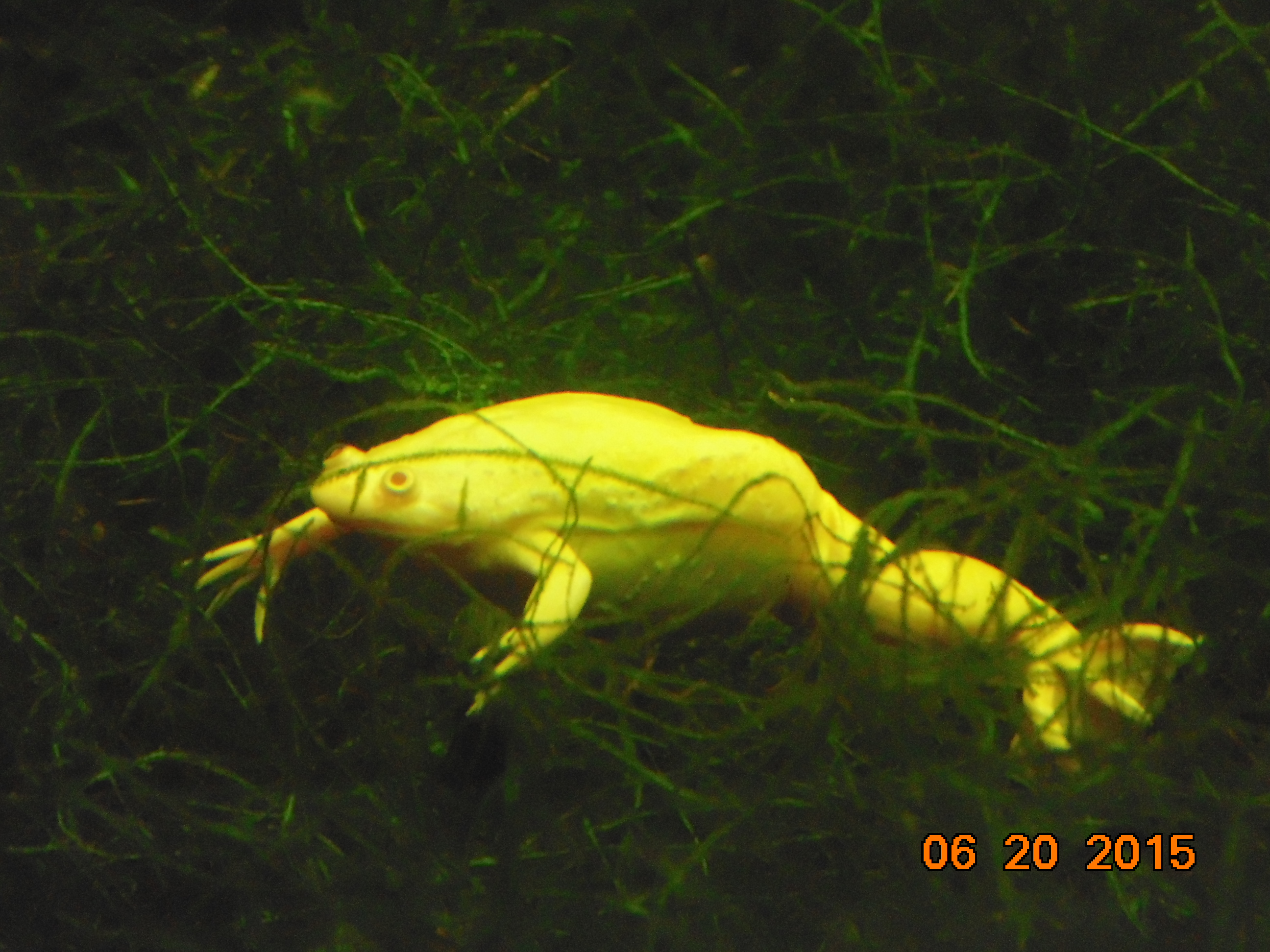
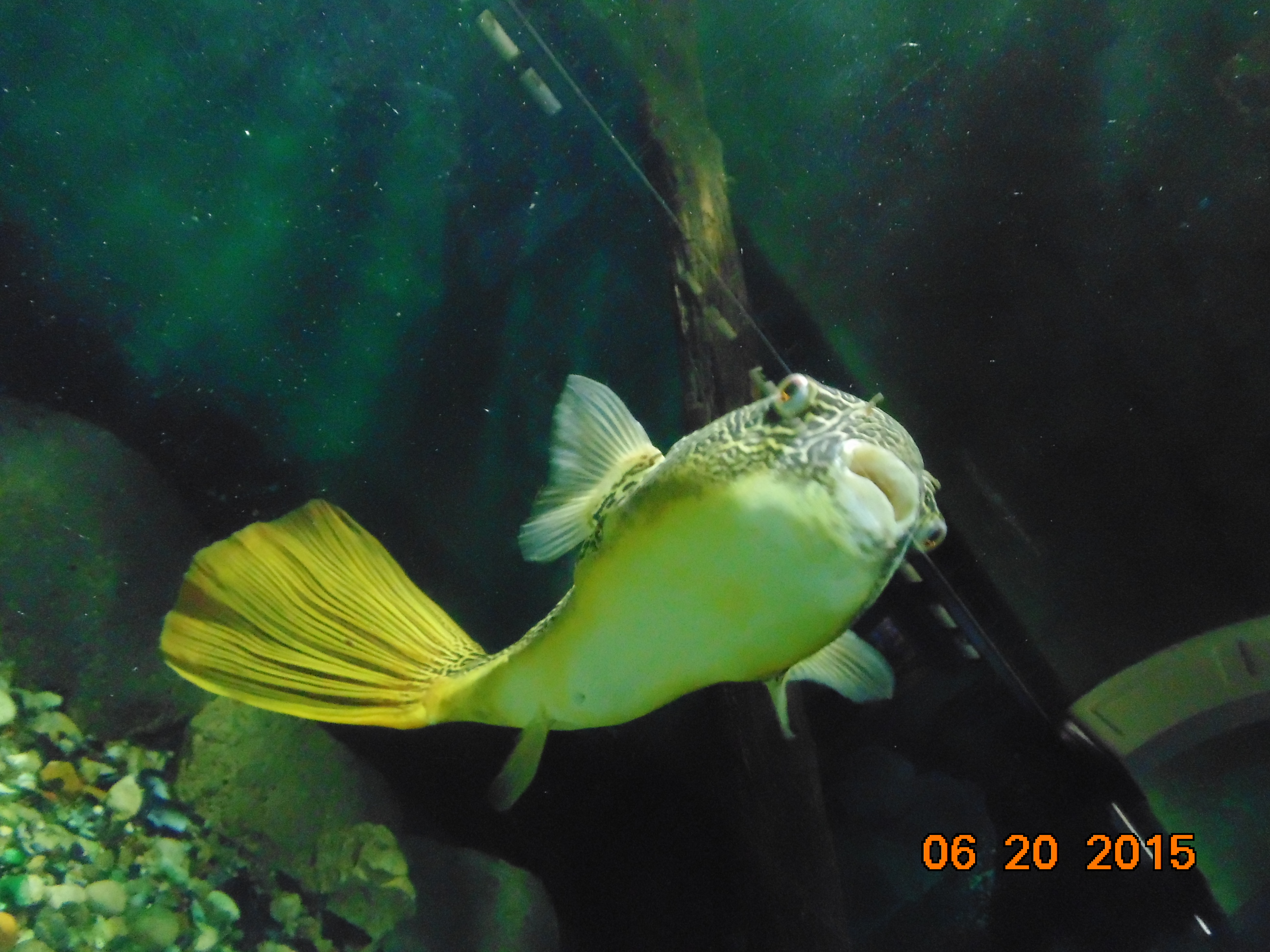
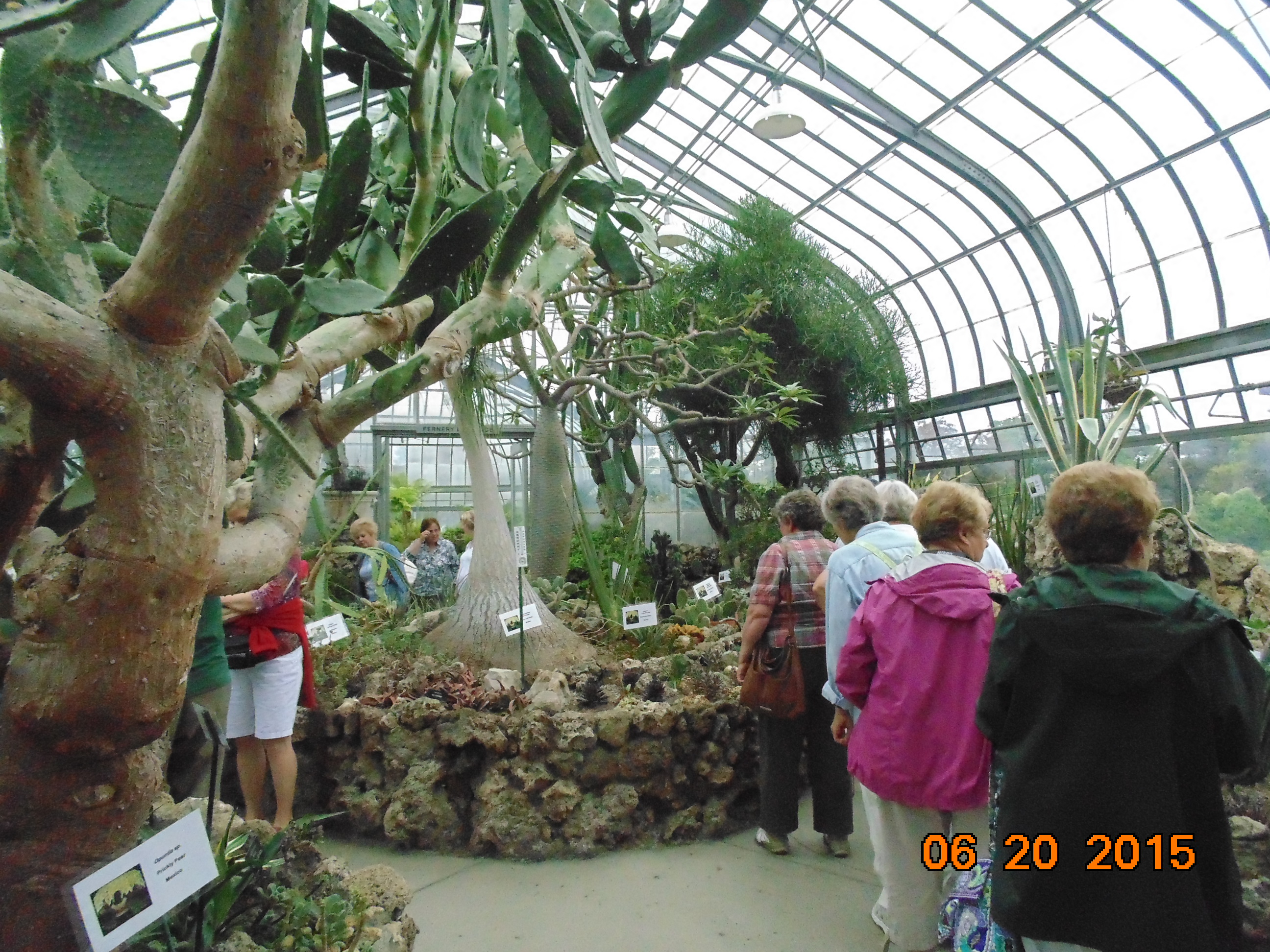
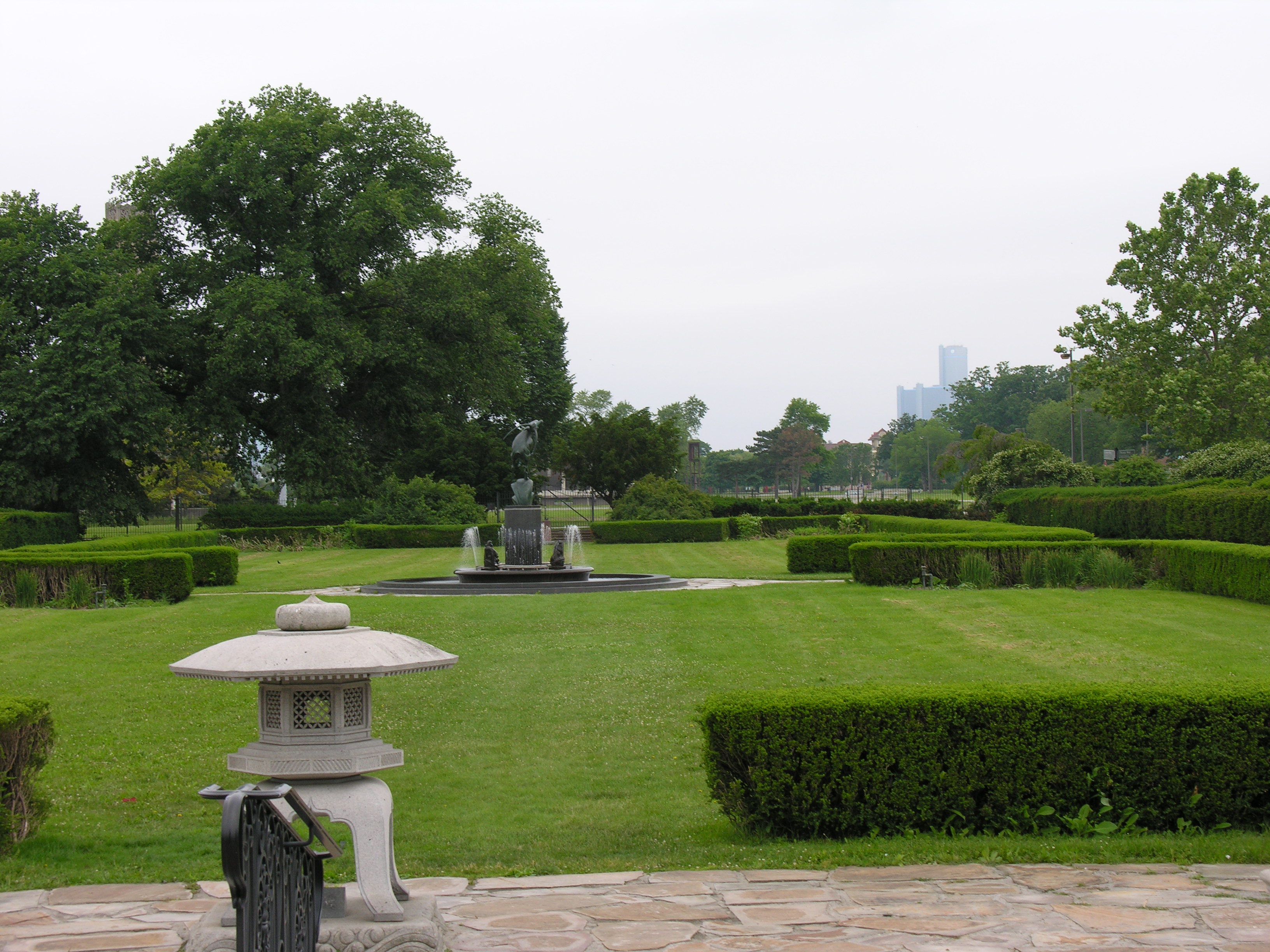
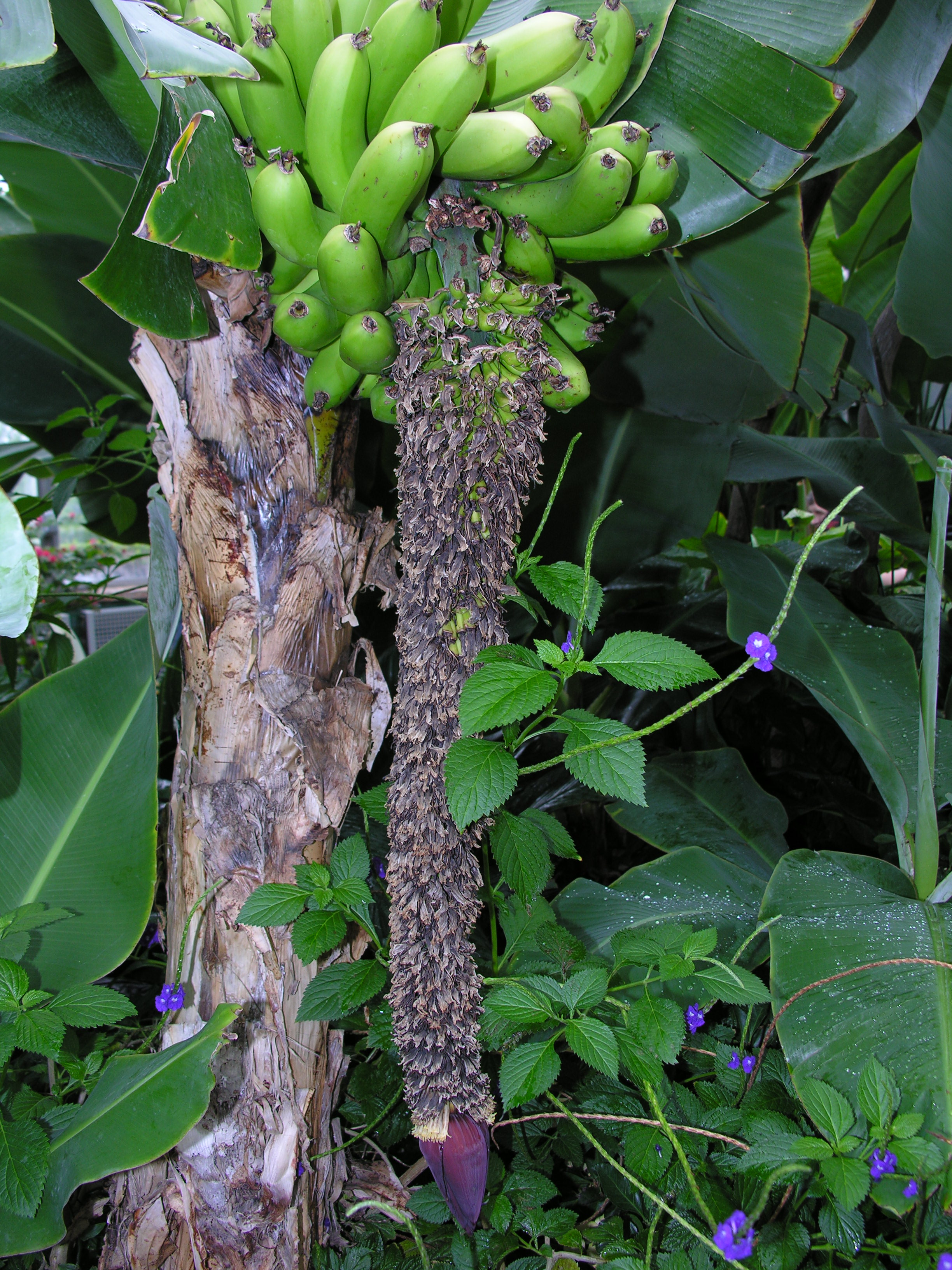
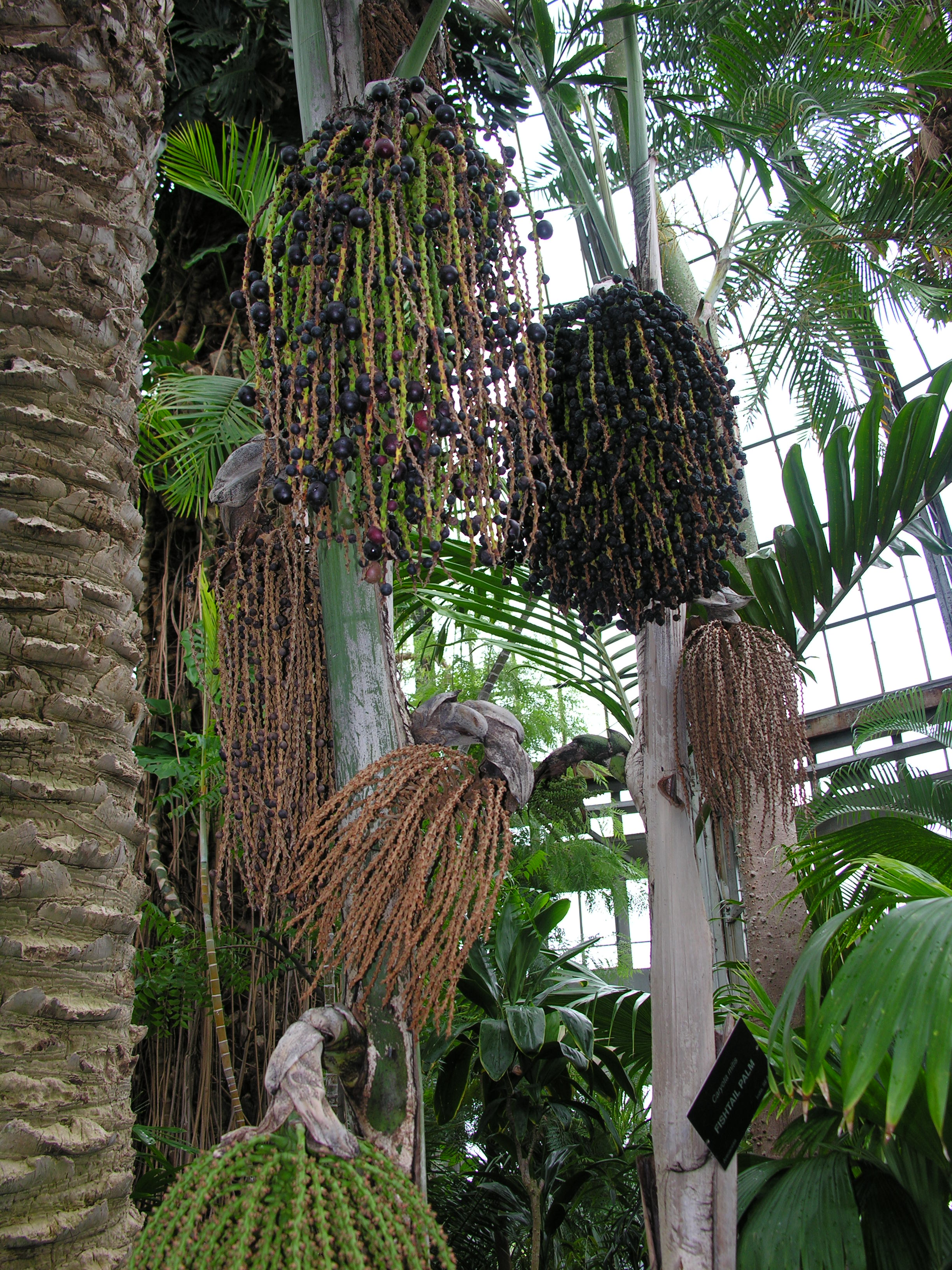
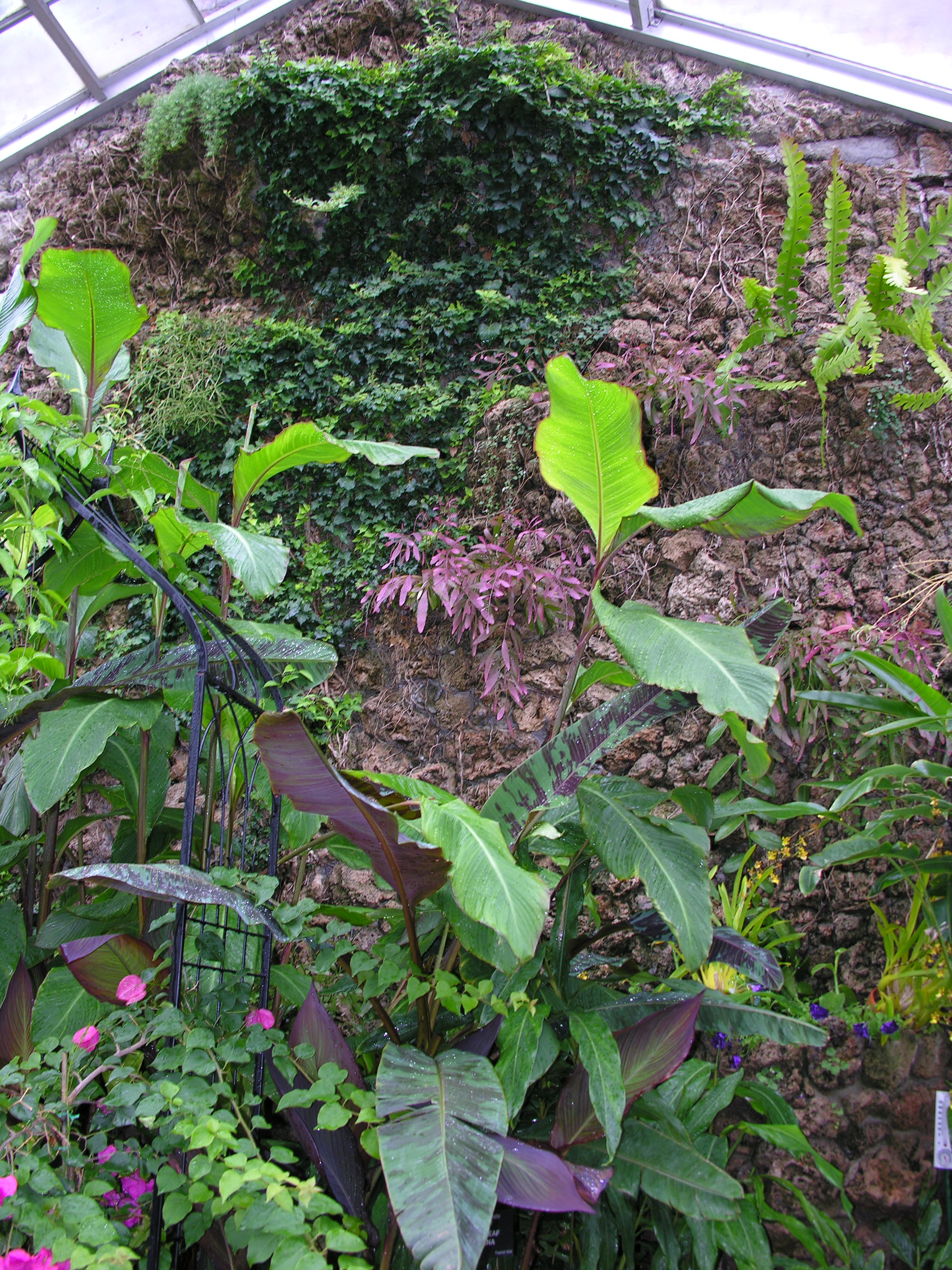
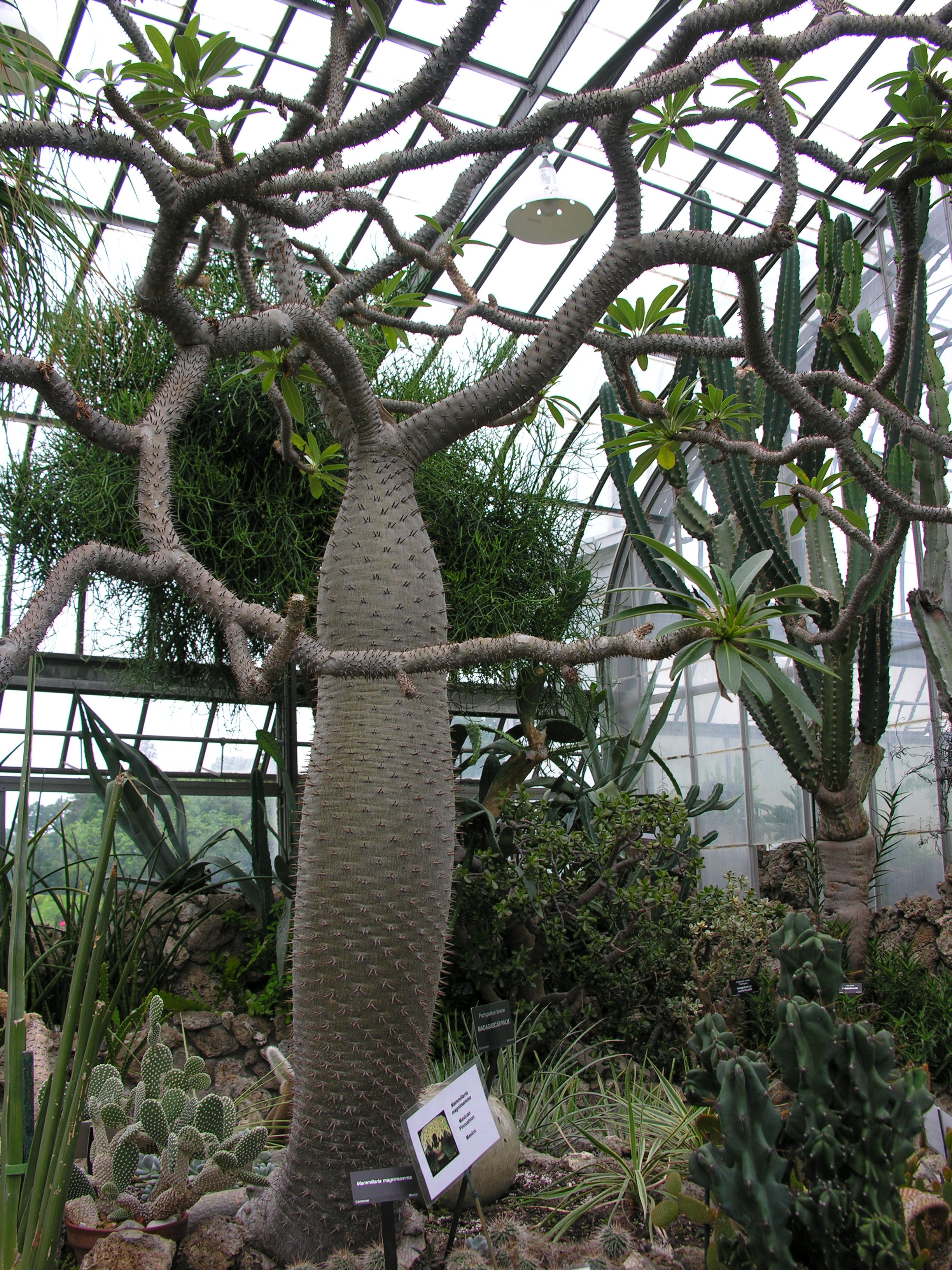
Gail sent me some photos to post. As you can see there are many interesting things to see on Belle Isle…happy viewing
dsc02146b

dsc02169

dsc02166

dsc02162

dsc02121

dsc02088

dsc02087

dsc02081

dsc02080

dsc02148

dsc02153

dsc02154

dsc02157

dsc02159

dsc02158

dsc02156

dsc02155

dsc02160

dsc02170

dsc02171

dsc02176

dsc02178

dsc02173

dsc02084

dsc02125

dsc02131

dsc02145

dsc02105

dsc02106

dsc02123

dsc02135


Our MCMGA had a tour to see the MSU Gardens. Gail was so kind to send photos for those that could not make it:


DSC02393

DSC02365

DSC02360

DSC02368

DSC02383

DSC02371


DSC02403

DSC02406

Sandy O’Connell was so nice to submit these photo of the Belle Isle trip that the MCMGA took on Saturday. Enjoy
DSCN3112

DSCN3113

DSCN3117

DSCN3119

DSCN3128

DSCN3132

DSCN3141

DSCN3148

DSCN3156

DSCN3150

DSCN3160

DSCN3171

DSCN3177

MMGA posted this on their Facebook page, thought it was good to share:

http://www.freep.com/story/news/local/michigan/2015/06/03/honey-bee-mite-smell/28448139/

Belle Isle

Naida sent me some information she received in a newletter on Belle Isle, thought it should be shared:

Some of Belle Isle’s most popular attractions are expanding hours for the summer. Soon, visitors can enjoy extended hours at the Belle Isle Aquarium and Dossin Great Lakes Museum. In addition, the Scott Memorial Fountain and the giant slide will be in operation again this summer. Summer hours include:
Belle Isle Aquarium – Friday, 10 a.m. to 4 p.m.; Saturday and Sunday, 10 a.m. to 4 p.m. (beginning June 5)
Dossin Great Lakes Museum – Friday through Sunday, 11 a.m. to 4 p.m. (beginning June 5)
James Scott Memorial Fountain – 10 a.m. to 9 p.m. daily (June 11 through Labor Day)
Anna Scripps Whitcomb Conservatory – 10 a.m. to 5 p.m., Wednesday through Sunday (year-round)
Belle Isle Nature Zoo – 10 a.m. to 5 p.m., Wednesday through Sunday (year-round)
Driving Range – 9 a.m. to dusk daily
Giant slide – Noon to 8:30 p.m., Wednesday through Sunday (June 11 through Labor Day)
Swim beach – 5 a.m. to 9 p.m. daily
The Belle Isle Aquarium, one of the most popular island attractions, has seen recent enhancements, including skylight restoration (to be completed this summer), a newly designed, gar-inspired weathervane to adorn the roof of the aquarium, and new exhibits including stingrays, electric eels, clownfish and seahorses. Exhibits at the adjacent Anna Scripps Whitcomb Conservatory also have been upgraded and enhanced due to efforts by the Belle Isle Conservancy and the Department of Natural Resources. Closed in 2005, the Belle Isle Aquarium reopened in 2012 through the Belle Isle Conservancy and a crew of dedicated volunteers. Admission is free.

The Dossin Great Lakes Museum, since celebrating its grand reopening in May 2013 after a major renovation, has doubled its attendance. Admission is free for everyone, all the time. Permanent exhibits include Built by the River in the John A. and Marlene L. Boll Foundation Gallery, the Miss Pepsi vintage 1950s championship hydroplane, the Gothic Room from the City of Detroit III in the Polk Family Hall, a bow anchor from the S.S. Edmund Fitzgerald, the pilothouse from the Great Lakes freighter S.S. William Clay Ford in the Wayne and Joan Webber Foundation Gallery, and one of the largest known collections of scale model ships in the world.

For the second year, the James Scott Memorial Fountain will be running daily from 10 a.m. to 9 p.m., June 11 through Labor Day. Thanks to support from DTE Energy and the Chevrolet Detroit Belle Isle Grand Prix team, the majestic, Cass Gilbert-designed fountain was turned on this past weekend for the races. Last year, the Belle Isle Conservancy added movable chairs to the fountain grounds for park users to be able to sit and enjoy the sights and sounds of the beautiful Detroit asset, and they will be back at the fountain again this summer.

Recreation Passport A Recreation Passport, $11 for Michigan-registered vehicles ($5 for motorcycles) and $31 for non-Michigan registered vehicles, grants access to any Michigan state park (including Belle Isle Park), boat launch, state forest campground or nonmotorized state trailhead parking. Residents can purchase the Passport at the time of license plate renewal through the Secretary of State. Forgot to check “YES” during renewal? Residents and nonresidents can purchase a Recreation Passport window sticker at Belle Isle Park and other Michigan state parks. Learn more about how the Recreation Passport, including how it supports state parks, local outdoor recreation opportunities and historic and cultural sites at http://www.michigan.gov/recreationpassport.

About the Belle Isle Conservancy The Belle Isle Conservancy‘s mission is to protect, preserve, restore and enhance the natural environment, historic structures and unique character of Belle Isle as a public park for the enjoyment of all – now and forever. On Feb. 10, 2014, historic Belle Isle joined Michigan’s expansive, award-winning park system as Michigan’s 102nd state park. The Belle Isle Conservancy is responsible for generating substantial funds for improvement projects and cultural programs throughout the island. For more information, visit http://www.belleisleconservancy.org.

About the Detroit Historical Society The Detroit Historical Society is a private, nonprofit organization located in Midtown, the heart of Detroit’s cultural center. Founded in 1921, its mission is to educate and inspire our community and visitors by preserving and presenting our region’s shared history through dynamic exhibits and experiences. Today, the Society operates the Detroit Historical Museum and the Dossin Great Lakes Museum. In addition, the Society is responsible for the conservation and preservation of more than 250,000 artifacts that represent three centuries of our region’s rich history. Through its museum exhibits, school tour programs, community-based programs and history-themed outreach efforts, the Society serves more than 150,000 people annually. For more information on the Detroit Historical Society, visit http://www.detroithistorical.org.

Additional information about Belle Isle Park – Michigan’s 102nd state park – is available at http://www.belleislepark.org. Follow us on Twitter @MichiganDNR and @BelleIsle_Park. Belle Isle partners and others interested in the park’s revitalization are encouraged to use the hashtag #AllinforBelleIsle.

Gail asked me to post:
What is Monroe County Doing About the Lake Erie Algae Problem?

Please come to a public information session to learn about local efforts and initiatives that are being undertaken to help prevent the algae blooms in Lake Erie.

Among the presenters will be farmers, wastewater treatment professionals, watershed managers, soil conservationists, planners, and citizens who are all concerned about the alarming algae problem in Lake Erie.

Learn about what is being done and what else we can be doing to restore Lake Erie to a healthier state.

Monday May 11, 2015 6:30 pm
Monroe County Courthouse – Commissioners’ Chambers
125 East Second St. Monroe Michigan 48161

for more information:
Monroe County Planning Department 734 240 7385
rpeven@monroemi.org

Frank sent me some information to share. Here’s an interesting article on vegetable grafting.
http://www.washingtonpost.com/lifestyle/home/the-mad-science-behind-vegetable-grafting/2015/04/21/75764714-e47f-11e4-81ea-0649268f729e_story.html?wpisrc=nl_home&wpmm=1

Fennel

Frank D. sent me the following information. It was an email that was distributed by the Herb Society of Nashville to Georgeann and she sent to him. The informational source is: Vegetable Literacy
by Deborah Madison

And here is some interesting information about Fennel

Fennel
Foeniculum vulgare var. azoricum

Also known as bulb fennel, Florence fennel, and finocchio, this vegetable is less common than its cousins, celery and carrots, though it has been gaining more visibility lately. The edible fennel bulb is a slow grower and therefore expensive. (On the other hand, parsnips are also slow growing and a little costly, yet we seem to know them well.) The bulb tastes of anise, which many find a difficult flavor to warm to, even though it is quite mild in the case of fennel. Anise is, in fact, another name that’s used for fennel, and vendors at a produce terminal who don’t recognize it as fennel will usually know it as anise. The bulb is so crisp, sweet, wet, and altogether lovely, it’s hard to imagine that its subtle anise flavor is a problem for some, but it is.

Thinly sliced fennel, preferably cut on a mandoline so that it’s paper-thin, makes a particularly perfect fall or winter salad, with oranges and olives, or with mushrooms, thin shaving of Parmesan cheese, and even thinly sliced raw leeks. Thicker strips can be put out raw, too, with toasted fennel seeds and sea salt for dipping. When sauteed, fenn’s copious sugars caramelize, turning the bulb from pale green to gold and adding to its ephemeral qualities a certain depth of flavor. It is beautiful browned, then braised with finely diced celery and carrots and served with a garlic-rich mayonnaise or with one stained and flavored with saffron. It goes famously well with fish and potatoes, and the three might show up together in a soup or a stew. Of course, a bulb might be included in a gratin of fall or winter vegetables–potatoes, celery root–or turned into a soup and garnished with both its toasted seeds and its greens. It can replace or accompany celery in a fall-winter Waldorf-type salad, and it’s very good brushed with olive oil then grilled. People who like fennel will have no trouble finding many ways to use it, even the scarred outer leaves, which can be scraped with a vegetable peeler then used–perhaps cooked rather than used raw as they’re bound to be more fibrous then the protected inner sheaves.

As with all vegetables, fennel has its own set of nutrients. They include those flavonoids that imbue it with antioxidants, namely rutin and quercetin. Anethole, one component of fennel’s volatile oil that is responsible for its licorice flavor, has been shown to reduce inflammation, at least in animal studies. On the nutrient side, fennel provides its eaters with vitamin C, folate, potassium, and more, all of which benefit our health in important ways.

Roasted fennel seeds, often spooned into your palm as you leave an Indian restaurant, sometimes sugar coated and sometimes not, are thought to sweeten the breath and help digestion in general and digestive ailments of various kinds. You might make a tea of fennel seeds after a large meal to calm the tummy. Indeed, there’s a whole medicinal side to fennel, the seeds in particular. They are regarded as a purifier, as the base for an effective cough syrup, and as a repellant for fleas, which is why they are used in stables and kennels. Fresh fennel seeds are greenish before drying to a duller grayish shade. They are best used before they have lost their color. They have important culinary uses, too, whether in an herb or herb-and-spice mixture for coating tuna steaks before searing, as a component in a rub for ribs, as a seasoning in Italian sausages, or as a flavoring in breads. (try adding a tablespoon to a recipe of whole-wheat no-knead bread.)

Bronze fennel (Foeniculum vulgare) is more of an ornamental plant than a culinary one. You can use the feathery greens, but they don’t have the lively burst of flavor that green fennel offers.

Fennel has a long history in the Mediterranean, Greece, India, and Pakistan. The Battle of Marathon in 490 BCE was named for the Greek word for fennel, marathon, which grew on the battlefield. According to Greek myth, fire was stolen from the gods by Prometheus, who hid it in a hollow fennel stalk. If fennel stalks can carry fire, they might also serve as the packaging of a special gift. Imagine opening two pale stalks and finding a golden ring within.

USING THE WHOLE PLANT

Few vegetables are more efficient than fennel. Chop the feathery fronds finely and use them to garnish any dish that features fennel. Or keep them in larger pieces and add them to salads. Tender stalks can be thinly sliced and eaten raw–sample one first to make sure they aren’t too fibrous–or added to soups, Stalks can also be used on the grill to impart their flavor to fish, or whatever lies above the smoke. As the stalks are hollow, smaller ones can be used as straws.

If the outer leaves of the bulb are scarred, they are often discarded. Their thick, rough appearance suggest that they won’t be good, but run a vegetable peeler over their surface and you’ll find they they can be quite edible, or at least usable in a soup or stock. Thinnings from the garden can be washed and put out as a nibble with some fennel salt. The flowers make a beautiful garnish

GOOD COMPANIONS FOR FENNEL

Olive oil, butter
Parsley, fennel seeds, saffron, thyme, bay, star anise,
orange, lemon
Tomatoes, celery, potatoes, olives, garlic, fish, shellfish,
pork
Ricotta, Parmesan, Gruyere, goat cheeses, blue cheeses

source:
Vegetable Literacy
by
Deborah Madison

HOW TO GROW FENNEL

Fennel thrives in sandy poor soil with lots of sun, and likes to be kept on the dry side. Too much water will cause it to rot at the base. It can have a tough time surviving humid southern summers; in such climates it grows best in spring and fall. Like other members of the parsley family, fennel has a taproot and is hard to transplant once it is past the seedling stage. Give it lots of room to grow and leave it alone. If you let the seeds mature and fall to the ground, you’re likely to have lots of baby fennel plants the next year. It’s best to grow your fennel far away from your dill, so that they do not cross-pollinate and produce seedlings of inferior hybrids.

HARVESTING FENNEL

Cut feathery fennel leaves off at ground level when very young. As the plants grow, cut off sprigs where they meet the stalks. Harvest blossoms after they show yellow, and the green seeds at any point. If you wish to dry the seeds, harvest them after they have matured and turned brown.

STORING FENNEL

Keep fennel leaves, blossoms, or green seeds in a resealable plastic bag in the vegetable crisper of your refrigerator. They will stay fresh for up to a week.

LANDSCAPING WITH FENNEL

Common fennel’s foliage is a bright, fresh-looking green that’s quite attractive in its own right. But if you’re looking for something really striking, bronze fennel (Foeniculum vulgare ‘Purpureum’). It’s identical to the regular green form, except that the stems and leaves are a wonderful reddish brown color. Both are usually hardy in Zones 5 to 9.

Fennel’s feathery foliage and upright form makes it a handsome background plant for a flower border. Enjoy the compact, leafy growth of ‘Fernleaf’ in the middle of the border or in a container. Fennel is a favorite food plant for the larvae of swallowtail butterflies, so it’s a good addition to butterfly gardens.

WHAT TO PLANT WITH IT

Pair fennel’s lacy green leaves with bold flowers and foliage for an interesting contrast. Angelicas, daylilies (Hemerocallis species), lady’s mantle, mulleins, and purple coneflowers are just a few good companions. With bronze fennel, great combinations are practically limitless: try it with orange calendulas, bright red ‘Jacob Cline’ bee balm, or bright yellow ‘Coronation Gold’ yarrow (Achillea ‘Coronation Gold’) for an eye-catching partnership. Bronze fennel’s rich brown foliage also looks amazing against chartreuse leaves!