Feeds:
Posts
Comments

Winnie was so kind as to write a review for the Blog:

Rock Gardening by Joseph Tychonievich- Reimagining a Classic Style
Joseph is from Michigan but his book takes us all over the U.S. and
the United Kingdom showcasing rock gardens that are low maintenance,
drought resistant, time savers and also versatile.
You can begin with existing gardens or excavate and construct to
create your own personal design.
The photographs in this book are so refreshing that I’d like to just
step into them and get lost in their beauty. There are stunning photos
of larger rockscapes and pathways as well as other garden examples
that are relatively small- mostly private gardens to encourage us
gardeners with limited space. I enjoyed seeing the different plant
containers, hypertufa creations,and interesting garden accents along
with varying clips of striking color, textures,movement,and sizes of
so many plants and flowers.bn
The book features a chapter on differenet climates, and several
sources for procuring plants,seeds,and growing cuttings as well as
instructions for making hypertufa into containers or even using it as
edging.
This was a perfect book for me to sit and read through as a foot of
snow fell outside. You can request a copy at the Monroe County Library
System.
Winnie

bE-Informed
Monroe Conservation District
February 2018

Minor corrections to the Spring 2018 Conservation Plants Sale
Hosta substitutions:
Blue Angel replaces Blue Hawaii; 32” tall by 70″ wide Heart-shaped blue-green leaves are slightly wavy and have nice corrugation. This hosta emerges blue but will be blue-green to green by mid-summer. Very little direct sunlight to hold onto the blue the longest. These giant hostas have excellent slug resistance.
Rainbow’s End replaces Cherry Berry; 10” tall by 21” wide Very showy and unique hosta with extreme variegation and shiny leaves. with a bright yellow center and dark green margins. The leaf variegation is so irregular that no two leaves look the same. The center of the leaf brightens to white during the summer. Give this hosta some good fertile soil and some bright sun for best results. In late summer, showy red scapes carry the dark lavender, tubular flowers. Slug Resistant.
Victory replaces T-Rex; 35” tall by 70” wide. Shiny green leaves with wide cream margins. Large heart-shaped leaves have a wavy cream margin. These very large thick leaves are held upright as they emerge and form a massive mound when mature. Absolutely stunning hosta that should be used as a specimen plant where it can be appreciated! Slug resistant.
Another correction is that the Lapins Cherry is self-fertile, it does not need another cherry to pollinate although another cherry will encourage a larger harvest.

Well Water Testing:
The Monroe Conservation District will screen drinking water well samples for nitrate/nitrite during tree pickup hours.
The screening is sponsored by the Monroe Conservation District and the Michigan Agriculture Environmental Assurance Program (MAEAP). There is no fee to participants for this service. The screening is open to everyone who uses a personal well for drinking water; however, the number of samples that can be tested is limited to one.
Please do not bring samples from public water supplies or non-drinking water sources. Only drinking water well samples will be tested. You do not have to use a special bottle for this screening. Any small clean jar will work—one ounce of water is enough.

The Michigan Agriculture Environmental Assurance Program (MAEAP) is an innovative, proactive program that helps farms of all sizes and all commodities voluntarily prevent or minimize agricultural pollution risks. MAEAP‘s mission is to develop and implement a proactive environmental assurance program ensuring that Michigan farmers are engaging in cost-effective pollution prevention practices and working to comply with state and federal environmental regulations. Please visit with Monroe’s MAEAP Technicians while picking up your trees or Monday thru Friday at the Monroe Conservation District office.

Monroe Conservation District Spring 2018 Conservation Plants Fundraiser Catalog is available on our website – http://www.monroecd.org/products.html If you are not on our mailing list and would like to receive a hard copy of the tree order form, please reply to this e-mail with your name and mailing address, or call the Conservation District office, (734) 241.8540 Ext 5.
Oak Openings Events

Gail writes:
February 2018 Just received another email listing available events. On average, I get weekly notices like this from various groups. Should have no trouble attaining the increase in education hours now required for MG certification; at issue is choosing one. As I reviewed them, I noted a reference made to one listed for the Oakwoods Metropark in Flat Rock, Michigan. That reminded me I had not reported on an event Linda had posted to our blog in November, which Connie V. and I attended: Oak Openings Invasive Species Strategy Workshop. Don’t ask……..I laugh now but when the program started, Connie and I just sat there with our mouths open. What had we gotten into now??? We found it very, very interesting but learned quickly that neither of us had the full educational background for the topic at hand; however the room was full of those who did. The program was in depth (at least to us) on all the methods the Green Ribbon Initiative group is using to tackle the invasive plant species in our environment. Student, Ashlee Decker from the University of Toledo, who is attaining her master’s degree, led the seminar. She was an excellent speaker and covered the strategy and purpose of the study. We discussed the various levels assigned to specific plants and the observations which defined specifics for types of environment in defined counties and regions the plants were located. There was a multitude of studies, and graphs based on everything and anything; far more than I can put down here. They covered the characteristics of the plants, the nature which allows them to become invasive, the impactthey have on the “native” environment and just what can be done to control them. Mind the word “control” there is a long process to actually eradicate but it can happen and we play a role. One factor Connie and I found most interesting was the development and use of the program known as the MISIN (Midwest Invasive Plant Network). This program uses a mobile app to track and map locations of the invasive plants in a specific area by using a list of criteria to rank them. Due to the weather that day, we were not able to actually go out and utilize this program. (Ok I admit, I do not have a smart phone so I wasn’t even able to download the app not alone use it). In closing, I want to leave these thoughts. Despite my being techno challenged, it is exciting to know there are students involved in these types of studies. Once again, we arereminded that maybe the most important role we as master gardeners have, is to SHARE by planting the seeds of our knowledge, experiences and concerns with the next generation, however we can. These seeds will instill a desire within their beings to care for our Mother Earth. I want to encourage all of you to take the time to go out to the Oakwoods Metro Park. The diversity of the various habitats in this park located in our backyards no less, is just amazing. So to that, I am thankful I attended the program but extend an apology as I did not have my camera. Connie and I (with camera) plan to go back. This is a park with 4 season interest and the Nature Center is extensively involved with children. I am sending Linda the newsletter link I have for the Green Ribbon group so you can access their schedule; some are based at the Oakwoods Metro Park. Garden on and think spring. gail k

Here is a link to the Oak Openings Web site: https://www.oakopenings.org/?utm_source=Oak%20Openings%20Newletter&utm_campaign=864d1855e8-EMAIL_CAMPAIGN_2018_02_08&utm_medium=email&utm_term=0_80be2b9799-864d1855e8-45463155
Link to their newsletter: https://mailchi.mp/a09eb1215803/oak-openings-gri-february-newsletter?e=8f5512a66a

Here is a PDF file for the Lenawee County Tree Sale:
Winter 2017 (1)

Opportunities

Gail sent me this information to share:
Fwd: Oak Openings GRI January Newsletter. Here is a link to their newletter and one to the site:
Newsletter: http://mailchi.mp/60e203ff1cc0/oak-openings-gri-january-newsletter?e=8f5512a66a
WebSite: https://www.oakopenings.org/?utm_source=Oak%20Openings%20Newletter&utm_campaign=a144b3e1d3-EMAIL_CAMPAIGN_2018_01_08&utm_medium=email&utm_term=0_80be2b9799-a144b3e1d3-45463155

The Stewardship Network-Ann Arbor http://www.stewardshipnetwork.org
the local group is Western Lake Erie Cluster slec@stewardshipnetwork.org
there are webinars, and locally they host tours and speakers normally held at
IHM Motherhouse on Elm Ave……………

January meeting Agenda

Our January Meeting Agenda is posted on the member’s page

Some may have received this in an email recently. Karen B. thought maybe some might be interested that had not and wondered if we should post this. I thought it was a good idea.
http://msue.anr.msu.edu/news/new_eqip_initiative_to_enhance_monarch_butterfly_habitat_in_michigan

Karst Tour infomation

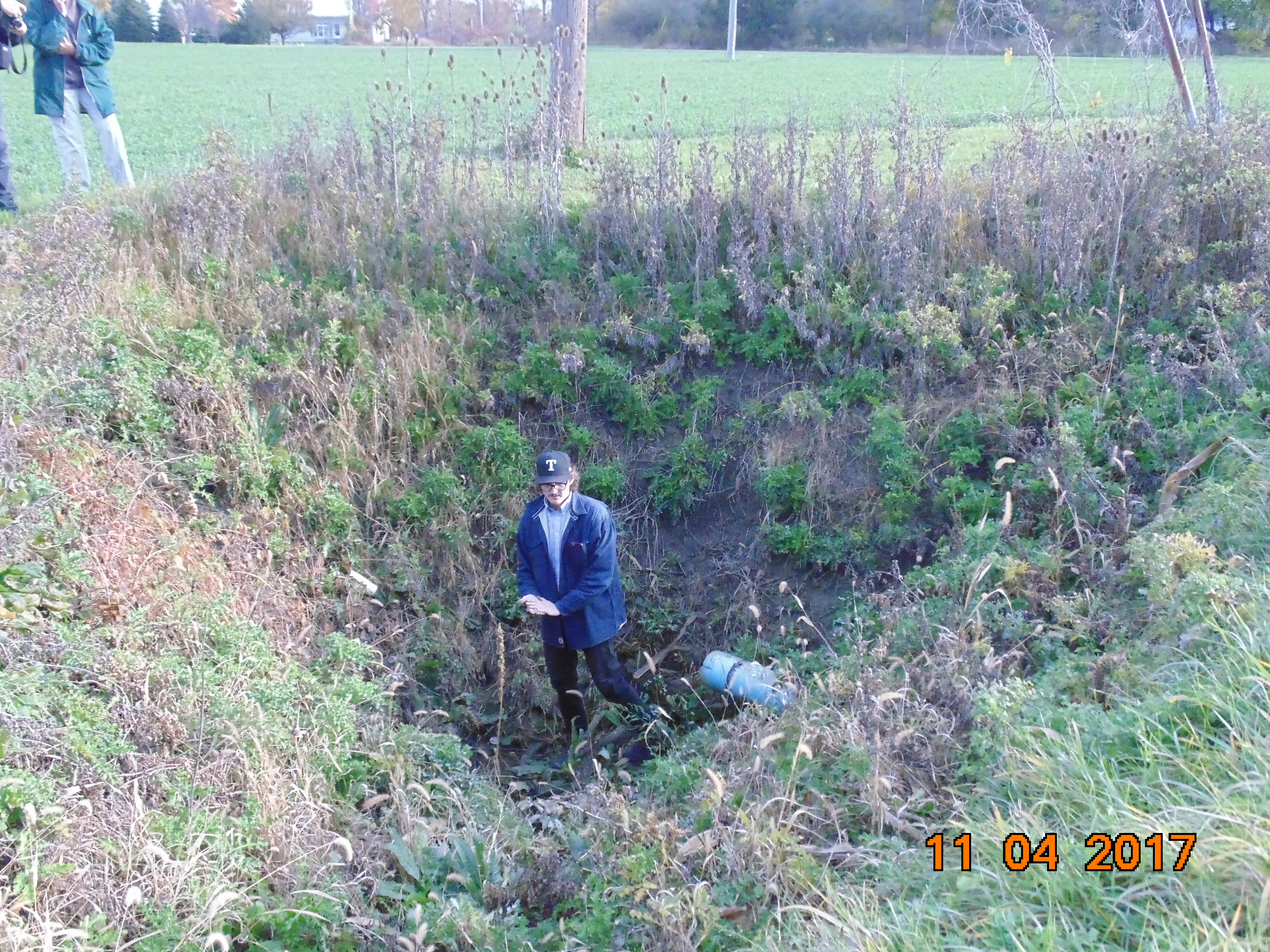
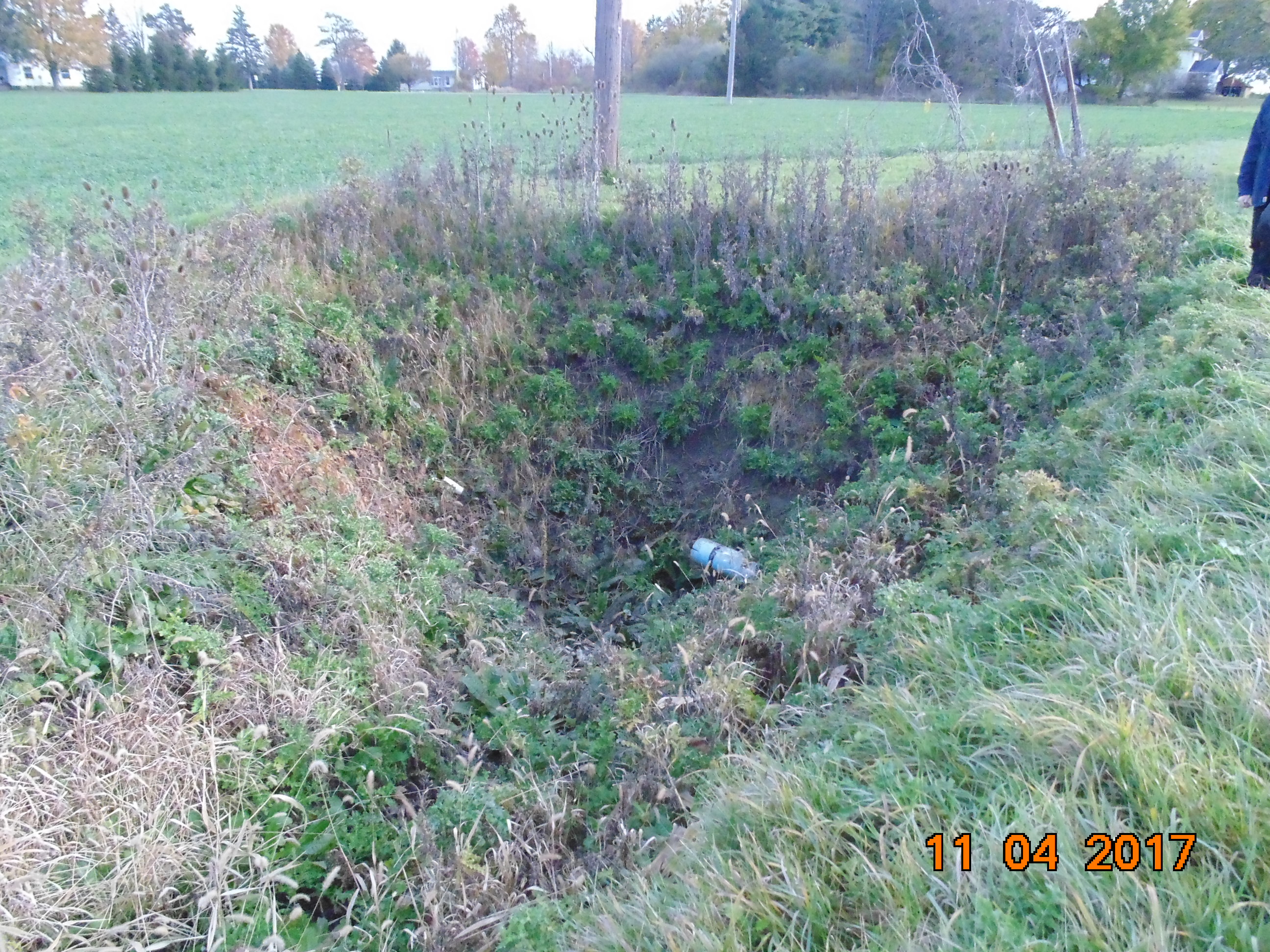
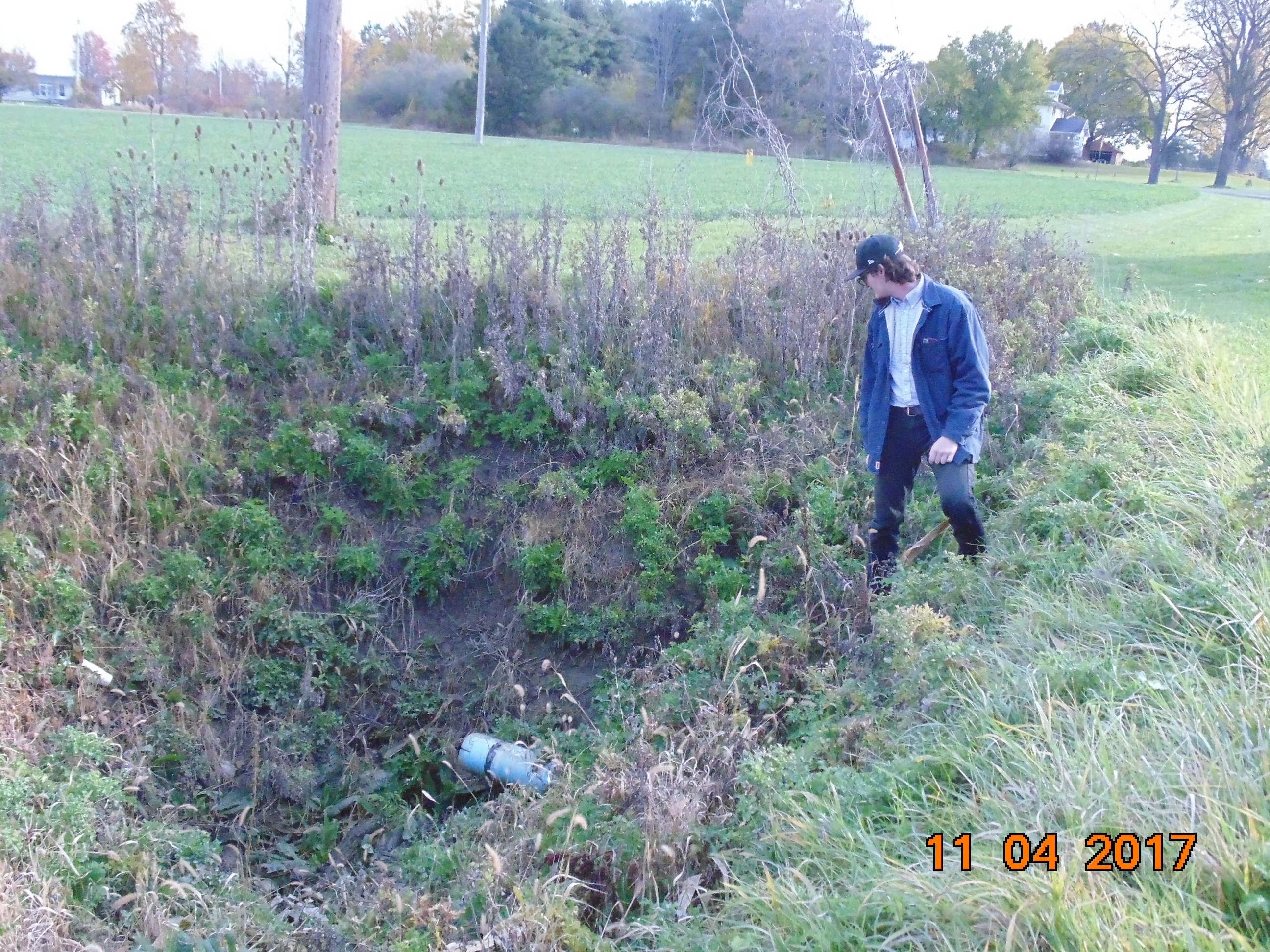
Gail wrote: After posting my photo from the Karst tour to our blog, I realized many of you may not have any idea of what I was referring to. Full-filling the educating others aspect of being a Master Gardener, I would like to offer this small article and a few more photos to help you understand just what a Karst is, their role esp. in water quality and why identifying and protecting them is so very important. In November, a group of interested individuals from varied backgrounds (incl. 3 MCMGs), led by N. Birkey, headed out by bus to get a better understanding of Karst activity in Monroe County. The goal was to visit varied sites but weather conditions restricted us from seeing all. Prior the tour my idea of a Karst was a cave and I was excited to think we might get to go spelunking; luckily we did not, as I was absent minded in how I dressed for the day. I was surprised to learn, Karsts are basically sink holes or areas where large quantities of water can be one minute and gone the next. A primary area in Monroe County for Karst activity is in Ottawa Lake, MI. There is the mystery–once a lake and now it isn’t. Where did the water go- is it really gone??? Due to limited space I will have to be brief but in a nut shell a Karst is a geological feature created because water has dissolved & eroded the underlying bedrock. In MonroeCounty much of our underlying bedrock is made of limestone. These invisible cracks become underground conduits which form caverns or sinkholes, and can also be home to unusual and often rare plant and animal species. The concern surrounding “sinkholes” isobvious. You certainly would not want to sell or buy property which could one day just fall into a bottomless abyss. On the other hand, the role a Karst plays in our water supplyis not so evident. Safe-guarding our water quality is of the utmost concern. Protecting the quality of our water supply is all of our responsibility therefore we MUST understandthe role Karsts play in this issue. A Karst can be a direct link to the groundwater table. Water that travels through the Karst is usually not filtered & the speeds the water can travel through these conduits can be as fast as 30 feet an hour or 10 miles per week. Not impressed; what if that water was carrying a major contaminant towards your well which supplies your drinking water?? We MUST identify these sites and protective measures need to be put in place to prevent accidental contamination of our ground water from pollutants due to agricultural runoff, toxins from the waste people dump into these areas in an attempt to fill in these sites and accidental hazardous spills since some of these areas are adjacent to roadways or industrial sites. Monroe County is not the only area in the state which has these formations. It is quite an interesting topic and there are many reference sites where you can read more. As a footnote-one of the riders was a student with his professor from University of Toledo. The student is updating & mapping the sites in Monroe County for his doctorate thesis. I hope Mr. Birkey will let us know when this info becomes available. gk

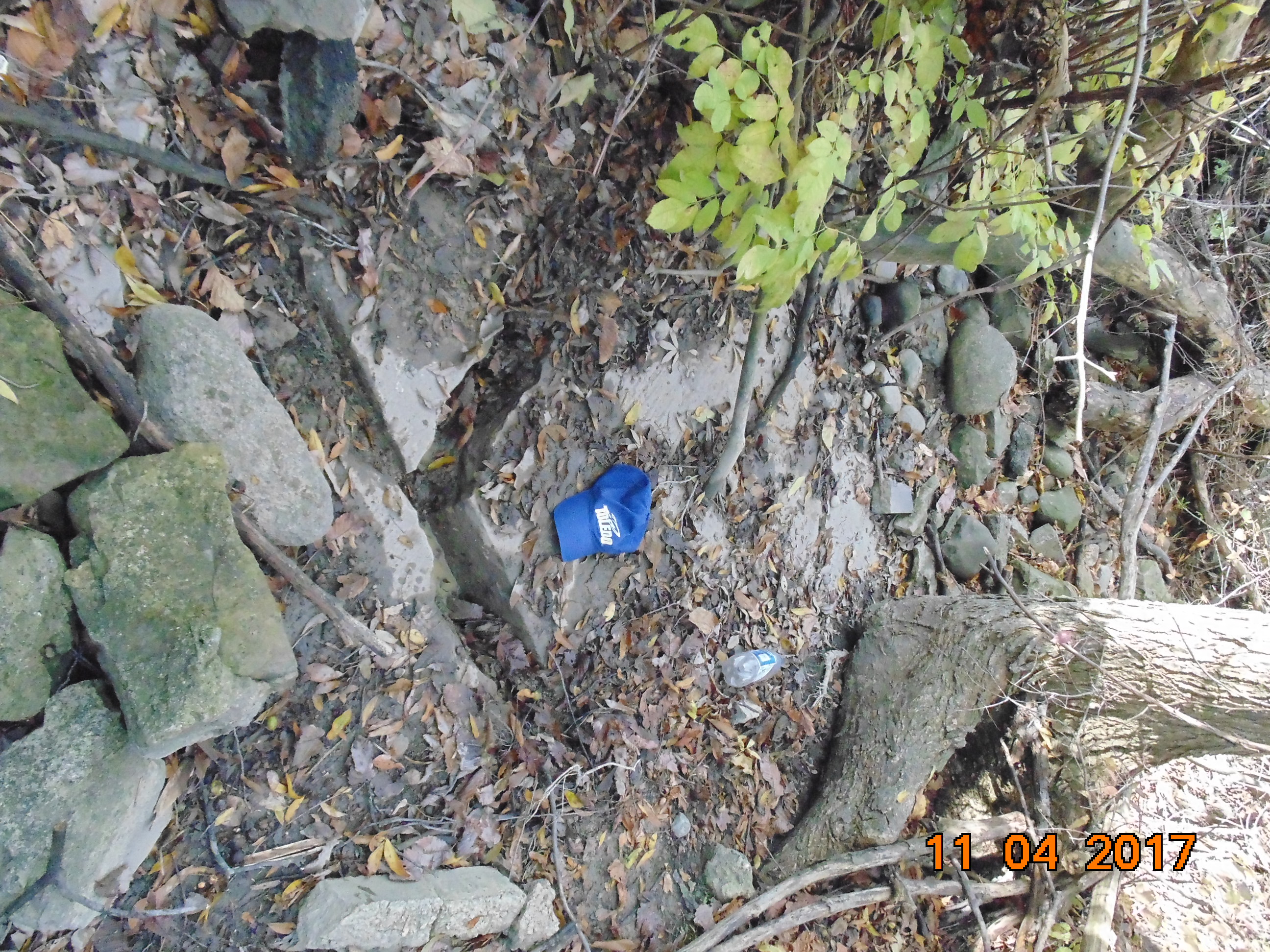
this looks like a hole.
can you see why someone would not want this on their property?
note it is in the road right of way?? what if a fuel truck or a car for
that matter fell into & tipped over in that hole?? where would any
liquid matter go??? How far away could it travel???

it would appear that i took a pot shot of weeds
(no pun intended) if not told what we were looking at we saw a ditch,
but closer review showed a gap-the conduit exposed in the rock base
of that “ditch” which ran along someone’s yard………………

If you attend this event each year, here is the link for additional information:

http://campaign.r20.constantcontact.com/render?m=1101509623126&ca=a0713f32-2216-48d0-9d3b-89f75a772df9

Year In Review

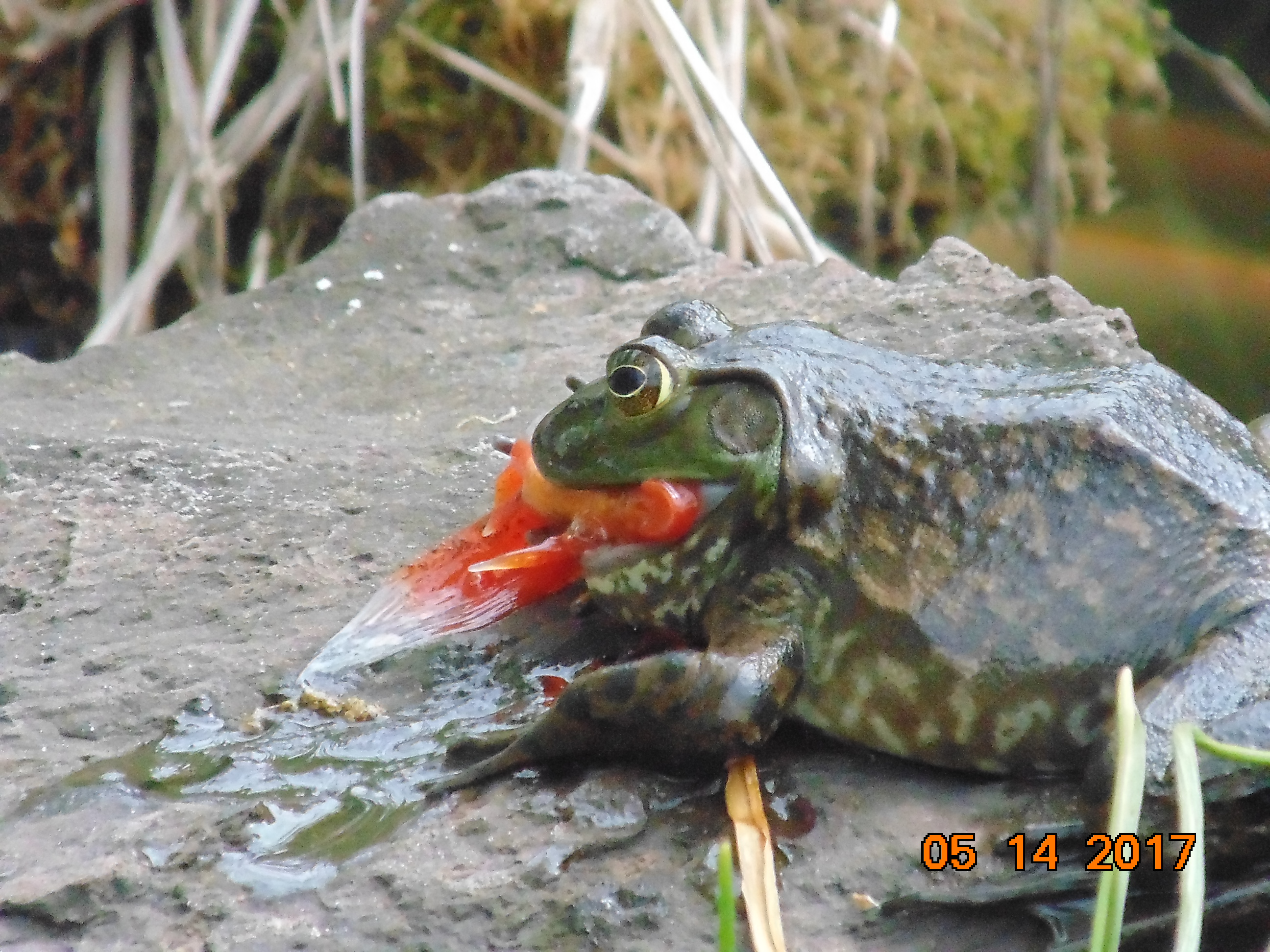
Gail sent photo for Foto Friday, but I missed yesterday. So here they are and some captions:

Hello Hope you had a great Christmas—for foto friday I thought about doing a year in review.
In January we had a very rainy winter for 2017
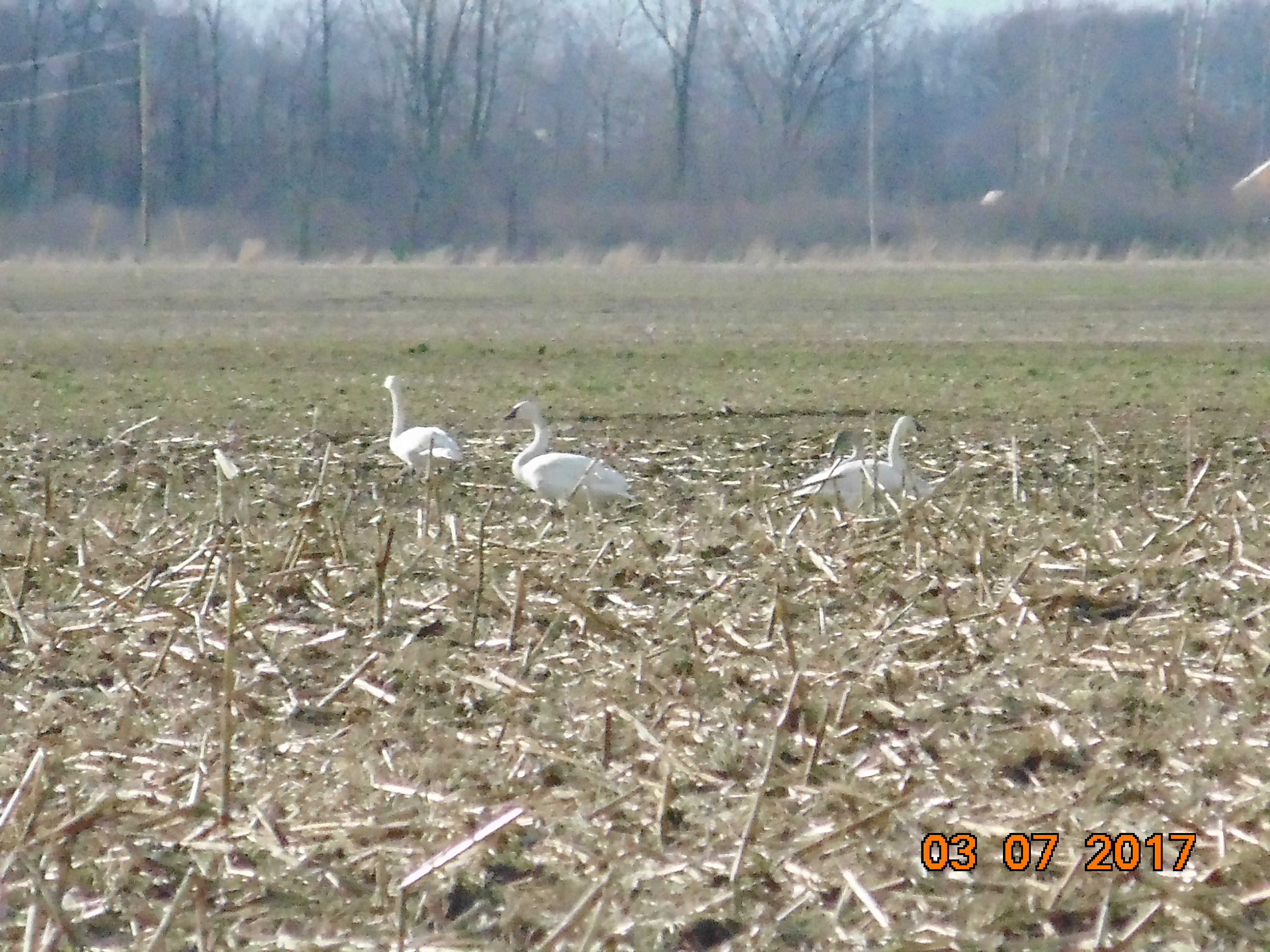
then for february migrating trumpeter swans
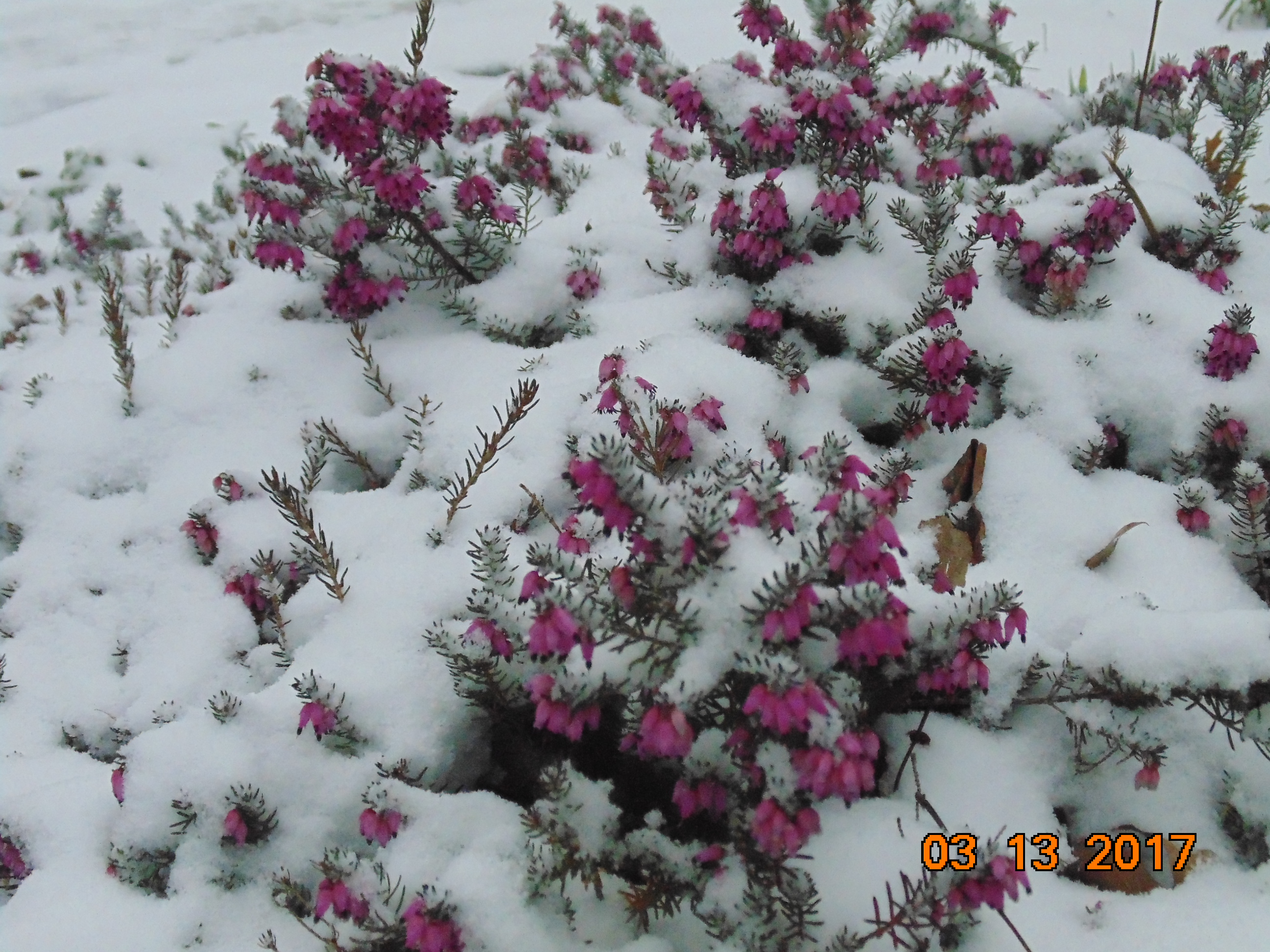
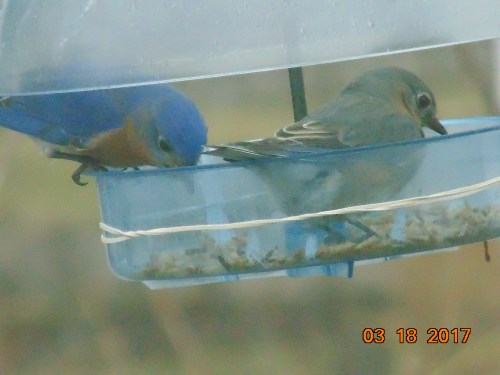
for March snow on heath plant /bluebirds
April bluebird and I think some clean up shots from extension
May we have our Logo
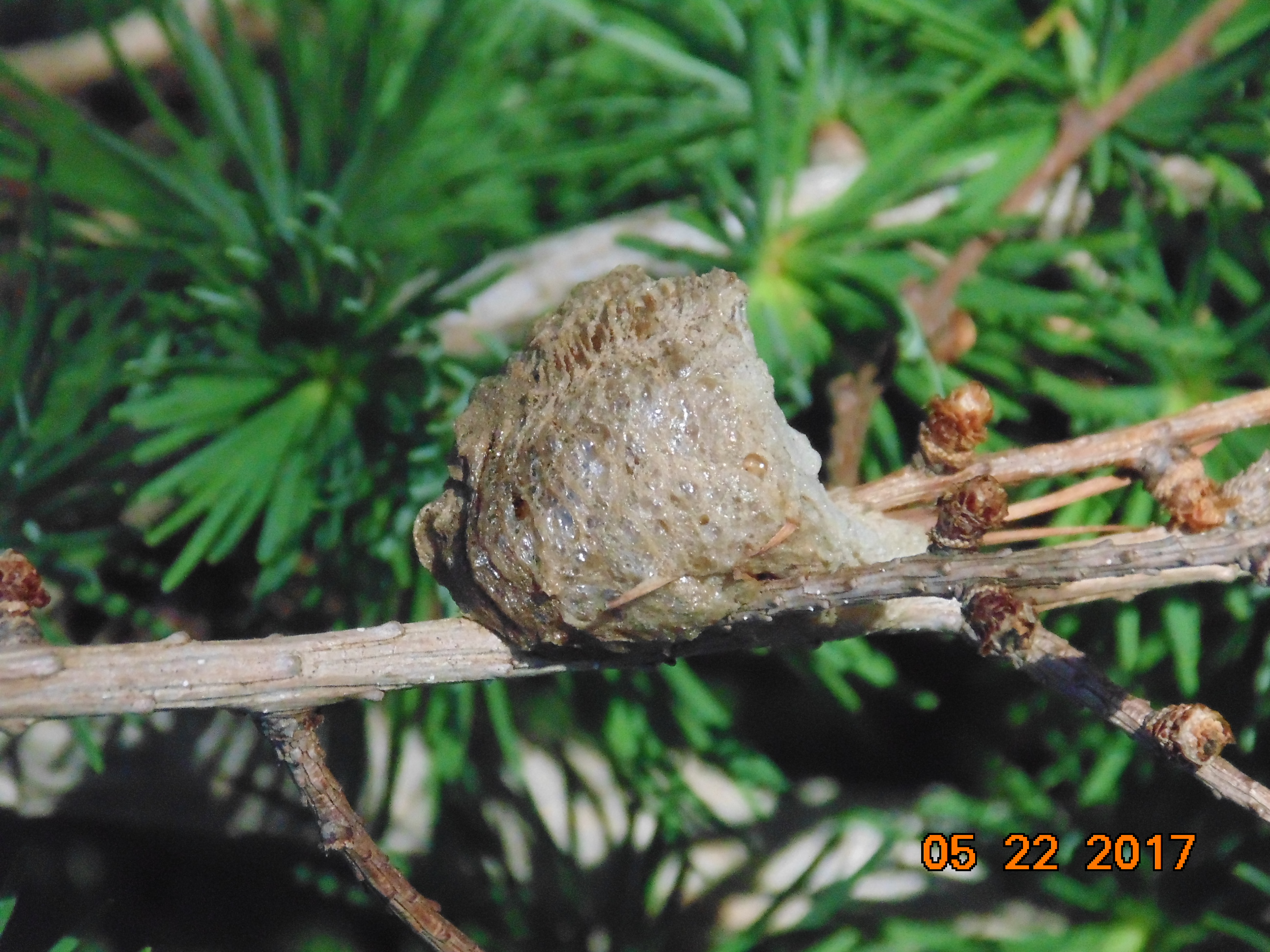
and then let’s do lunch …..praying mantis cast
June flag & poppy
and a craft sign from Trenton Garden Tour
July Good AM now I will add some clips from our tour but those will follow
as i put them on a disc
Aug. Eclipse of sun and again some of our tour
Sept we have Monarchs and a sunset and rainbows
Oct ???
Nov?????
Dec. Merry Christmas guess who the MG is driving the tractor????

A Rainy January

Feb: Migrating Swns


March: snow on heath plant

href=”https://monroecountymga.org/wp-content/uploads/2017/12/dsc05473.jpg”> March -Bluebird[/caption]

April & May

May

May-Poppy

Praying Mantis cast

Sign from Trenton Garden Tour

July-Good Morning America

July

August -Eclipse of Sun

August Sunset

Monarchs galore in Sept

Oct: Double Rainbow

Nov Full Moom

November: Karst Tour with Ned Birkey

Can you guess who the Master Gardener is driving the tractor – December