Feeds:
Posts
Comments

Continue the Quest

Photos and article by Gail K.

Sorry for the delay, but I felt given the time of year-many of you would probably not visit the blog. Besides, to continue this quest is a great way to start off the new year……. Before we start, take a moment to go back in the blog and reacquaint yourself with the subject matter—a quest to identify “the plant”. Moving on; it is apparent the unknown plant is not bittersweet, despite those berries. Since mentioning, I want to share some of the notable traits of NATIVE bittersweet. As habitats are lost– native plant species are being destroyed.
To that end- is a goal to teach gardeners how to once again incorporate native plants into their gardens. Not just flowering plants but those that provide food.

Paul, offered to help give some details on native bittersweet. Many of us heard Paul speak of this plant on the tour of his native garden. For you who did not get to attend here are some highlights. American Bittersweet-Celustus Scandens L.

First notable:glossy green “summer” foliage. This plant looses it leaves (unlike the unknown) The bittersweet are the rounded bushes in the background/ on left side of photo.
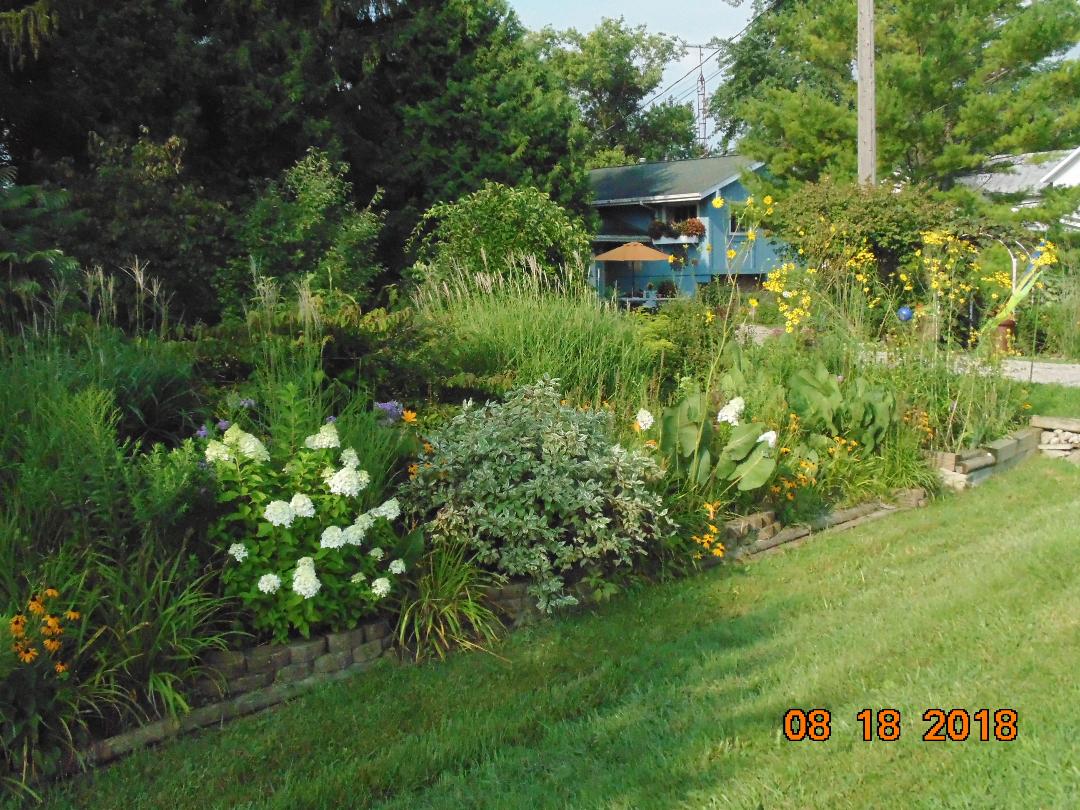
another photo……….the bush directly behind Paul


Next notable: the fruit……….

(see above) In the native, the ripe fruits are orange to yellow orange. there are 2-4 cells in each “berry” and 1-2 seeds in each cell.

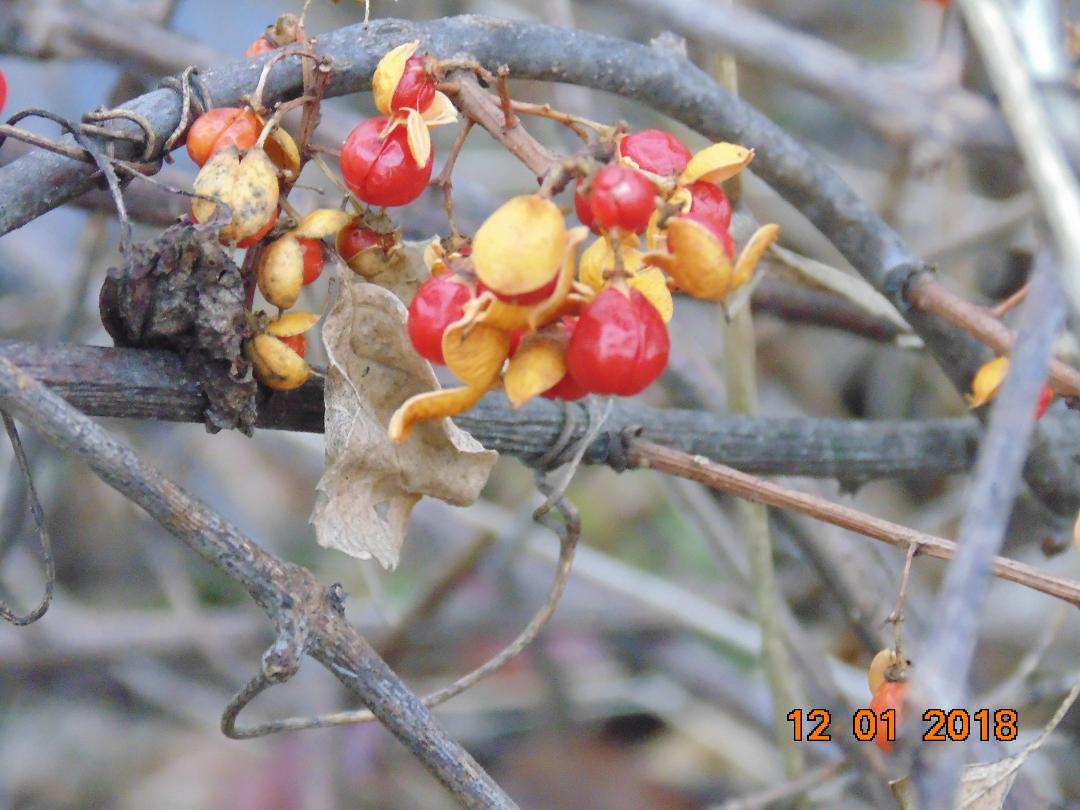
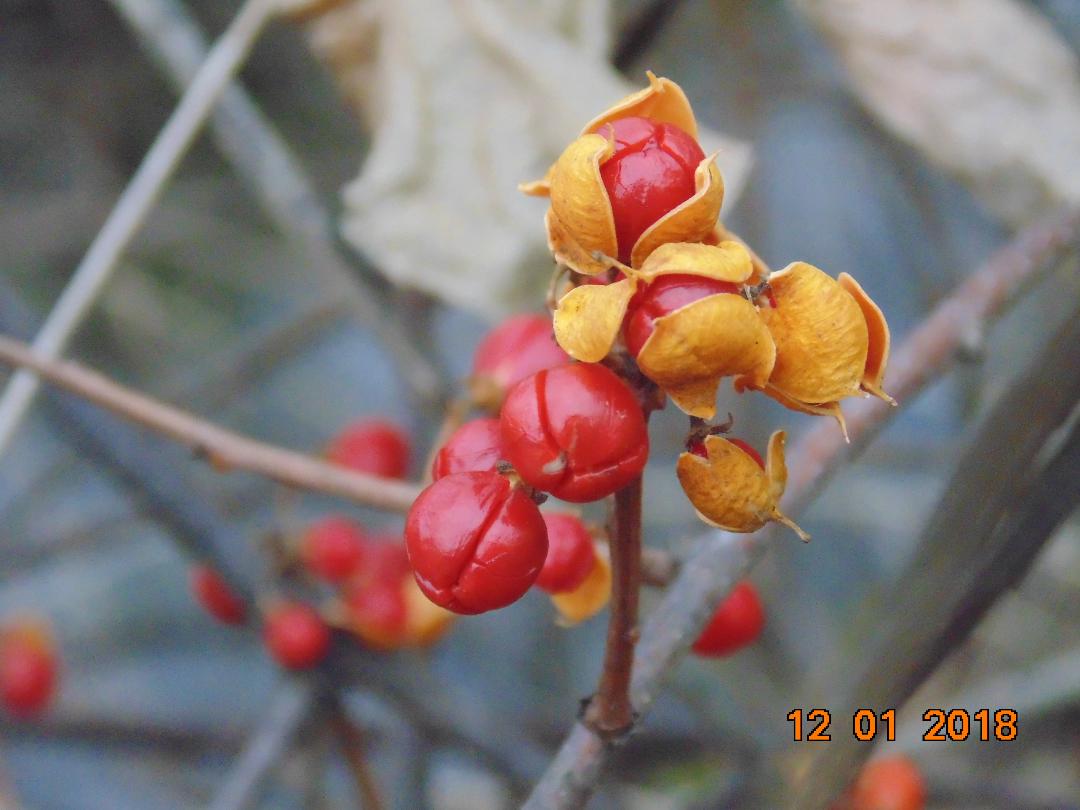
Here is the fruit of the invasive bittersweet
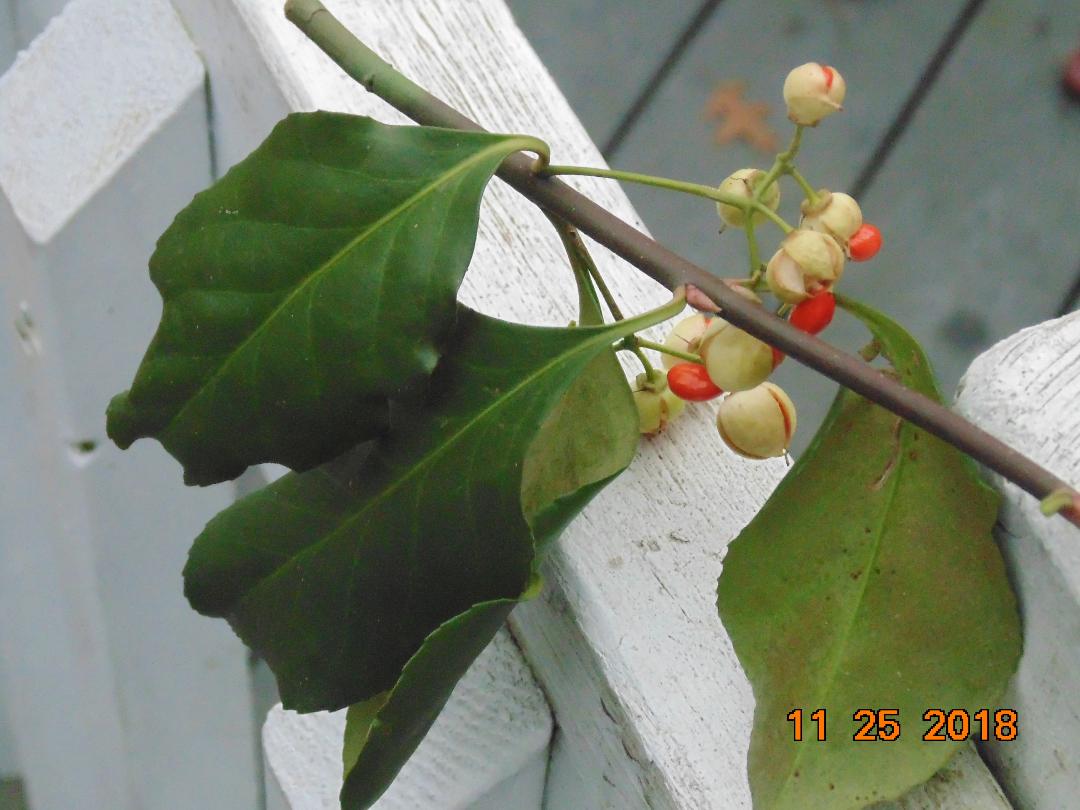
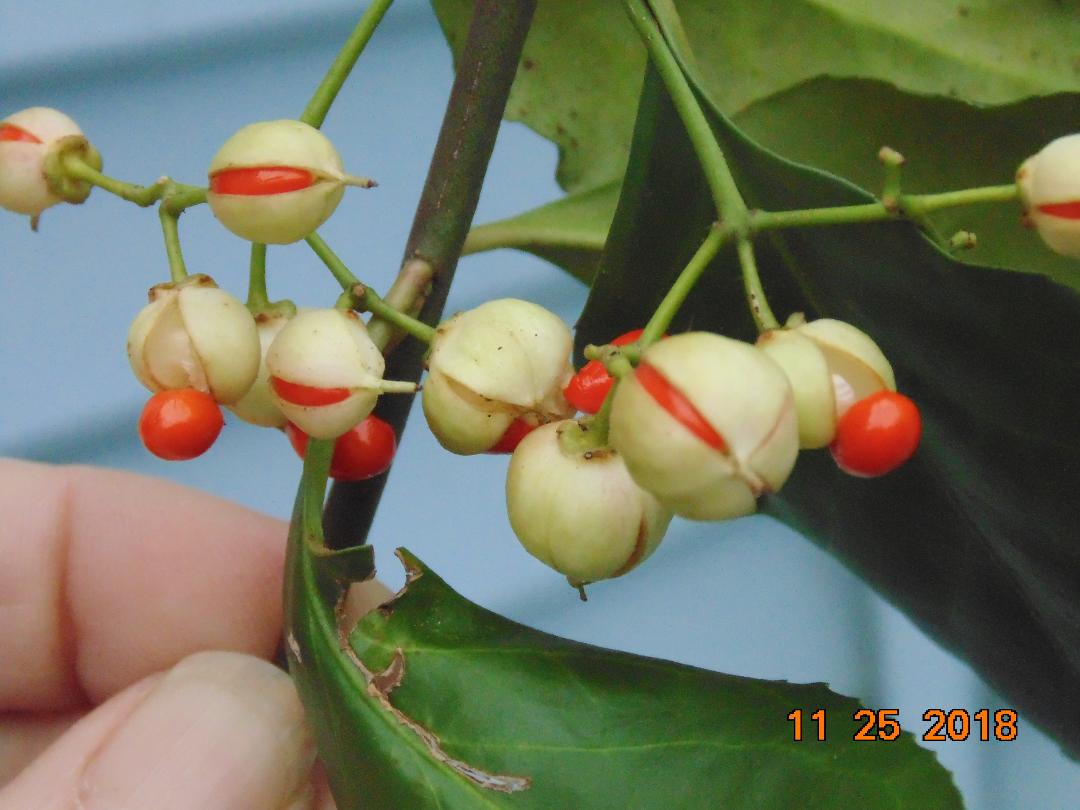
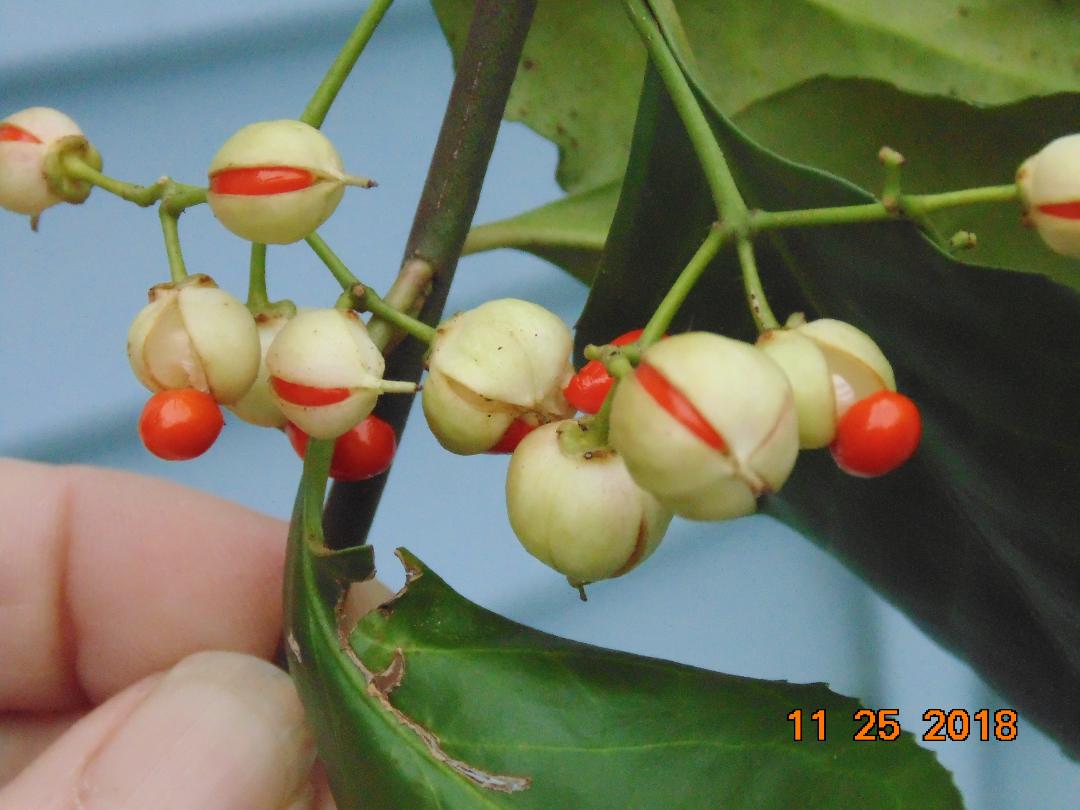
Here is the fruit of the unknown plant.
In the native bittersweet-each seed is enclosed by a bright scarlet fleshy aril–not much different than the other two plant types.
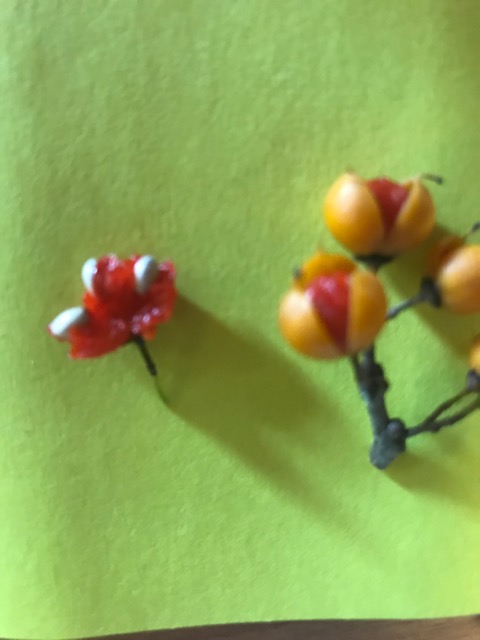
The non native produces more seeds and birds prefer them over the native berries. Another notable is the flower-the native flowers are small & fragrant–greenish white or greenish yellow in color, growing in clusters at the branch tips. Not much different from the other two plants—but the non native has higher pollen viability and is more efficient in photosynthesis. Since I don’t know what the other plant is, I have nothing to compare on that. The American Bittersweet can girdle & kill live plants that it uses for support. just like the non-native but the growth habitat of the non native is to grow “over” preventing photosynthesis. Paul has sent us some PDF info on both of these plants and I would suggest reading over these to better inform yourself. (Click on PDF file to open)
Bittersweet-American and Oriental Identification USDA

Bittersweet-American and Oriental Identification

Since it seems that the oriental is displacing the native and in some instances, if the two species are found together–there is evidence of hybridizing–conservation groups are making efforts to get rid of the oriental version. Attached is another note: and a volunteer effort to learn and to help (these can be used for your 2019 MG re-certification credits).

Next week: The answer to the quest
Save the Dates

On Saturday, March 16 from 8 to 4 at Wayne County Community College the Growing Great Gardens Seminar in Taylor, MI takes place, and this is also the date of our MG meeting. Registration is now open and MANY of our master gardeners attend this seminar. The cost is reasonable – $50 – compared to other seminars.
Registration link:
https://taylorconservatory.org/event/growing-great-gardens-2019/

In addition, on Wednesday, February 13 another great seminar is coming up – the 2019 Plants of Distinction at the Sheraton in Novi. Mary Wilson sent out an email recently advising us to “save the date” and she will be sending another email as soon as registration is open.

Thanks,
Naida

Photo Friday

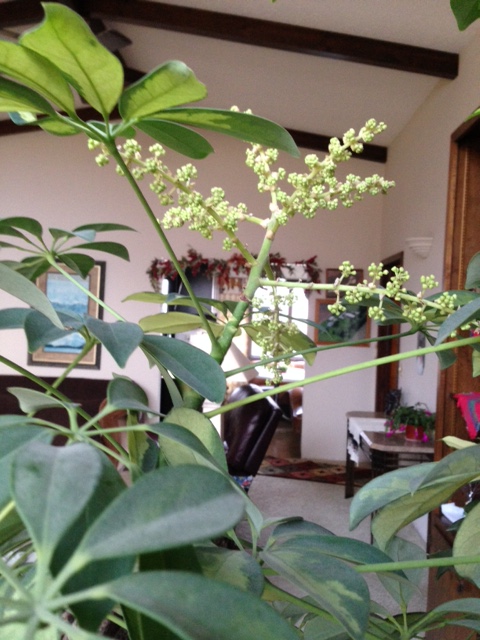
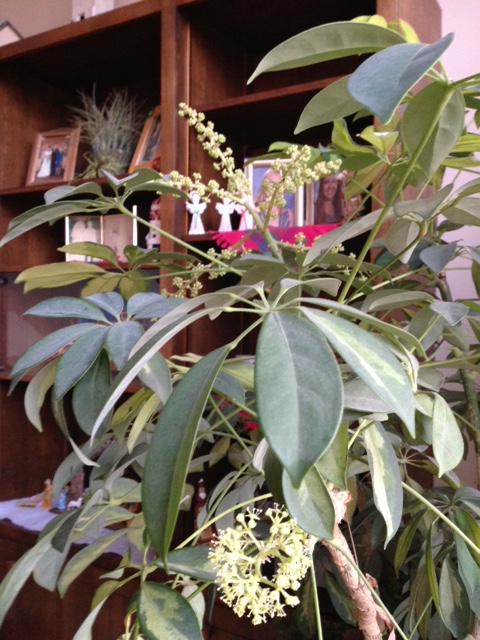
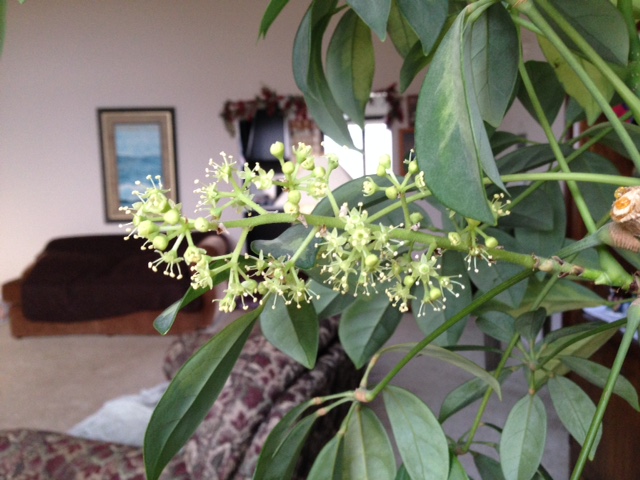
Naida sends us these photos of her Schefflera, Umbrella plant. This is a first for me. Have you ever seen one with blooms before? It’s fun to see blooms in these cold months. Thanks Naida

Book Review from Winnie

Book review and some research.

Fences and Hedges and Other Garden dividersBy Richard Bird, photography by Stephen Robson.
When I chose this book for a review, I found it much more entertaining and educational than I first thought. To me, it is much more than a project book as claimed on the cover. I would recommend it just for the beautiful photos alone. Each fence, trellis, or hedge (and more) has a materials and equipment list and a detailed fold out page of instructions including sketches and diagrams. There are also instructions for pruning and trimming.
When reading the fruit wall section I learned a lot more about all manner of fruits that can be trained in different designs. I knew espaliers-but cordons and fans, pleaching and palmette? So that led me down some rabbit holes of research giving me a deeper understanding of the different techniques which I will attempt to explain here.

Pleaching or plashing is the art of training the canopy of trees into shapes that create a ceiling or tunnel. Some are planted in a straight line and pruned to a flat surface above the desired height of the trunk. Branches are tied to wire or canes to make tiers and kept in design by regular pruning. I have seen trees like this but didn’t know the name of the design. The talent of training fruit bearing plants and trees goes back to the Romans and Egyptians. However Europeans, especially the French, practiced and developed the designs we are more familiar with in current times.

Palmette is fan shaped espalier design and cordon is the growth of a tree as a single stem with several branches trimmed to grow outward then turning upward shaped like a candelabra. Pollarding is a technique of removing branches of a tree far enough up to keep wildlife from bothering or eating them. The next step is repeated removal of branches creating a thick trunk with thinner branches above it. The foliage is lovely but you may liken it to a work of art when the leaves fall and you see the skeleton of the tree exposing a sculpture like design. Coppicing cuts the branches of a tree nearly to the ground yearly to harvest wood for different uses. The low canopy of foliage can be a habitat for wild life as well. This technique is used widely in woodland management rather than designed gardening. So these are some descriptions of a few different techniques I found after my interest piqued and I started looking for more information. Alas, I do not have illustrations.

I found a few good reasons for pruning trees to espalier designs. 1) They take up much less space so even a small yard or up against a building would accommodate their growth. 2)They are easy to train when they are young. 3) The sun reaches the spaced-out foliage better and results in the ripening of more fruit. 4) It’s easier to reach early fruit to thin for larger fruit growth.
I actually focused on the espalier design for this report, but I would recommend this book if you are interested in building or enjoy viewing well illustrated walls, hedges, fences, or decorative dividers. There are several pages in the back of the book showing basic techniques of building and gardening techniques as well. I’m not intending on building, but I just loved the illustrations of plants, flowers, trees and gardens. This book would also make a nice gift.
Winnie Webb. Master gardener.

Bittersweet

Gail writes:
Good Day: the quest continues to identify the plant in last weeks blog. Winnie sent in the lone comment; could it be some type of bittersweet? Initially I too thought the same, as I used the berry to try & narrow down the the options; but without success. While the berries offered a good start,
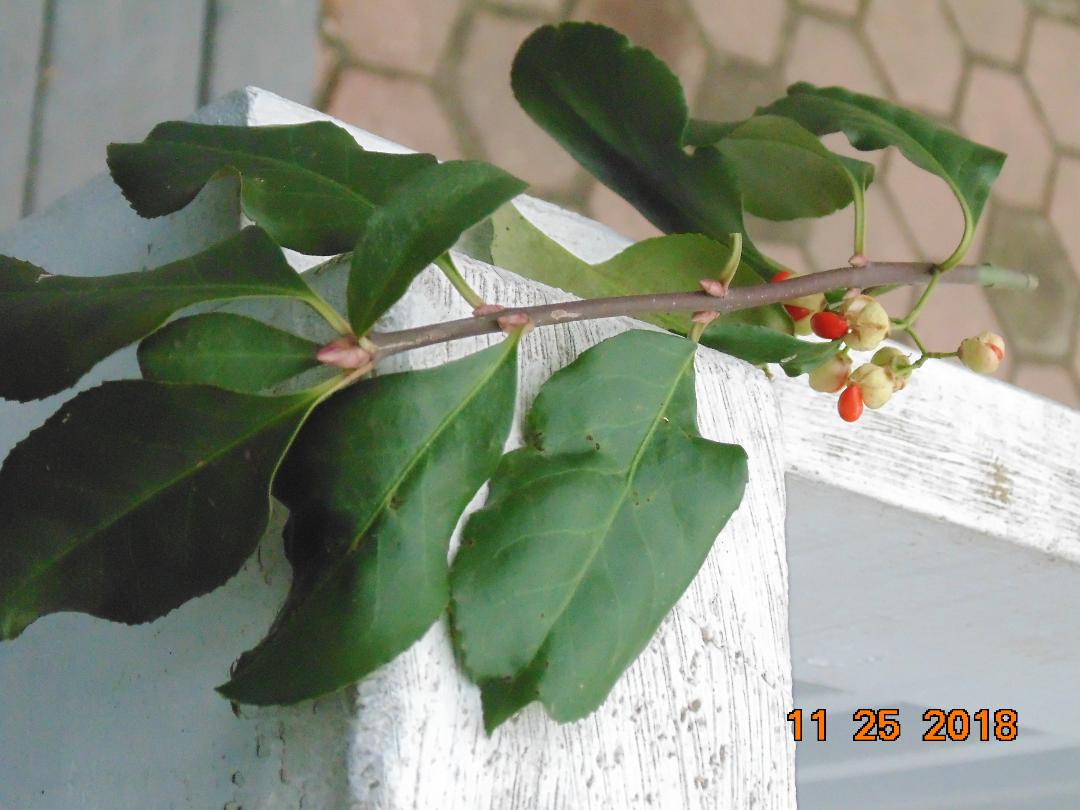
as master gardeners we know we must look at all aspects of the plant if we are to identify a plant accurately. (below is a refresher picture of the plant in ??) With not having much opportunity at this time of the year for outdoor learning, we (Linda, & I and a secret partner) have decided to make this quest educational….
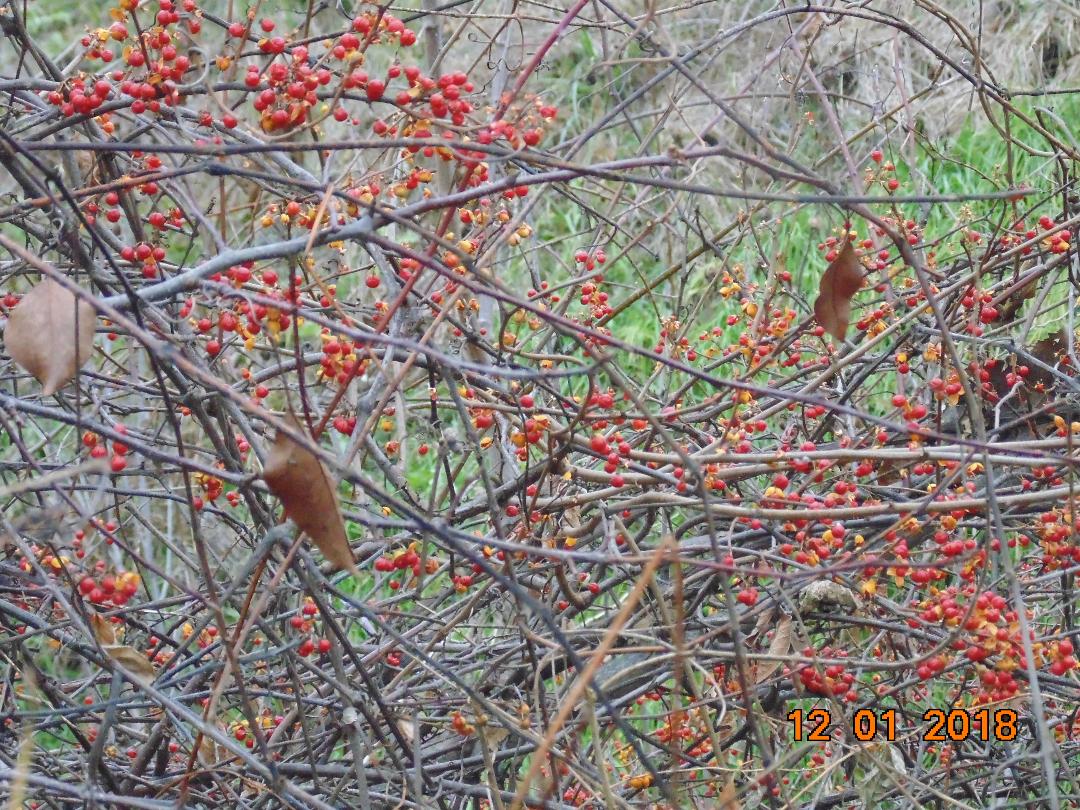
Winnie did not mention which bittersweet. So let’s start with an intro: As you all know there are two types of bittersweet-the oriental and the native. Paul will be helping me with the native version. As for the oriental–all I had to do was drive around Bedford Twsp to find it—-patches of blazing orange dot many of the roadside ditches, making it easy to spot.

above: note the structure of the oriental bittersweet. An entanglement of leafless branches… an obstructive growth along the ditch banks. This plant is extremely heavy and if allowed to grow into say a nearby tree- it can and most certainly will bring down the branches in time. It is very prolific
and despite it’s fall beauty– is considered to be INVASIVE. It has become so prolific that efforts to rid protected areas of this plant are underway as we speak.
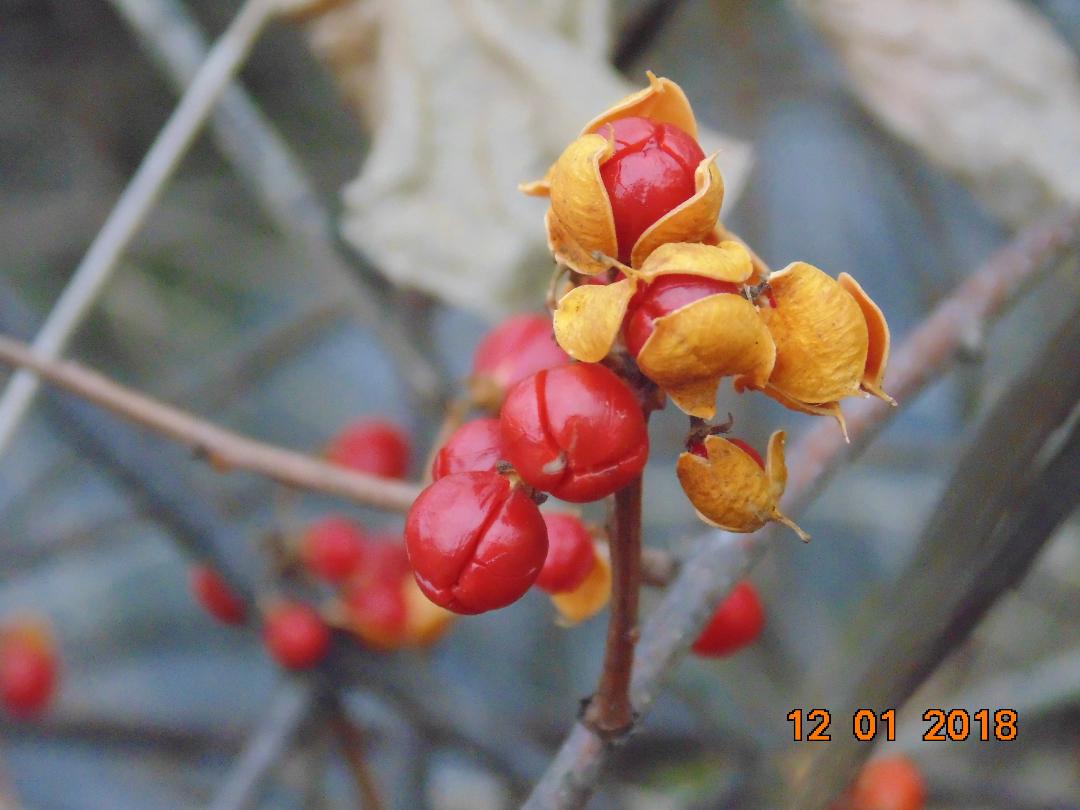
BELOW: the plant in question–what is different?? Structure, leaves–seed pods???

Speaking of seed pods—–let’s take a closer look. Here are two pics of the seed pods from the oriental bittersweet.


We will discuss the placement of the seedpods when we compare the native bittersweet…………
Let’s look closer at the seeds, compare the two the oriental bittersweet…….and the unknown

the oriental bittersweet seed. See the defined divisions within the seed pod?
Open one and you reveal a white seed in each divided section of that pod.


<a
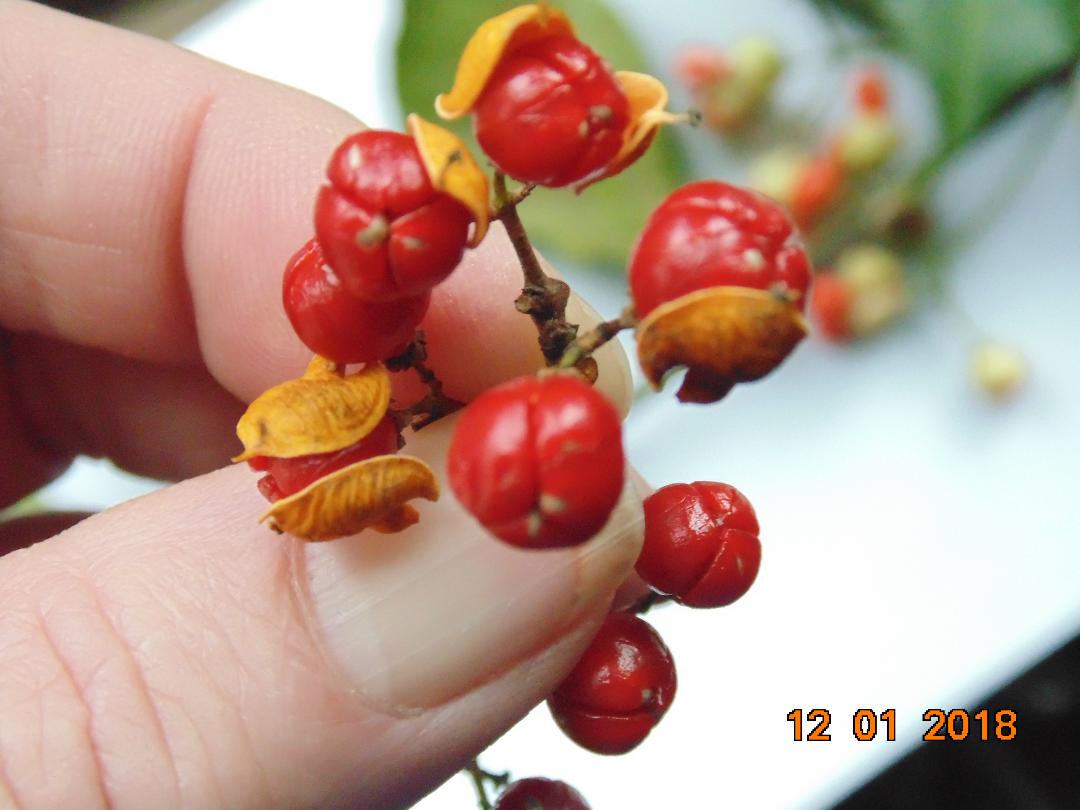
Now look at the berry of the unknown plant.

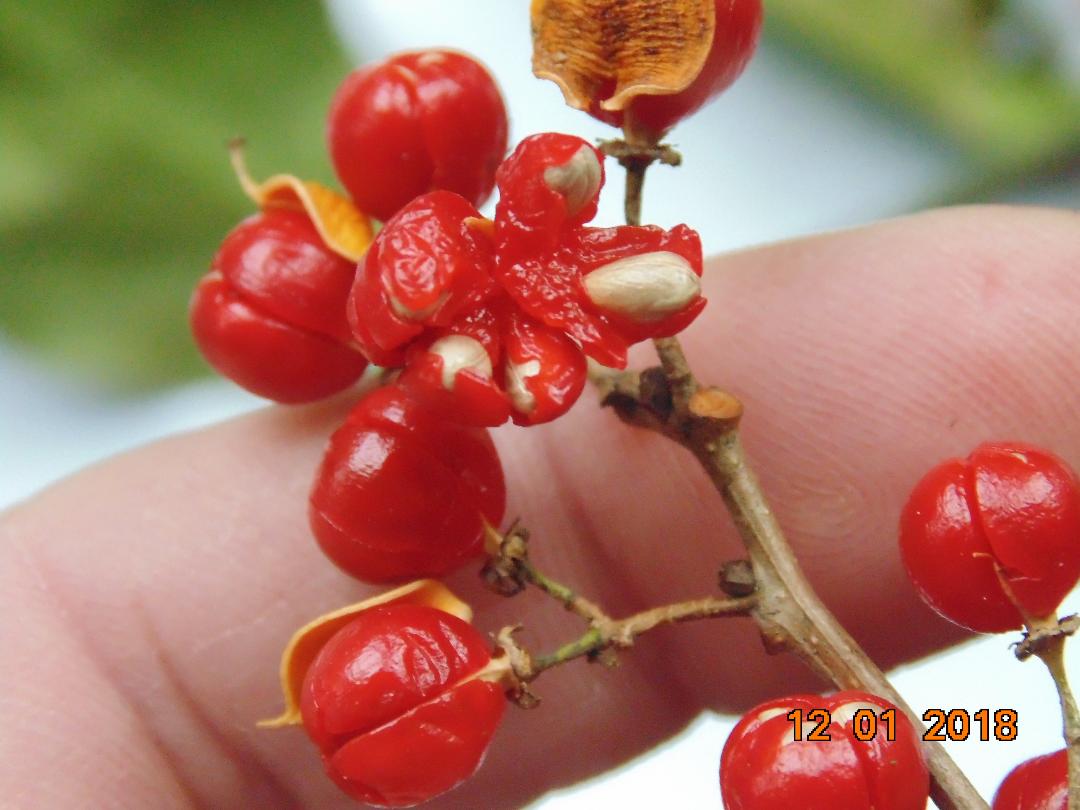
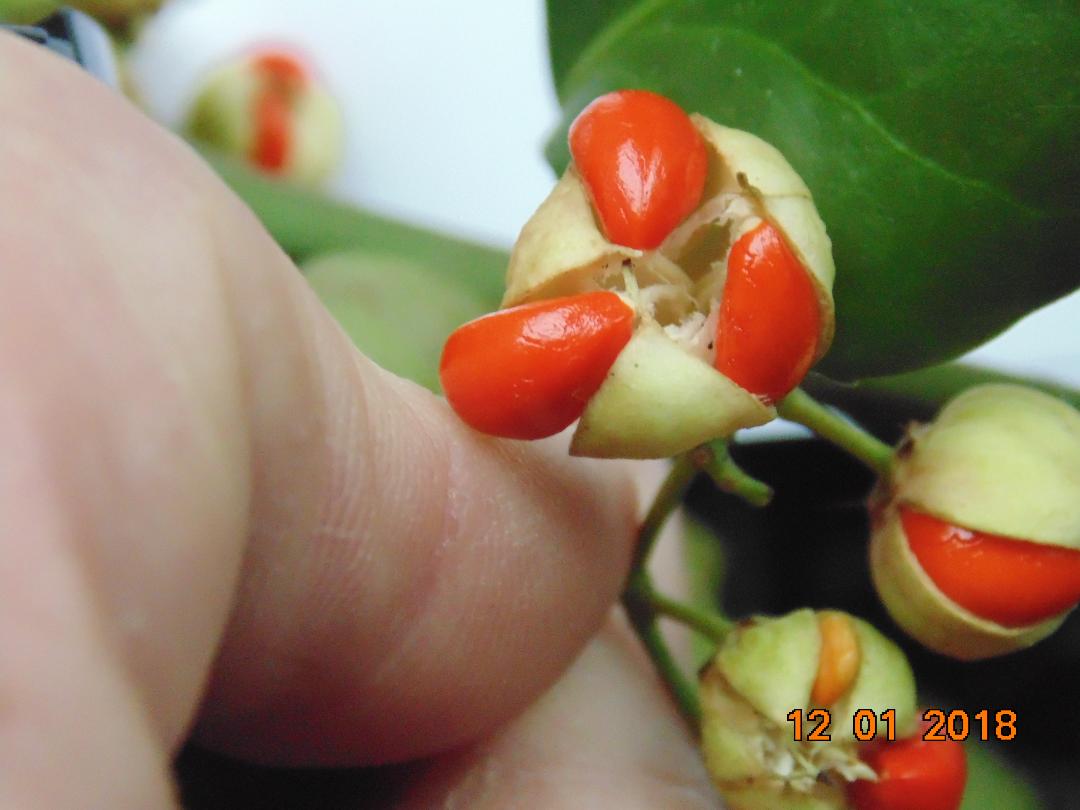
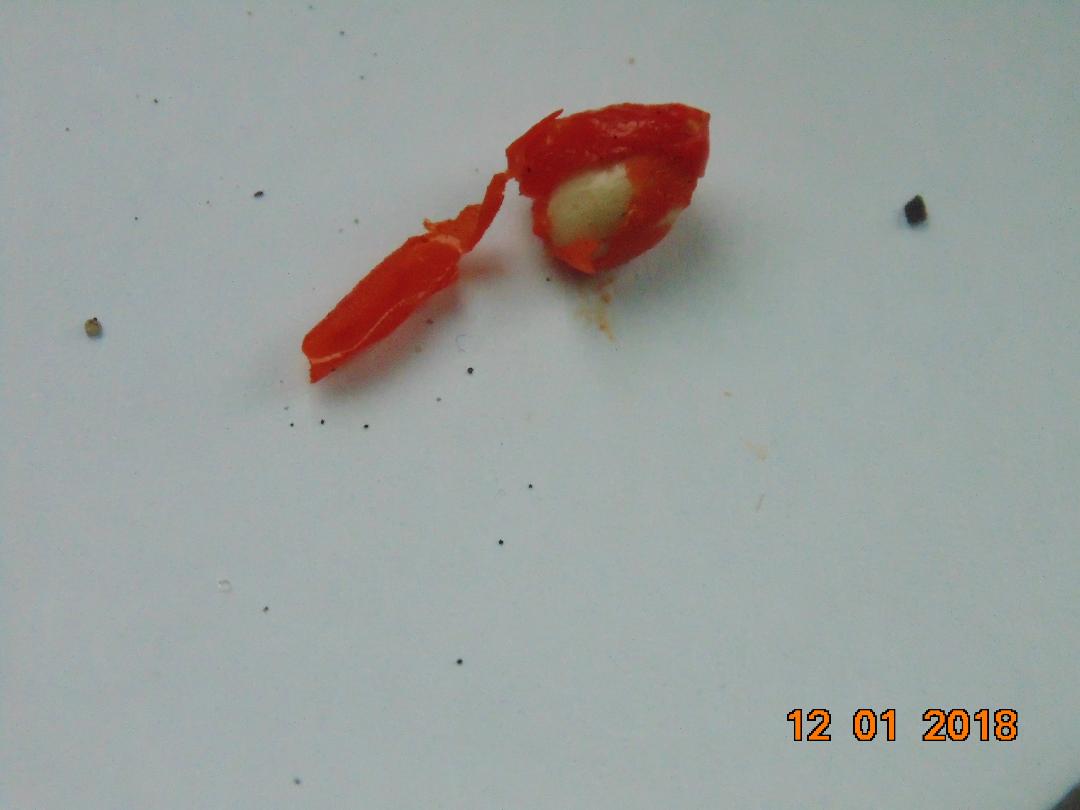
Some very obvious differences I would say. Not just in color, but in the very structure. Open one of the berries on this plant and again we find one seed.

What do you see?? That seed looks an awful lot like the seed from the bittersweet plant. I think we can safely say it isn’t the oriental bittersweet plant but Could we be looking at a plant that may be in the bittersweet family??? Keep reading, together and with help from our secret partner; we can & will conquer this quest. To assist your research–here is another clue. This plant reseeds easily
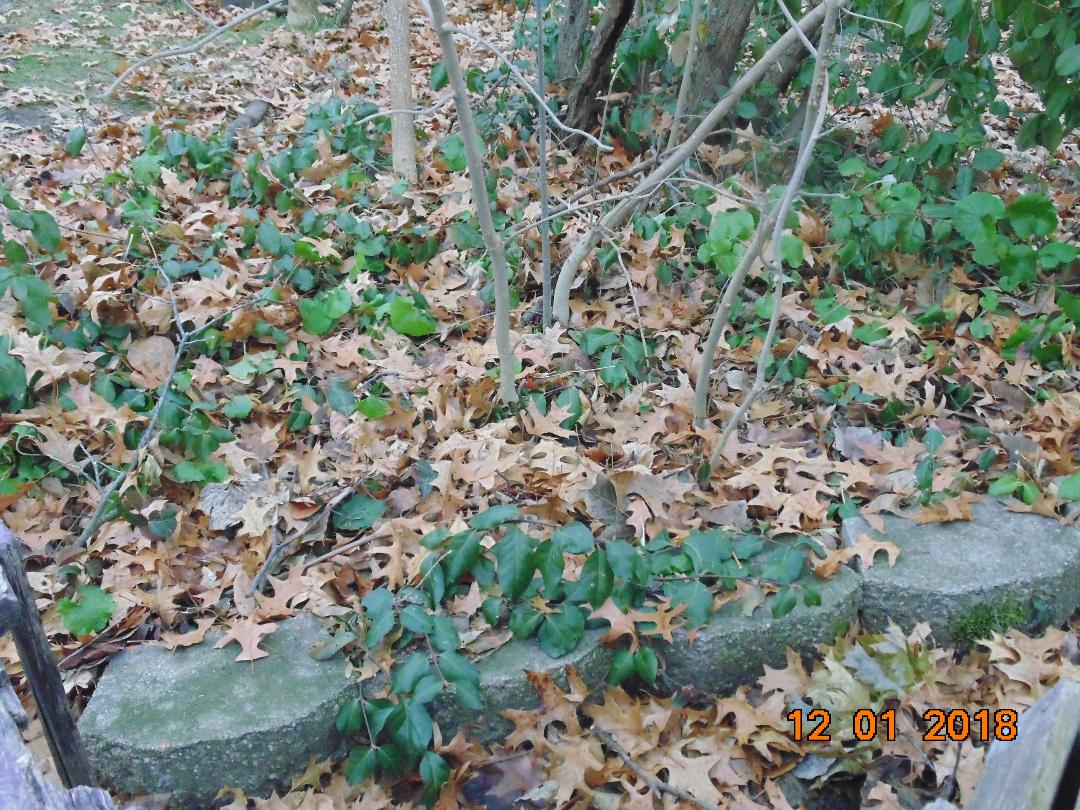
once it lands on the ground; but performs as a ground cover before it matures into a woody shrub….(duh–never even gave that a thought). Here is a picture depicting that growth habit-the mother plant is just to the top right side of the picture.

With help from our MG member Paul who is well versed in native plants–we will
study the native version of bittersweet……..gk

Identity Issue

Gail writes:
Does anyone know the name of this shrub???? When we moved into our home in 1977—the elderly lady next door,
shared how she and her deceased husband used various gardening practices (chives under bushes to cut down on mosquitoes). One of my earliest exposures to” organic gardening techniques.” among her many plants, one has survived the many “new neighbors” but I have never been able to figure out what it is. So I decided to let you all help me (PS I do not have a smart phone–).
Evergreen in nature–but not conifer insignificant-small white flowers, emit a grape smell flies & bees just love the berries which follow in the fall remind me of bittersweet- not orange….but white, and when ripe they pop open to reveal a bright red berry like seed.

The plant reseeds easily and the bush can get quite large thanks ahead of time……………..gk

Banquet

by Gail K.
Once again, we find ourselves at the end of our growing season. Most of us have prepared our gardens
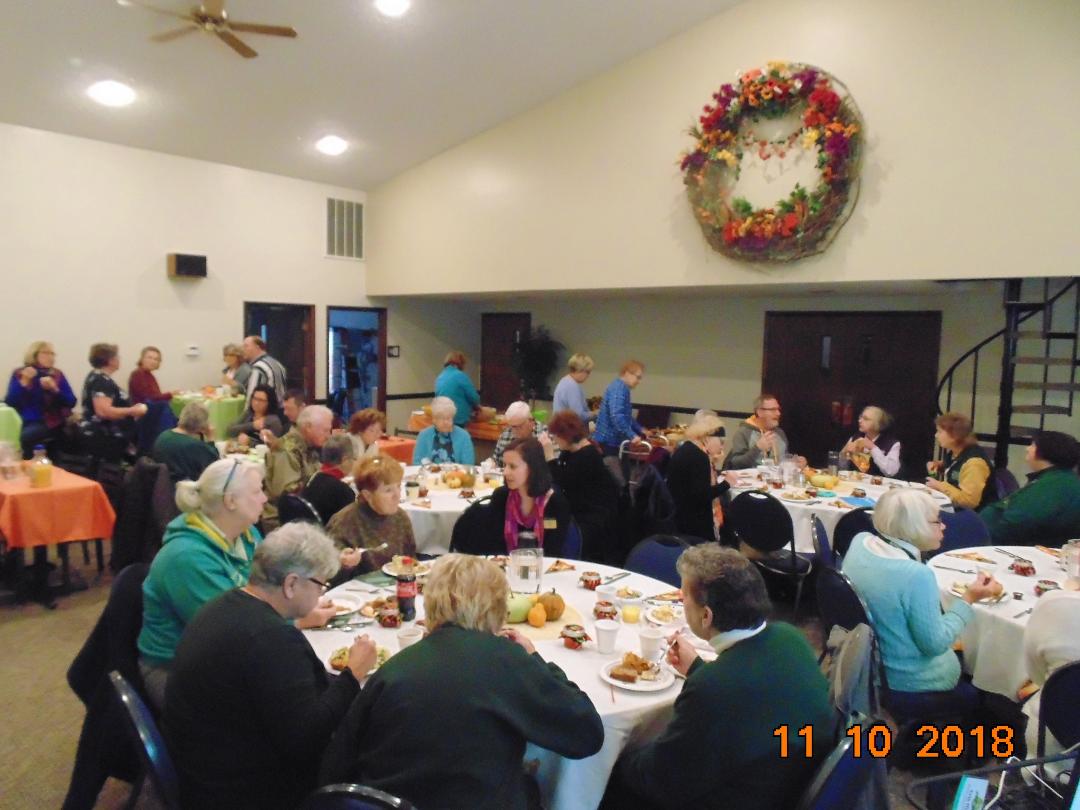
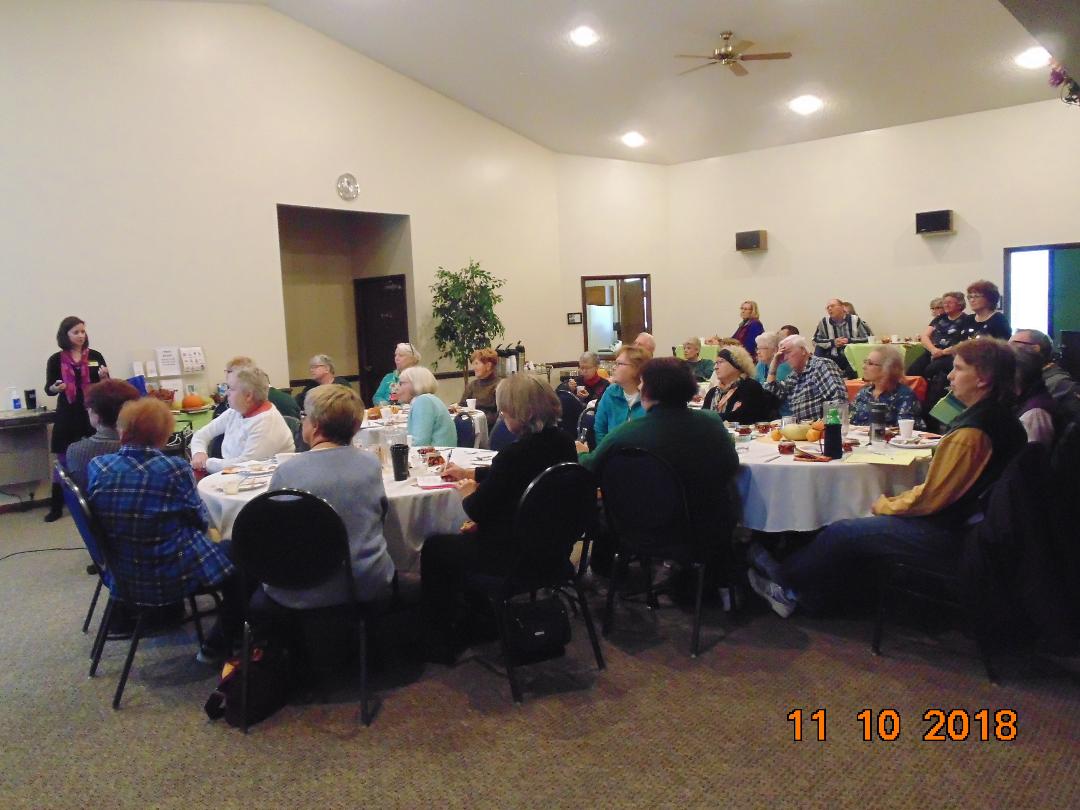
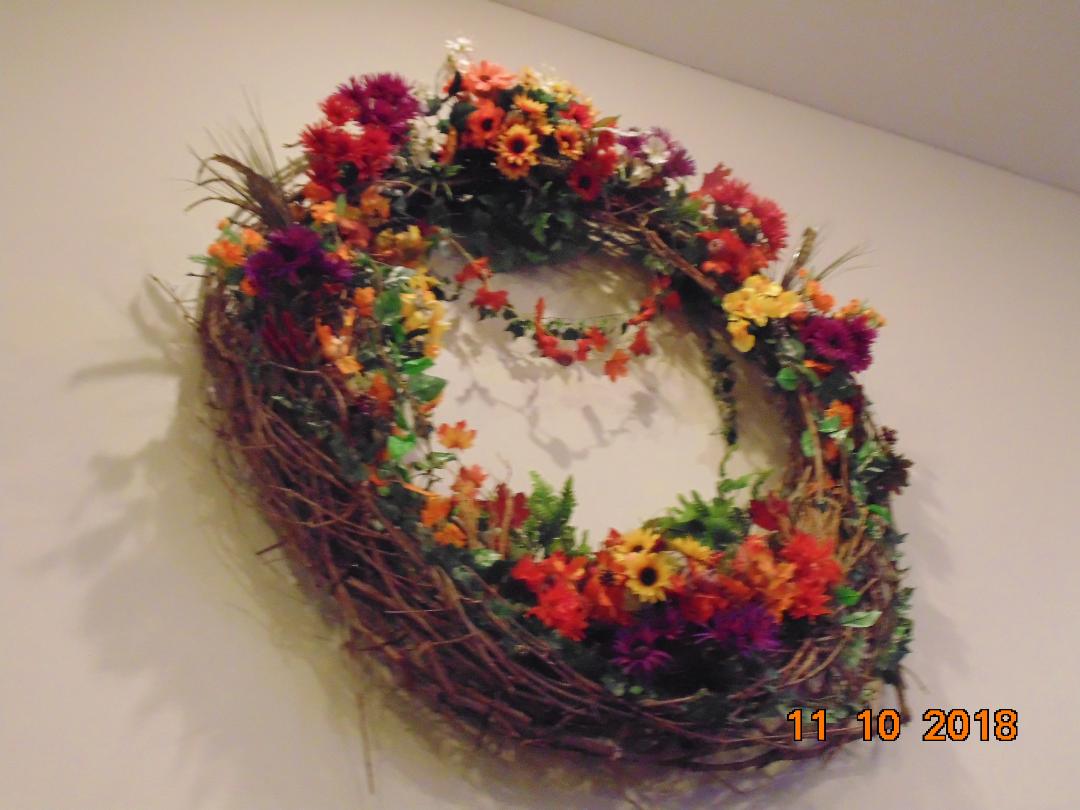
for the upcoming winter season. On Nov. 10th we held our annual banquet to celebrate the fellowship
of the Monroe County Master Gardener Assoc. & Horticulture Club during the past year. I would like to
share with you some of the pictures from this event.

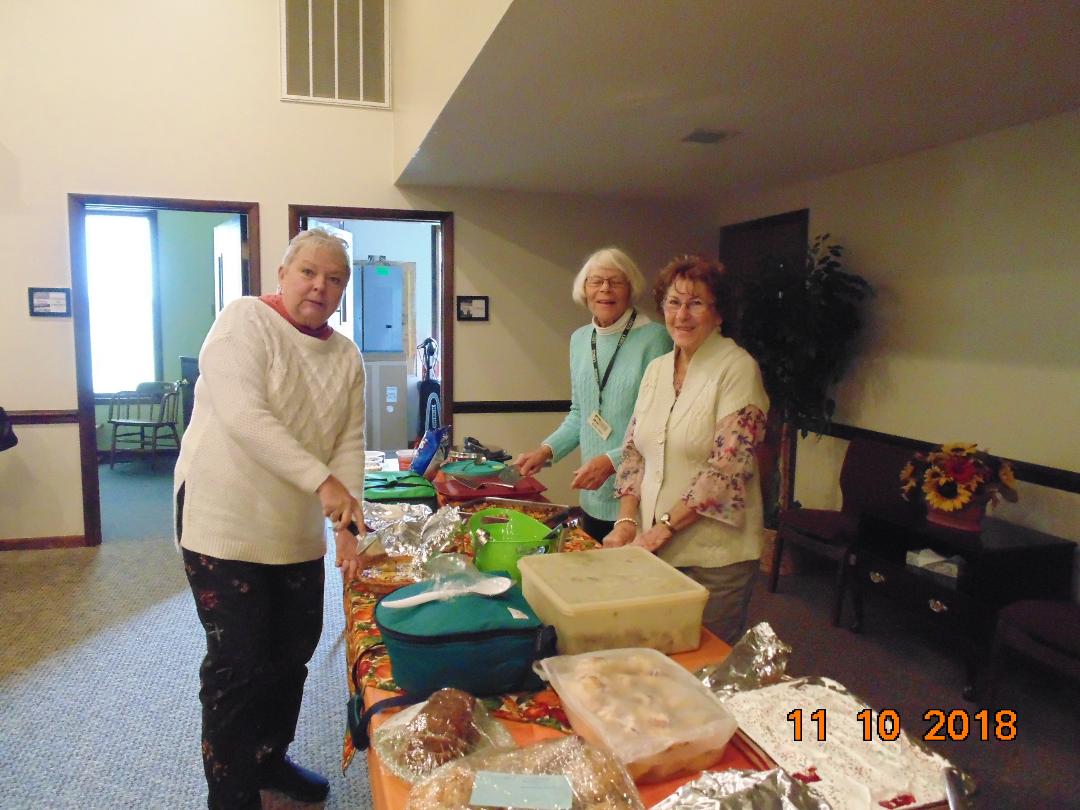
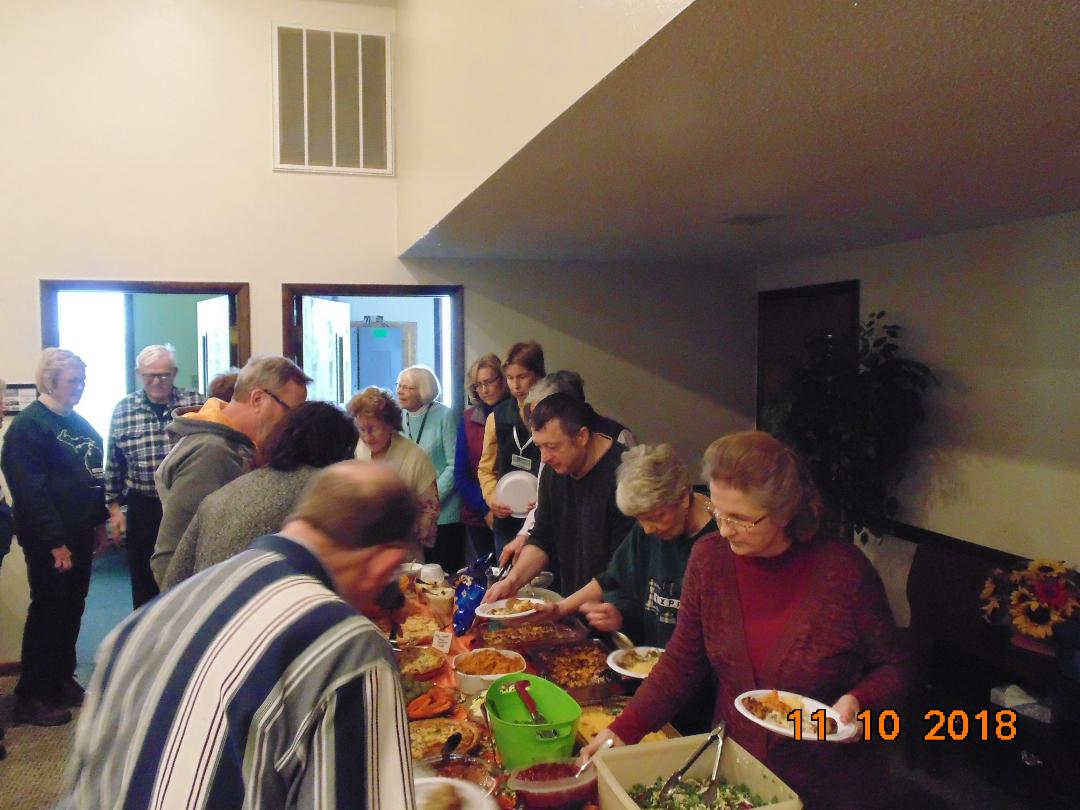
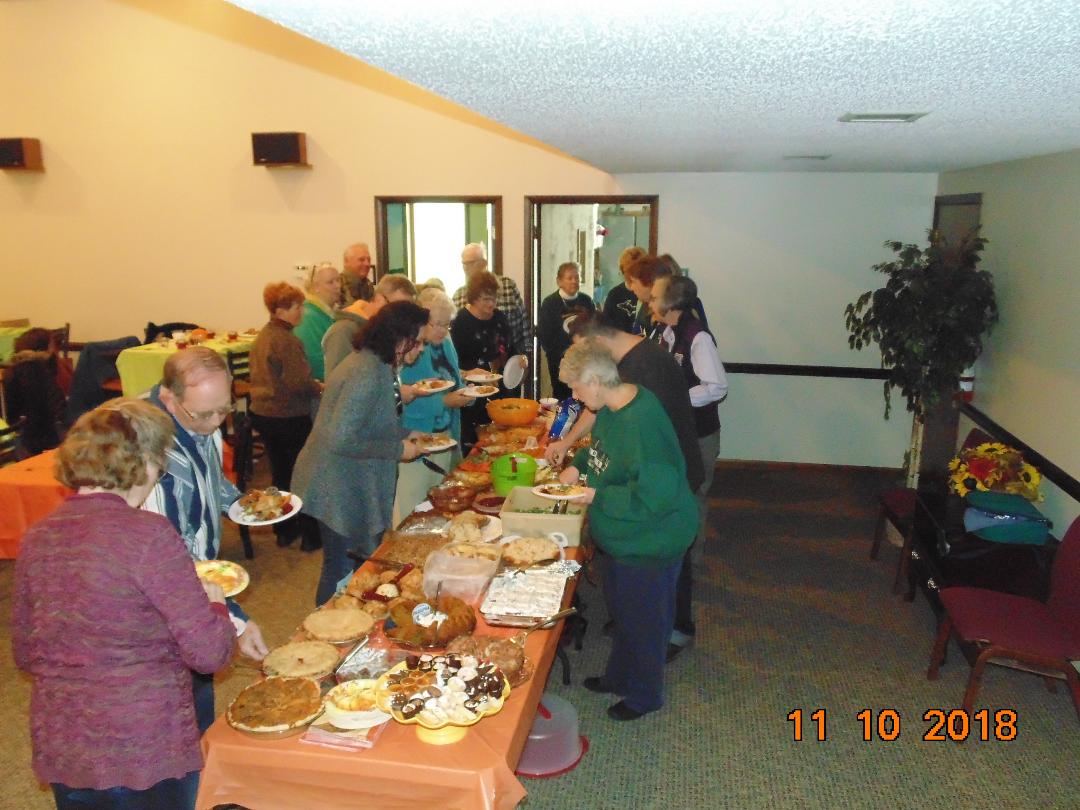
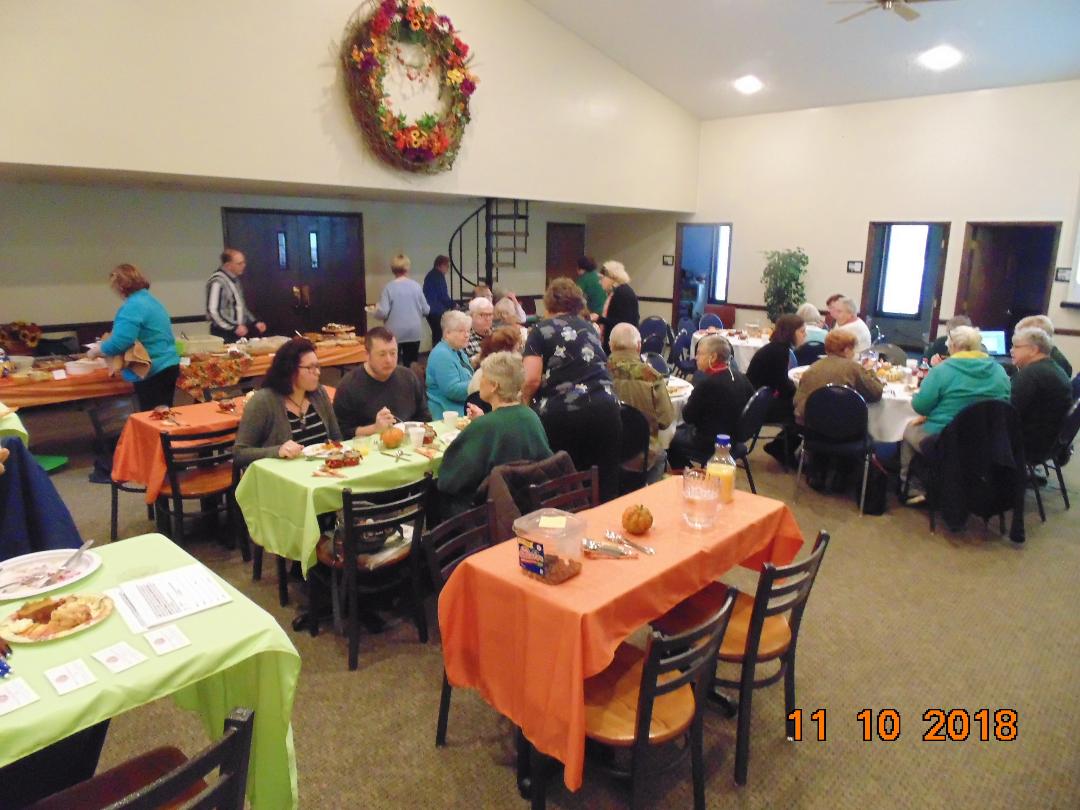
Typical of our potlucks there was a wide variety of delicious dishes to choose from Stella, Naida & Norma prepare the dishes before serving


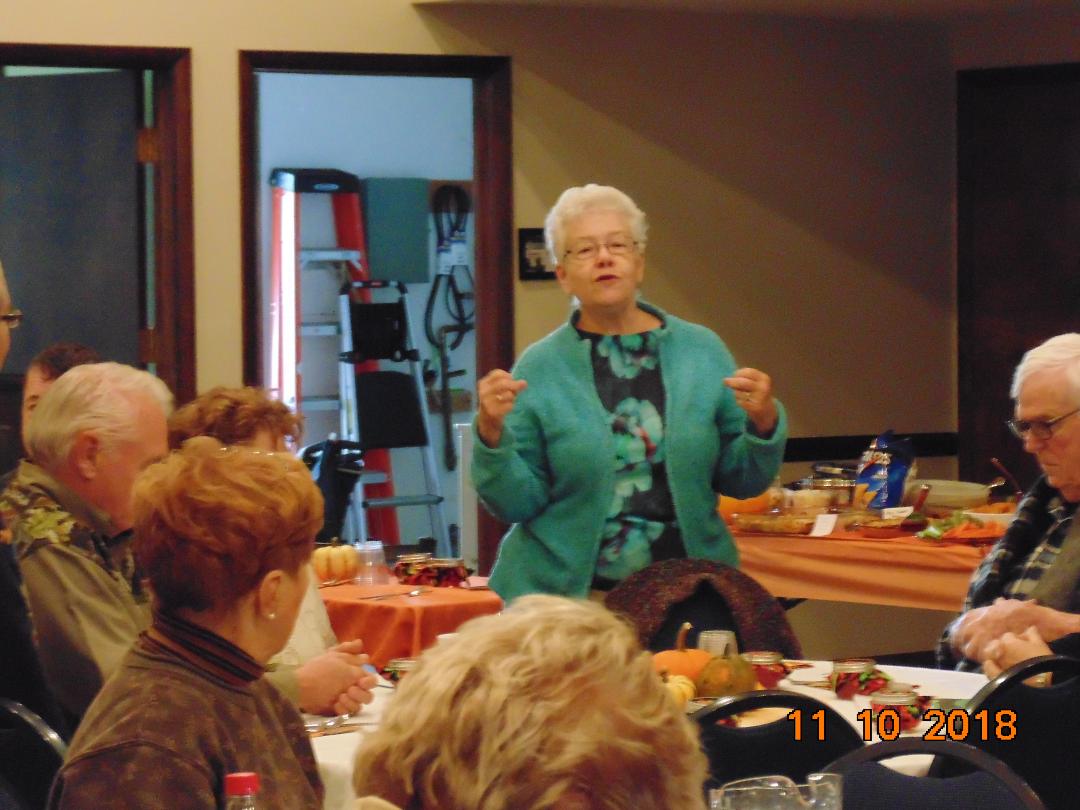
Our president Doris, let us in a short prayer of thanks for the past year’s successes.


Did I mention the FOOD????


It was a nice time to mingle & a pleasure to relax with friends & to share in good ole conversation……
no meeting today…….just food, friends and smiles (full bellies)


Thanks to Jenny and Winnie for the beautiful tablescapes; the tables were covered in fall colors & anchored by centerpieces of colorful gourds.

Also a big thank you goes to Joan; who treated each of us to a jar of homemade pepper jelly.

As if all of the above wasn’t enough. Jenny made ice cream out of the paw paw crop from the extension gardens.

Below-
By the smile on Pat’s face, I am going to say the Paw Paw ice cream was a huge success. YUM-thank you Jenny!


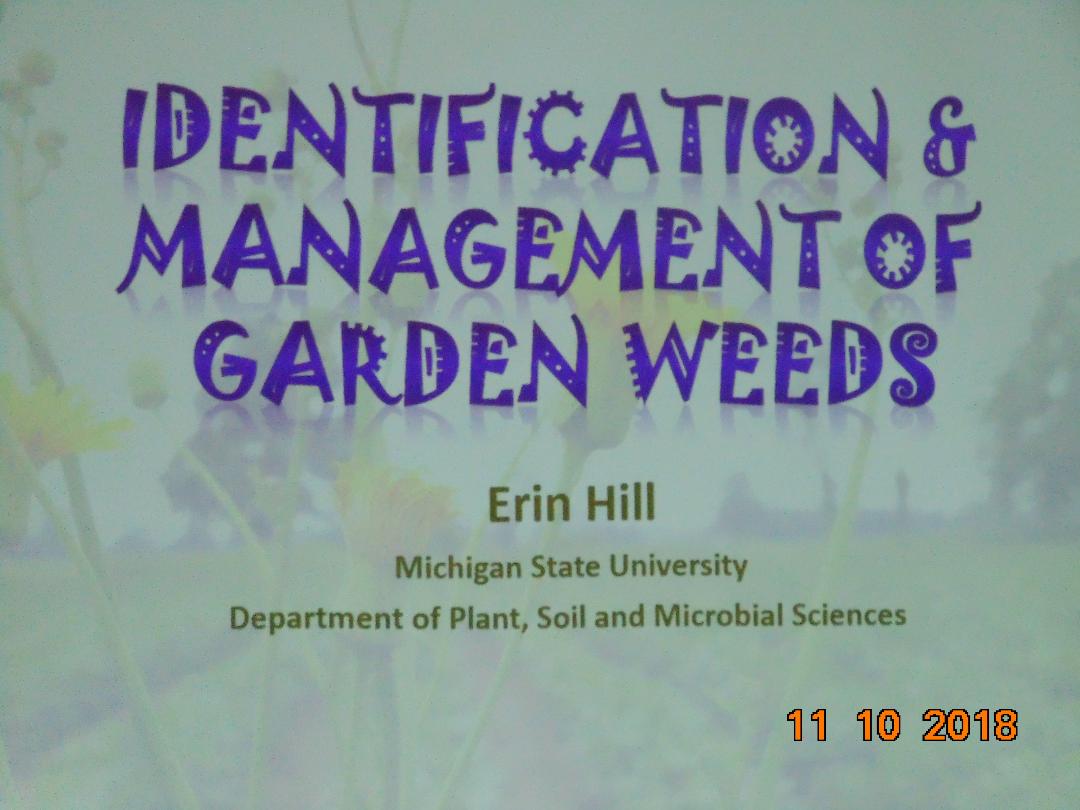
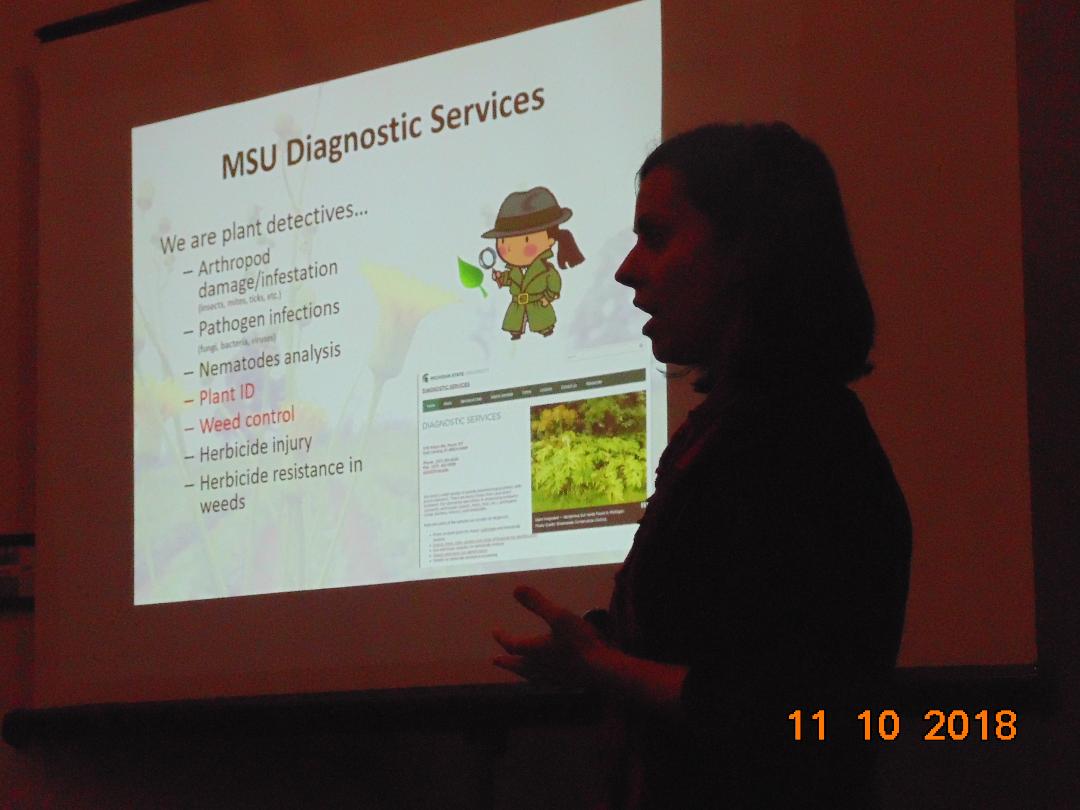
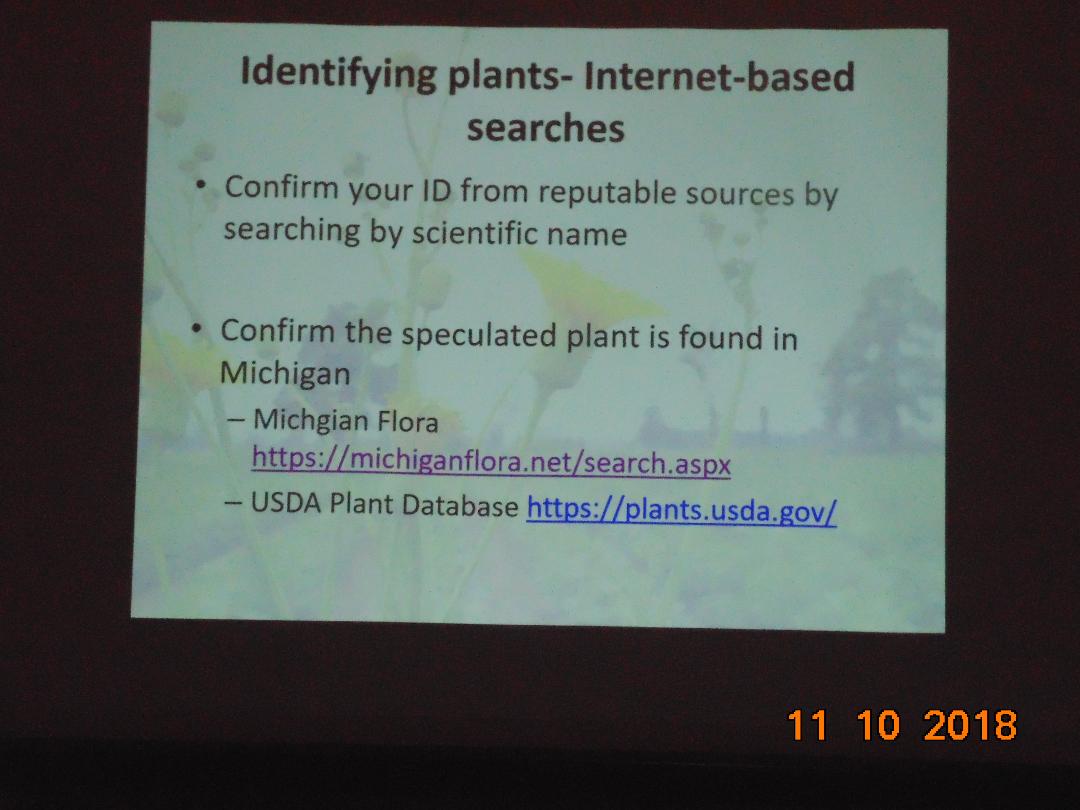
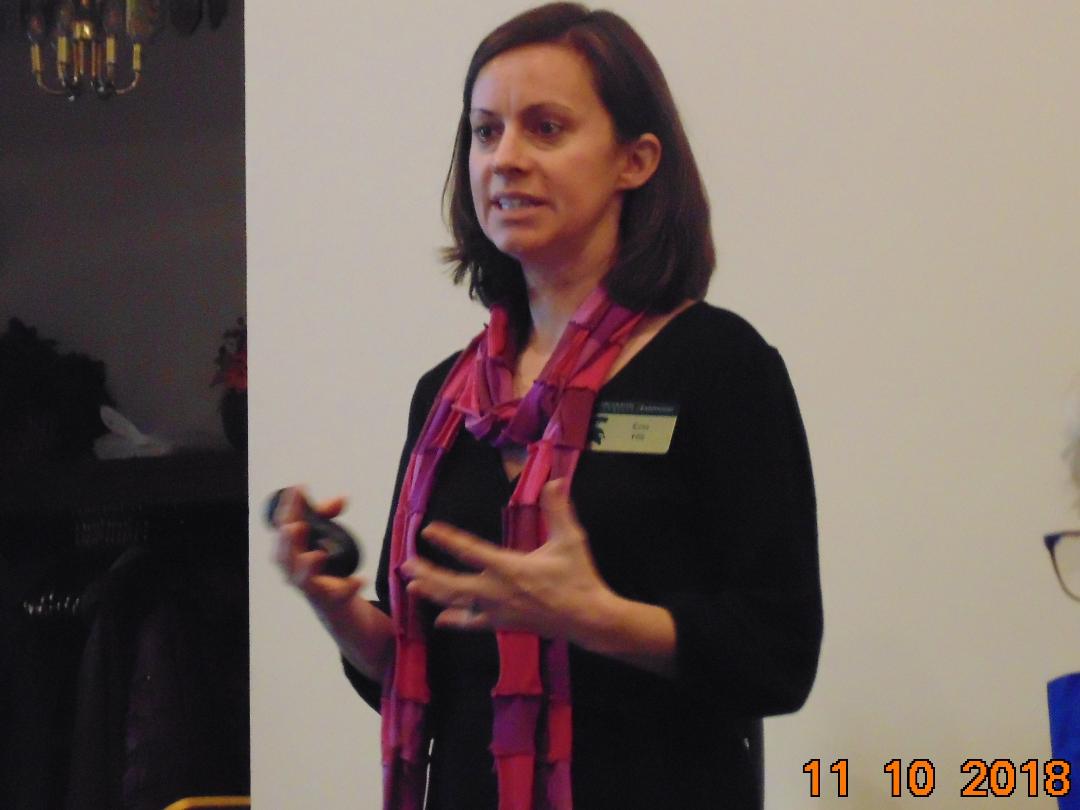
An integral part of our banquet, was our speaker; Erin Hill from Michigan State who gave a presentation in her field of expertise-weed identification.


The group listened intently as Ms. Hill spoke to the various aspects of how we could control the weeds in our gardens, and how we could ID them to ensure we were using the correct techniques to control them.


It was clear that Ms. Hill was passionate & knowledgeable in her field of expertise. An excellent speaker and an enjoyable program.

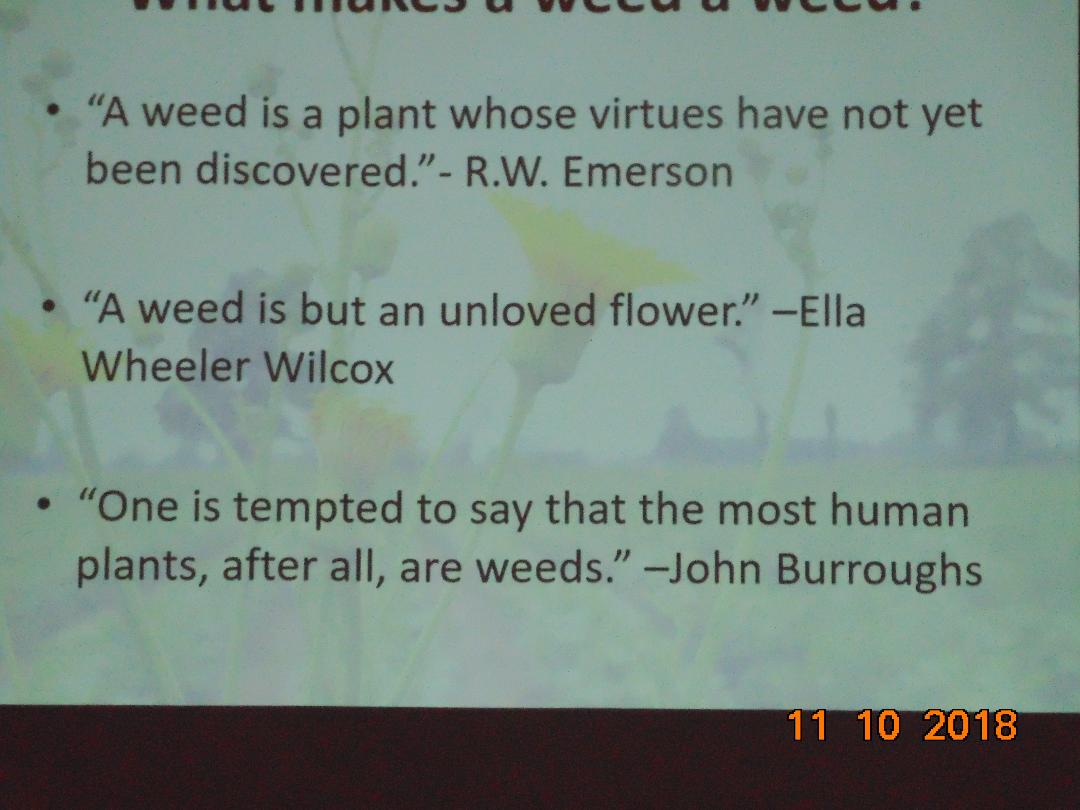
In closing, here are some words of wisdom


So in closing out another year- let’s give thanks for all the friendships we have enjoyed through the master gardener program-the tours which open our eyes to what lies beyond our own gardens and to all aspects
of gardening we are exposed to via the various educational opportunities we enjoy.

HAVE A BLESSED THANKSGIVING, A HOLLY JOLLY CHRISTMAS AND A HAPPY NEW YEAR!!!!!
See you 2019………………..gk

May I add a Thank you to Gail for all the great stories she has contributed to our Blog. It’s been a pictorial scrapbook of great shots. Linda

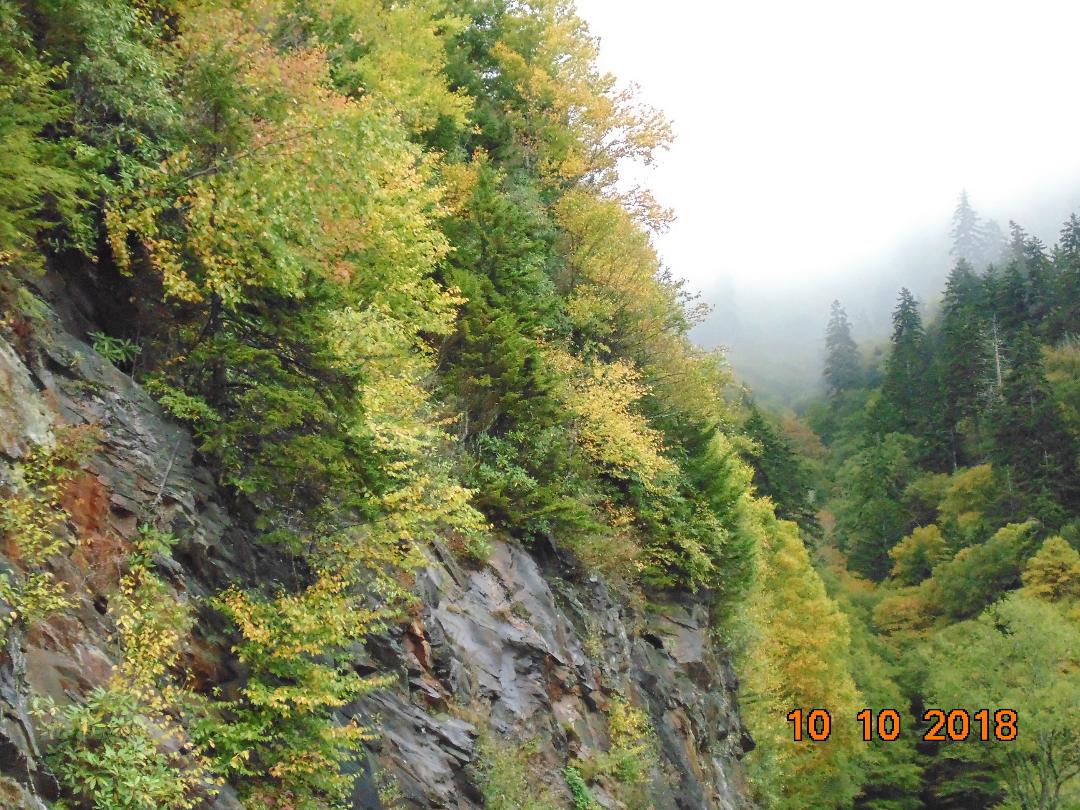
Fall inspiration

AUTUMN IS A SECOND SPRING WHEN EVERY LEAF IS A FLOWER
Albert Camus

gk

Ruellia

Photos and article by Gail K.

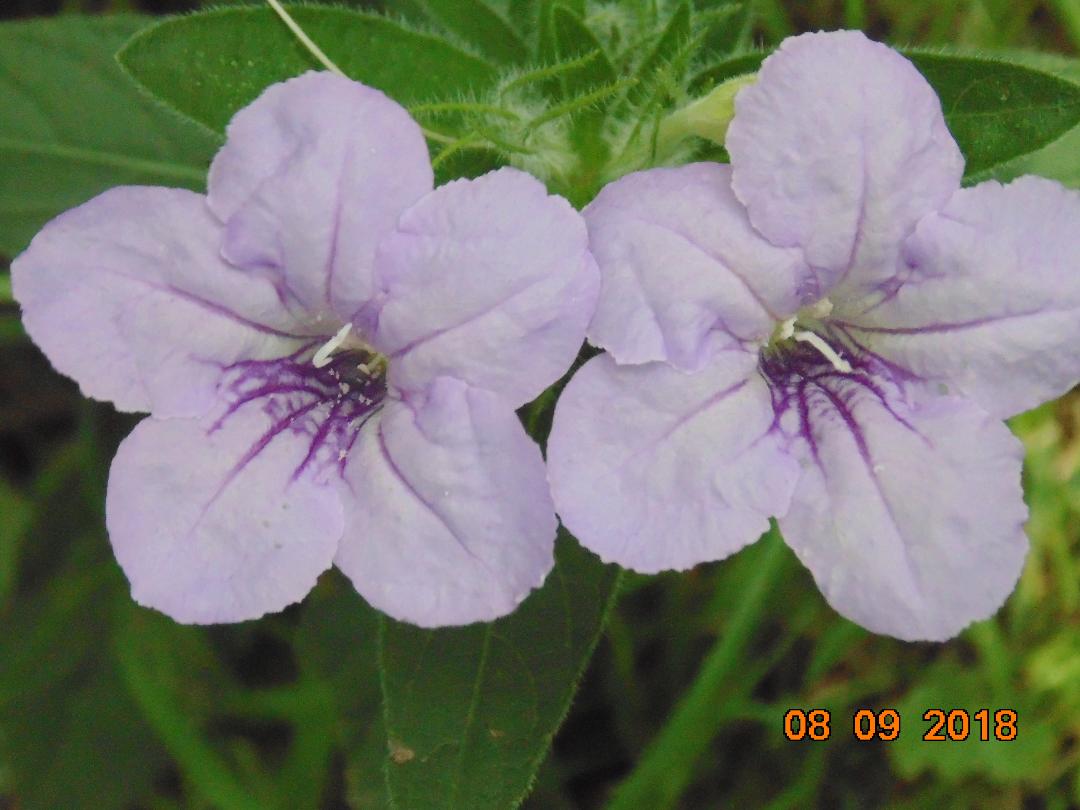
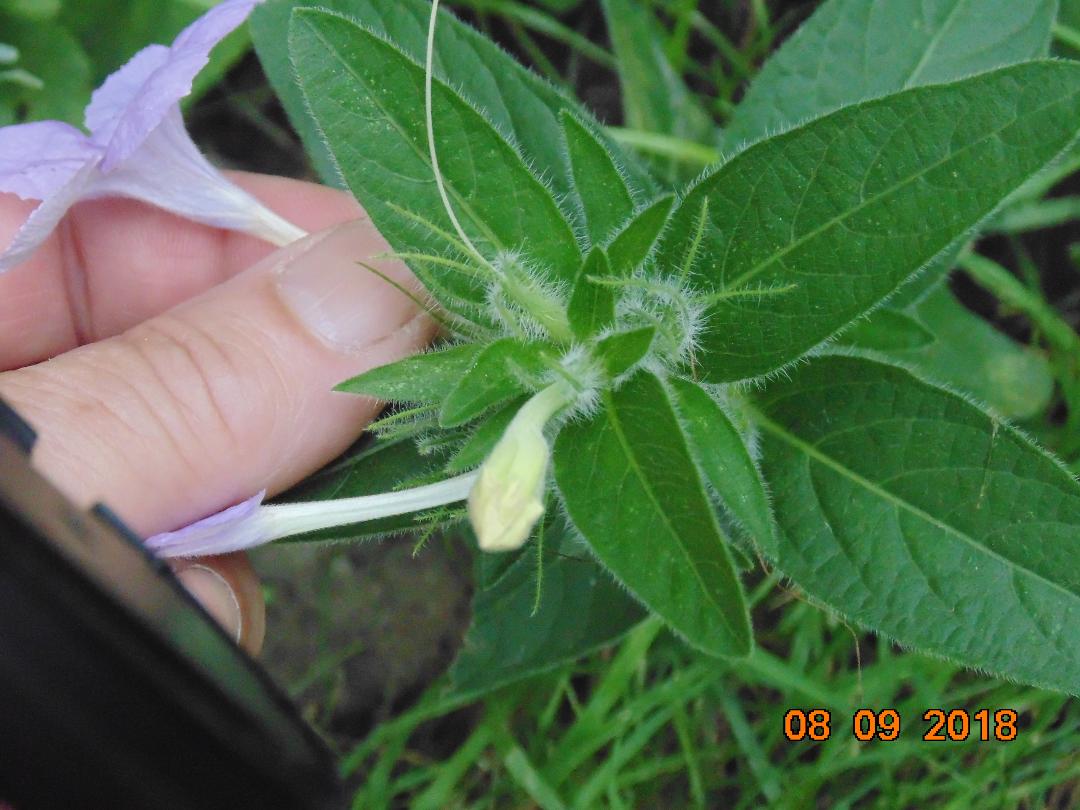
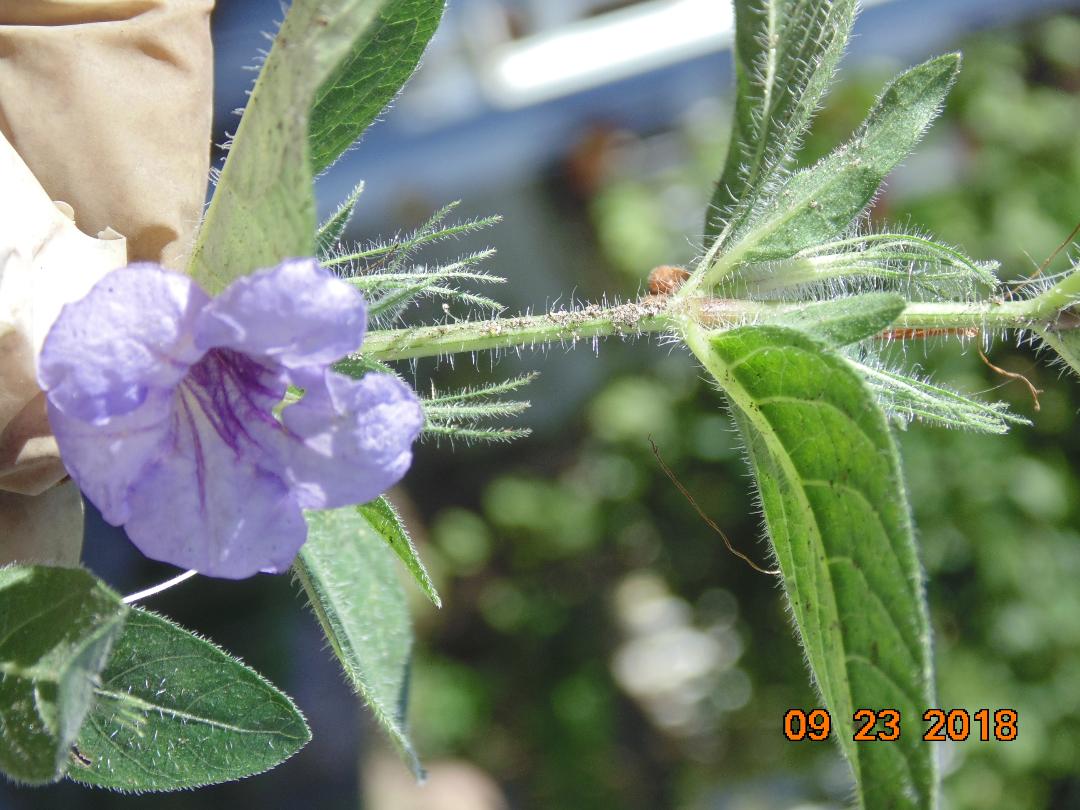
I have had an issue with a particular flower and thought it may be good to share my experience. I am not sure where I purchased, but the plant marker had it labeled as UPRIGHT PURPLE-RUELLIA. Sold as a perennial I thought it would be an asset in my garden. Very showy it says-when in full bloom. NOT ONE THING ABOUT IT BEING INVASIVE. As far as I am concerned it is invasive in my yard.

It really is pretty, but I am finding it in every planting bed I have and it is not easily removed……….so I am just sharing this with you—before you plant this, be aware of what my experience has been. It has other names: Wild Petunia (Monroe County Cons. District sells this in native plants) and Mexican Petunia (Ruellia Simplex). Used for prairie plantings as it attracts butterflies… read that the wild form is invasive and on watch lists. I am not sure how you know if you have the wild or not but I won’t plant any version of this—gk

Scale

During a Work and Learn at the Demo Gardens, it was noticed that our Euonymus had scale. We thought it would be good to show a photo of it.
We pruned the bush back and disposed of the infested branches. This is the best remedy when it is so infested with scale. If you notice it quickly, when they first appear, you can eliminate them by simply rubbing them away. Other solutions include alcohol on a cotton swab or Neem Oil.