Feeds:
Posts
Comments

Archive for the ‘Uncategorized’ Category

So What can you do with Poor Drainage?   Here are Six ways to improve drainage:

1.  Fill in low levels with good quality topsoil.
2.  Amend clay soils with 4-6 inches of organic matter and rototill it to about 12 inches deep.  Make sure the soil isn’t wet when you till.
3.  Use a raised bed or berms.  Not only do these help with poor drainage, but they also help as you harvest, weed and prune by not bending over  so far.
4.  Create a dry creek bed.  Vary the size stone and rock used for texture and interest.
5.  Make a bog garden.  There are many plants that enjoy having their  feet wet.  Keep in mind that some maybe invasive so research first.  You  may be better off using a tropical that won’t go “wild” on you.  Or, if it  does you won’t have to worry about it after our winter.
6.  Install a French drain to route the water into another area.

Read Full Post »

Ornamental crabapple overlooking my favorite summer reading spot

While going through the Blog to clear out a few items that were outdated, I found this post in the Dashboard.  It was as a draft from Sue Ryan.  Her photos are always so interesting.  She does such a great job with photography.  I hope she won’t mind, but I felt I should publish it for all to see. I’m sure she put it on the dashboard to eventually publish it.  Thank you Sue for this post.   She writes:

“I must admit I get excited at the first snowfall. The drab brown of late fall gives way to newness and light. I keep my gone-to-seed plants through the winter to provide a food source for birds. The colors and textures of the various barks, seeds, and evergreen foliage create an understated beauty and a sense of calm.  We can indeed enjoy four-season beauty even in Michigan gardens. The beauty may not be stereotypical but it’s there for the looking!”

I even think kindly towards honeysuckle after a snowfall!

Coneflower heads remind me of cotton bolls

Read Full Post »

Calendar

You should now be able to view events on our Calendar Page.  If you have an event you would like to have posted on the calendar, please send it to me by e-mail.

Read Full Post »

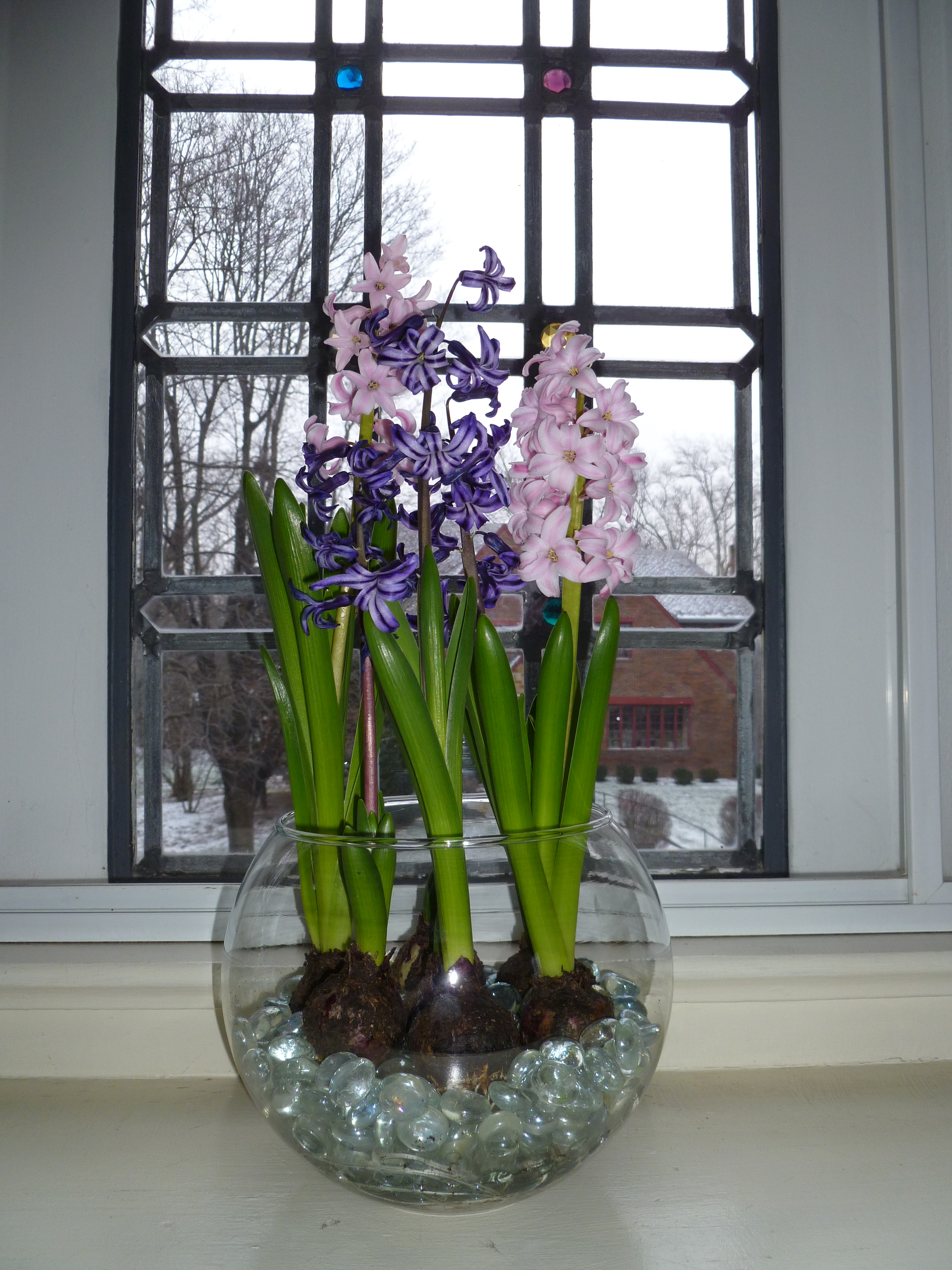
Follow-up to forced hyacinth bulbs article
The forced hyacinth bulbs are blooming although it appears a few of them will not bloom.  As expected, because these are second year bulbs, the blooms are small.  But the fragrance of the blooms is still very heady, filling the room with the promise of Spring.
When I try this project again, what would I do the same and what would I do differently?
  • Do the same:  use clear glass containers and clear glass beads so water levels and root growth can be observed; after removing from cooling area, place on unheated window sill out of direct sunlight so plants emerge slowly 
  • Do differently:  use first year bulbs; keep in cooling area longer than 7 weeks to ensure bigger blooms

P1030149

Read Full Post »

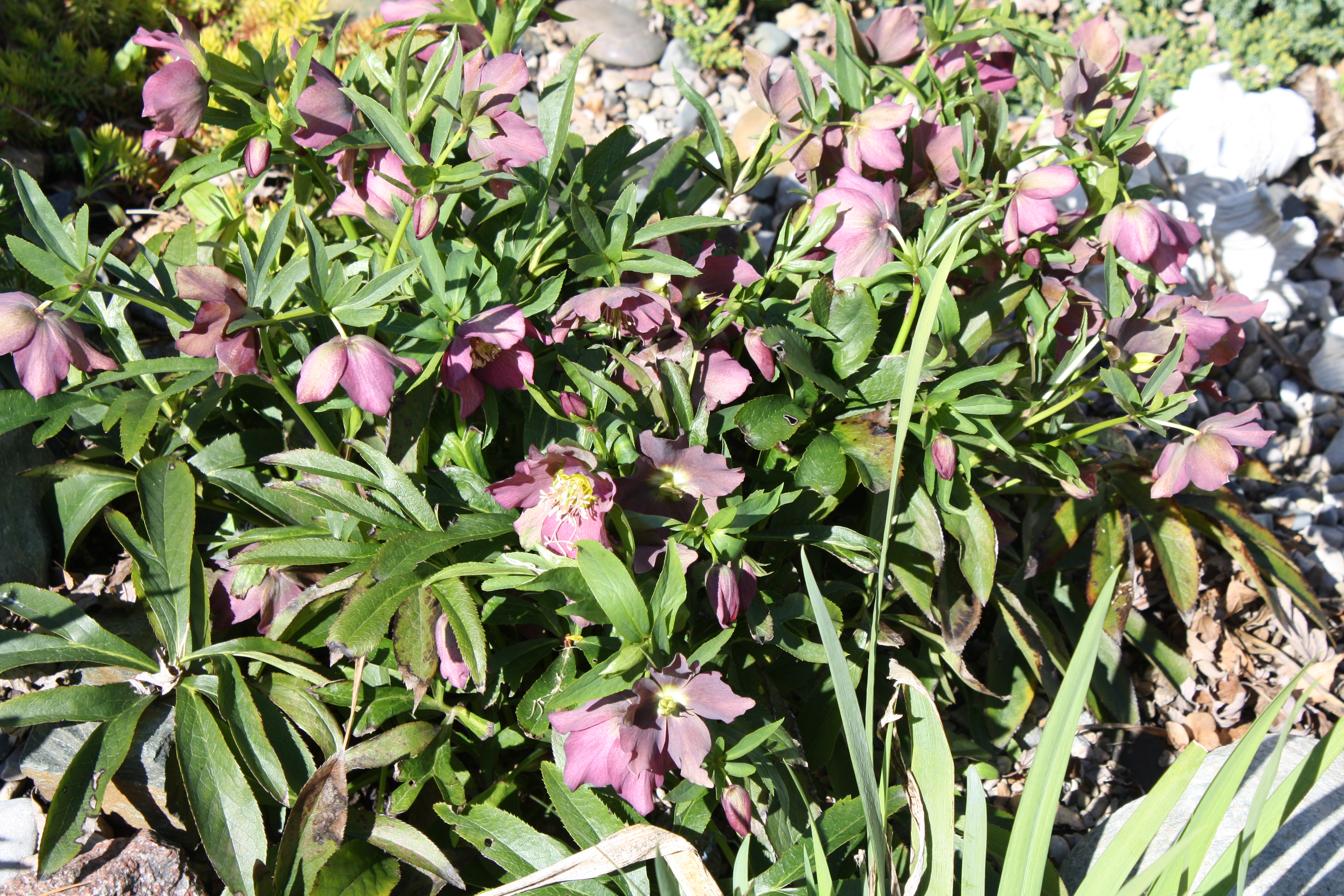
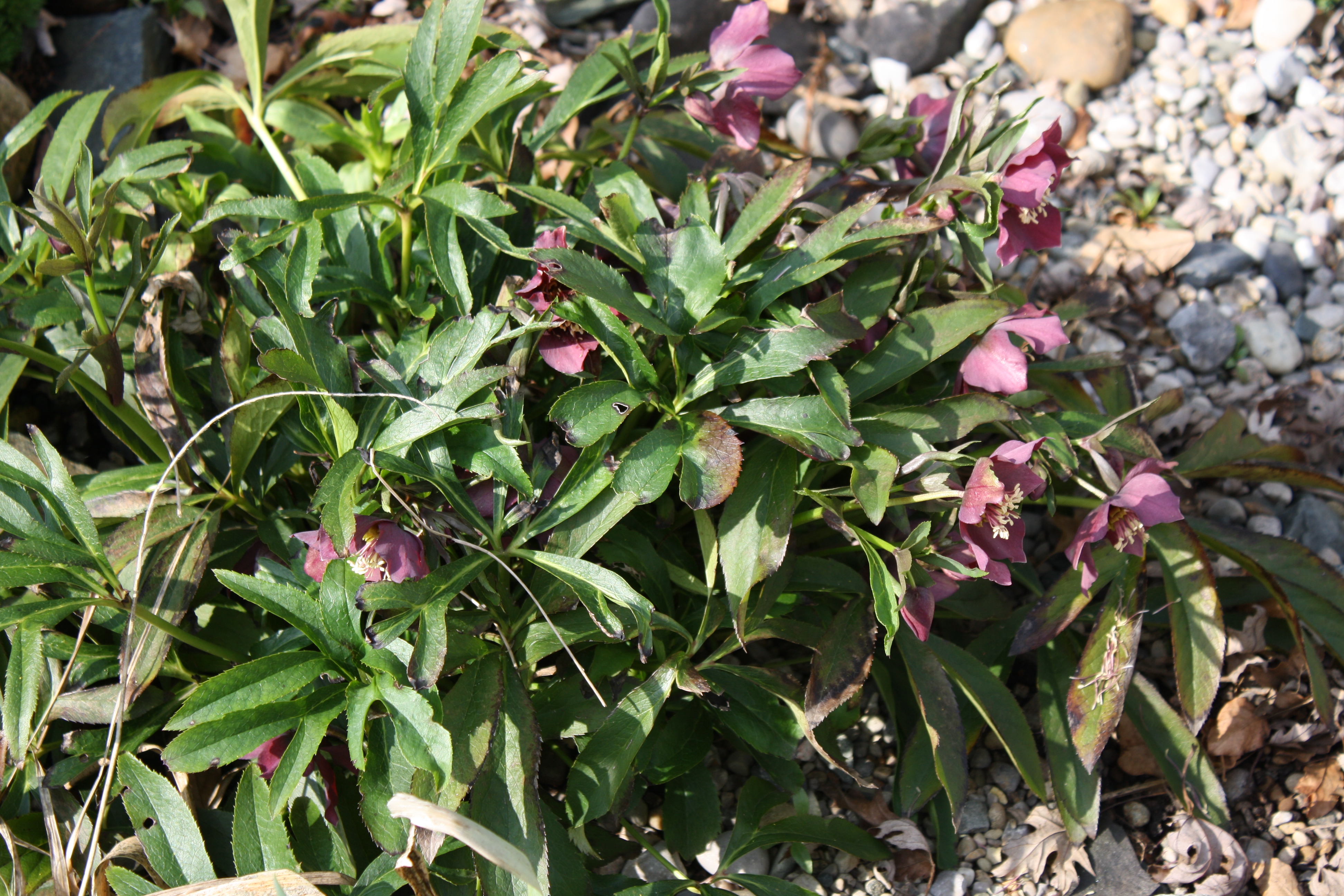
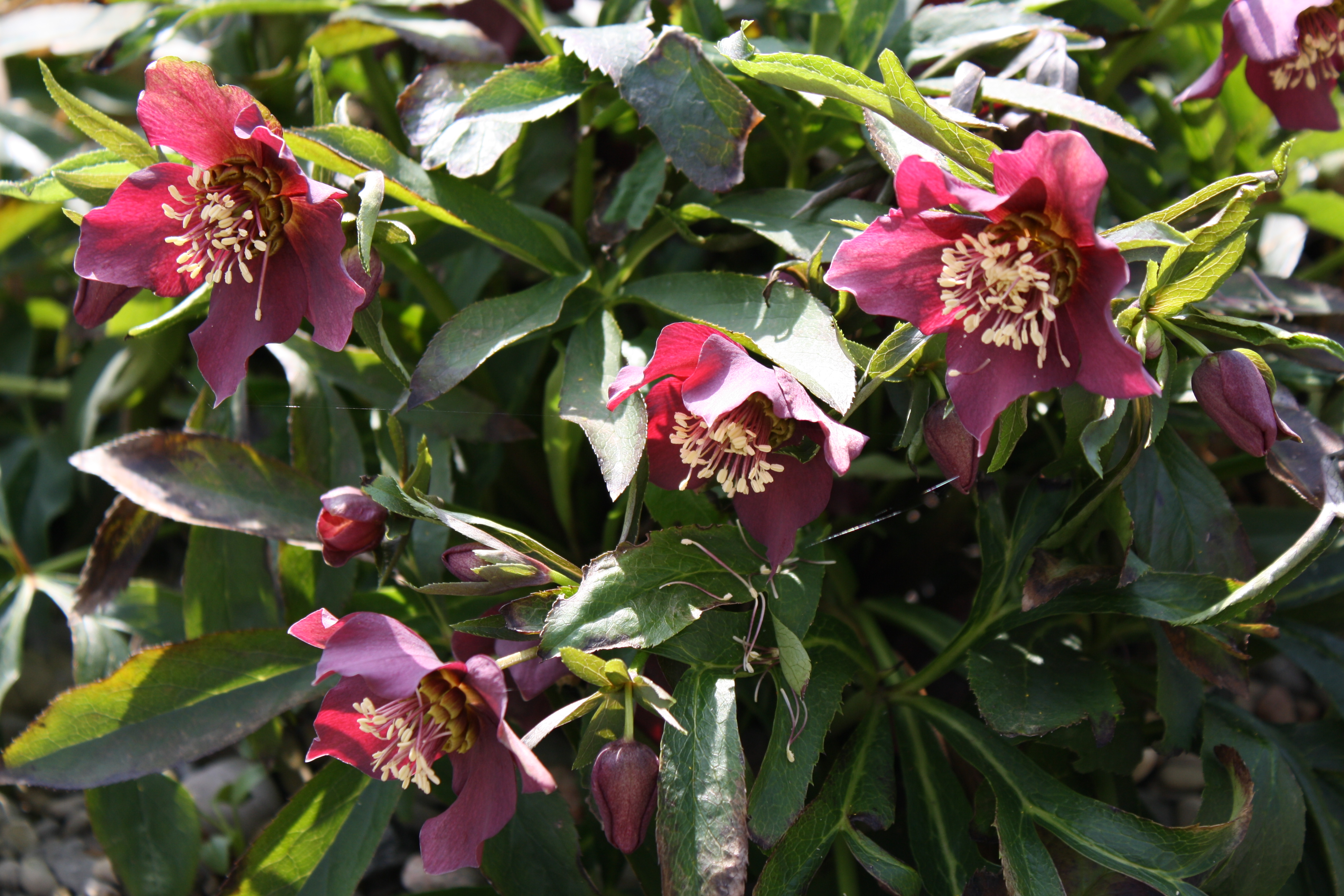
Our feature flower for January 2013 is Hellebores (the Genus Helleborus). This plant is sometimes referred to as “Christmas Rose” or “Lenten Rose” since they begin to show blooms in late winter and early spring. Their blooming season is generally between December and March and often continues through April and May. Its large leaves may stay green thru the winter and add some interest to the garden. I understand that there are both evergreen and herbaceous varieties. The feature photo is from my backyard. This particular Hellebore is a single black variety. Sorry I don’t have the name since I usually purchase at the end of the season to be a bit more frugal. Name tags aren’t always on the plants. However, in spring you will find them available in a variety of colors both single and double blooms. It has been my experience that some tender loving care and frequent watering is best until they become established. Once established they are quite drought tolerant. They are often sold in the nurseries as a shade plant but do very well in light sun or dappled sun. This plant was put into the soil two years ago. It produced a few the first year, however this past year there were dozens of blooms on it. It was planted near my pond that gets at least six hours of early sun. Possibly the mild winter helped as well. Propagation may be done by seed; but that may take up to several months for the seedling to appear. It also does not guarantee that your seedling will be similar to the parent plant. It’s easier to propagate through a cutting or division. However you obtain them, you will find Hellebores to be a great addition to your garden.

IMG_2855IMG_2851IMG_2849


Read Full Post »

Feature for December

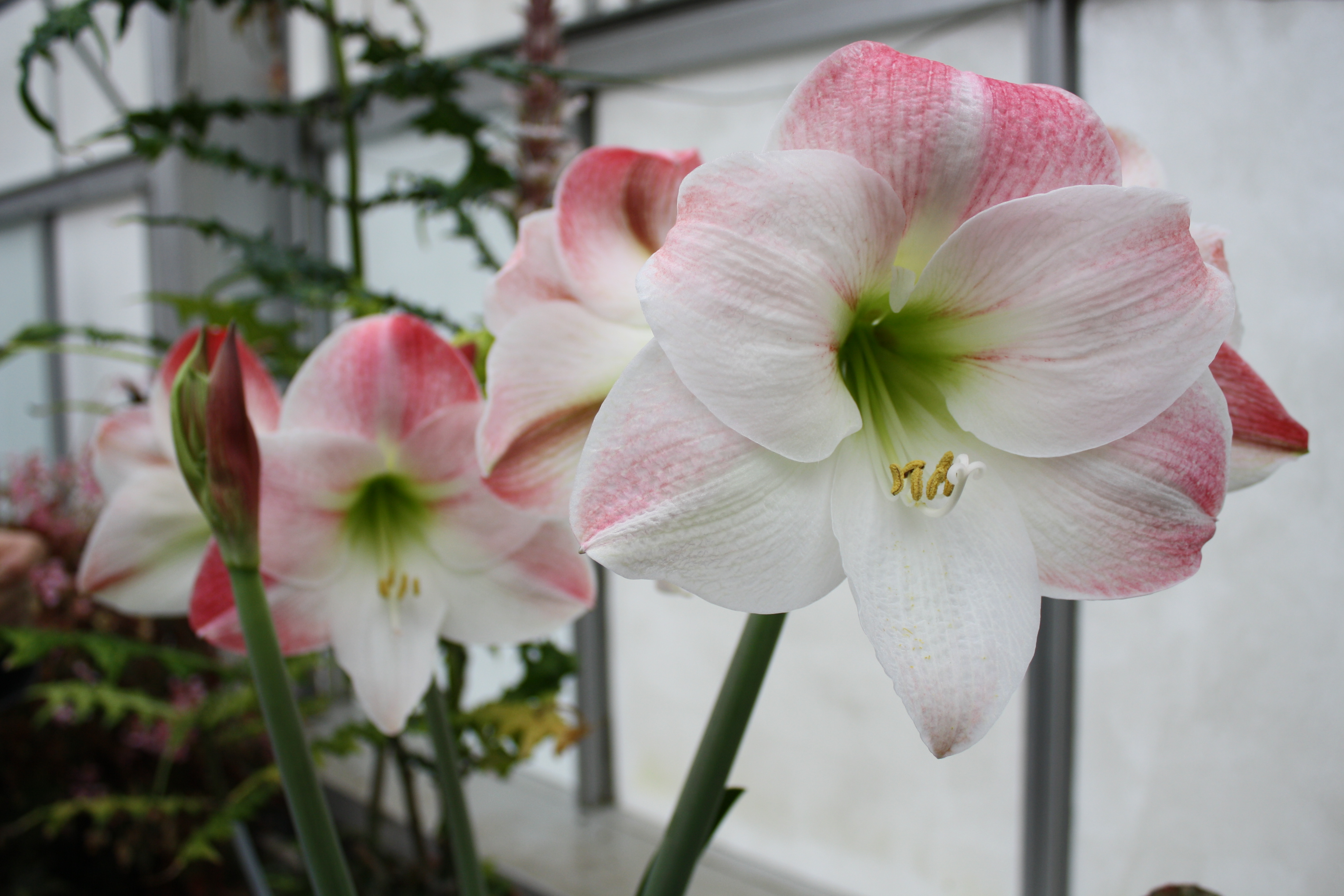
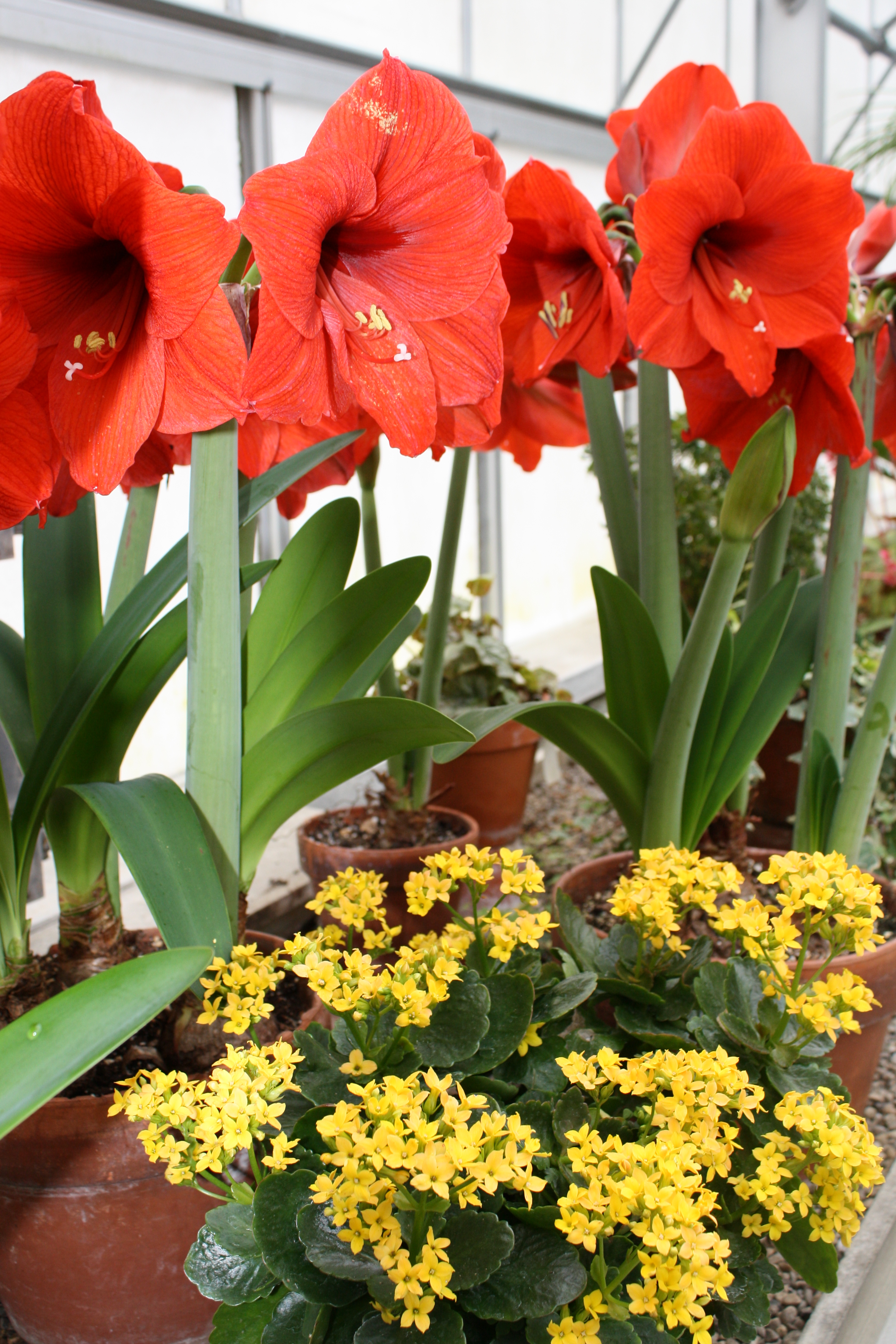
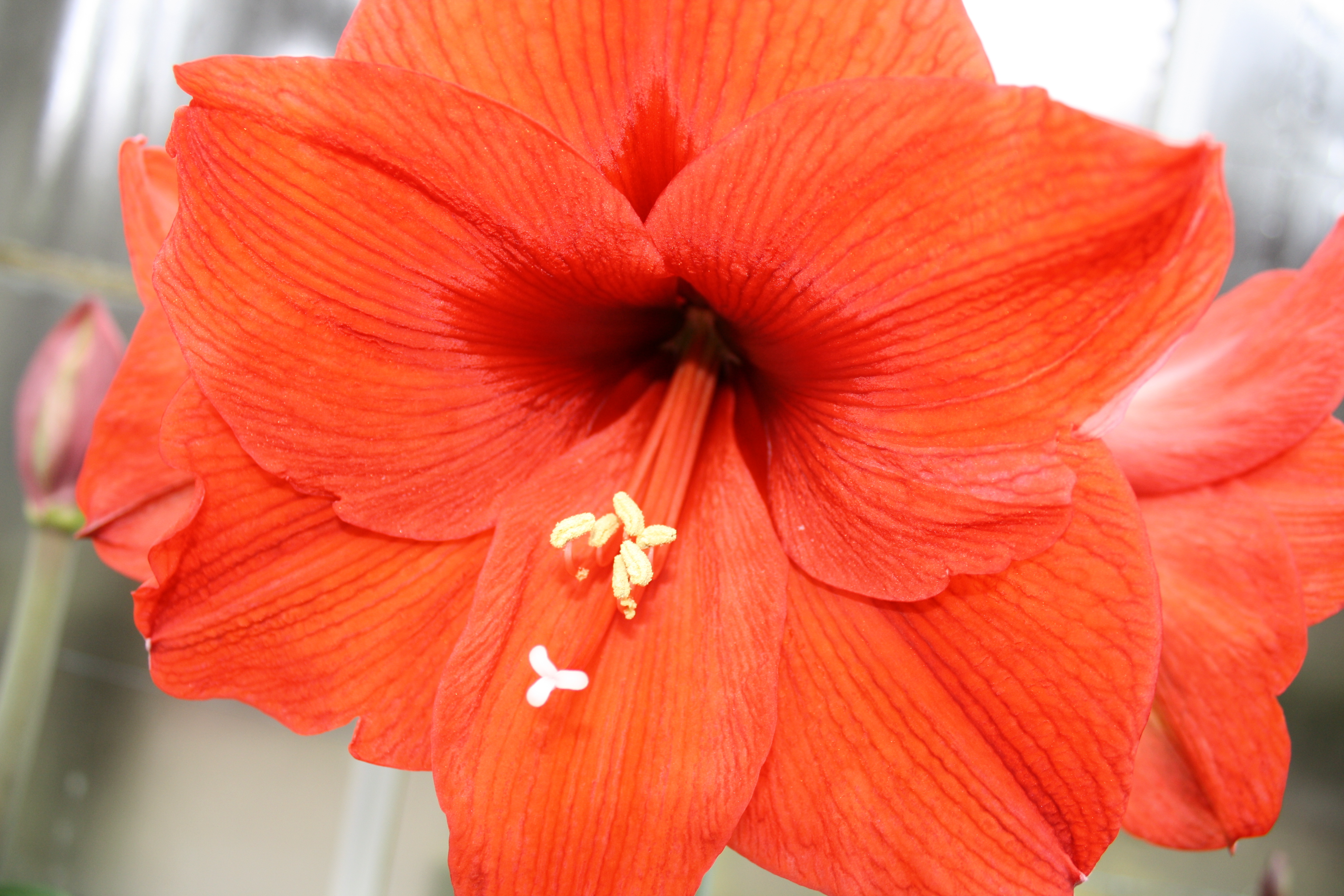
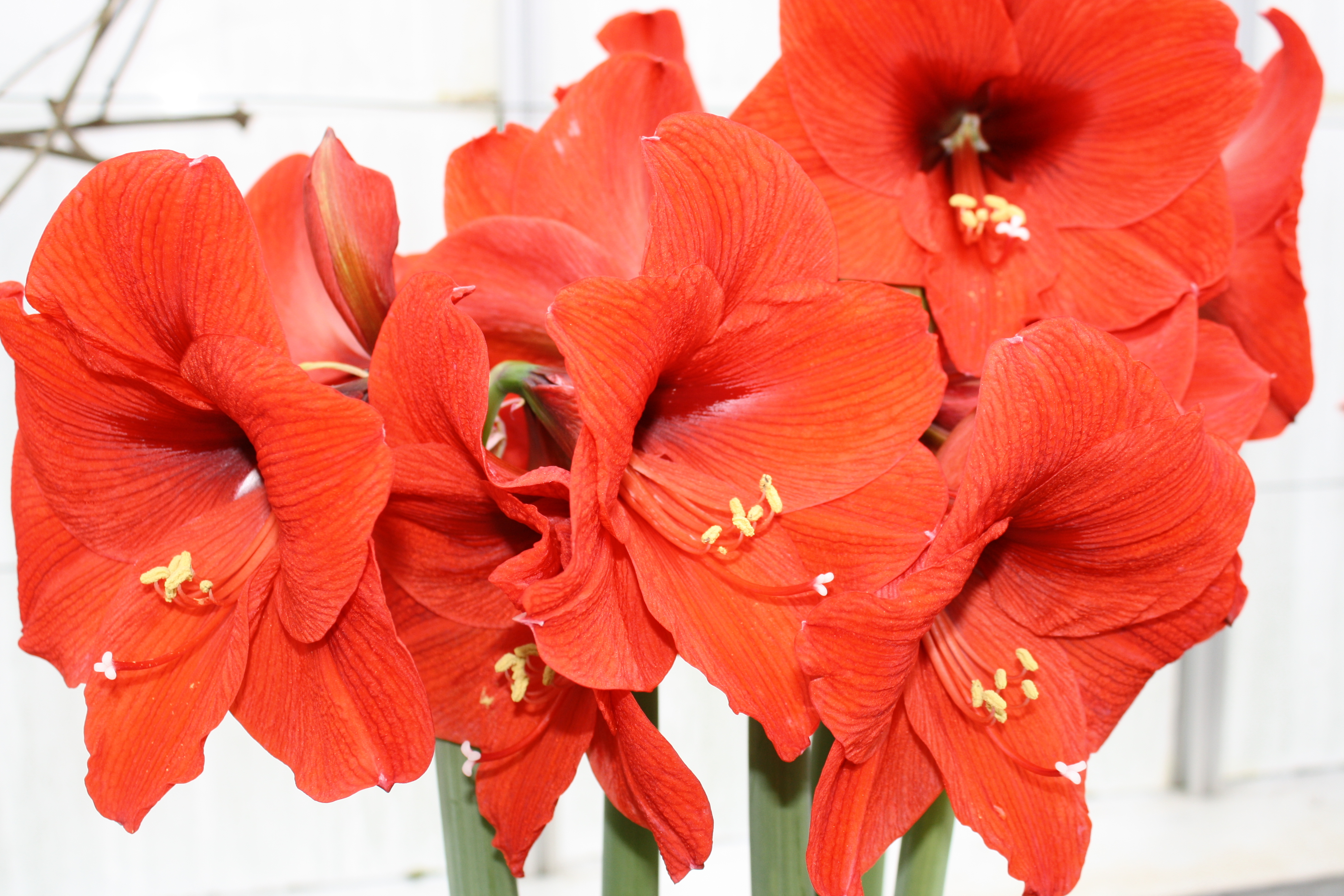
Our feature for this month is the beautiful Amaryllis, a genus of southern African bulbs.  This spectacular bloom is generally sold during the Holiday season in our area for a Winter bloom.  I’ve included some photos taken when the 2010 Monroe County Master Gardener class visited Hidden Lake Gardens.

Many gardeners feel that this “exotic” looking plant must be difficult to grow. On the contrary, you often find them growing right from the boxed container on a clearance rack in a department store.  There is a wide variety of colors available, including white, peach, pink, magenta, cream and of course the reds.   Some hybrids also have stripes, veining, darkened edges, white and light yellow centers.   In addition, the hybrids often produce flowers in a fuller circle rather than a “side facing” habit like the “old-fashioned” pink.   You can often water and fertilize the hybrids year round.   These beauties will also tolerate dry summer condition as well.  The bulbs that are often sold during the Holidays are in the genus Hippeastrum.   

It is best to place the base and roots of the bulb into warm water for a few hours before planting.   Then plant the bulb in a potting compost mix up to its neck.  Be care so you don’t damage the roots.  Firmly press the soil around the bulb and place in a warm area with plenty of light.  It likes temperature from 68-70 degrees, since heat helps the stem to develop.  Water sparingly until the stem appears and then gradually increase the watering.   Plan ahead, because it will take seven to ten weeks for the flower to appear.  Then sit back and enjoy its beauty.

HIDDEN LAKE GARDENS-MG-MARCH2010 077 HIDDEN LAKE GARDENS-MG-MARCH2010 079 HIDDEN LAKE GARDENS-MG-MARCH2010 086 HIDDEN LAKE GARDENS-MG-MARCH2010 120

Read Full Post »

The Fall banquet for the Monroe County Master Gardener Association was a great success.  It sure seemed everyone enjoyed themselves.  Naida sent me some photos and I took a few for us to enjoy.  If anyone is camera shy, let me know.  I’m hoping no one minds showing how we enjoyed ourselves and what a great group we have in Monroe County.   I couldn’t say anything more than what Naida wrote in her e-mail:  “Cudos to the committees who selected the gifts, set up the tables, cleaned up after and all efforts done behind the scenes.  I thought the table centerpieces were beautiful, food – as usual was excellent, and it was so good to have Bob Bricault visit and have him share with our group what his family has gone through in the aftermath of the Dexter tornado.”  Well put Naida.  Winnie also expressed  how nice it was to see Olga there.   Everyone, have a great Holiday season and see you at the meeting in January.

Read Full Post »

Our feature for the month, shown in the header photo is Coleus (Solenostemon).  The colorful foliage and unusual shapes are the main reason most people add this plant to their gardens.  It likes moist rich soil, and can survive in shade or sun. The same variety may appear enhanced, or a particular color will become a stronger element of that same plant when in a different lighting situation.  It’s fun to experiment with cuttings from a plant and see the changes it makes when placed elsewhere in the garden.   In Michigan, we consider it an annual.  However, it is a perennial plant in native tropical Africa, Asia and Australia.  New cultivars with many varieties of colorful foliage have been recently introduced.  Propagation may be done by seed or cutting.  Cuttings seem to propagate fast if kept in moist soil and you can easily transplant them in a short time.  They also root well in water, even without rooting hormones.  It sometimes is susceptible to downy mildew, which appears on the foliage making it look dirty, twisted or curled.  Another disease, that you may find is impatiens necrotic spot virus which is spread by thrips.  Generally, it is an easy plant to grow and offers color without bloom.  It will produce a flower at the top of the leaves, which is usually small in size and purple in color.  The flower is no way as beautiful as the foliage.  Pinching it off will encourage added foliage.     Many a coleus has enriched my garden and I’ve included some of the photos in this slide show.  Please enjoy and  plan a spot now for this plant in your garden.   It’s definitely the workhorse in my garden. 

Read Full Post »

Clematis heracleifolia

I did a bit of web searching on the very popular Clematis on my side yard.  I’ve included some photos for you.    This seemed to be the hit of the Garden Tour and many were interested in its name.  During my web search I’ve discovered Clematis heracleifolia.  There seems to be a few varieties so I suggest you search Images and choose the one you like best.  I’m still unsure of the variety of mine.  The bloom seems to match “Jouiniana” however the foliage doesn’t seem to match exactly.  This information however may give you a head start to find this prolific bloomer.

Read Full Post »

Here’s a post from Jennie Stanger.  This sounds like a great daytime place to visit.

Rakers is a large wholesale greenhouse operation near Litchfield, MI. It does a huge annual display garden that consumers can visit in August. You can see some photos at http://trialgardens.raker.com/  Several major seed suppliers like Syngenta and Jelitto pay the grower to trial their newest varieties and to plant a large, designed raised bed to show off their combinations, plus Rakers has some demonstrations of their own.  I got to go along with the Milan Garden Club for a scheduled tour last week and it was well worth the trip. Besides, we visited Hillsdale’s small college arboretum and a neat succulent place all in the same day.

The greenhouse tour reminded us of Four Star except they grow more plants from seeds. Some of the points we found interesting were the need for stripping media from the roots of cyclamen seedlings when transplanting, so that the forming tuber can be placed atop the next container where it gets exposed to light; the air-conditioned “editing” room where machines and people fix plug trays by plucking out empty cells and replacing them with plants from another tray; the FEDEX shipping containers shaped to fit into an airplane fuselage and carry boxed plants from Rakers around the world; and of course the lush irrigated plants on display.

In this bed at Rakers’ hot colors prevail. In the second photo a new Echinacea “Pow Wow Wild Berry” is a little overwhelmed by its neighbors and you can see the features that made it an All-America selection this year: compact stature with intense flower color on wide petals. It probably would be better in the front of the border and the designer may have been thinking of more normal-sized coneflowers.


Read Full Post »

« Newer Posts - Older Posts »