Feeds:
Posts
Comments

Archive for the ‘Uncategorized’ Category

I received this article to post:

I see them hovering around Coneflower seed heads, then they zip to the Rose of Sharons they used to feast on before those flowers turned to seed. I see them flying up and down the now flowerless Cardinal Flowers, and then they dart to the Coral Bells only to find dinner has been removed from those plants as well. The last few weeks have become quite an adventure for hummingbirds to find the natural nectar food they have become accustomed to for the last several months.

Right now is the most important time to have your hummingbird feeder hanging with fresh nectar! Hummers will be around for several more weeks before they migrate back home to Central America, and with few natural nectar sources remaining in the garden, they are now dependent on those feeders. Last year, the date I recorded last seeing a hummingbird was Oct. 1, 2013. However, I kept my feeder up until the end of that month because the rule of thumb for our area is to keep feeders up until Halloween.

Remember to use a 4:1 ratio of water to sugar: Add ¼ cup white sugar to 1 cup of boiling water and allow the nectar solution to cool before filling the feeders. Any leftover solution can be refrigerated for up to a week, but try to change the solution in the feeders every few days. And remember – DO NOT add food coloring or dye to the solution as studies have shown that food coloring can be detrimental to the hummingbirds.

It has been said that spring-returning hummingbirds remember previous years’ nectar sources. By keeping feeders out until the end of October, you may get some southern-bound migrating hummingbirds stopping by, and they may remember your feeders upon their return in the spring!

Read Full Post »

CORK

I attended my usual NKBA (National Kitchen and Bath Asso.) meeting last evening to find out some interesting facts about cork. I thought it maybe a great thing to highlight on for our blog.

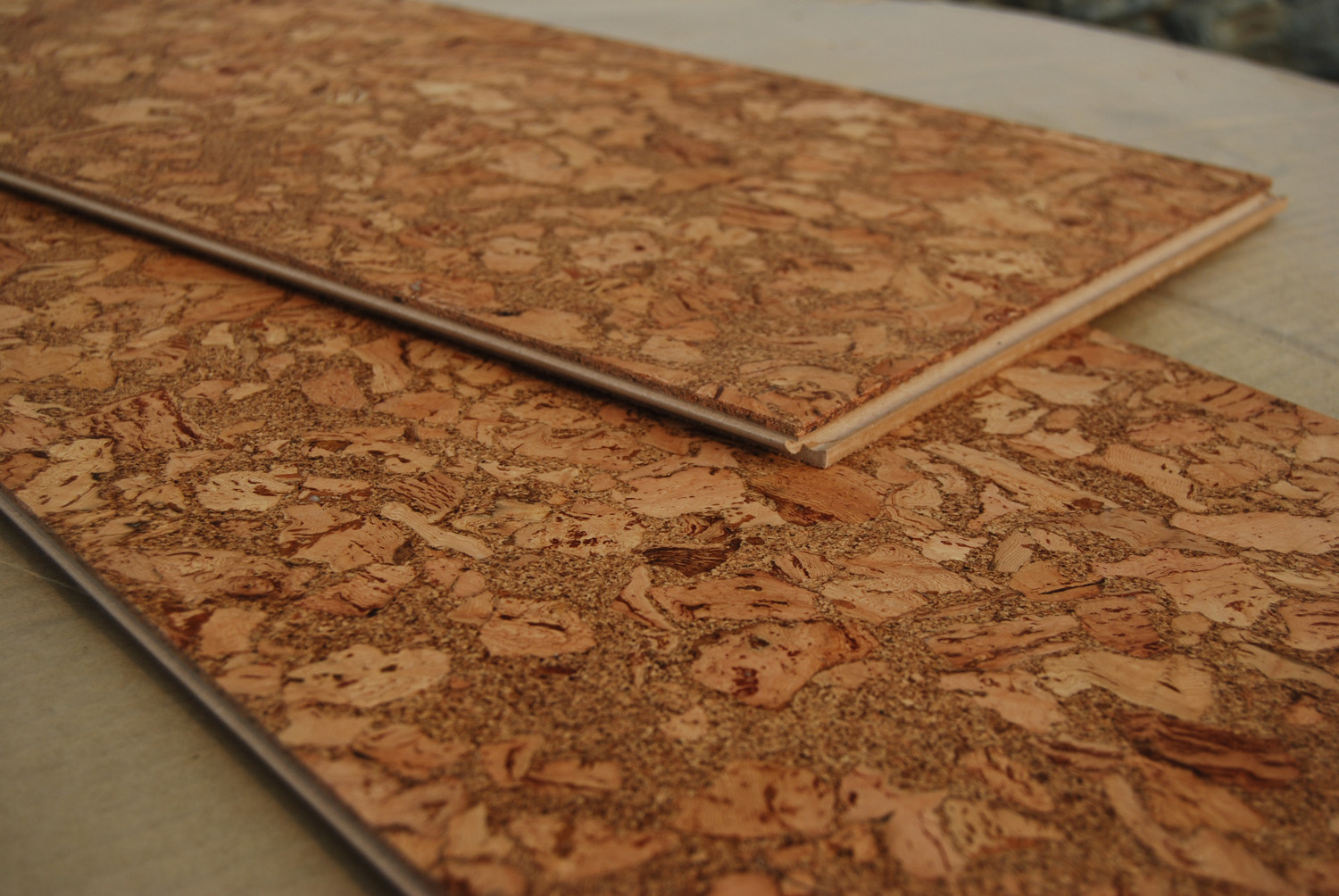
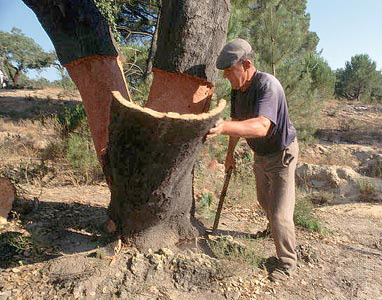
Cork is harvested from the bark of the cork tree when the tree obtains the age of 25 years old. Then it renews itself again after 9 years to be harvested again. A cork tree typically lives to be 100 years old. However, by harvesting the cork it increased the longevity of the three to an average of 200 years. Twice its original life. What a great renewable resource.

cork_harvest
.

The biggest use of cork is to top off that wine bottle. So the next time you open a bottle to enjoy, think of how renewable and sustainable that cap is. It’s also very durable. Mostly due to the honeycomb shape cell formation. So in our Green living society today it’s used for flooring. It’s been used for years in flooring, however it’s now being manufactured in more economical ways. If you ever get down to Wildwood on Central Ave in Toledo, and tour the Estate there you will see a cork floor in the kitchen. At least it was there several years ago when I toured. So when you decide on a floor for your home you may just want to consider cork. It’s resilient, warm, and comfortable to foot traffic.

3264207698_1b4e656a05 cork-1-70-full


Read Full Post »

Foto Friday

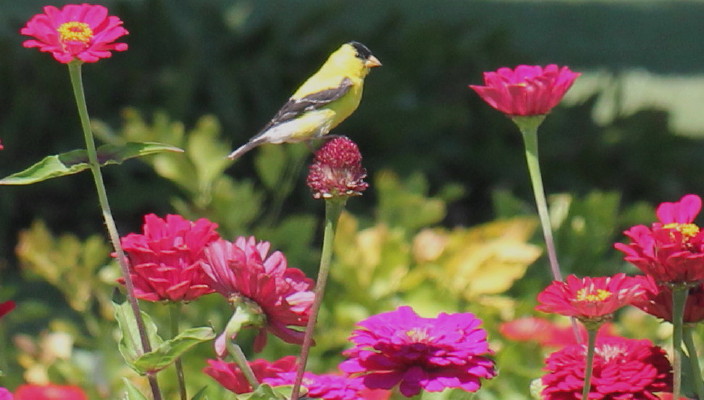
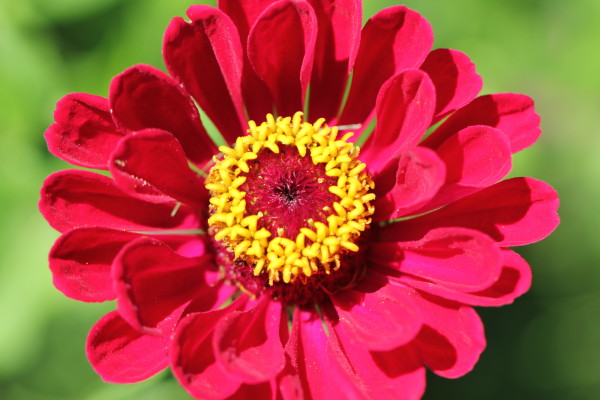
Yes, I know it’s Thursday…but not in an internet place on Fridays…Love these photos from our fellow Master Gardener. I hope you enjoy as well. The Zinnias are from the Children’s garden at the demo gardens. The others are from the Toledo Botanical Gardens.

Finch on Zinnia

ZinniaTBGT3TBGT2TBGT4TBGT1


Read Full Post »

Grows Farm Tour

Michele sent me this information for those of you who may be interested:

Toledo GROWs’ Robert J. Anderson Urban Agriculture Center and Farm will be featured on a farm tour this summer, sponsored by Ohio State University Sustainable Agriculture Team and Ohio Ecological Food and Farm Association. These organizations sponsor annual tours of sustainable farms throughout the state. Toledo GROWs is the only northwest Ohio farm on the tour this year.

Please join us on Saturday, August 9, at 900 Oneida Street in Toledo. The farm will be open from 10:00 until 2:00. Features of the day: guided tours, self-guided tours, fresh produce available at our market stand, information about sustainable growing practices, displays and information on Toledo GROWs and our work with and for community gardens, as well as many organizations with whom we partner.

Read Full Post »

A Study in Weeds

Our friend and MG sent me this to post:
Another Excerpt from “What The Master Gardener Sees”
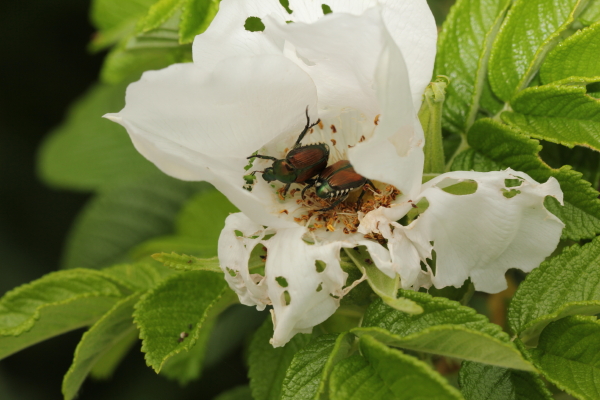
A weed can be anything that grows where you don’t want it to. However, if you arm yourself with a macro lens on your camera, you may just want to re-think removing it from your garden

weeds1

weeds2

weeds3

weeds4

Read Full Post »

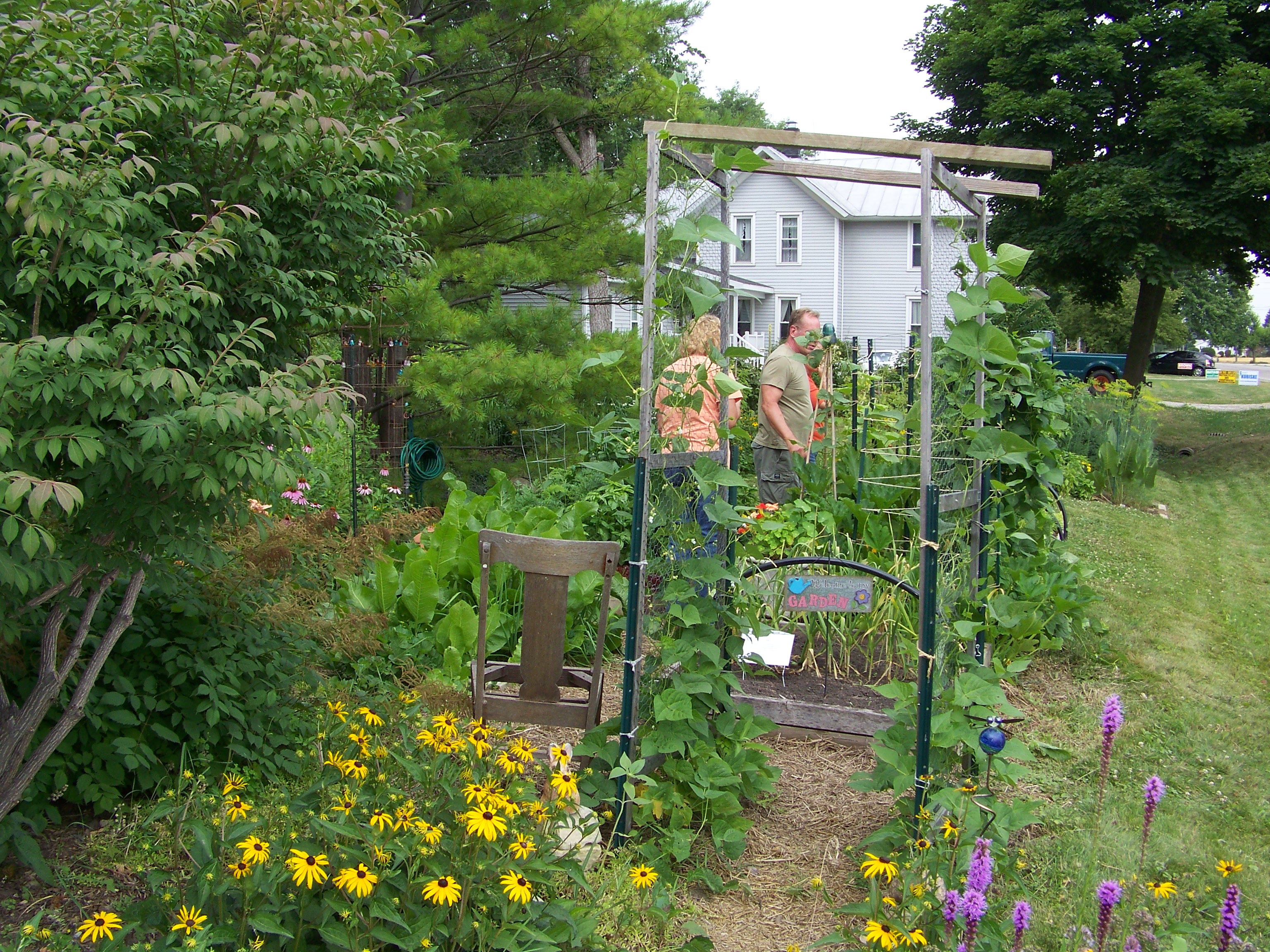
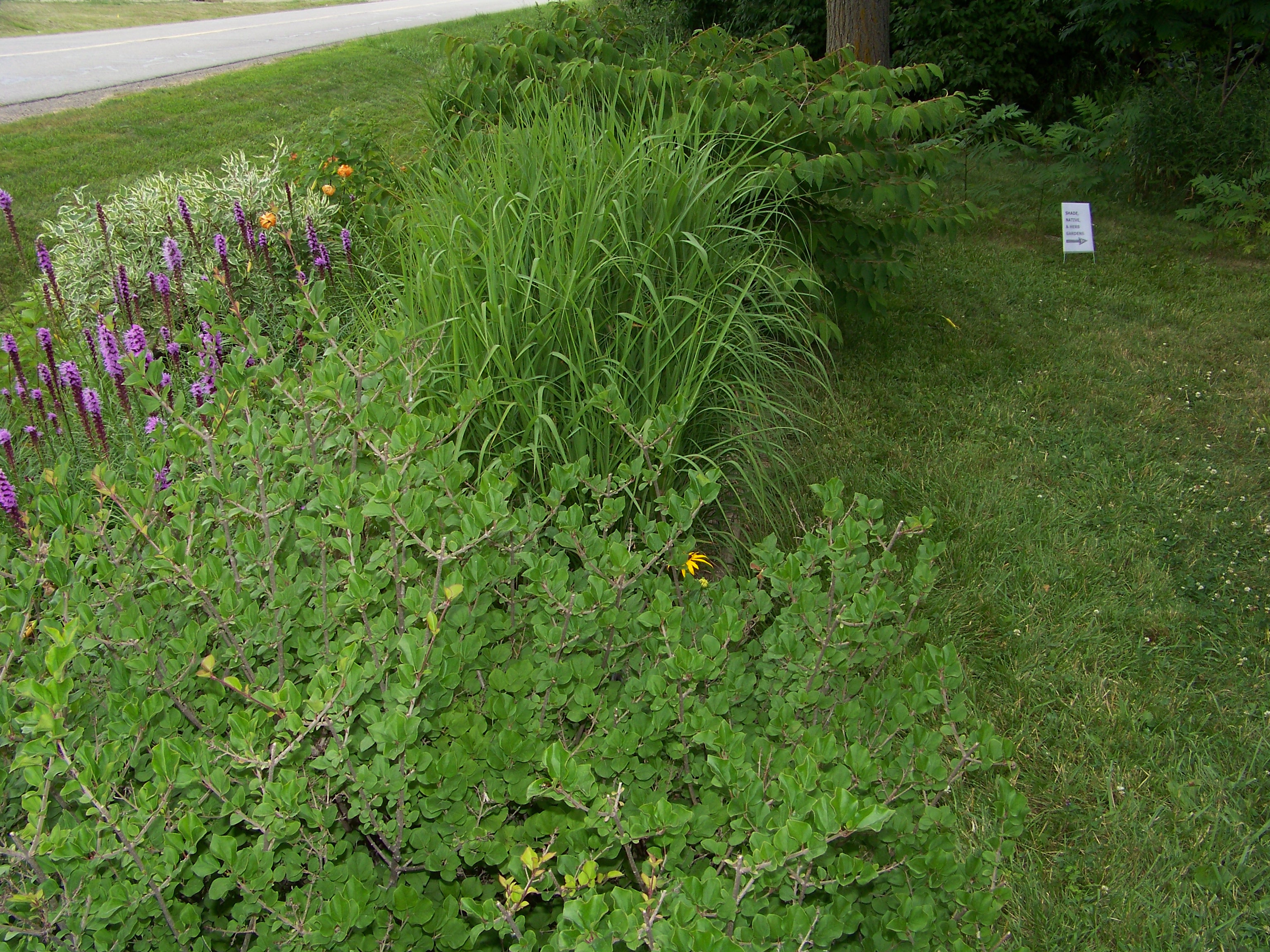
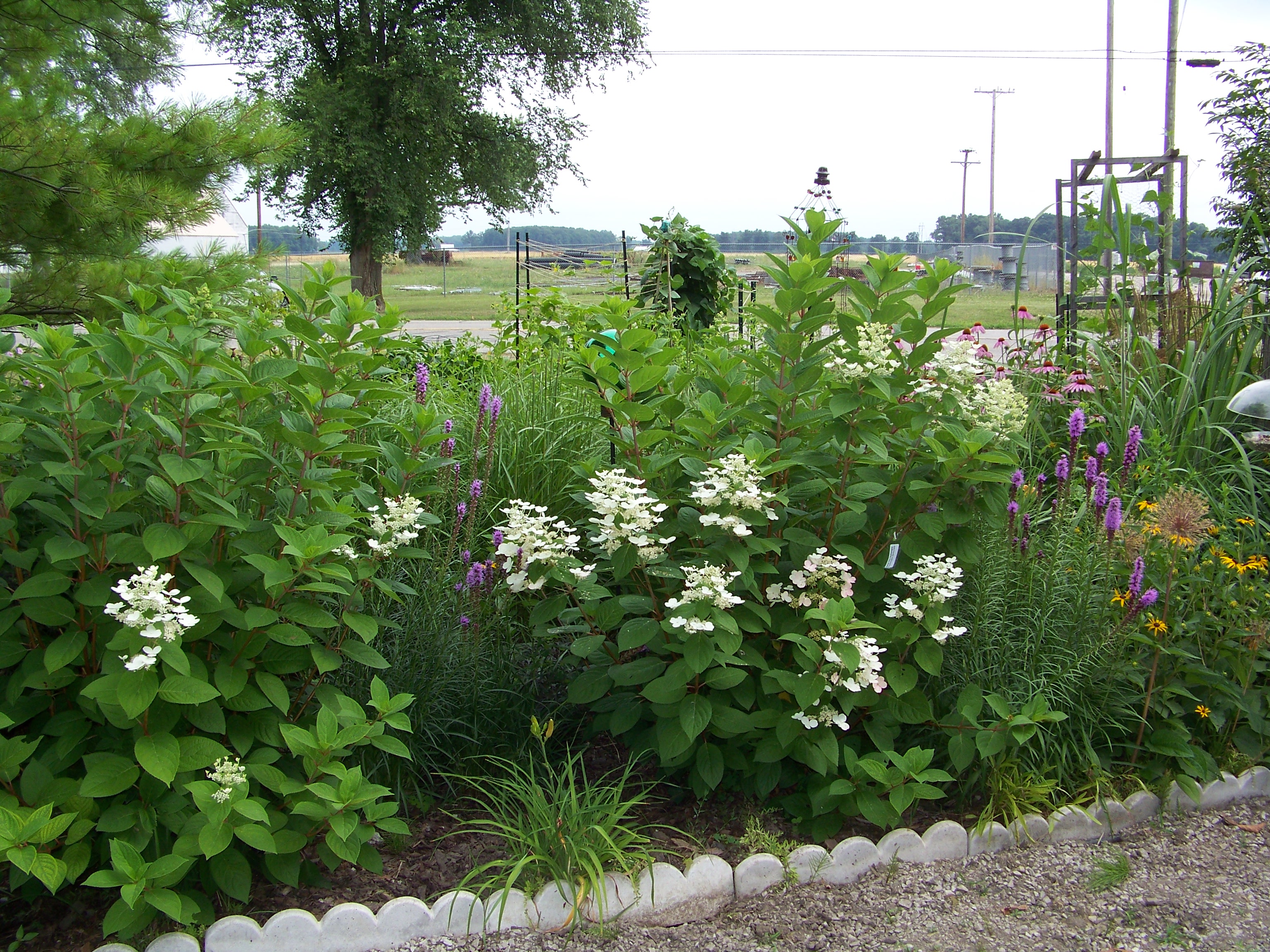
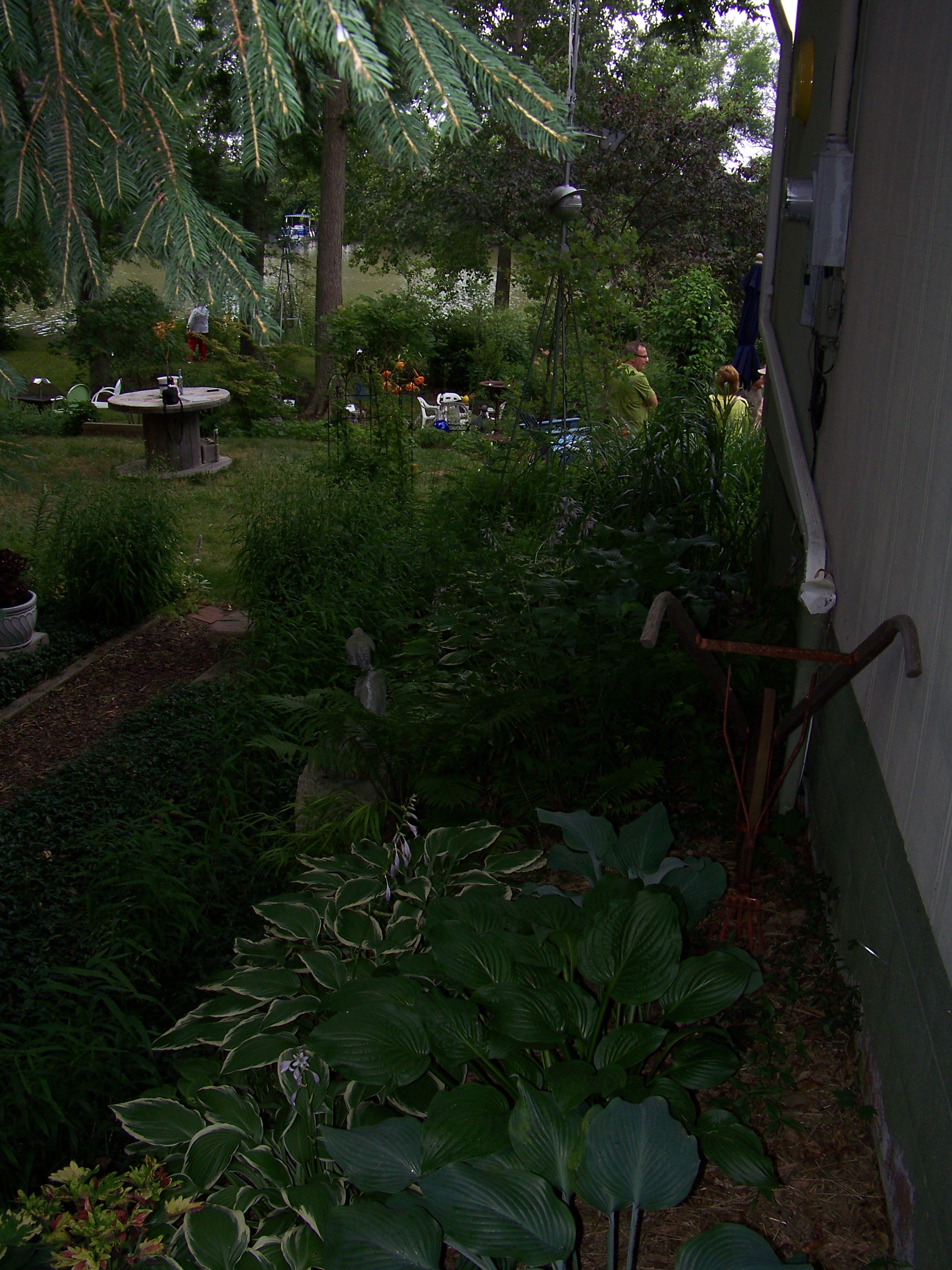
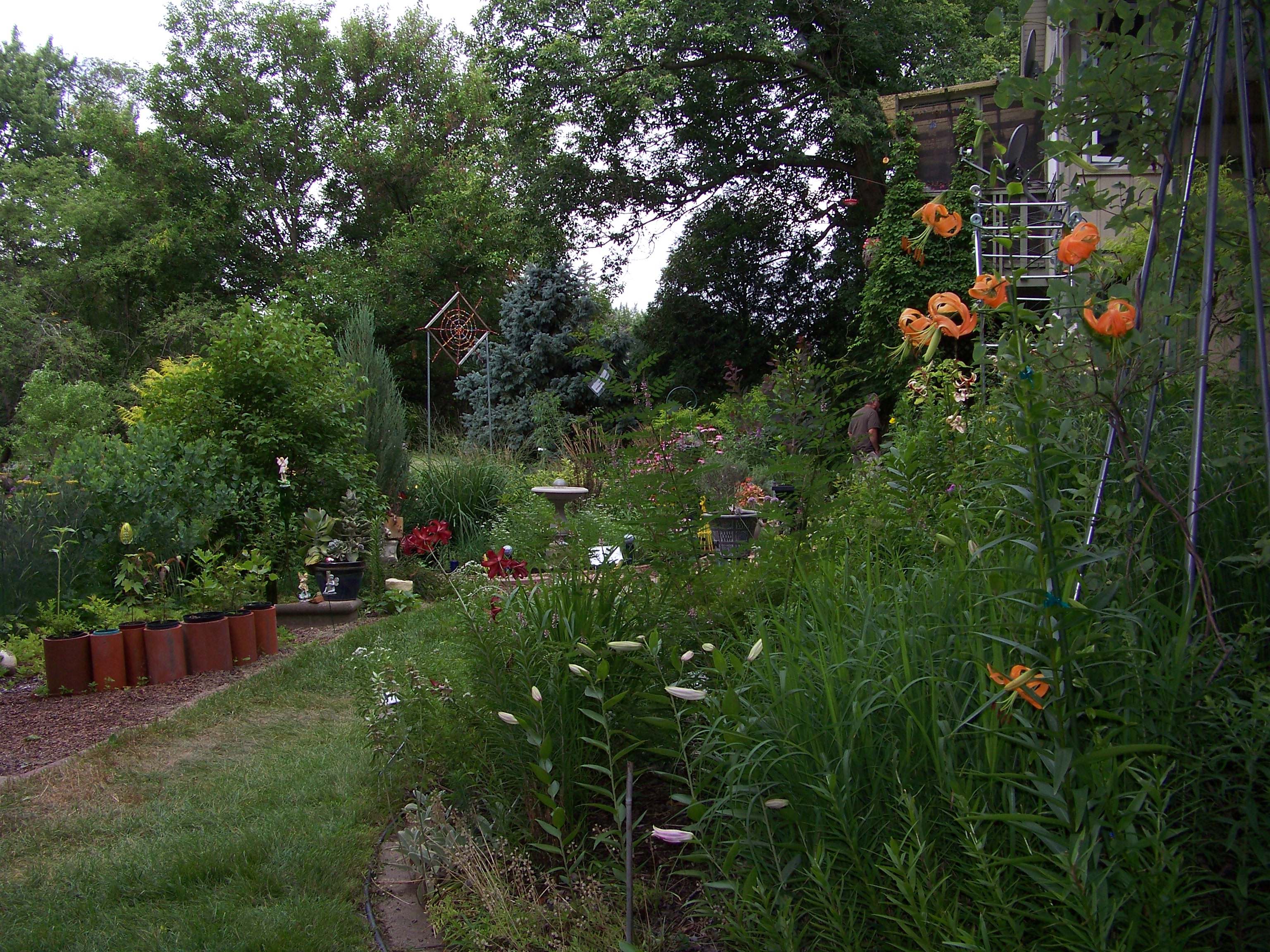
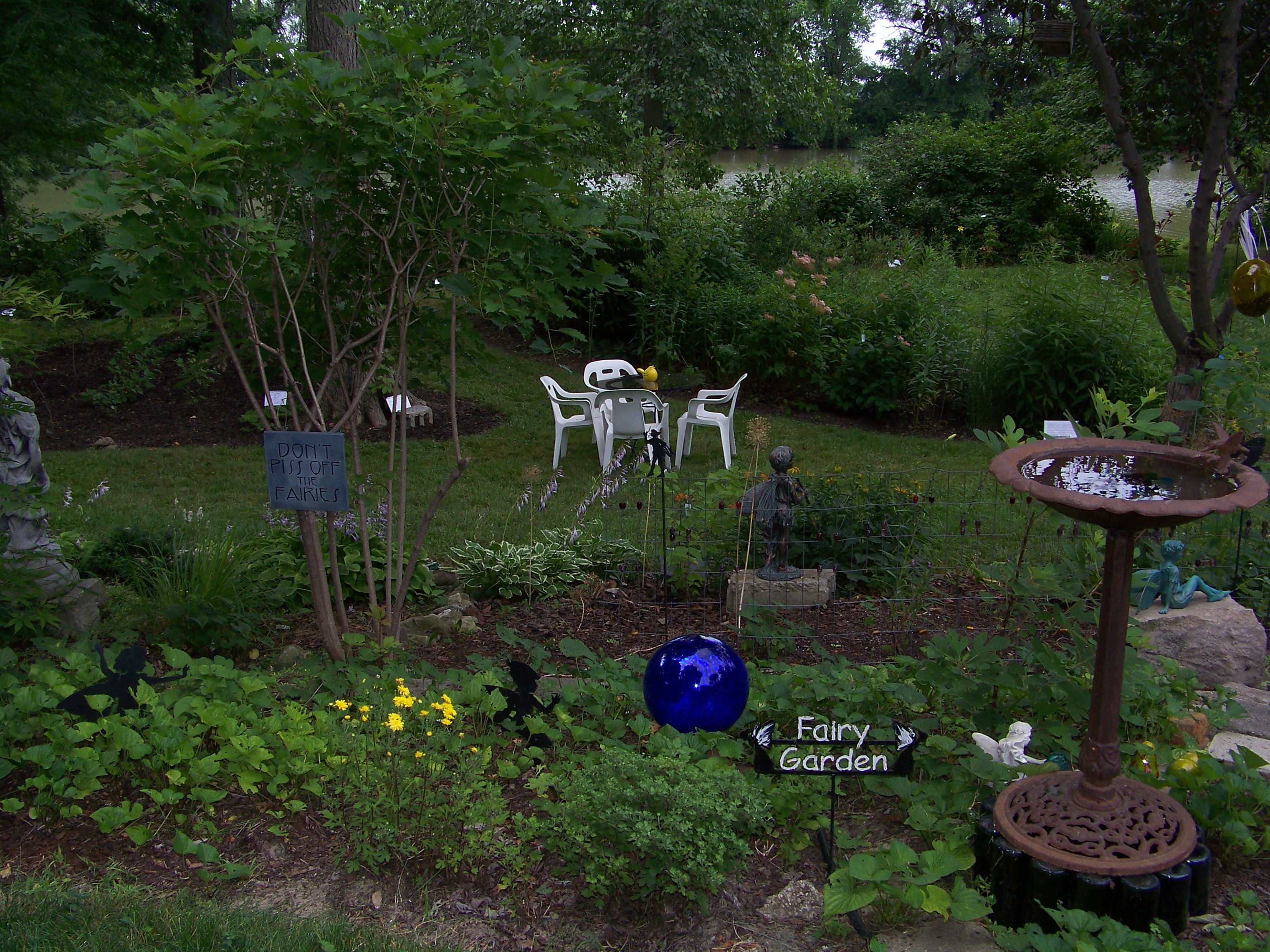
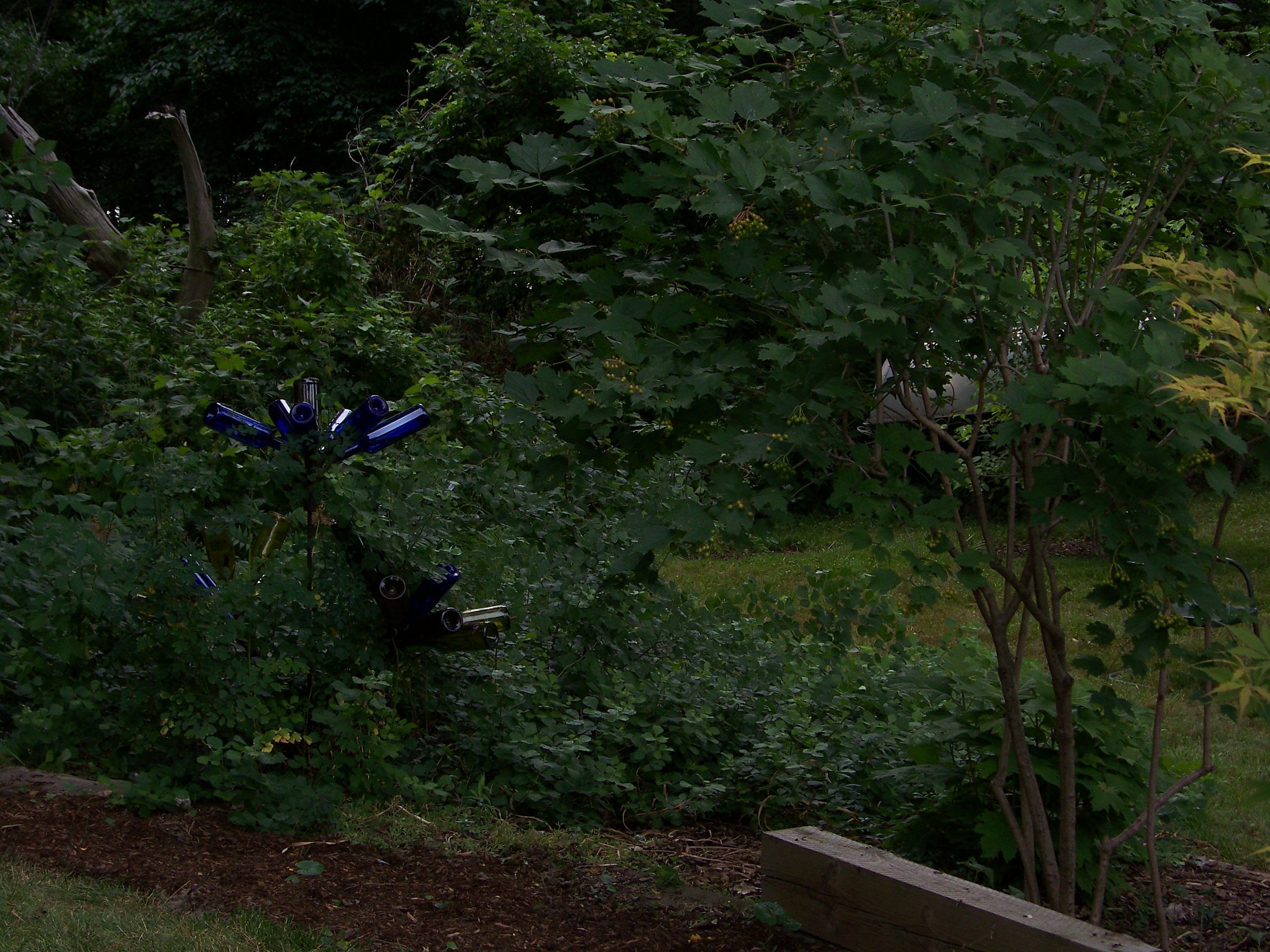
From all that I heard during the garden walk, it was a success. Here are a few more photos of Paul’s garden. If anyone has photos from the other gardens, please post or send to me to post. I know we would all love to see them. Have a great week…and don’t forget to post photos for Foto Friday as well.

Pathway to Gardens

100_3750

100_3740 100_3741 100_3742 100_3743 100_3744 100_3745 100_3746 100_3747 100_3748 100_3749 100_3751 100_3752 100_3753

Read Full Post »

Jennie emailed me this article from our contributing Master Gardener who likes to remain anonymous. Some beautiful photos.

It wasn’t that long ago we were all staring out the windows at our snow-blanketed gardens wondering if anything would survive the extreme weather conditions we had in the winter of 2013/2014. With that memory still vivid, let us look at what mid-summer has given us and give a thankful sigh, for “This Is Why We Garden” (all photos taken in the backyard 15-Jul-2014):Capture1


why we garden why we garden2 why we garden3 why we garden4 why we garden5

Read Full Post »

On Saturday’s tour, Iris, the owner of the lavender farm, will show everyone the different varieties of lavender, and when she gets to Edelweiss, she will more than likely ask if anyone knows the lyrics. So I was asked by one of our Master Gardeners to list the lyrics for those who are going:

Edelweiss, edelweiss
Every morning you greet me
Small and white, clean and bright
You look happy to meet me
Blossom of snow may you bloom and grow
Bloom and grow, forever
Edelweiss, edelweiss
Bless my homeland forever

Read Full Post »

Our member who wrote the article sent me this addendum:

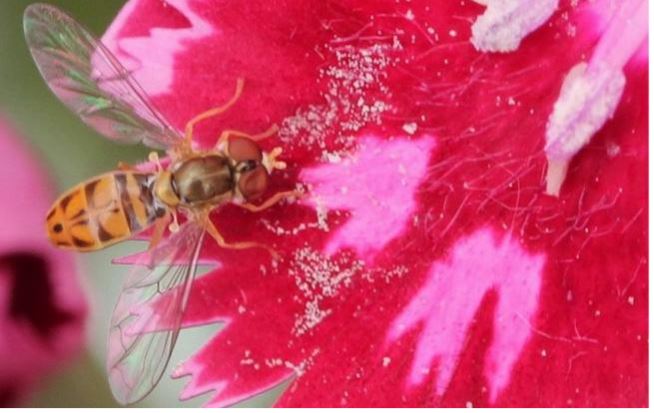
toxomerus marginatus Hover Fly on Dianthus

Ever since the “If You Plant It, They Will Come” article was posted last week on the Blog, the bee-creature’s identity has been bugging me (pun intended). So, putting my Master Gardener research-based curiosity to work, I learned this isn’t a bee at all, but rather, a fly.

The Toxomerus marginatus Hover Fly, or “Flower Fly,” is a common Hover Fly that frequents garden flowers and is a significant pollinator. These flies resemble bees and wasps because of their colored bands, but they do not bite or sting. Adults feed on the nectar from flowers, and the larva feed on aphids. You can find the adult flies feeding on alyssum, bachelor’s button, calendula, cosmos, dill, lavender, lemon balm, marigold, penstemon, parsley, yarrow, and zinnia.

Note the pink and green iridescence of the wings, and the transparency of those wings that allows the jagged petals of the Dianthus to show right through the wings. I thought the image was worthy of another (closer) look since I did not notice these characteristics of the wings when I first shot the picture for use in the original “If you plant it….” article.

Read Full Post »

Jennie Stanger
Monroe County Master Gardener

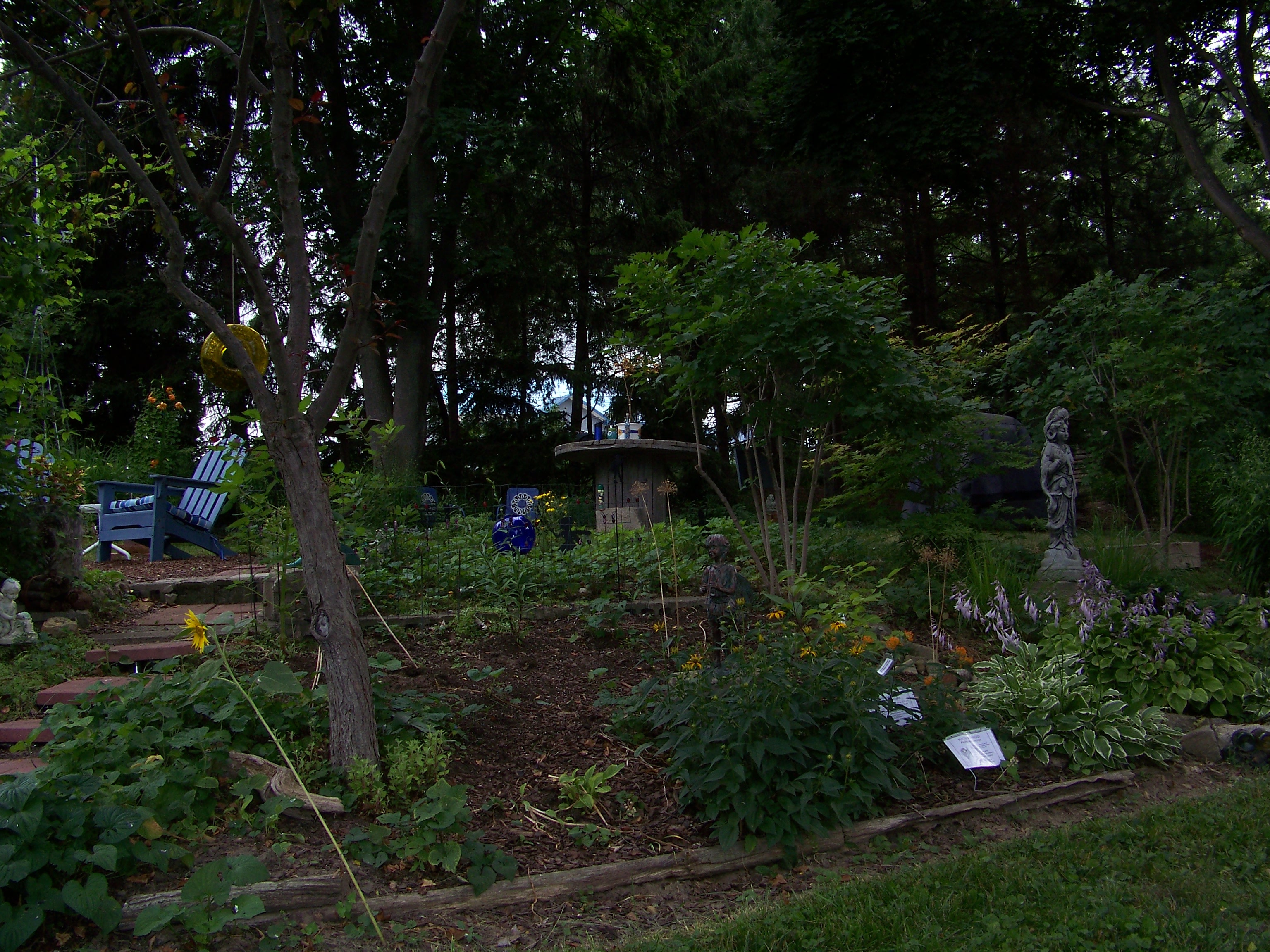
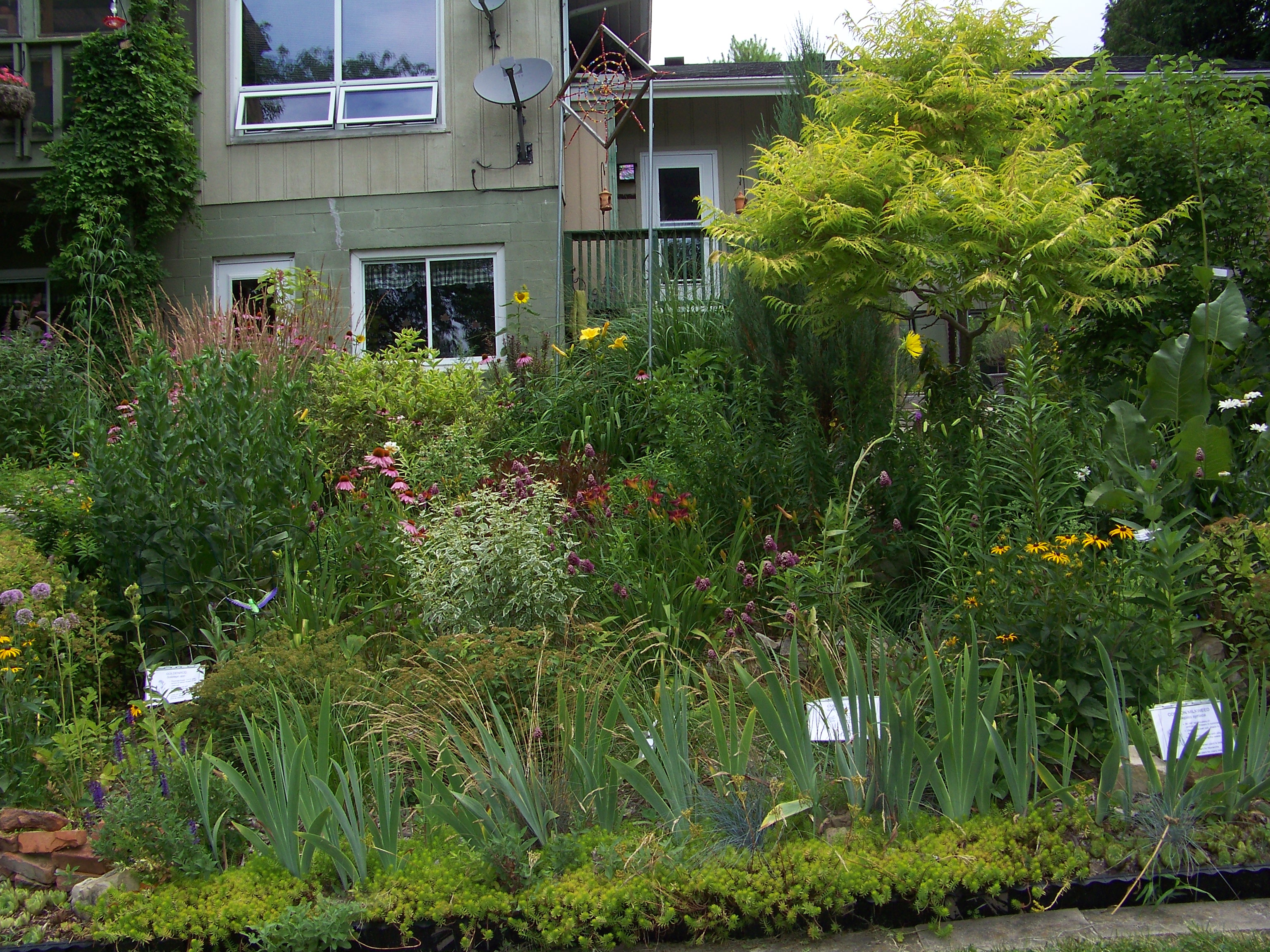
Monroe Master Gardeners, convinced that gardens enrich our community, plan to showcase one private and three public gardens in a Saturday guided tour July 19 from 10am to 2pm. It will begin at the Demonstration Gardens at the MSU Extension building just south of the fairgrounds at 963 S. Raisinville Rd where Master Gardeners over the years have planted gardens for specific educational purposes. Adults will be charged $5 at that point and pick up a map to the remaining sites plus a free bottle of cold water. The proceeds will be used to train new Monroe Master Gardeners. That is a future goal since the class series has not been offered here since 2010.

There is an outstanding children’s garden at that first stop with plants and garden features designed to delight children and to engage their senses of hearing, smell and touch as well as sight. A Monarch waystation has larval plants as well as many nectar sources to attract Monarchs and other butterflies. Plants to attract pollinators will be identified and a beekeeper will help answer questions about bees and other pollinators. There are native shrubs and a row of shrubs particularly adapted to heavy, low-lying clay soils common to the area. A rain garden, a large assortment of groundcovers including a fragrance garden with herbal knots and other theme gardens provide much to learn. Many plants will be labeled and volunteers will be on hand to identify and explain.
The president of the local Master Gardener Association will also open his large private garden along the river where he has developed an extensive collection of native plants and carefully designed areas to maximize garden interest and enjoyment throughout the season. He will share his long experience with various ornamental grasses and show which ones are both hardy and non-invasive.

The other two gardens, also close to the river and west of Monroe, are local treasures that even people who use the public areas tend to ignore. When tour participants reach those stops they will find Master Gardener volunteers eager to point out the value of special plants and both landscape and vegetable gardening techniques to lower maintenance and increase gardening rewards.

Get a carload of beginning or experienced gardeners and children together to enjoy this summer experience!

What: Monroe County Master Gardener Gardens Enrich Our Community

When: July 19, 2014

Where: Tour begins at MSU Extension 963 S. Raisinville Rd

Time: 10 am to 2 pm.

Cost: Adults $5. Children 12 and under, free.
For more information please contact Winnie Webb (Master Gardener) at Monroe County MSU Extension 734 240-3178 or email at webbw@anr.msu.edu

Read Full Post »

« Newer Posts - Older Posts »