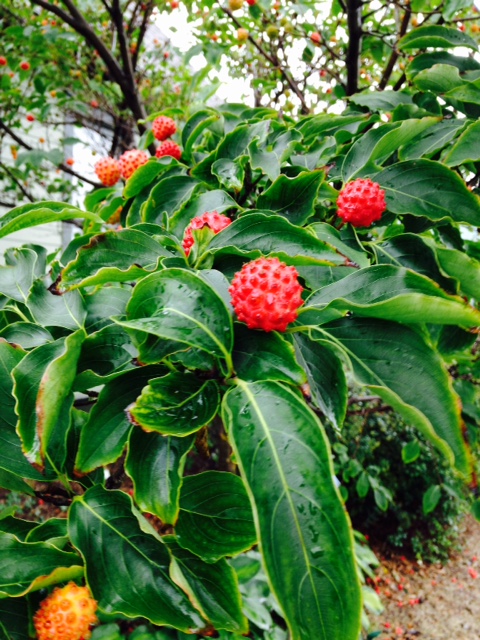
 Kousa dogwood at Hack House in Sept when we met there, Karen Bender took the photo.
Archive for the ‘Uncategorized’ Category
Photo Friday
Posted in Uncategorized on October 30, 2015| Leave a Comment »
Bats
Posted in Uncategorized on October 18, 2015| Leave a Comment »
Thank you to Ben Lehr, from Monroe Conservation District, for speaking to our MCMGA yesterday. He gave us quite an education on Bats. Extremely enjoyable by all who attended. I’ve attached a scanned copy of the handouts he provided to us. May we all be more educated on bats and appreciate their value.

Little Brown Bat
Here are the handouts:
scan0002
scan0003
scan0004
scan0005
Handouts & Photos from Draper Houston – Hack House
Posted in Uncategorized on September 28, 2015| Leave a Comment »
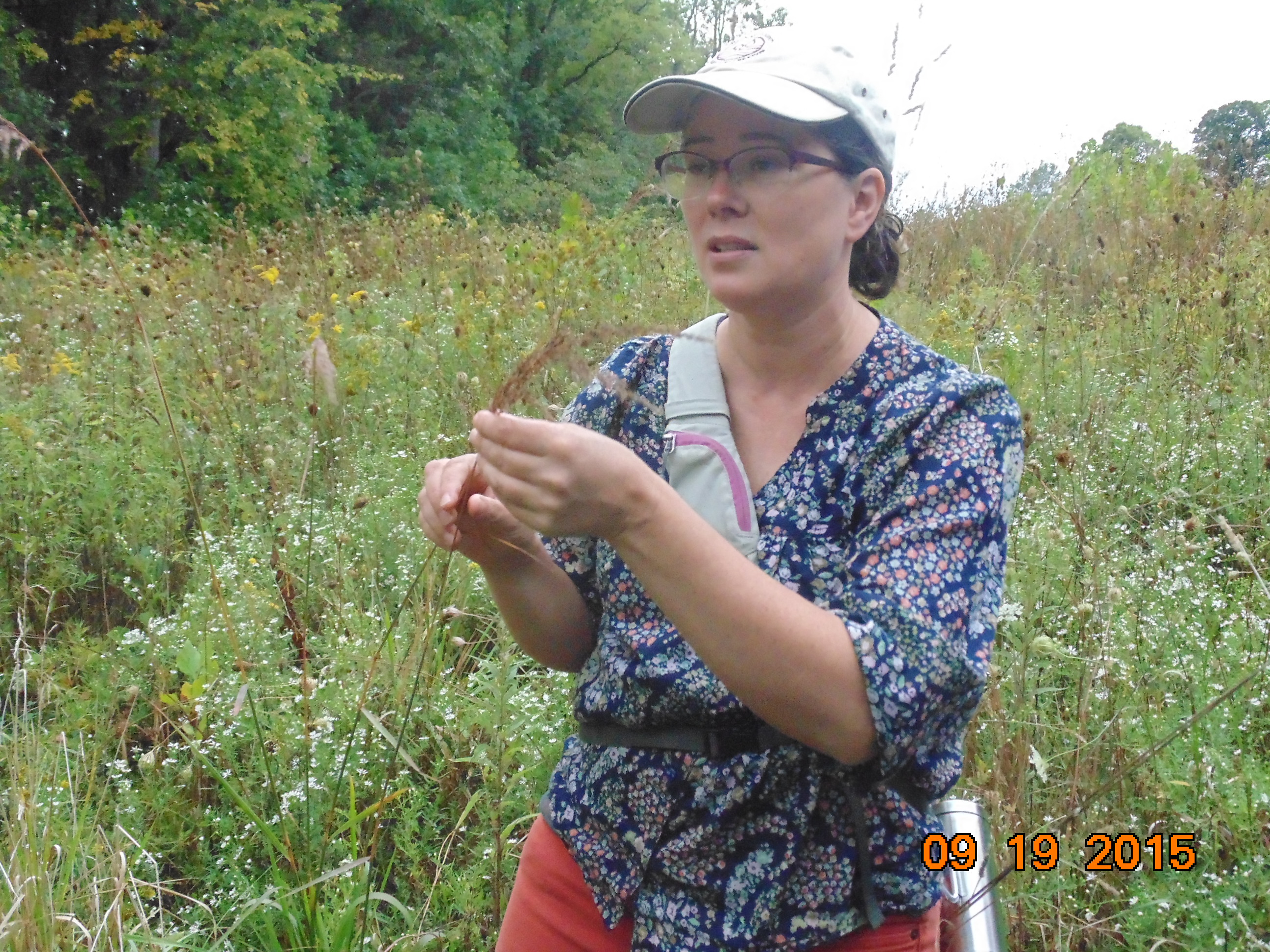
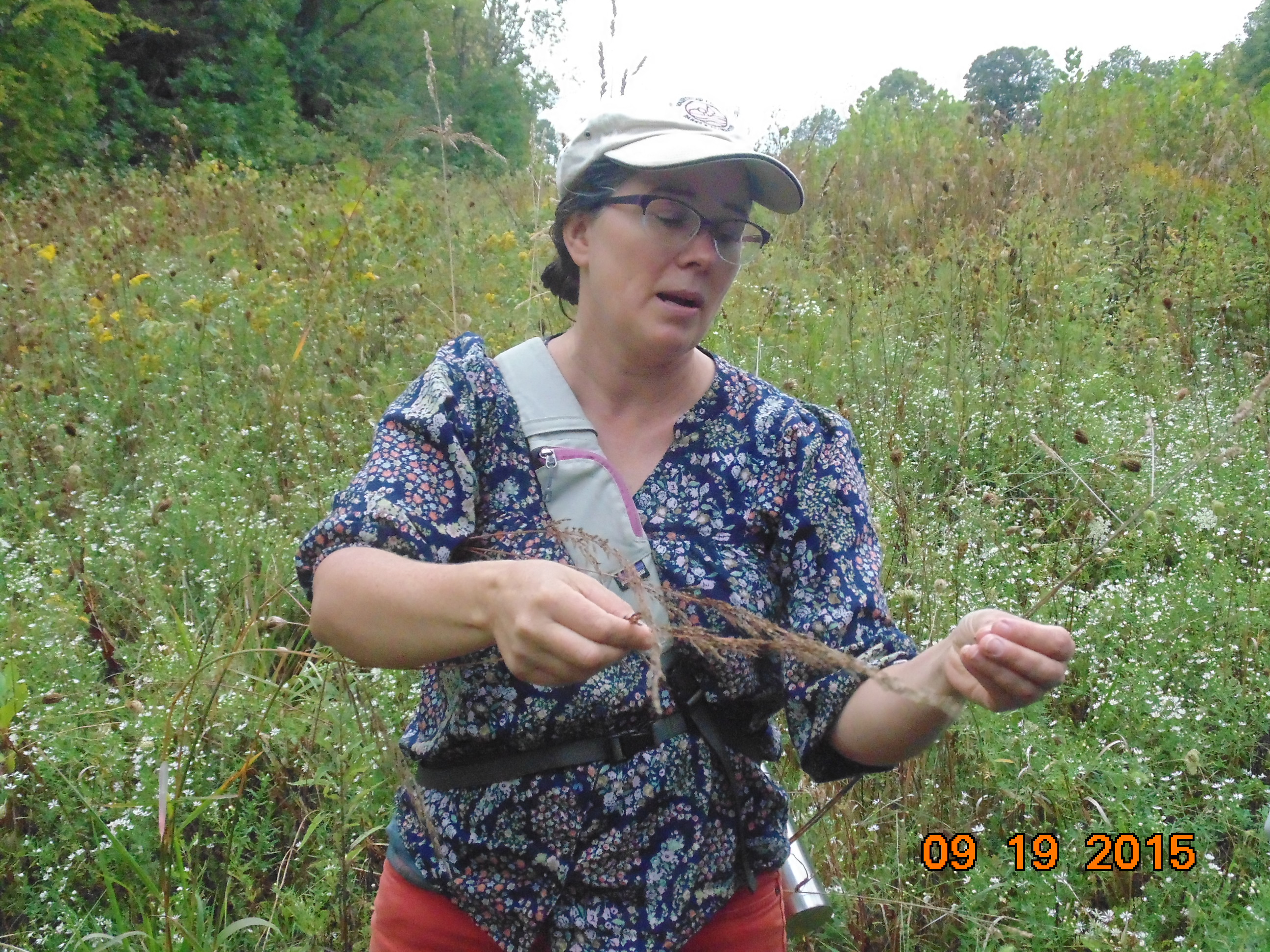
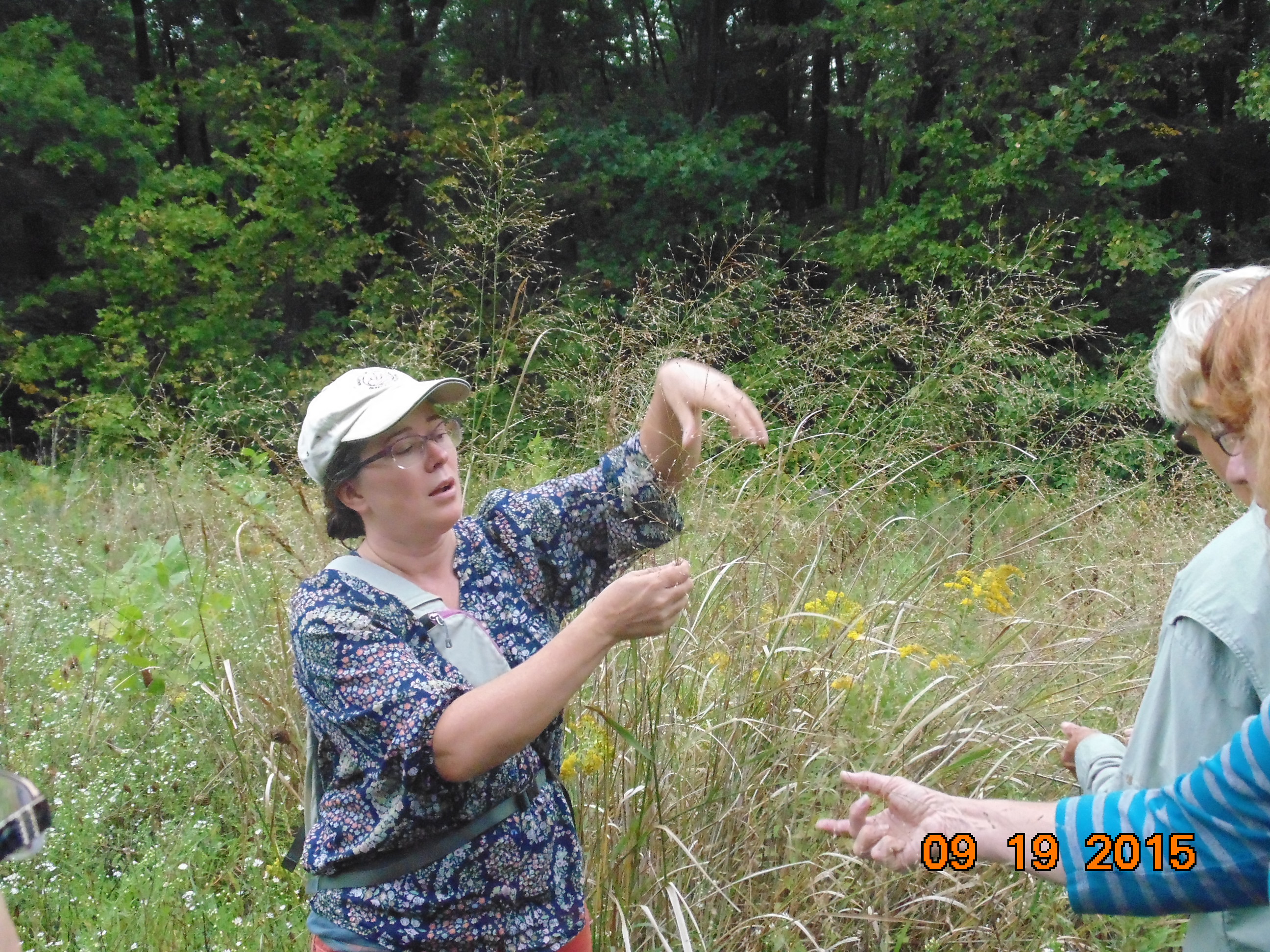
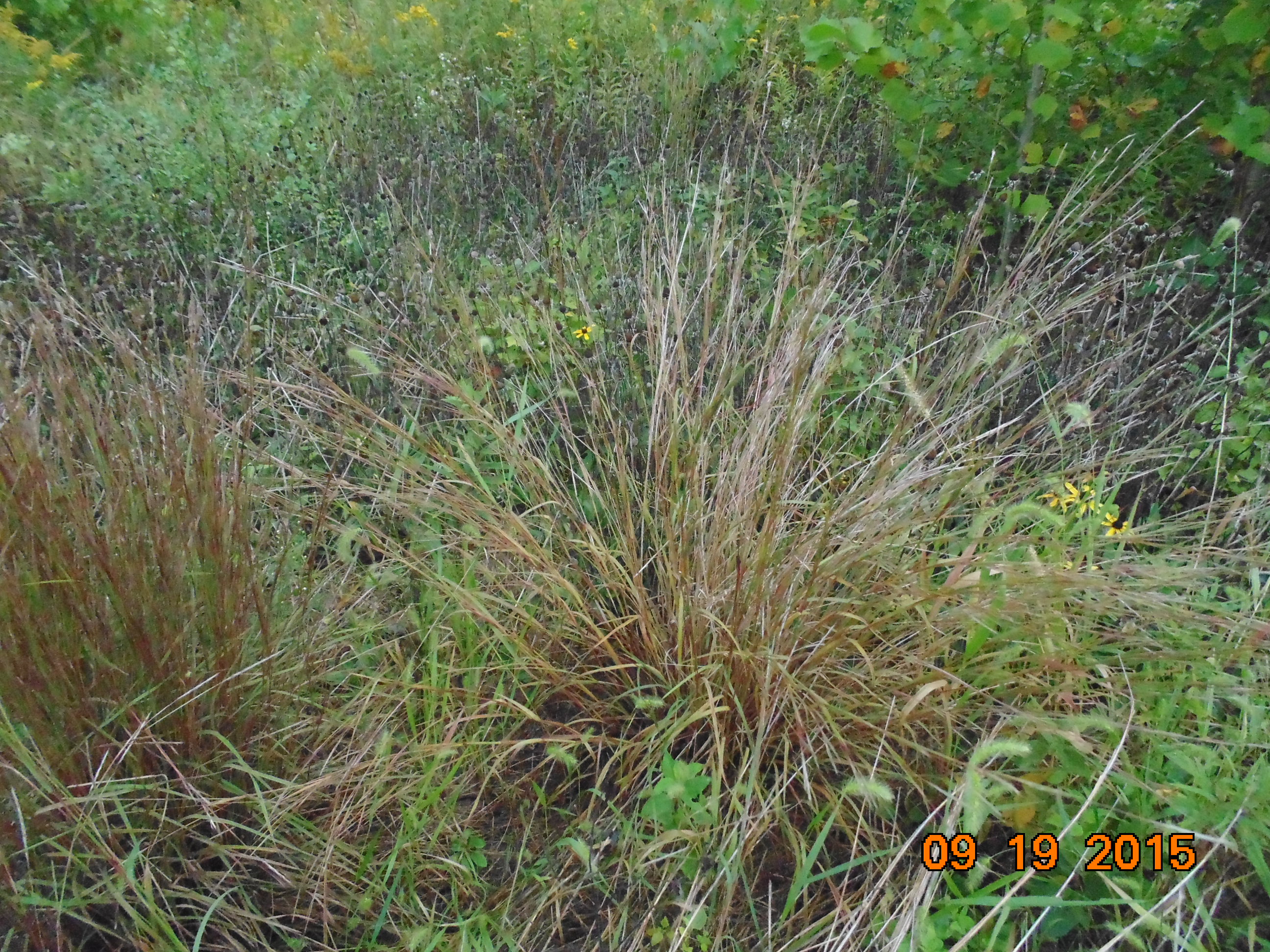
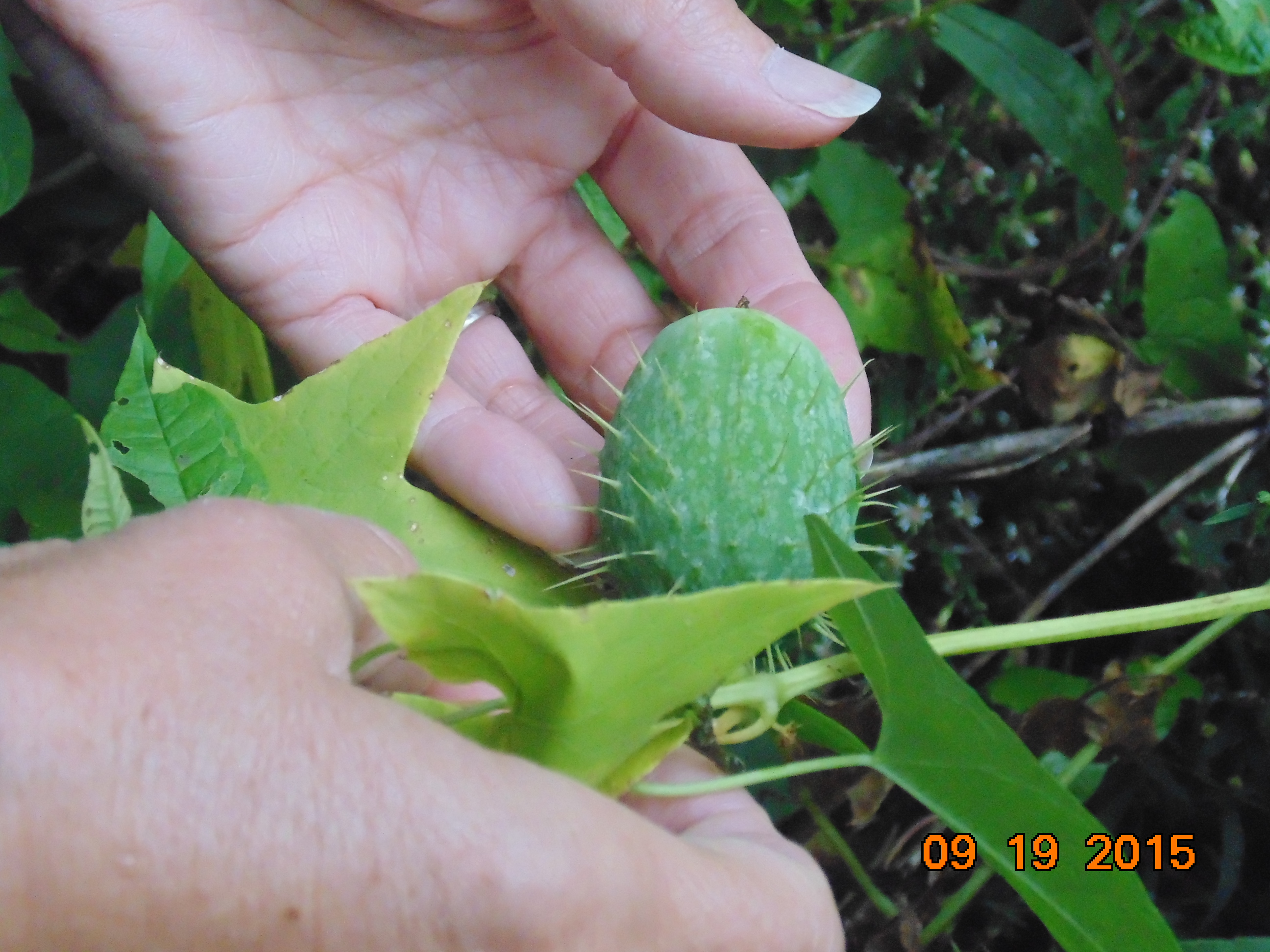
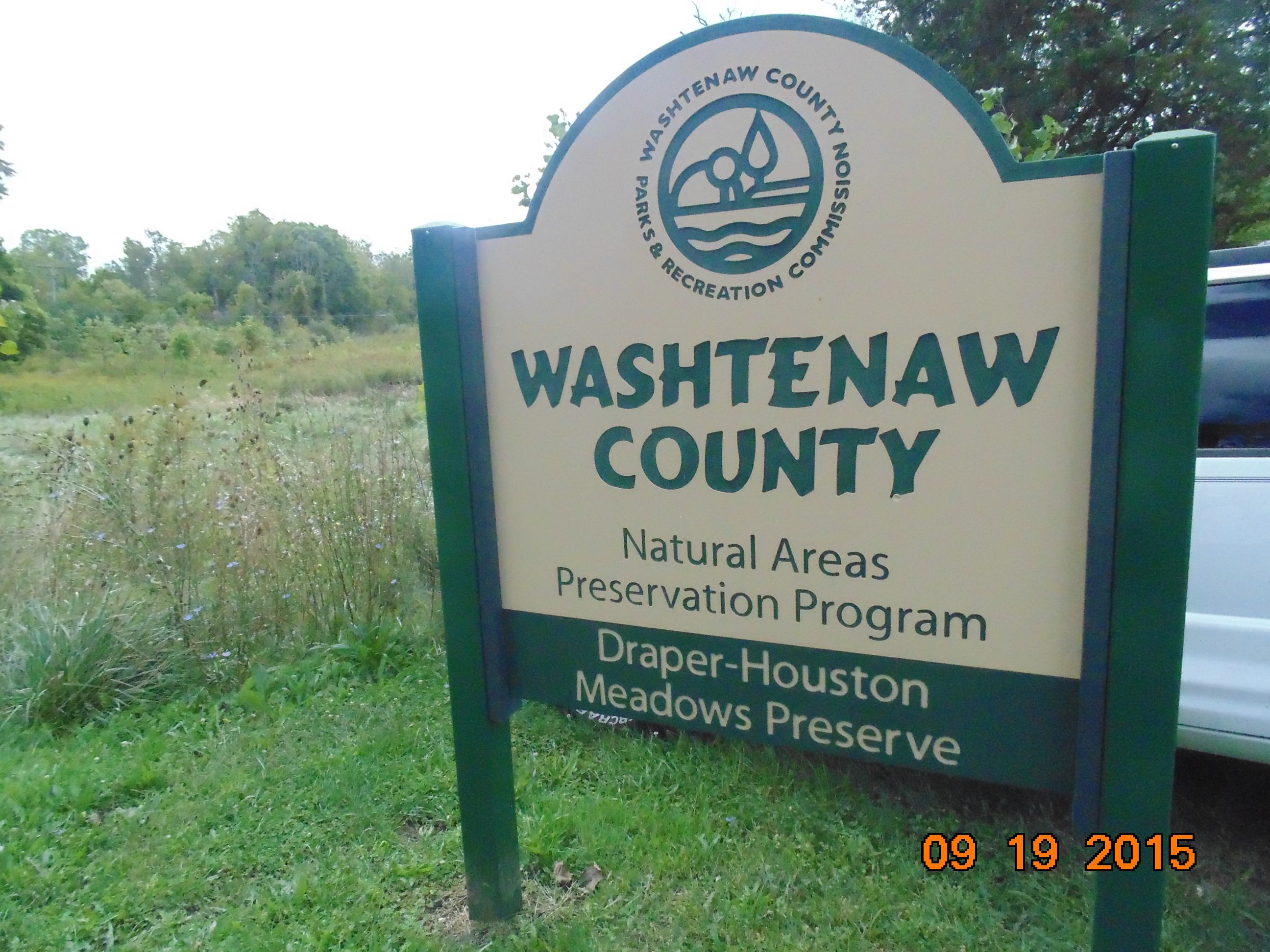
Here are some Handouts from Draper Houston. There are 3 jpeg charts and then 4 PDF files to open. Hope it was a great trip for all who attended
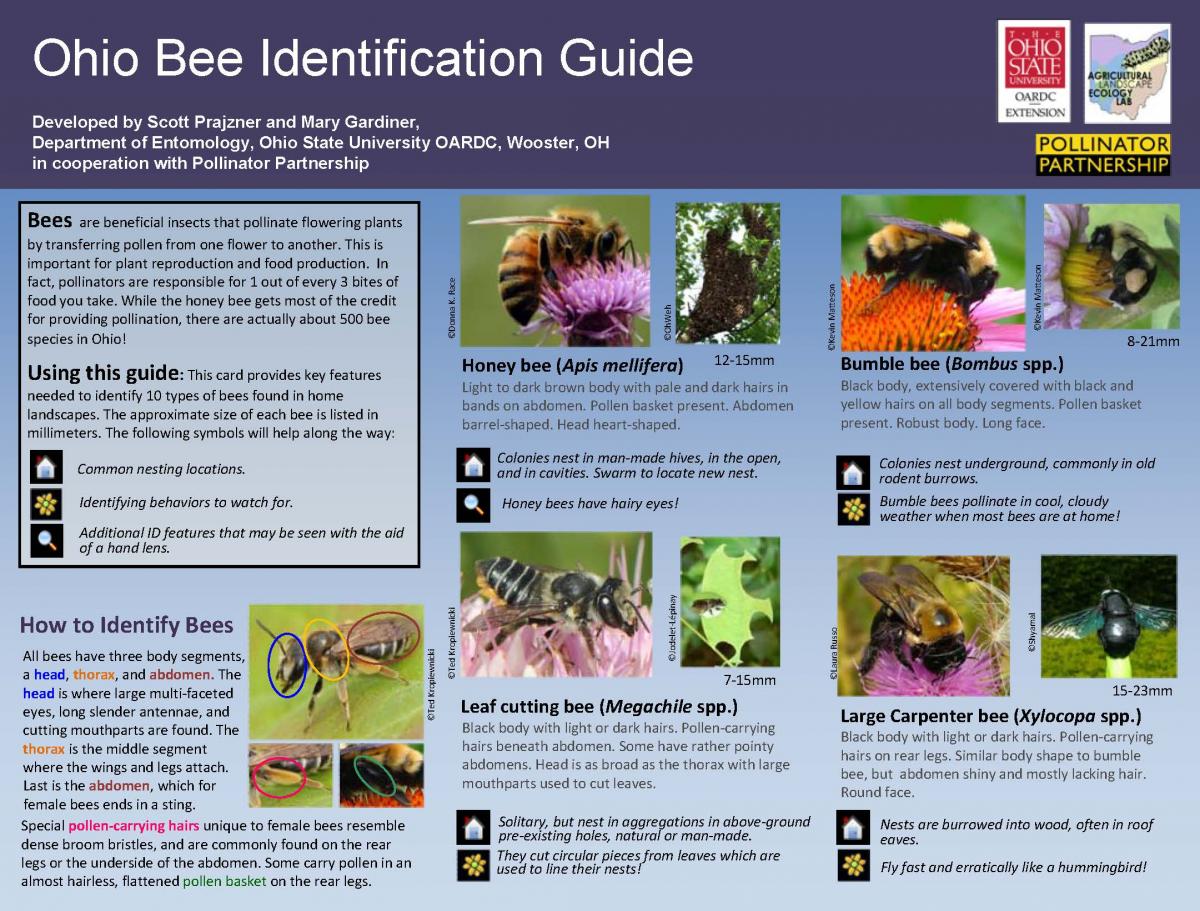
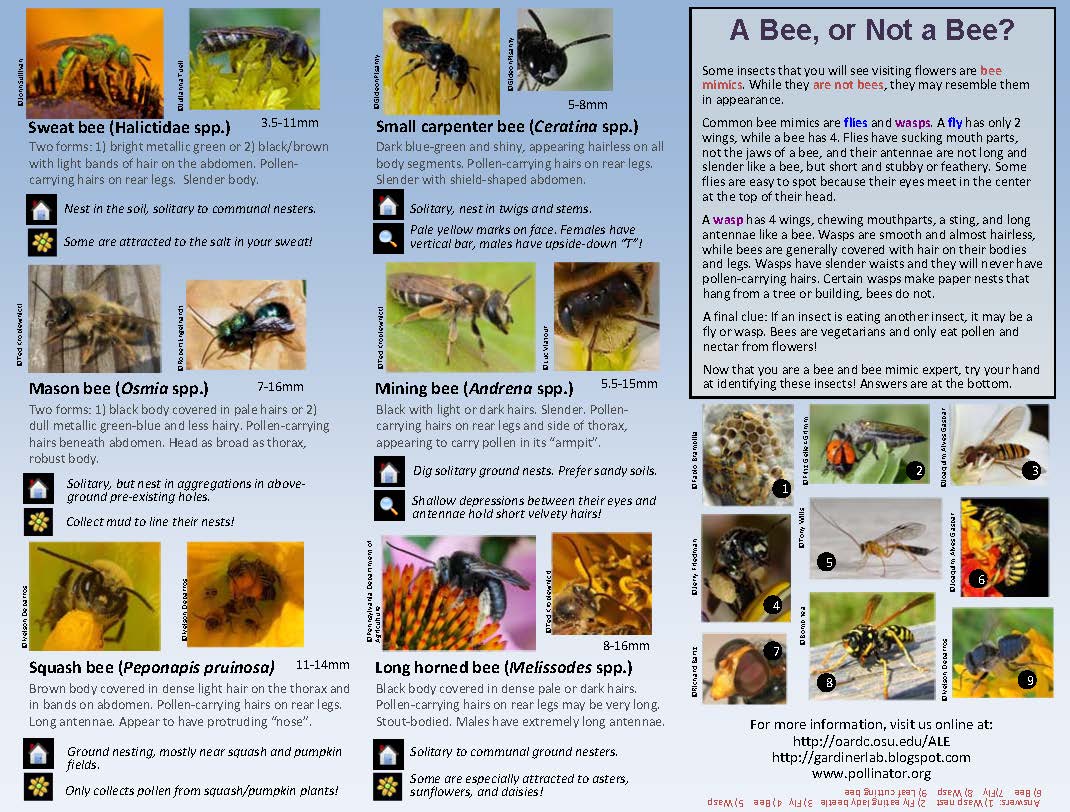

nests_for_native_bees_fact_sheet_xerces_society

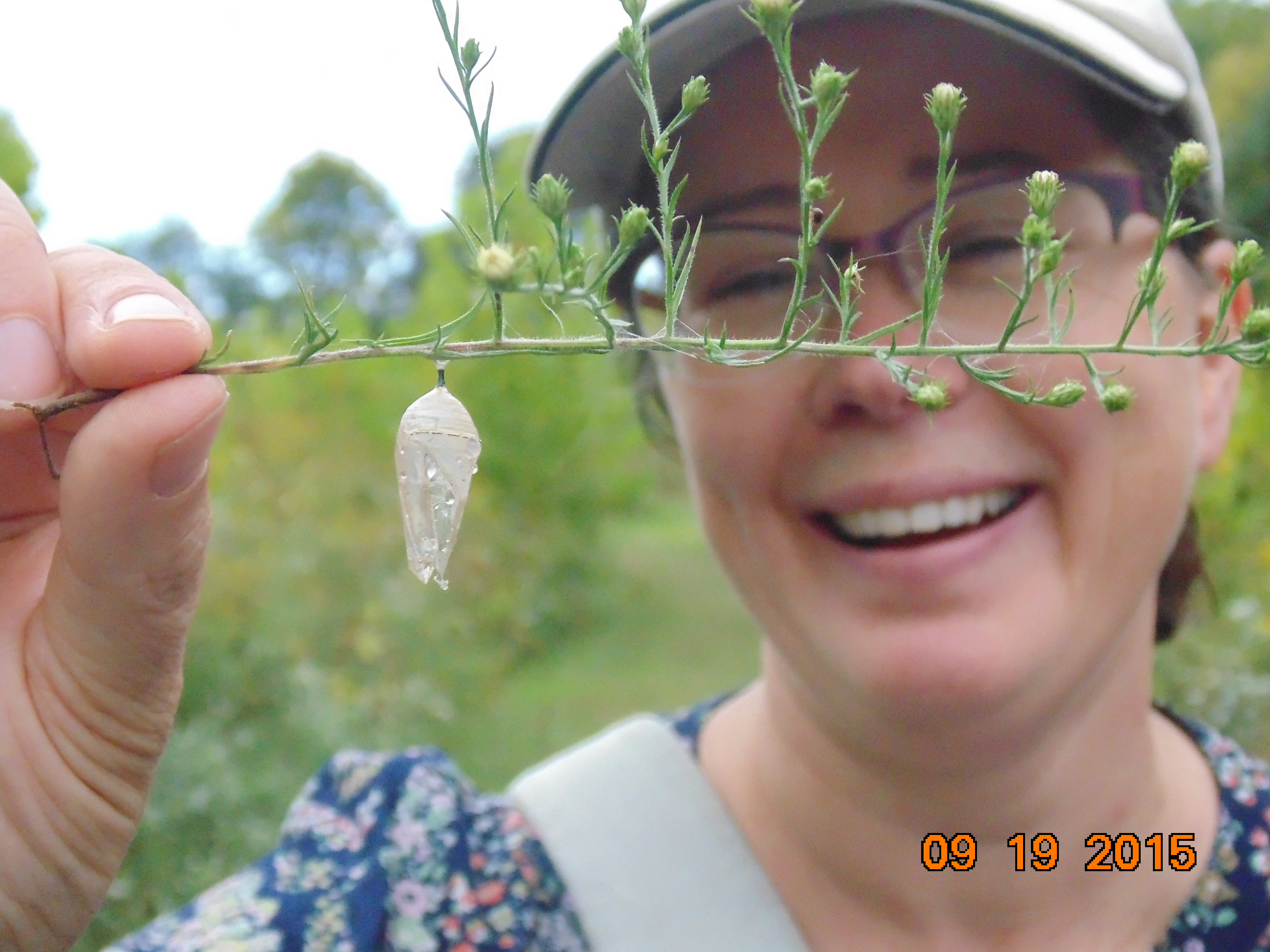
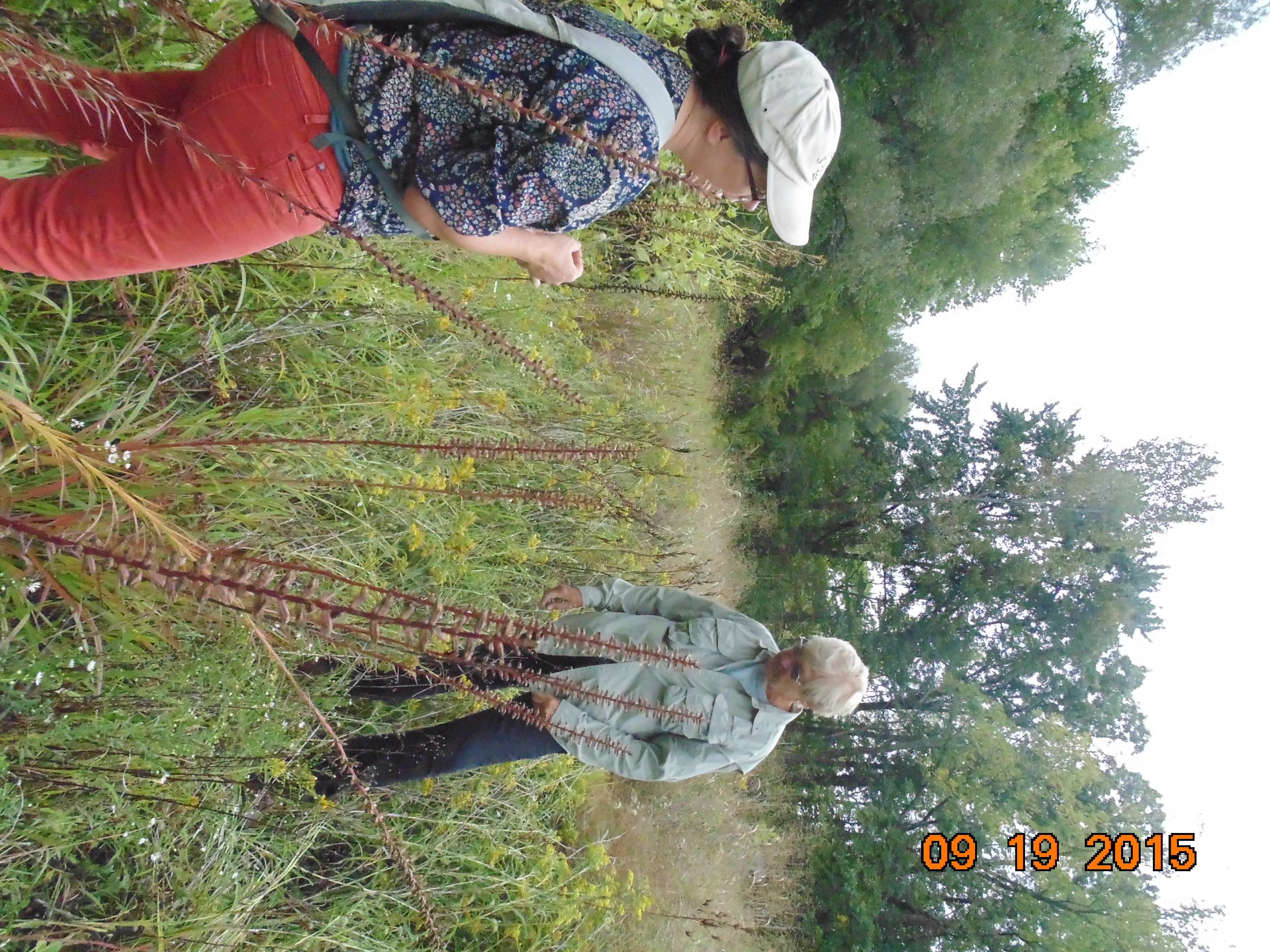
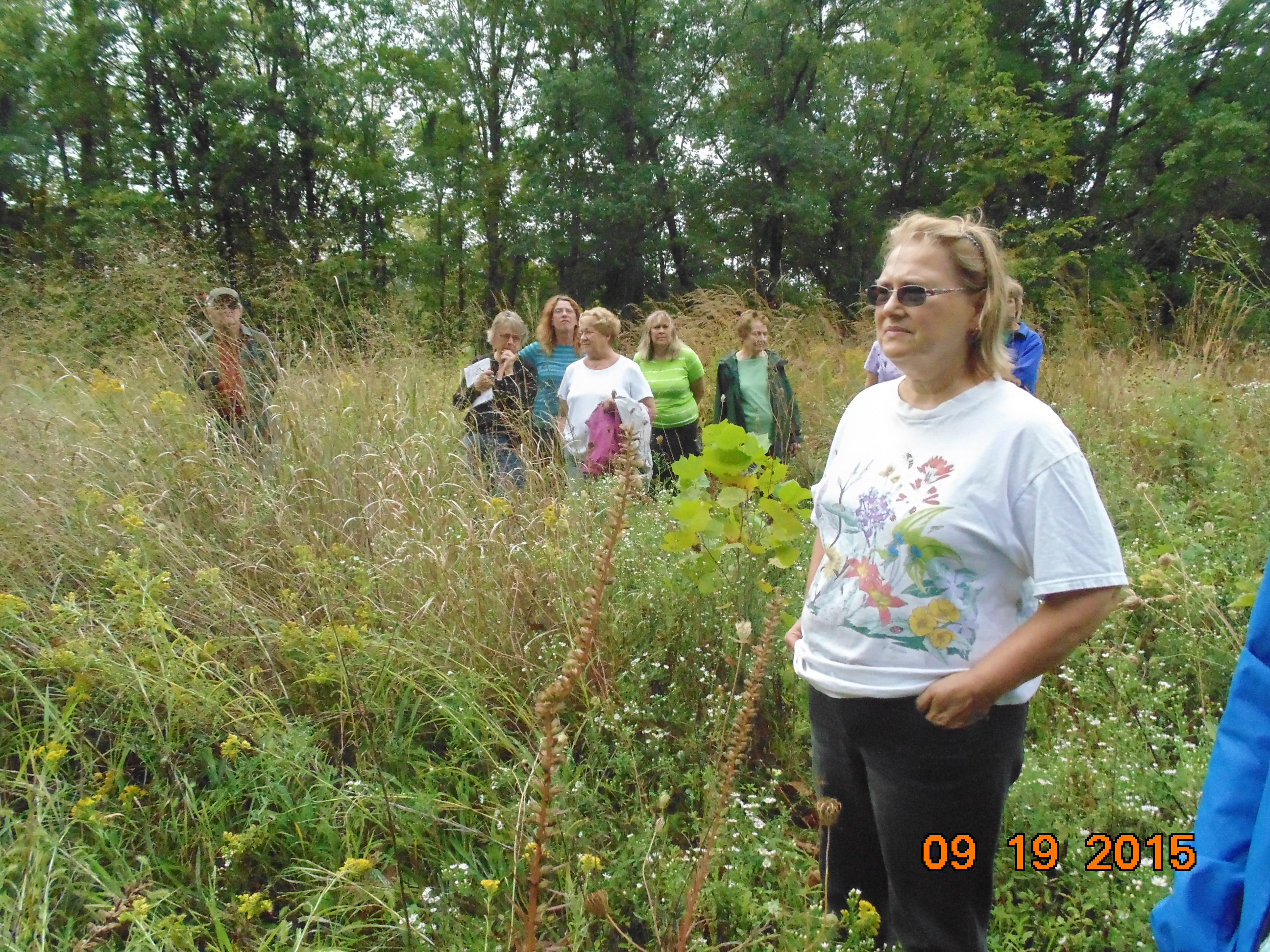
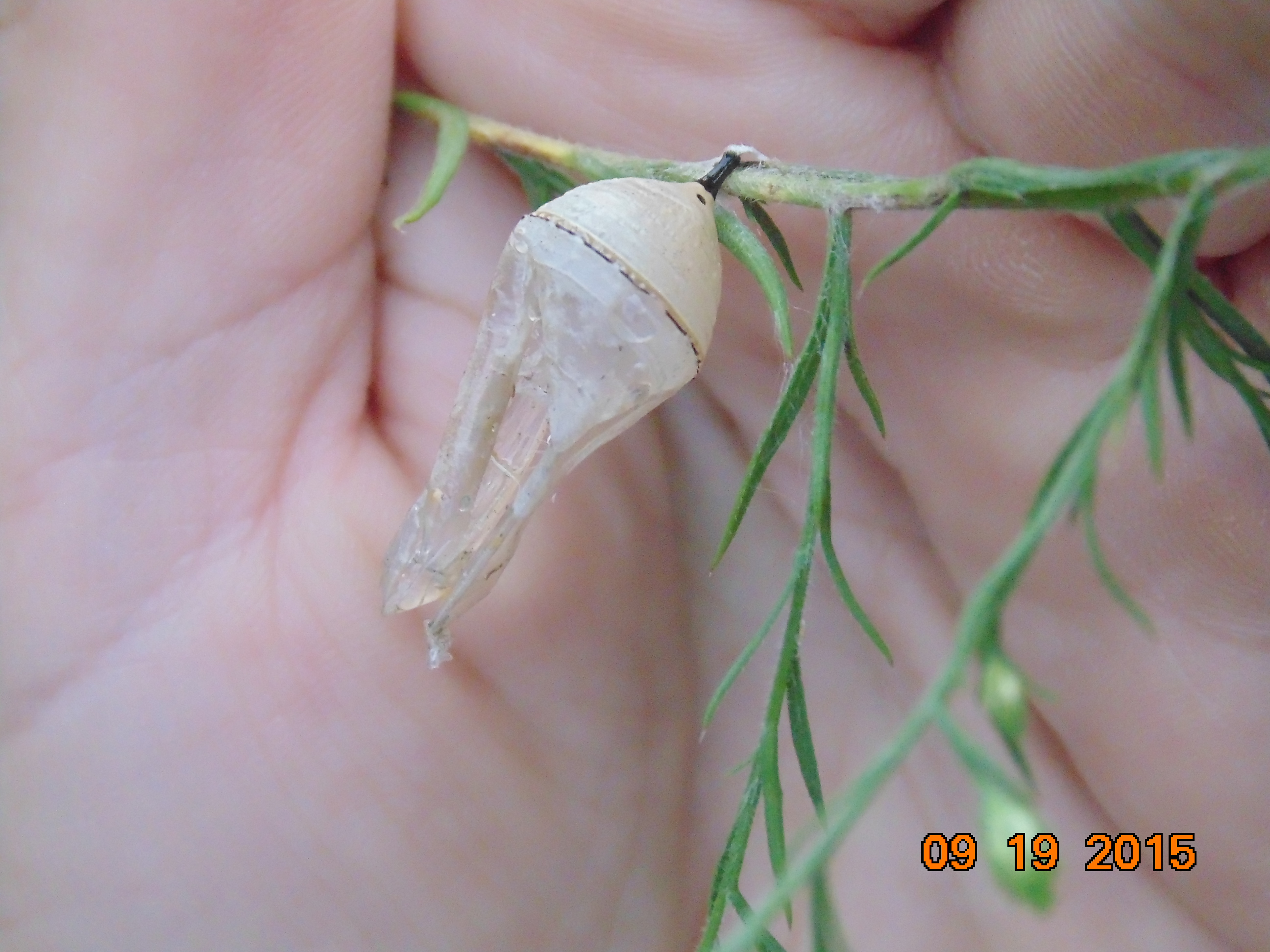
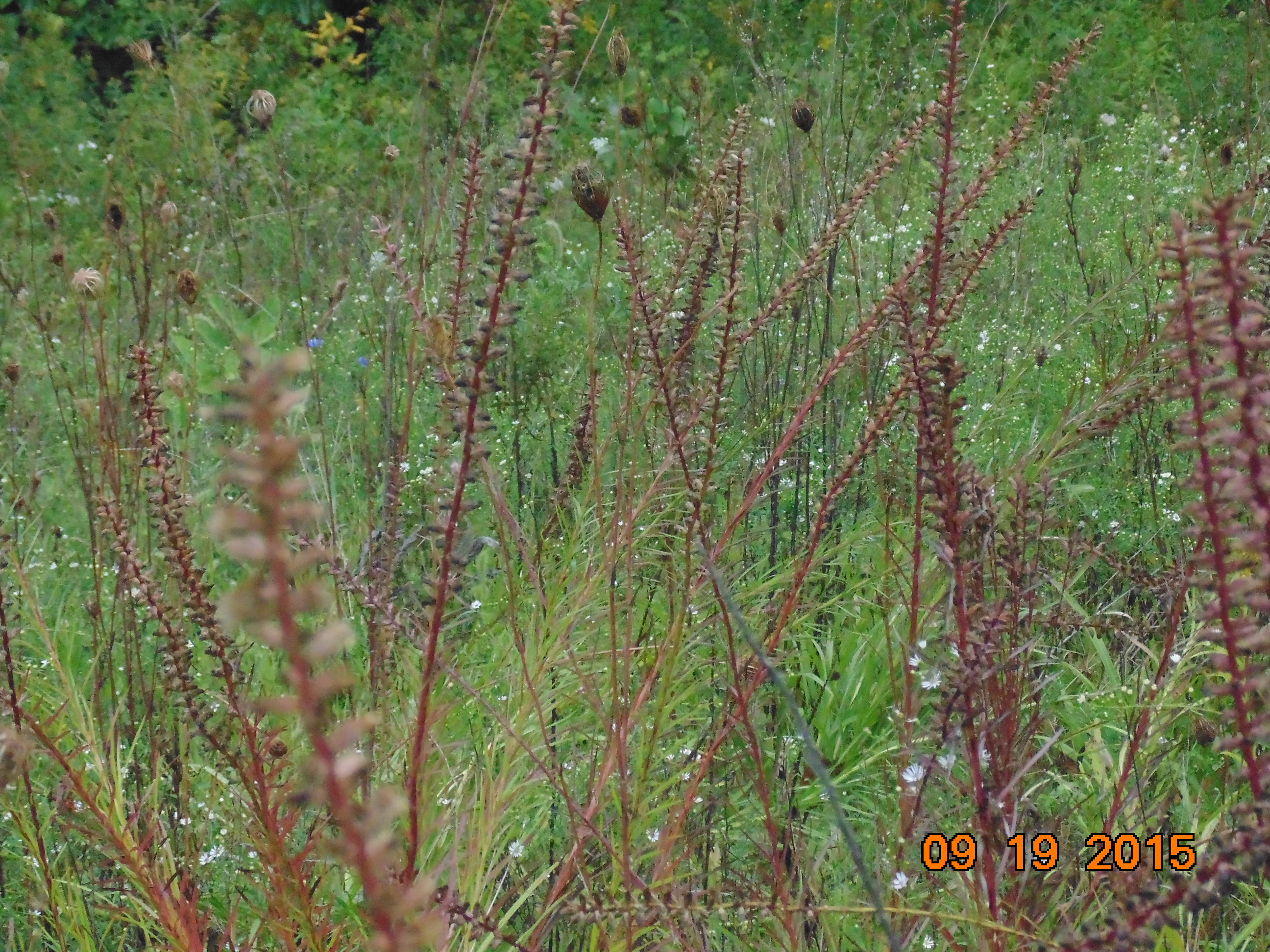
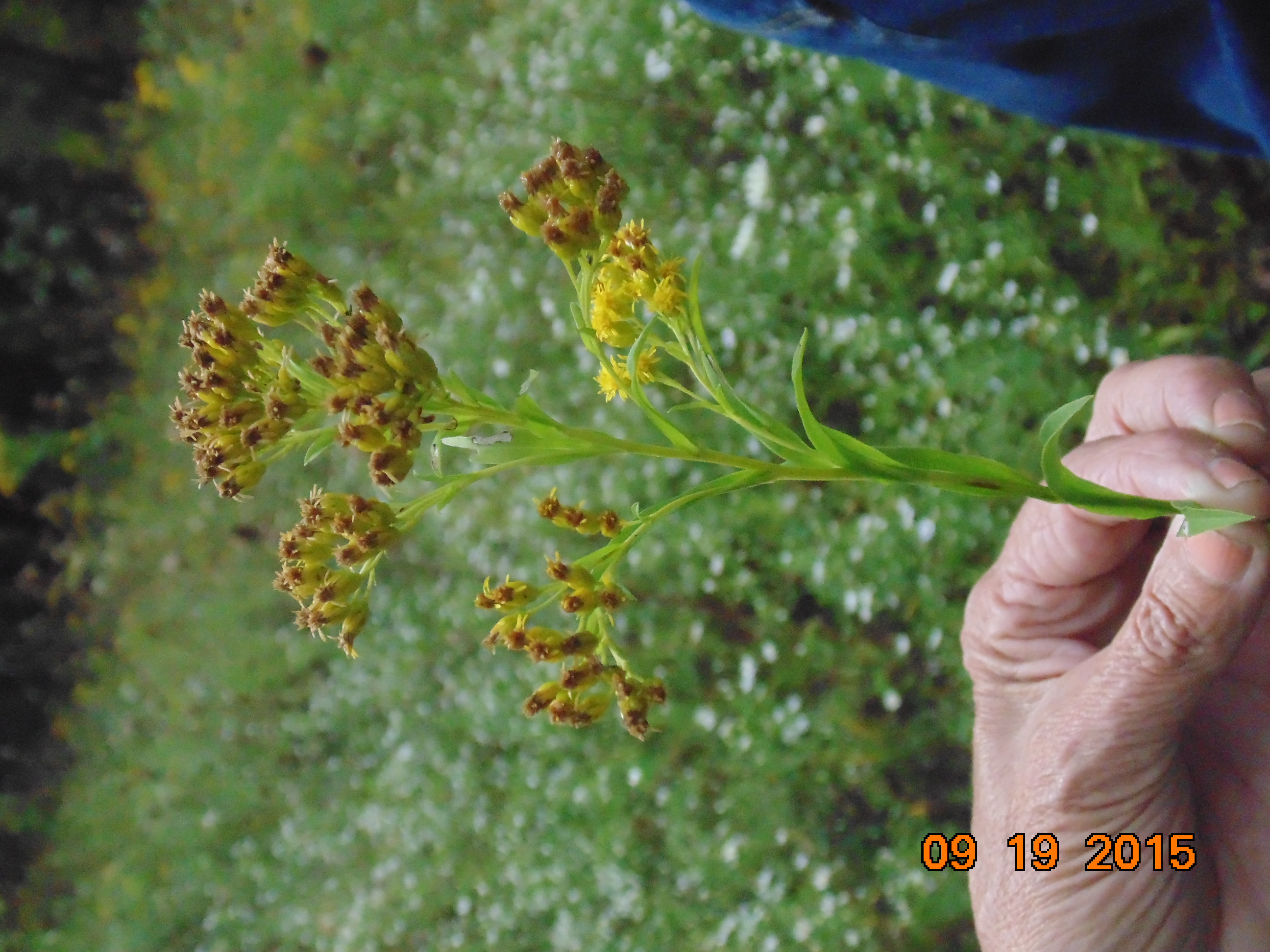
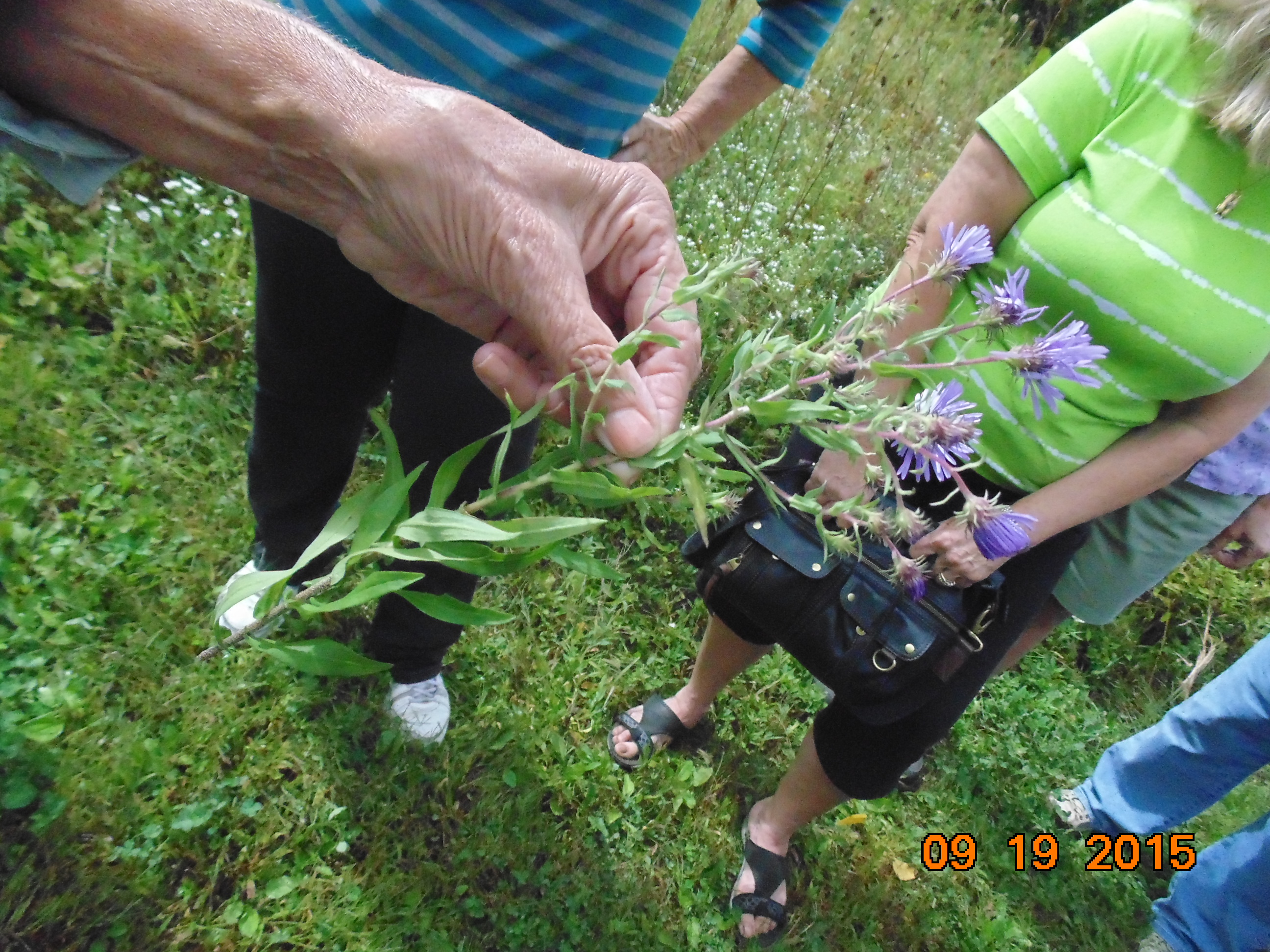
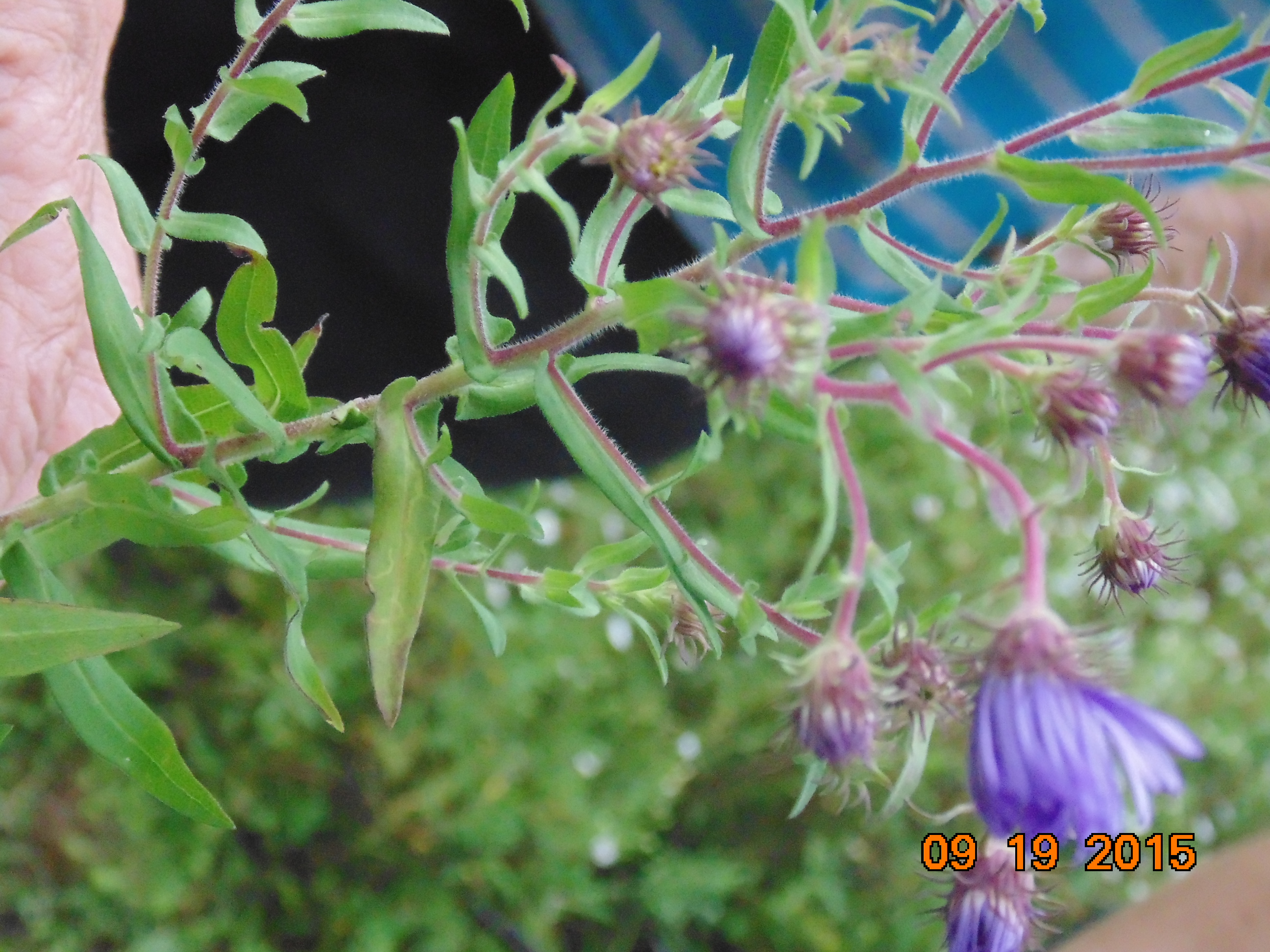
![358[1]](https://monroecountymga.org/wp-content/uploads/2015/09/3581.jpg)
![359[1]](https://monroecountymga.org/wp-content/uploads/2015/09/3591.jpg)
![360[1]](https://monroecountymga.org/wp-content/uploads/2015/09/3601.jpg)
![361[1]](https://monroecountymga.org/wp-content/uploads/2015/09/3611.jpg)
![354[1]](https://monroecountymga.org/wp-content/uploads/2015/09/3541.jpg)
![355[1]](https://monroecountymga.org/wp-content/uploads/2015/09/3551.jpg)
![356[1]](https://monroecountymga.org/wp-content/uploads/2015/09/3561.jpg)
![357[1]](https://monroecountymga.org/wp-content/uploads/2015/09/3571.jpg)
![364[1]](https://monroecountymga.org/wp-content/uploads/2015/09/3641.jpg)
Clivia
Posted in Uncategorized on September 7, 2015| 1 Comment »
Jennie sent me this to post:
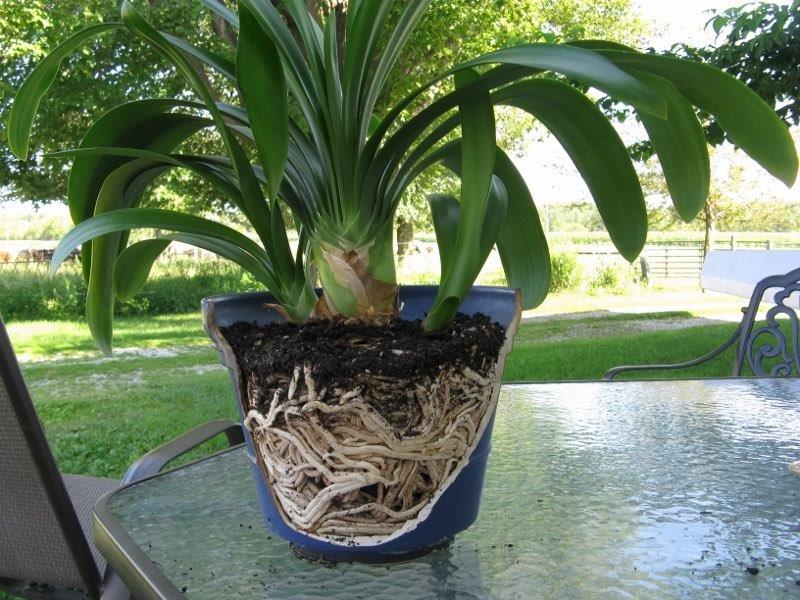
Time to report! Remember the clivia seeds/seedlings Olga gave us the
last time she spoke to our group on propagation? I read that they bloom
better when pot-bound and mine had 3 flower stalks come up so far this
year. Must have been trying to tell me something but I didn’t get the
message until it popped the side off the ceramic pot. How about this
cut-away view of its fat roots!
Topiary
Posted in Uncategorized on August 19, 2015| Leave a Comment »
Here’s a link of photos from Naida and Jennie showing topiary from around the world. Very interesting photos and information:
More Belle Isle Photos
Posted in Uncategorized on August 18, 2015| 1 Comment »
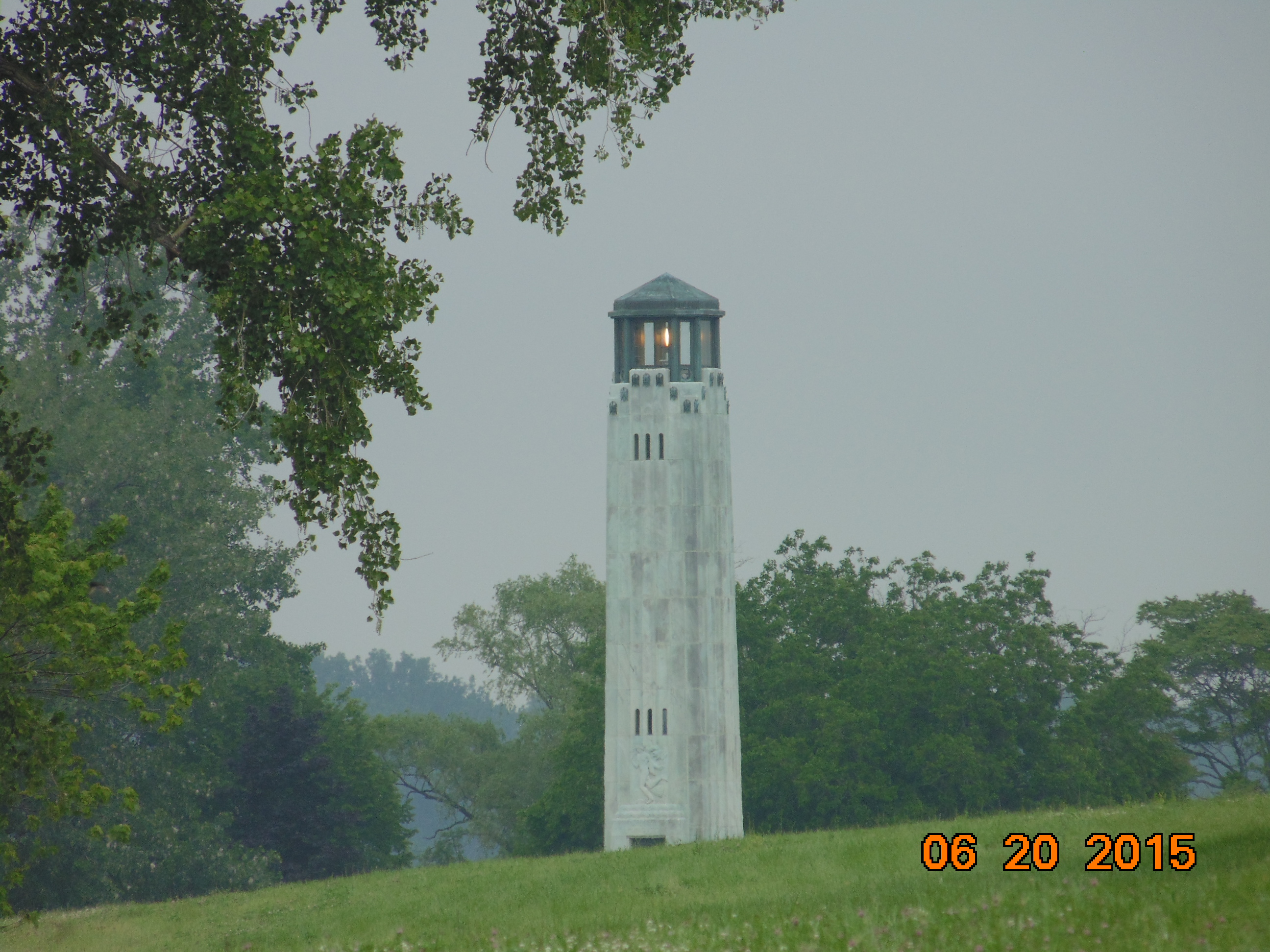
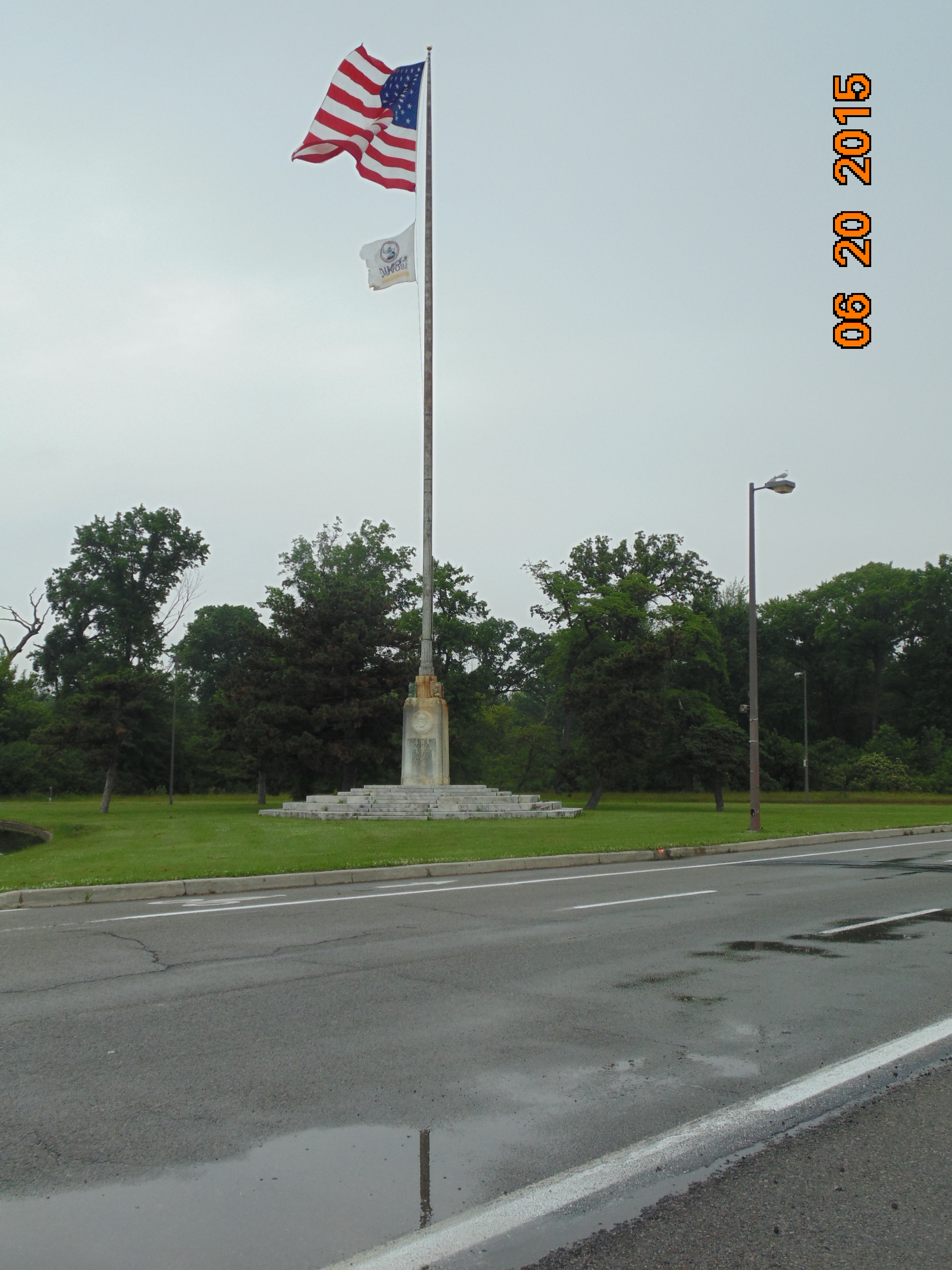
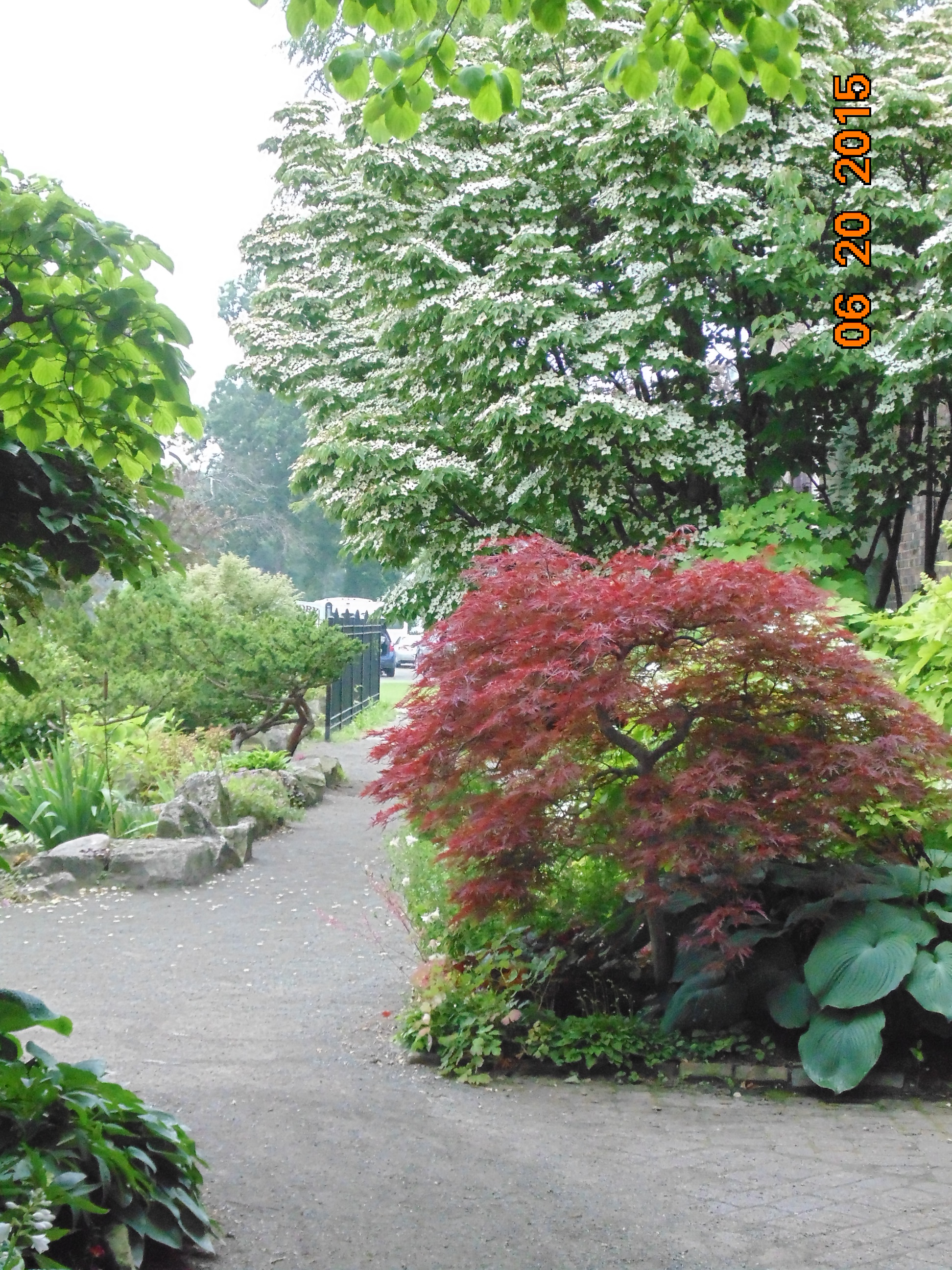
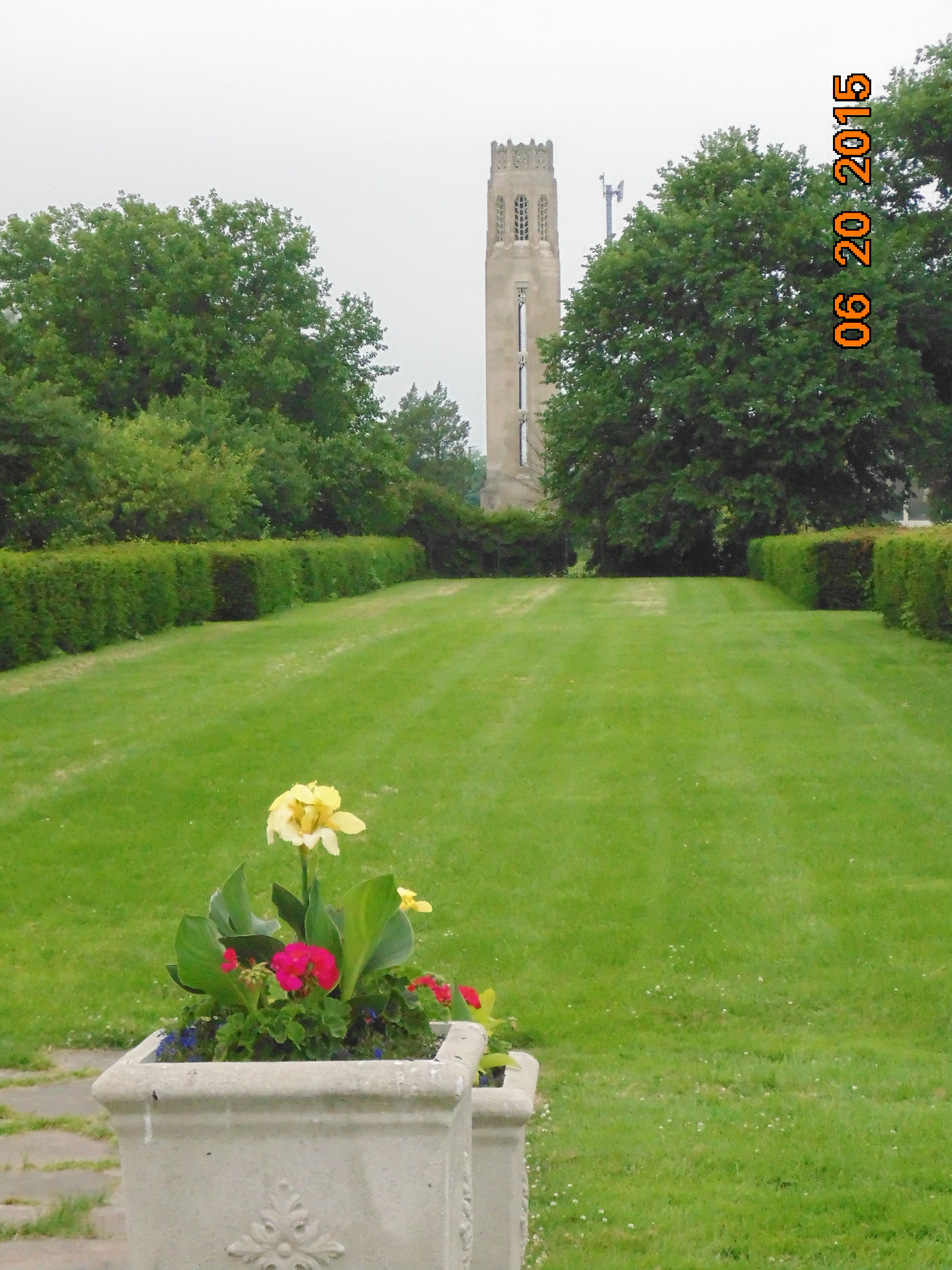
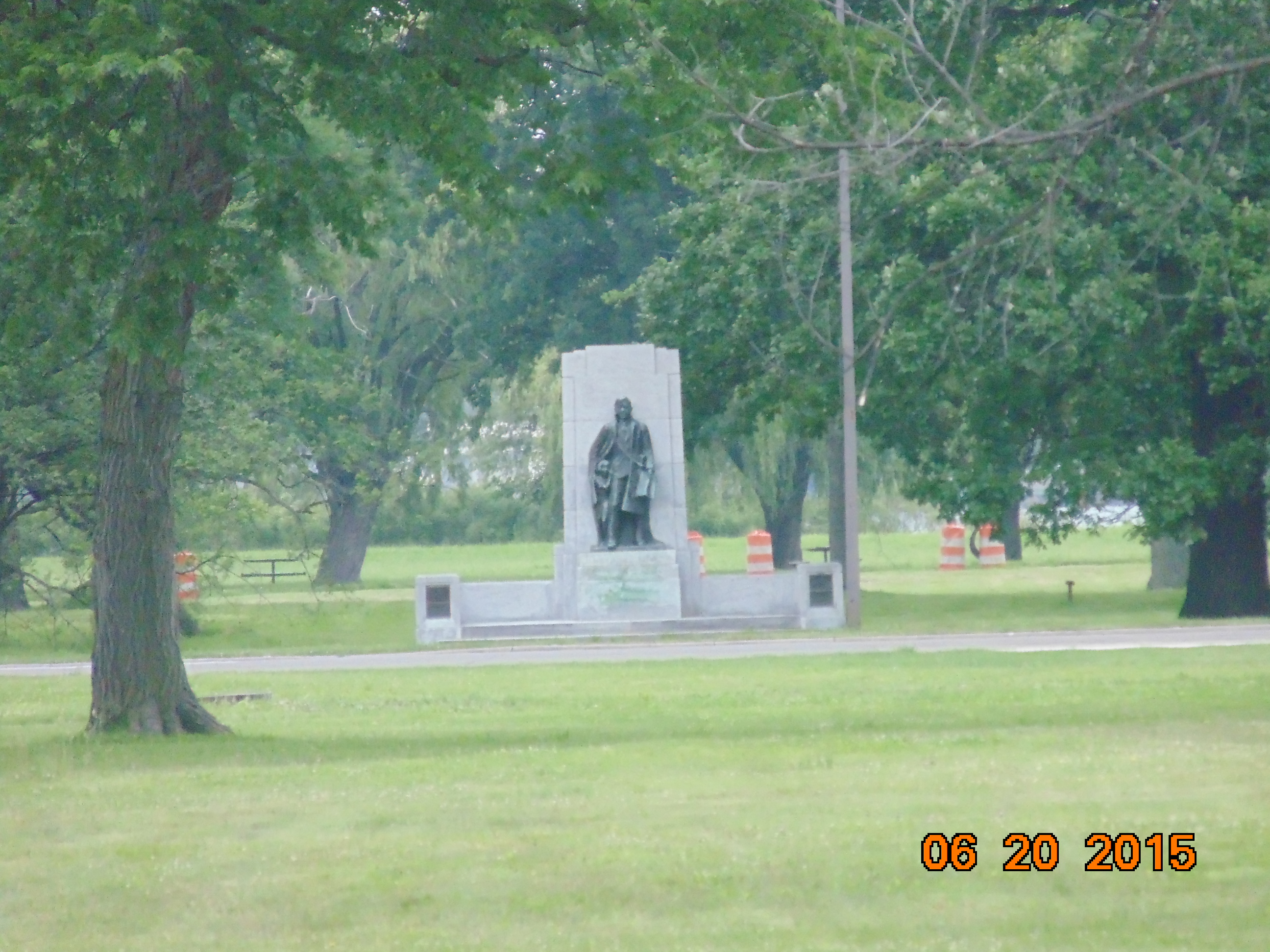
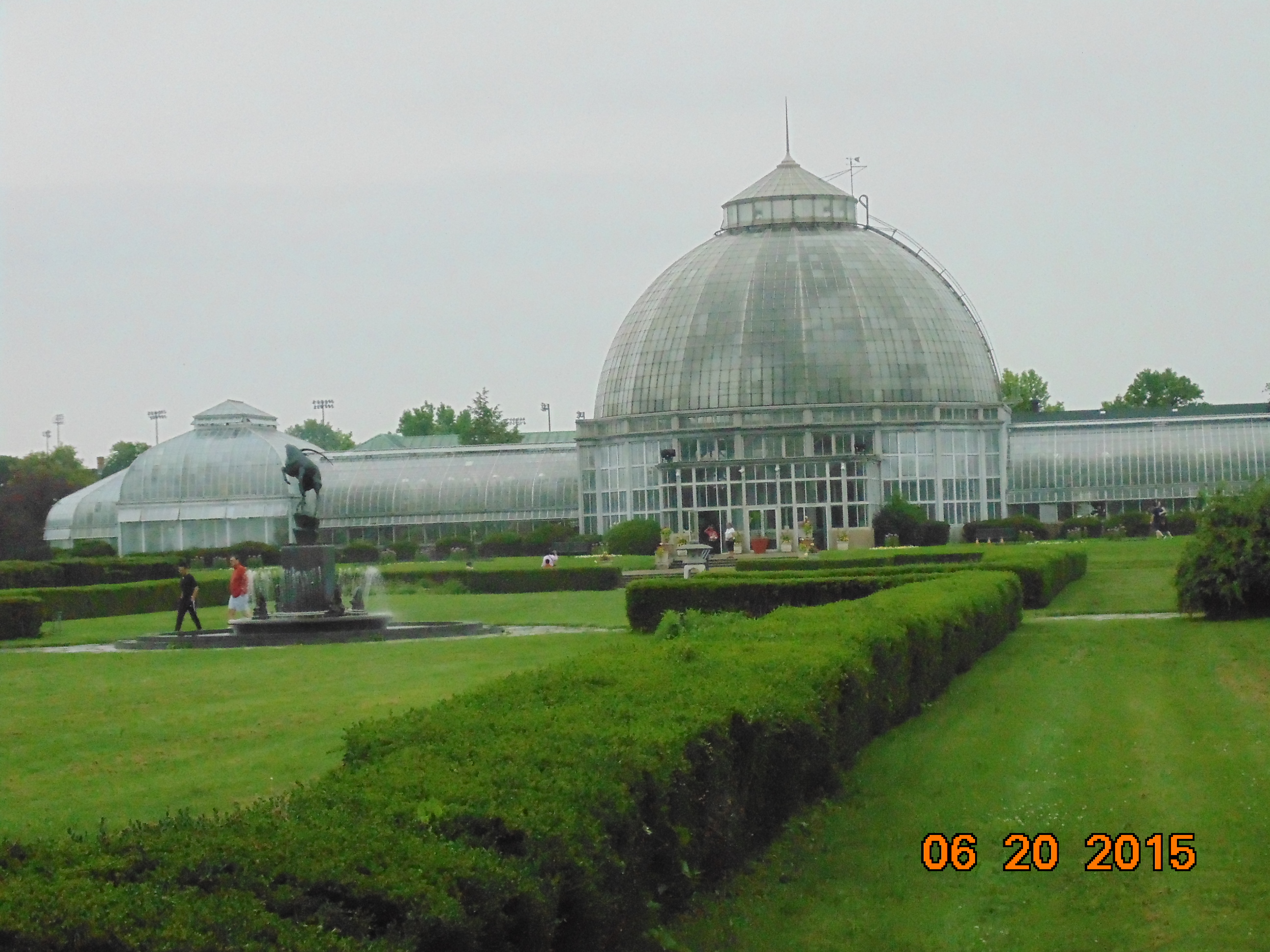
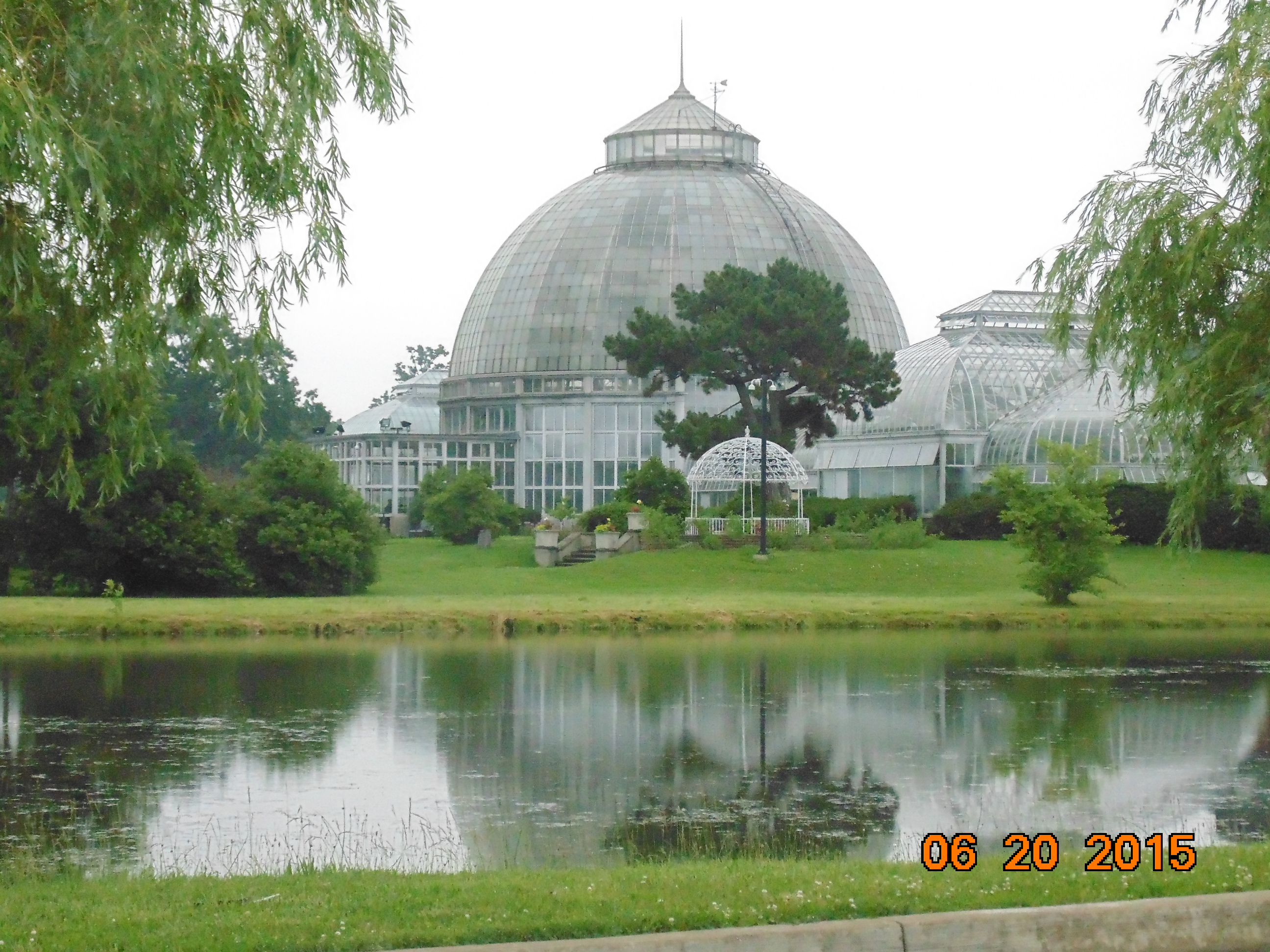
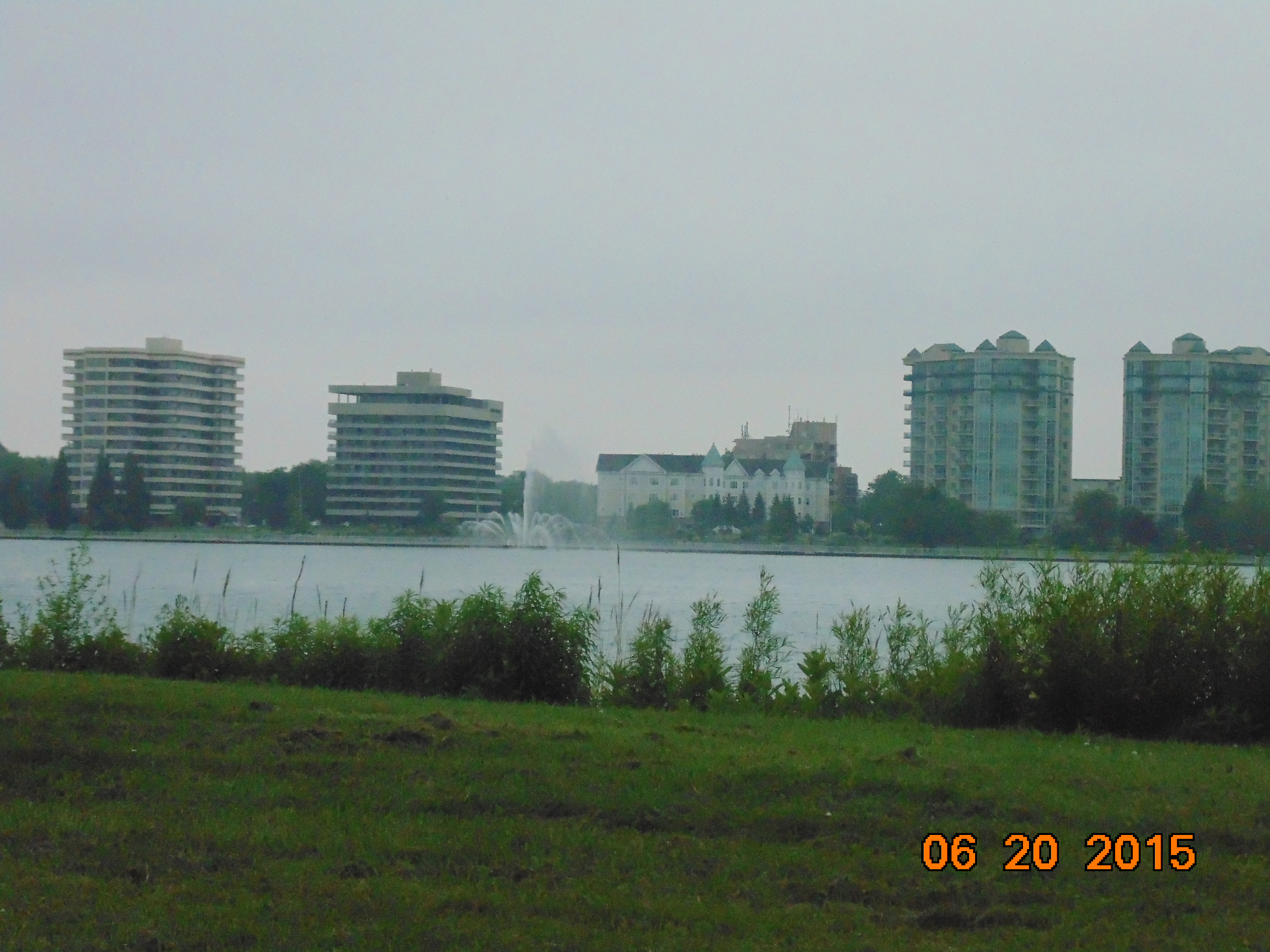
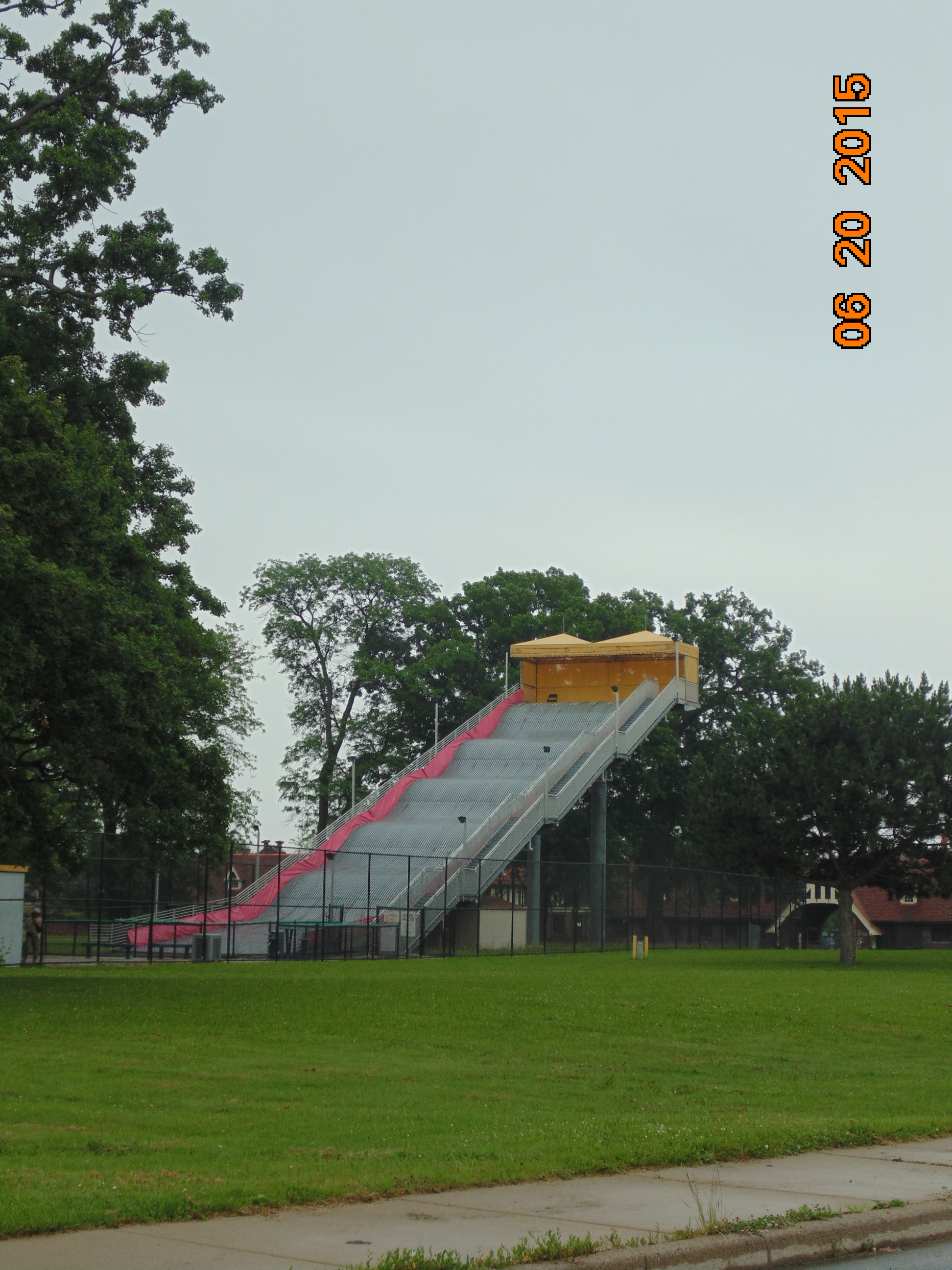
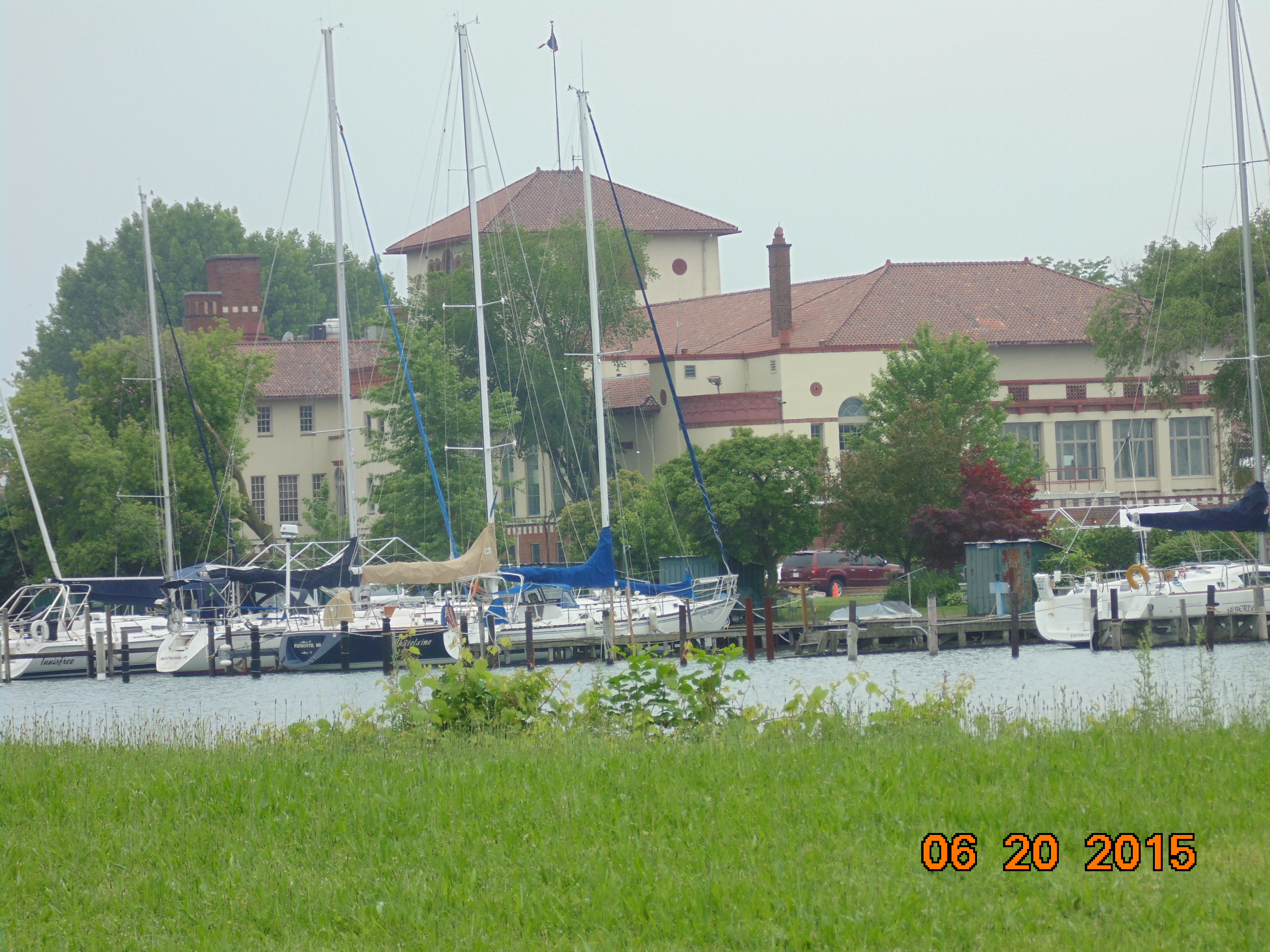
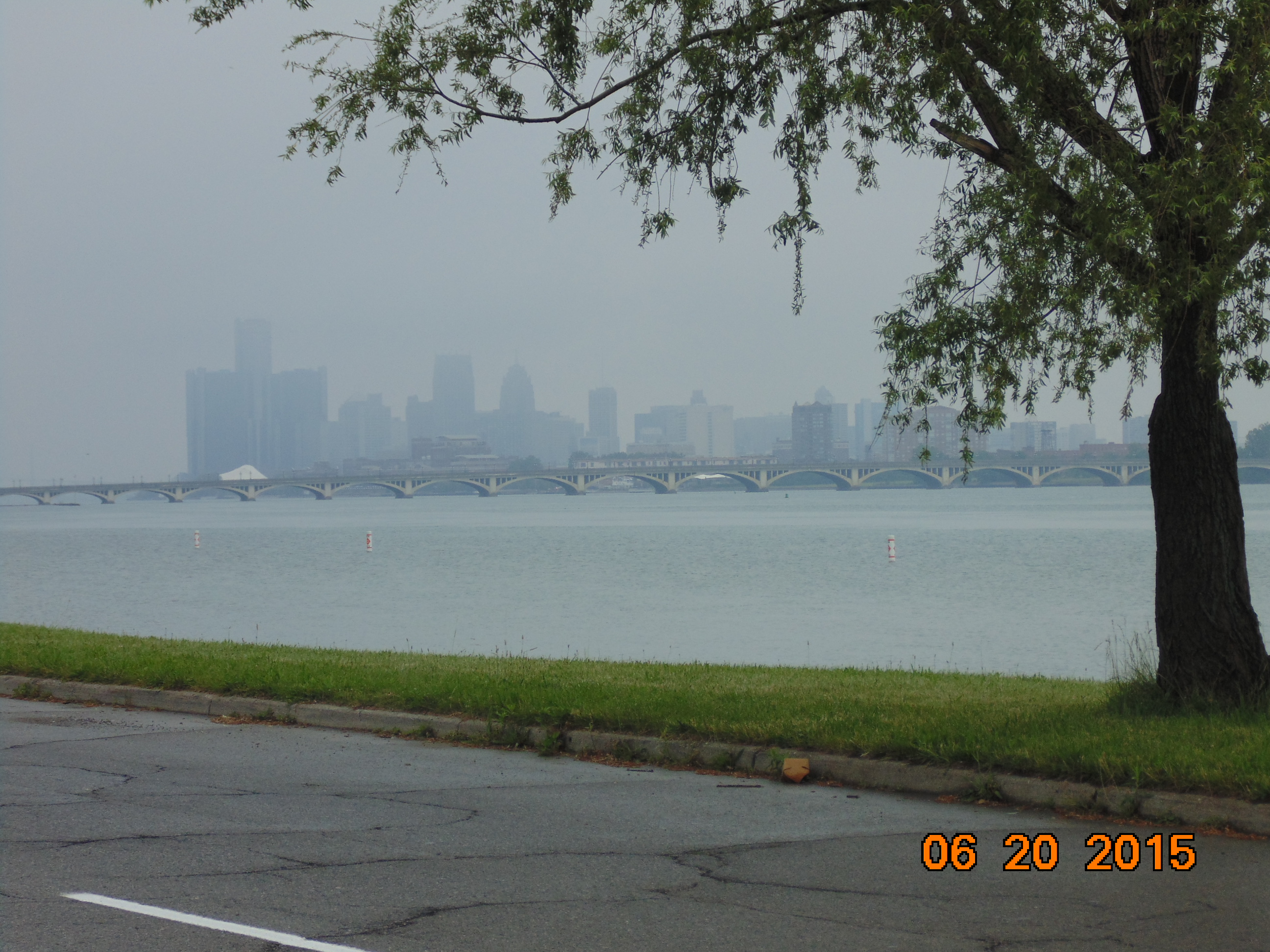
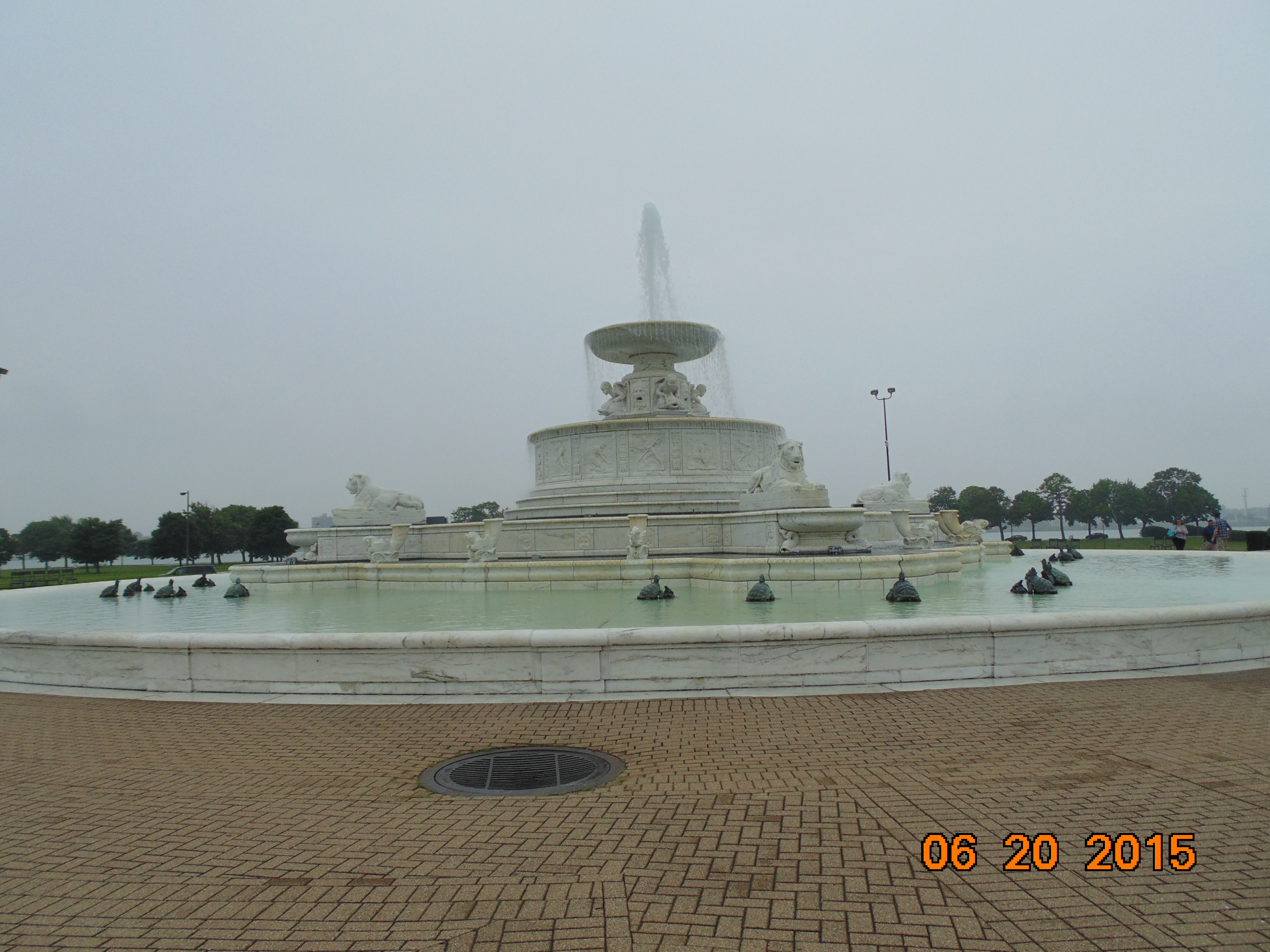
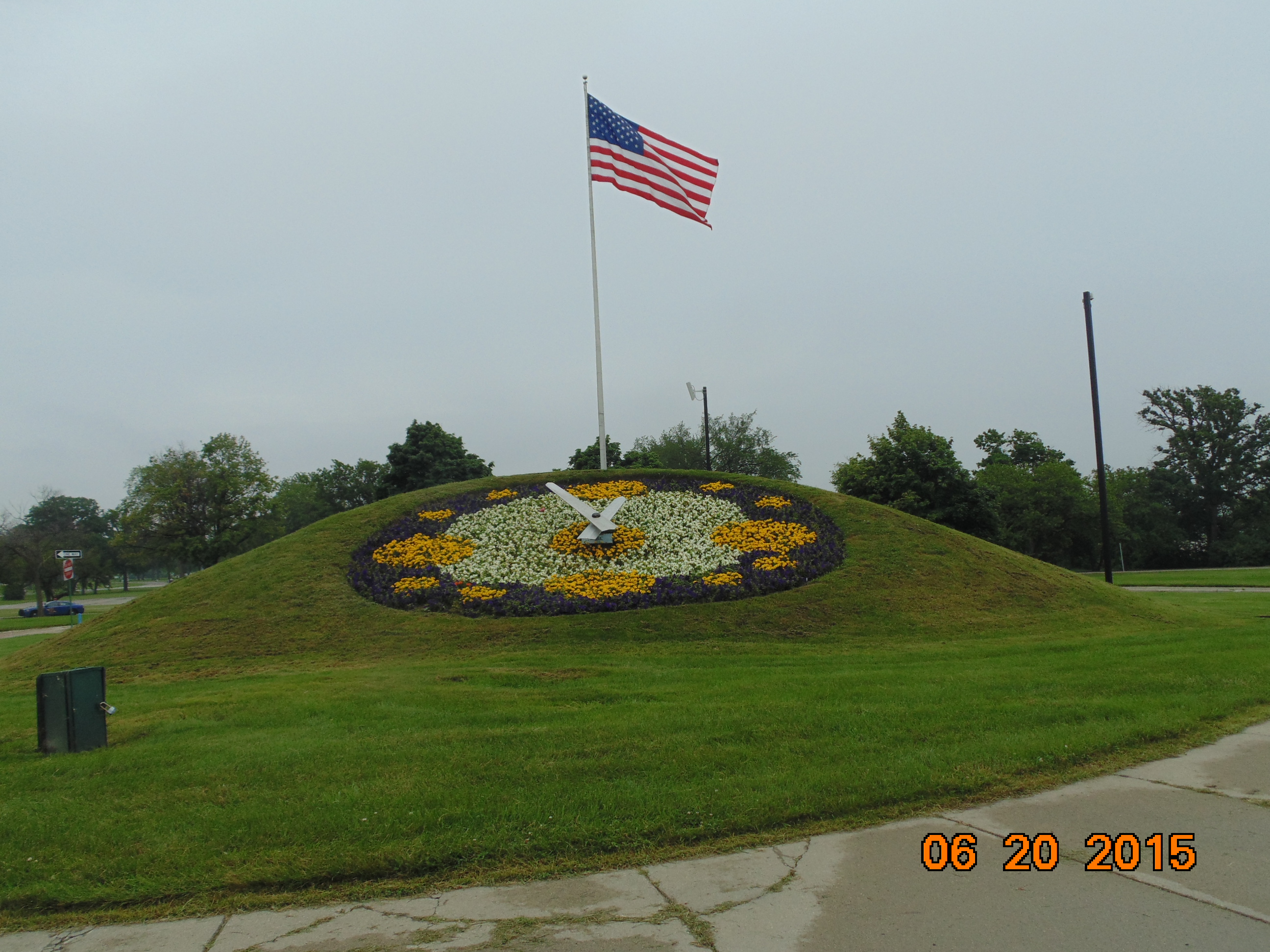
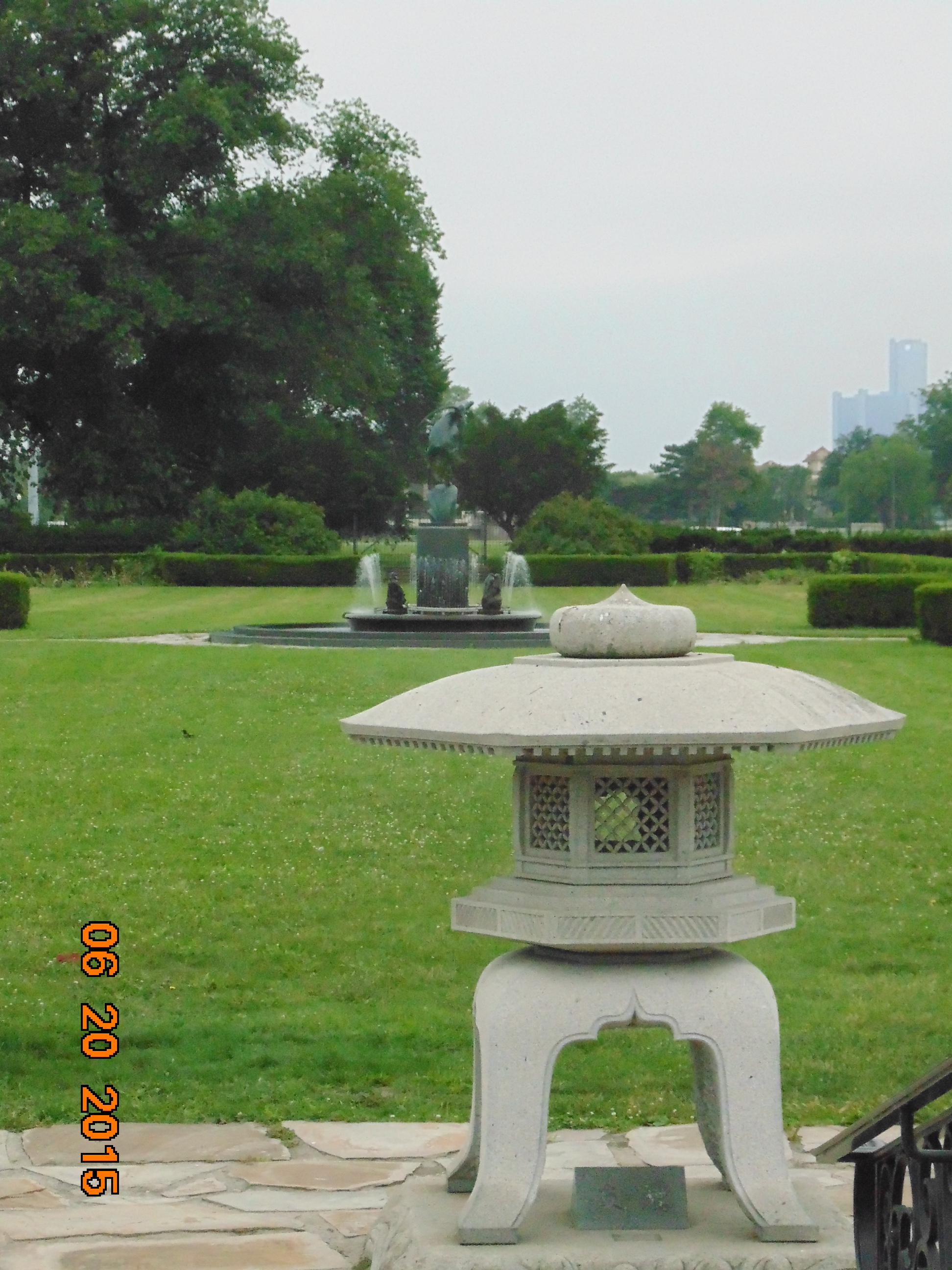
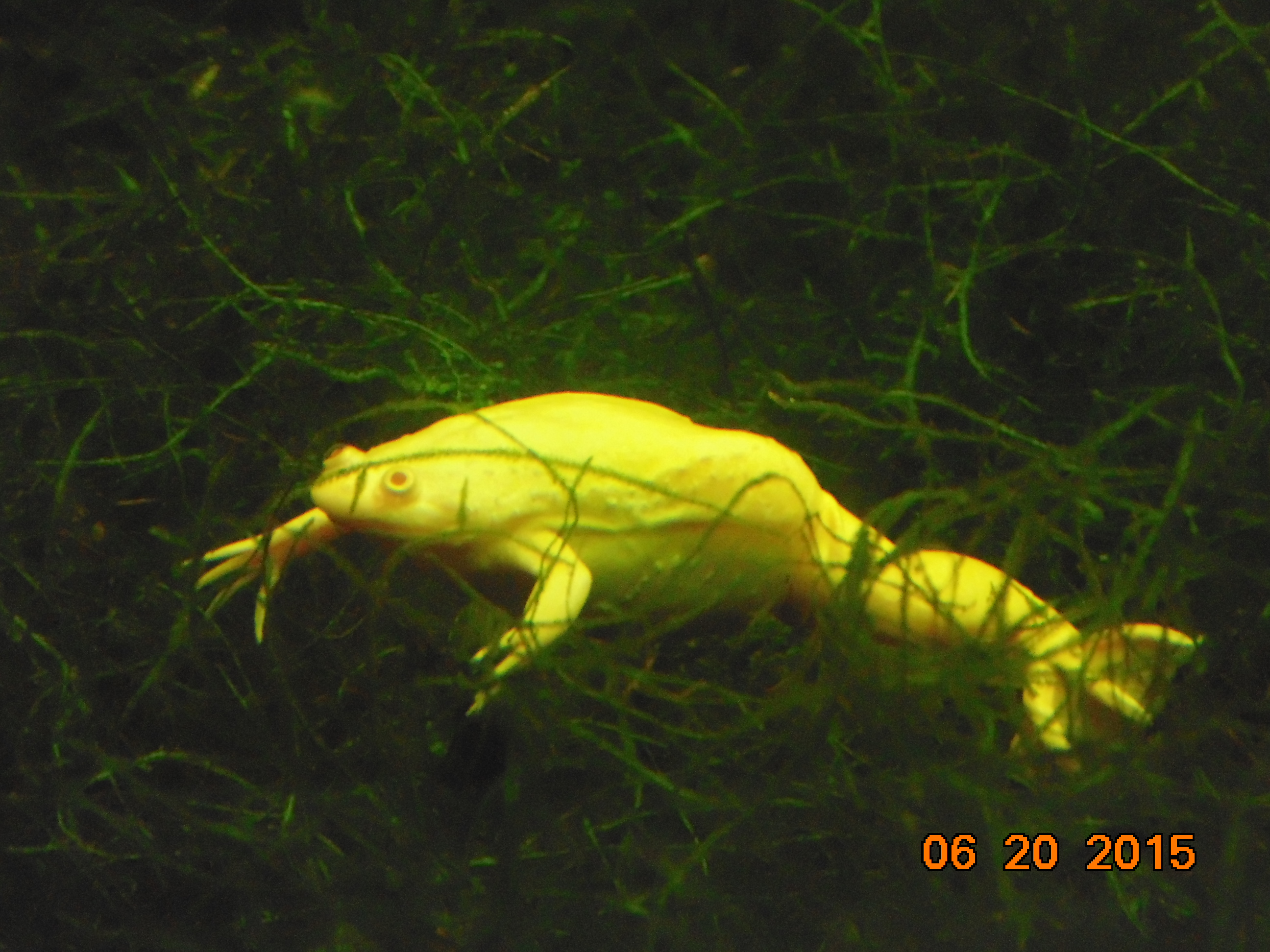
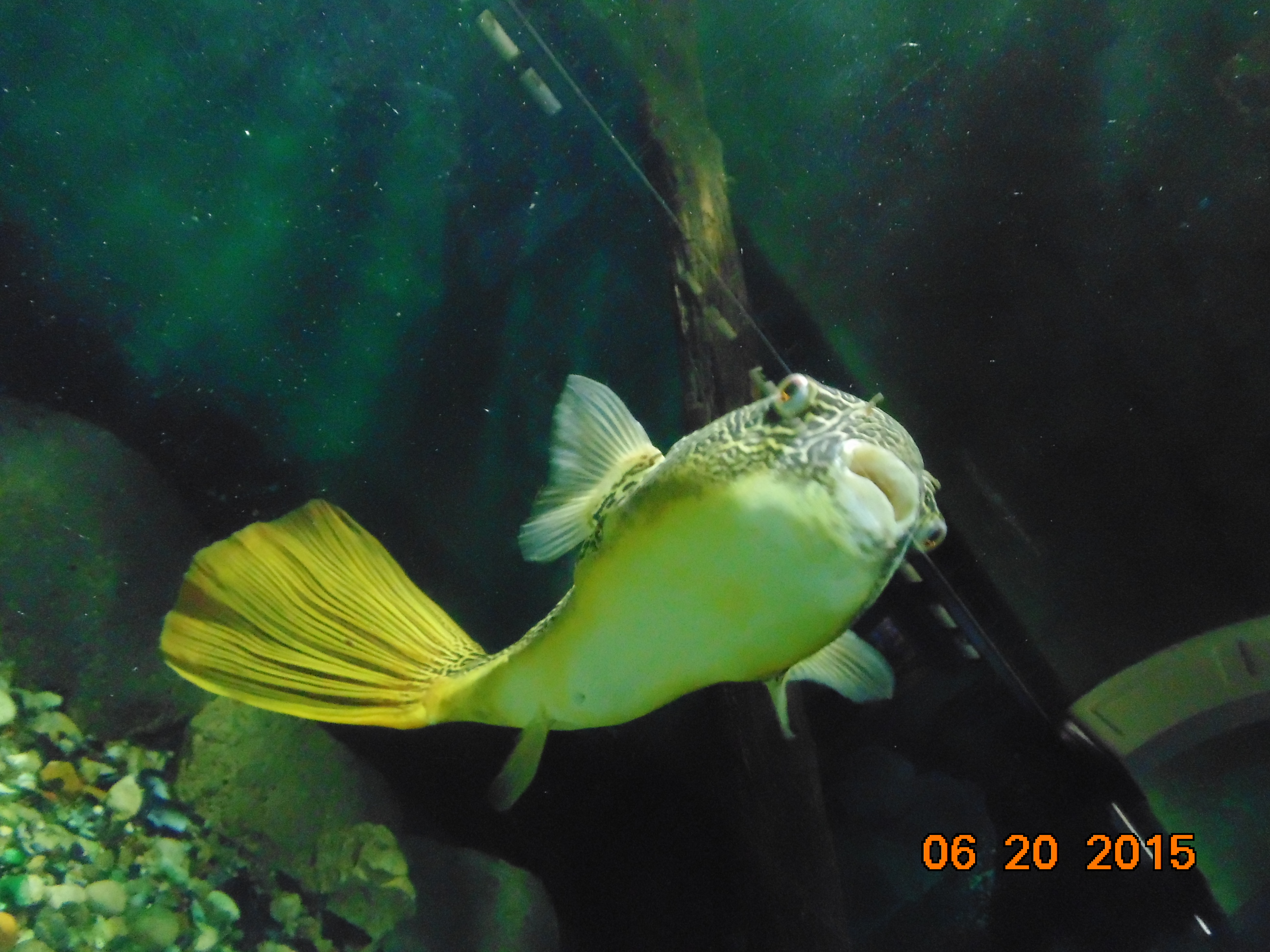
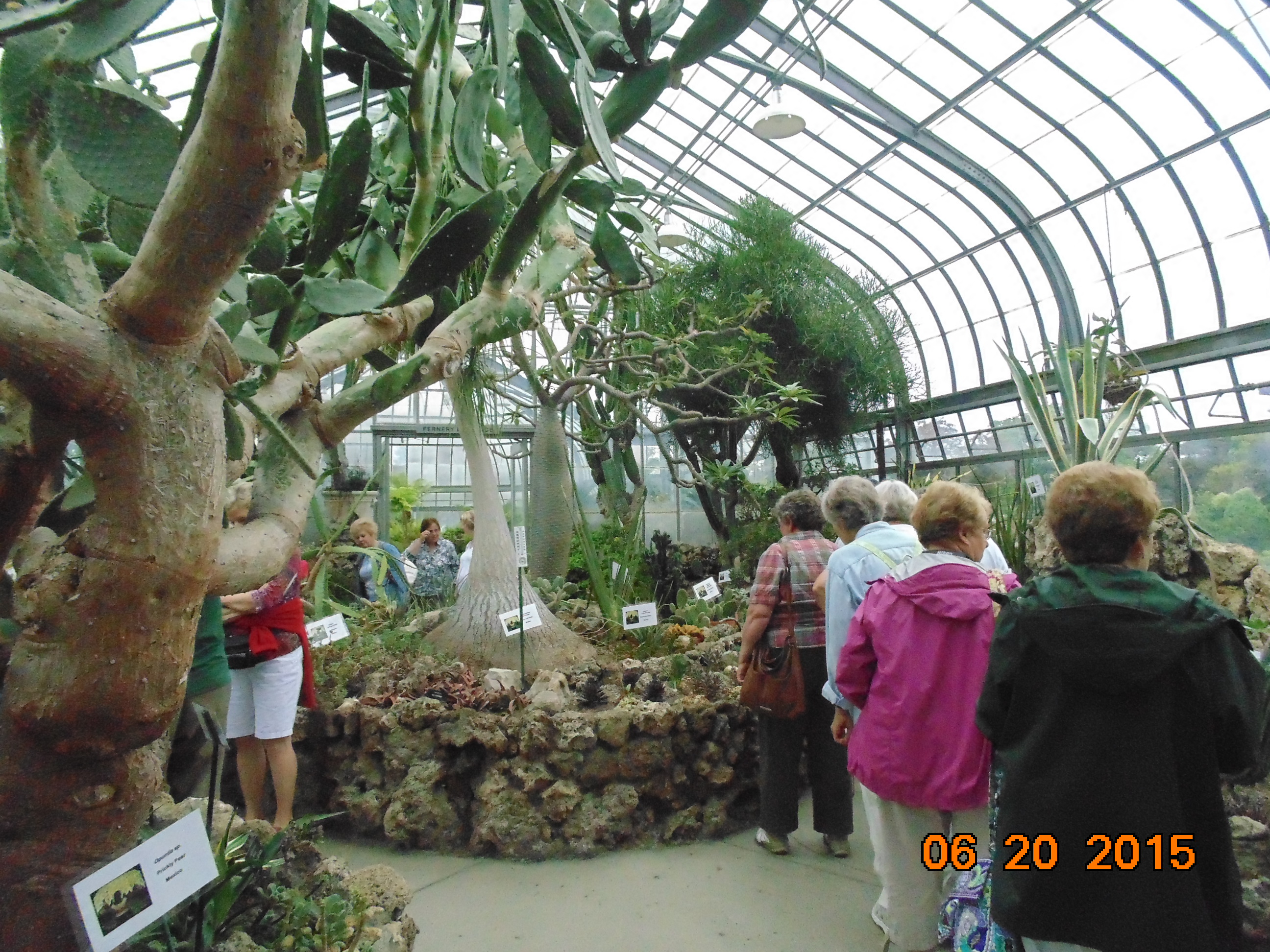
Gail sent me some photos to post. As you can see there are many interesting things to see on Belle Isle…happy viewing




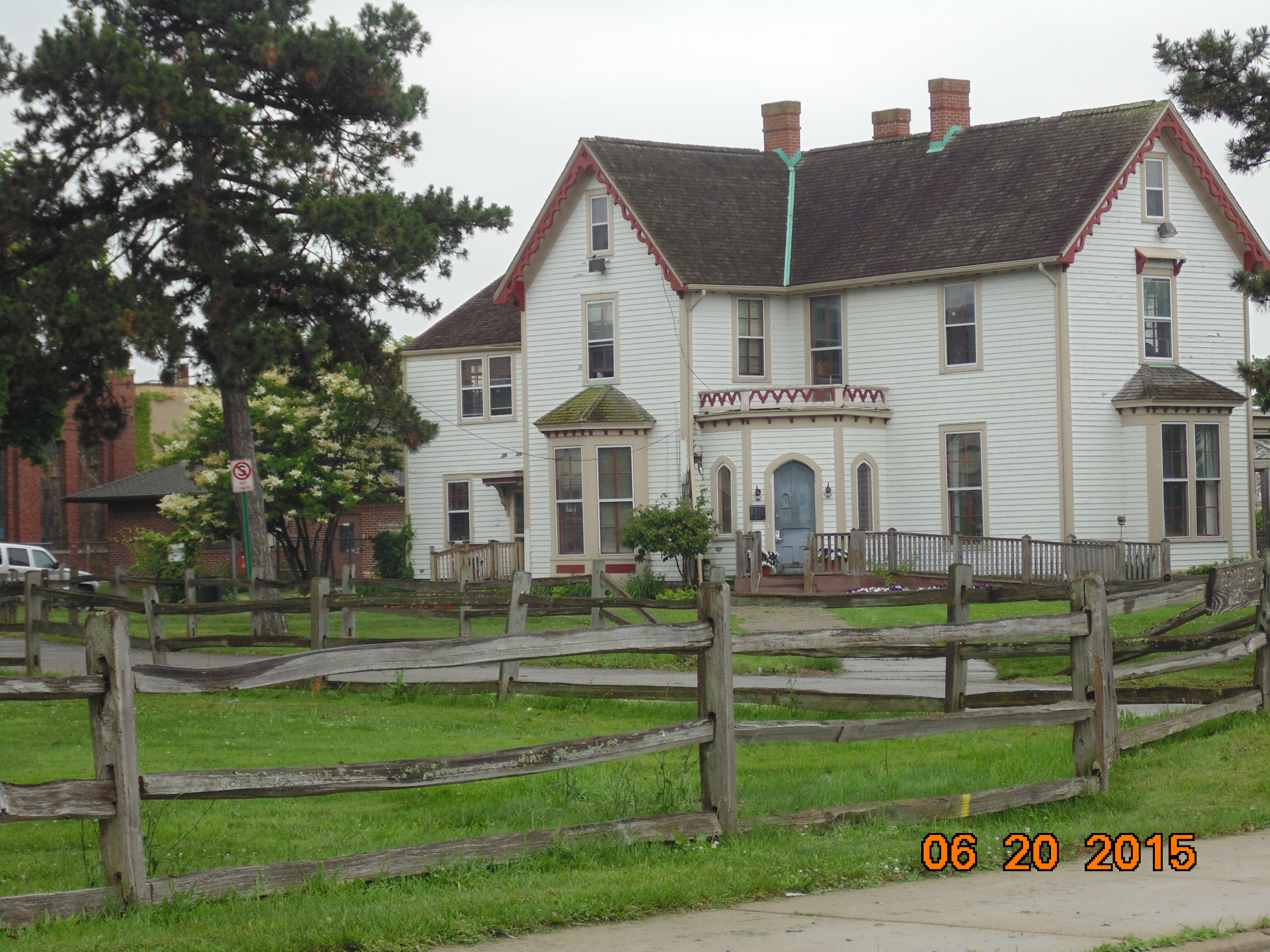
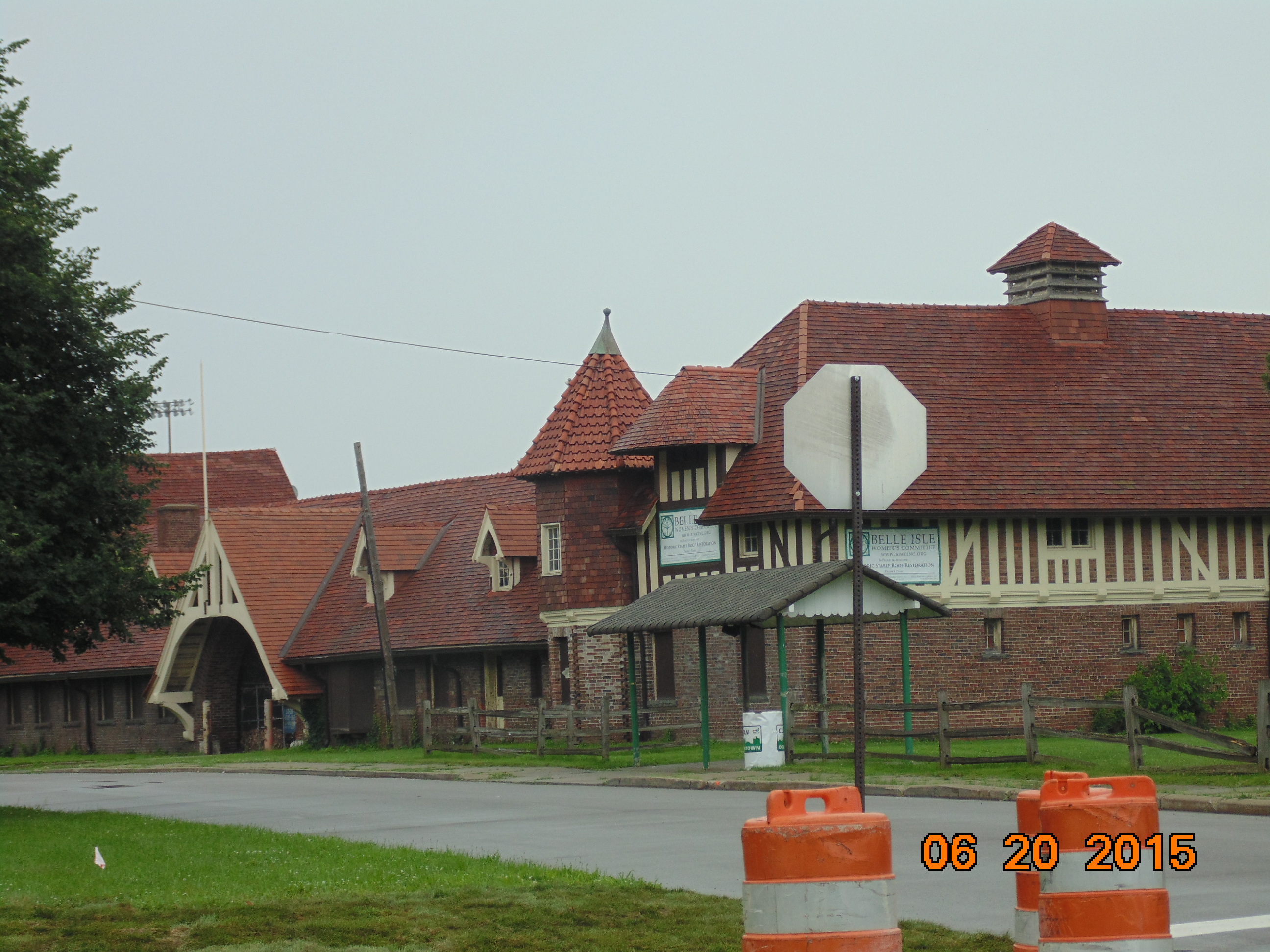

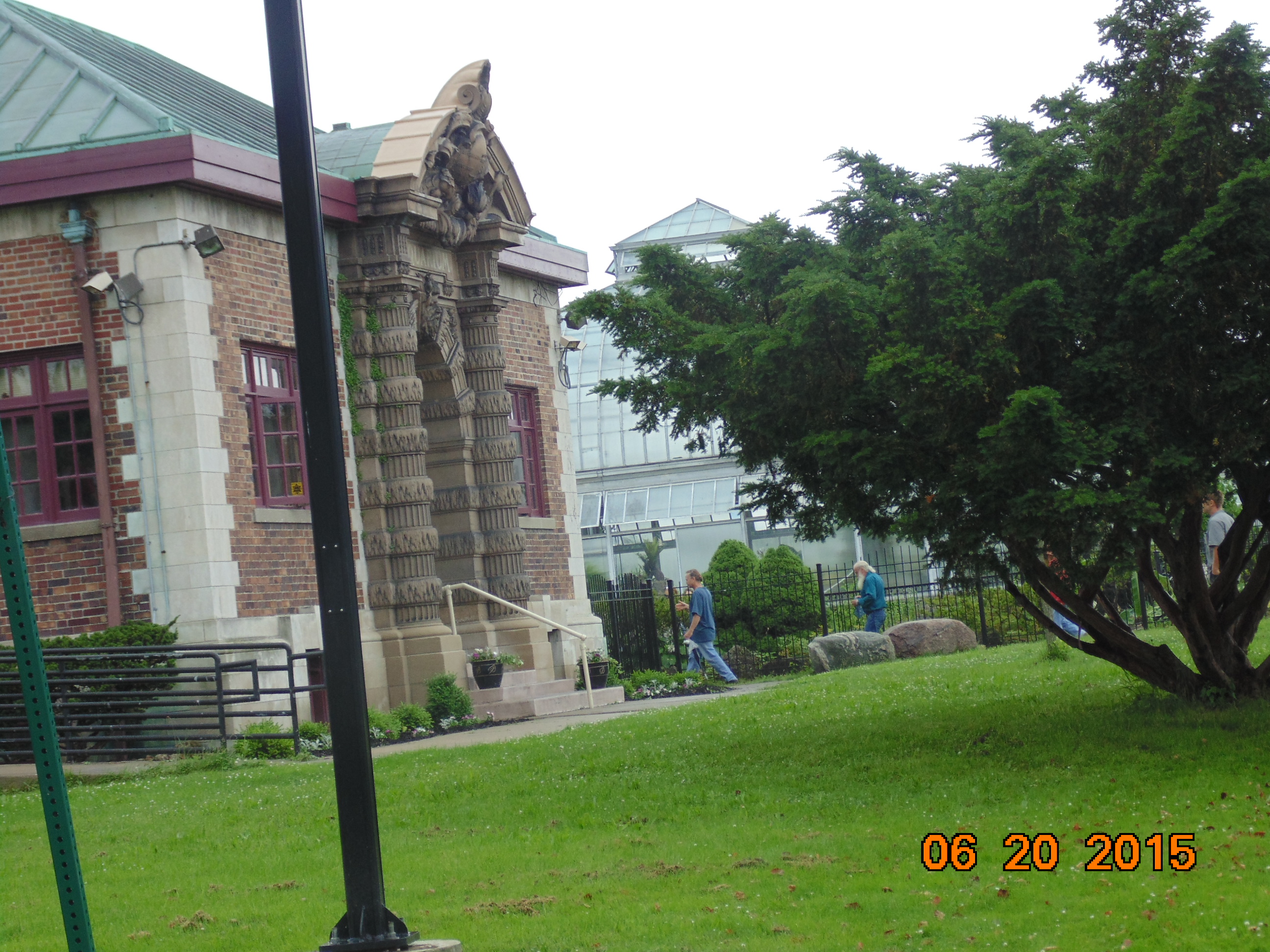
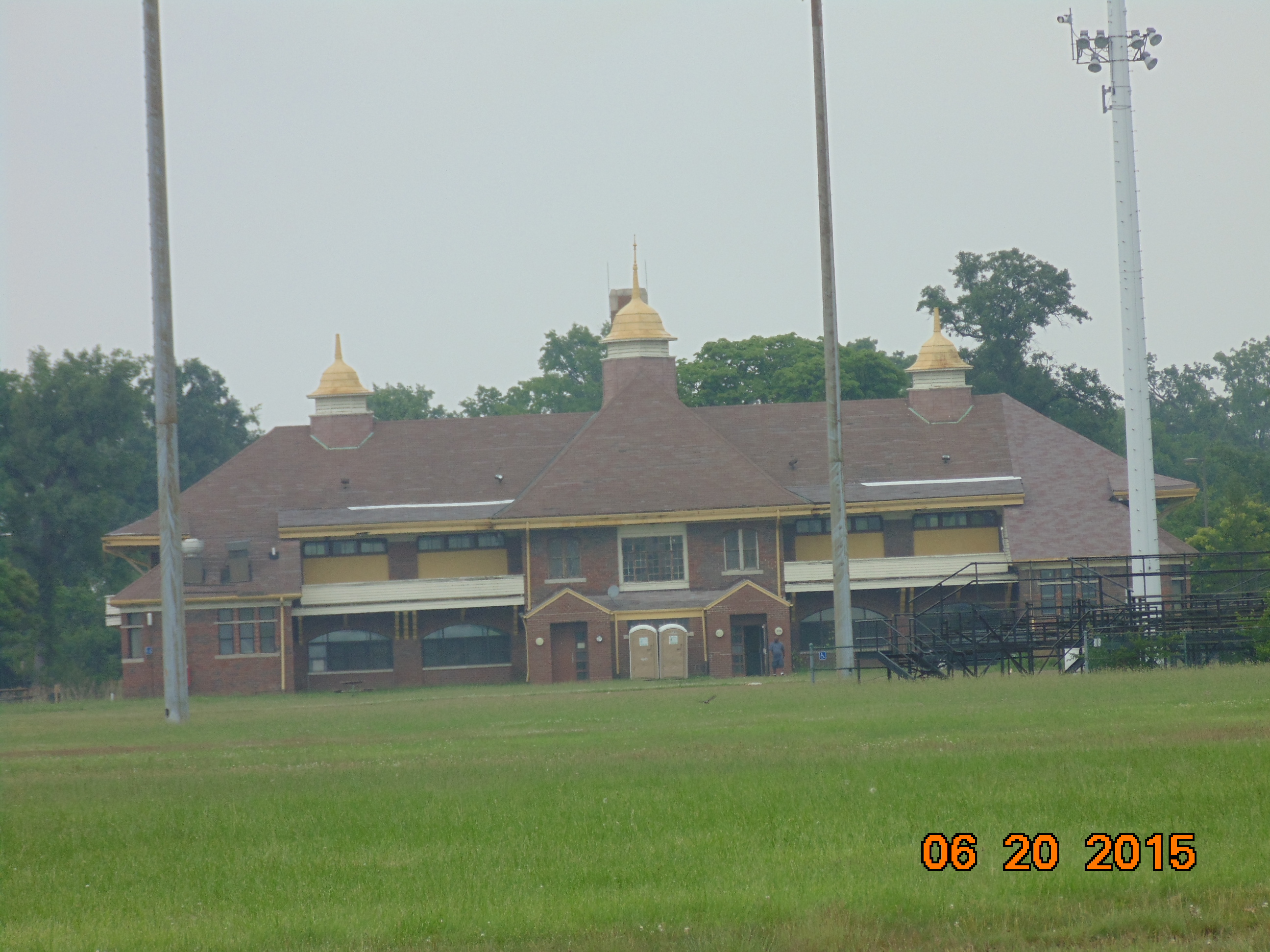




Michigan State Garden Tour
Posted in Uncategorized on July 20, 2015| Leave a Comment »
Our MCMGA had a tour to see the MSU Gardens. Gail was so kind to send photos for those that could not make it:

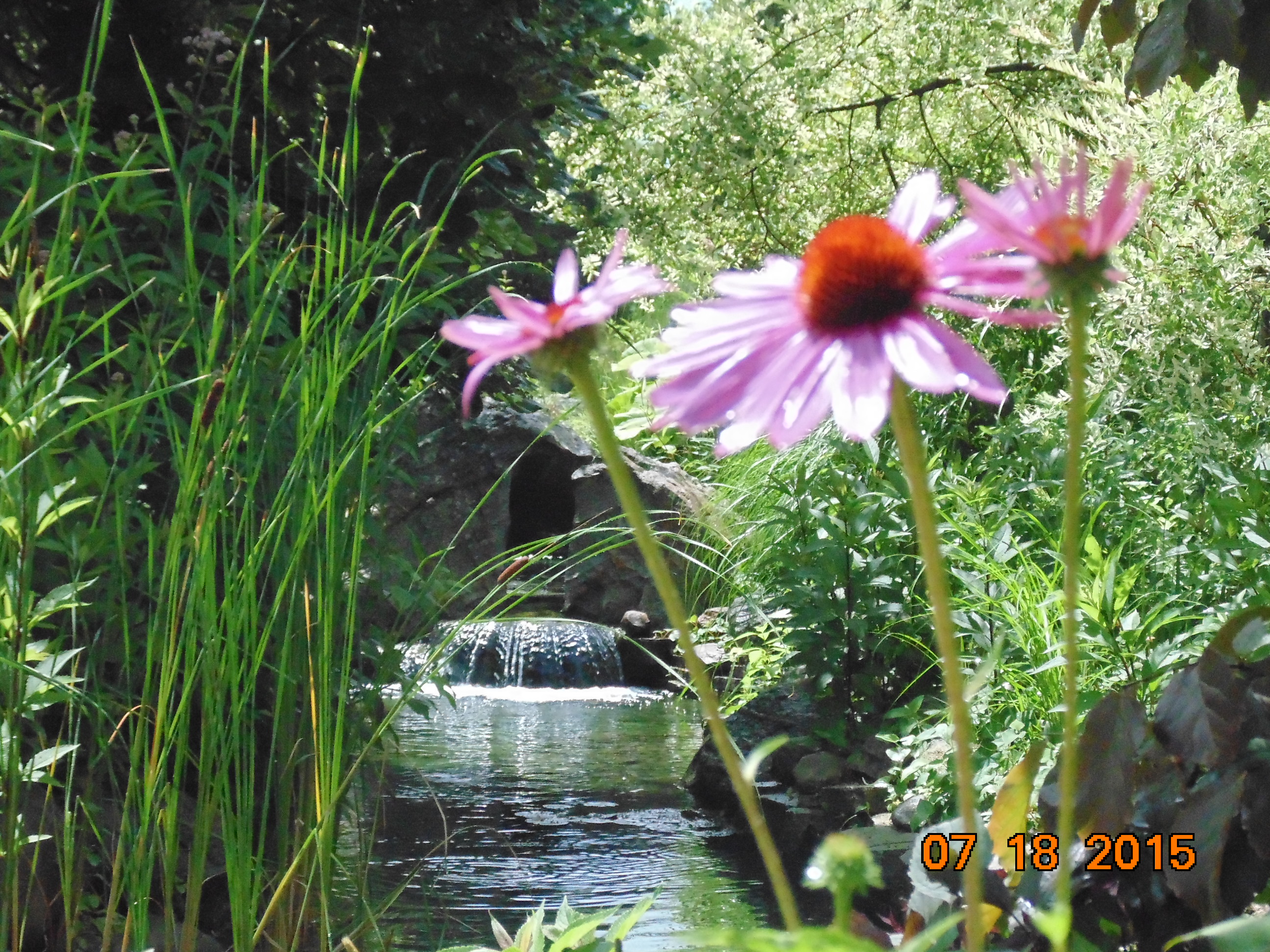

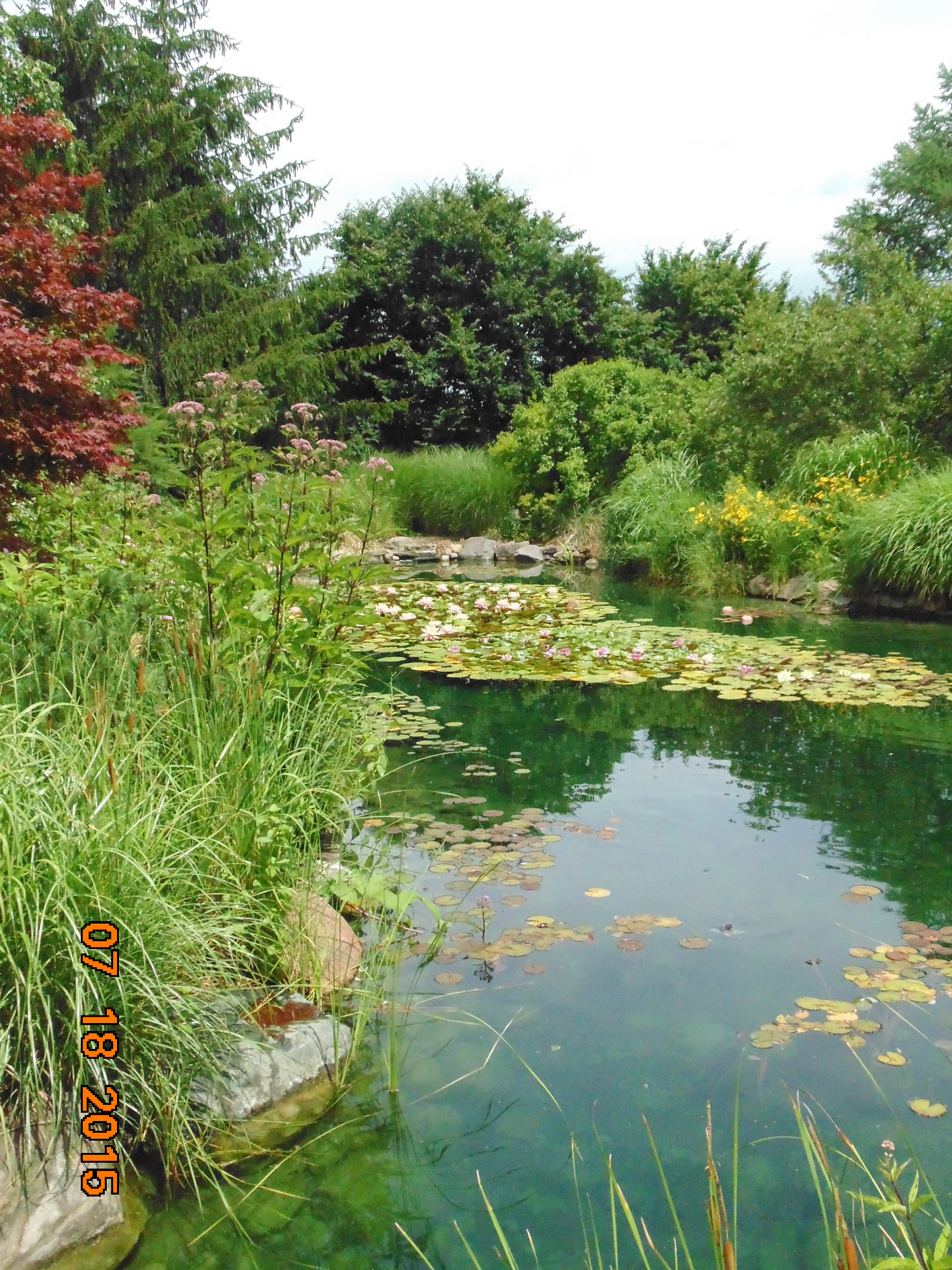

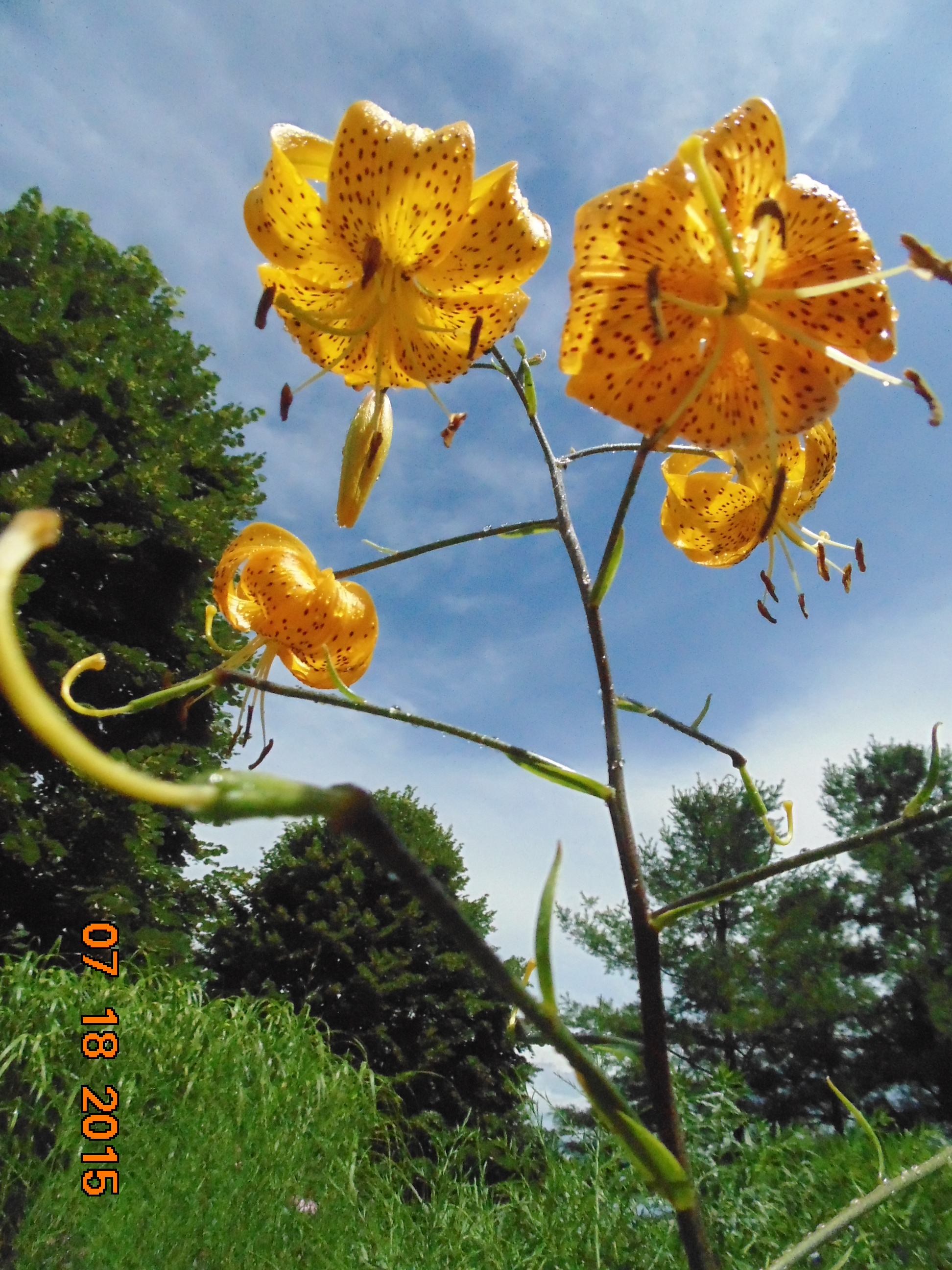
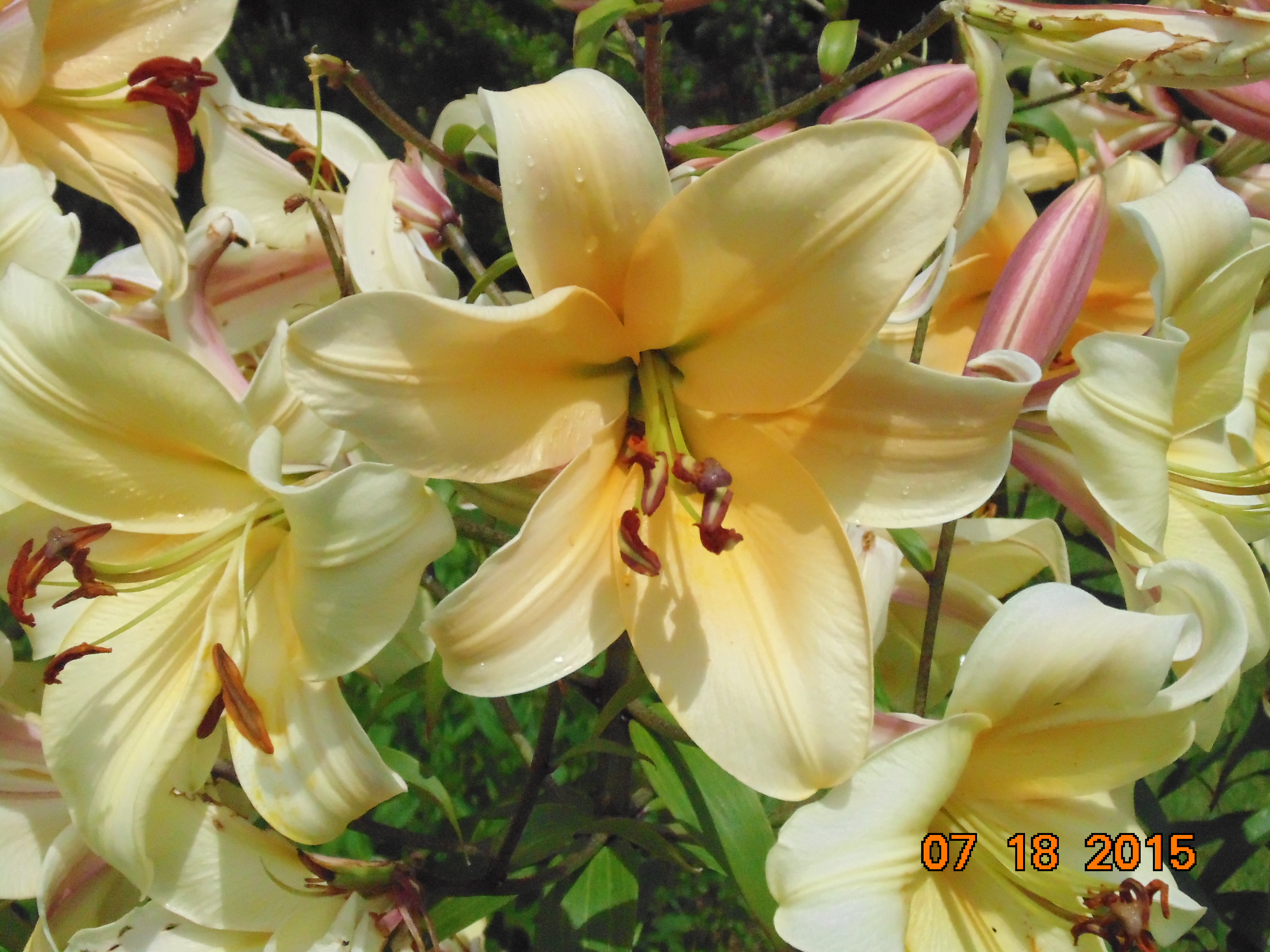

Photos from the Belle Isle field trip
Posted in Uncategorized on June 23, 2015| 2 Comments »
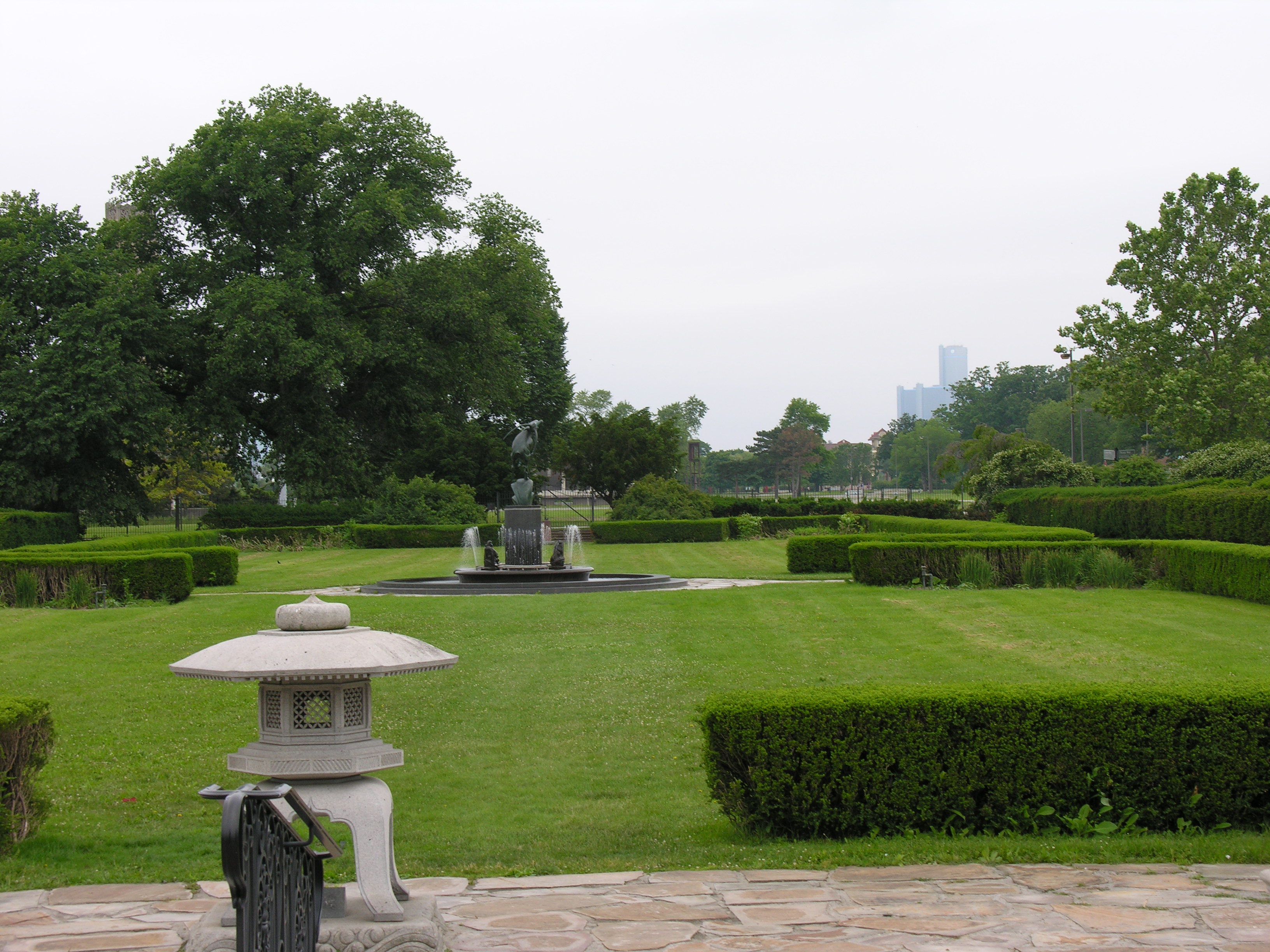
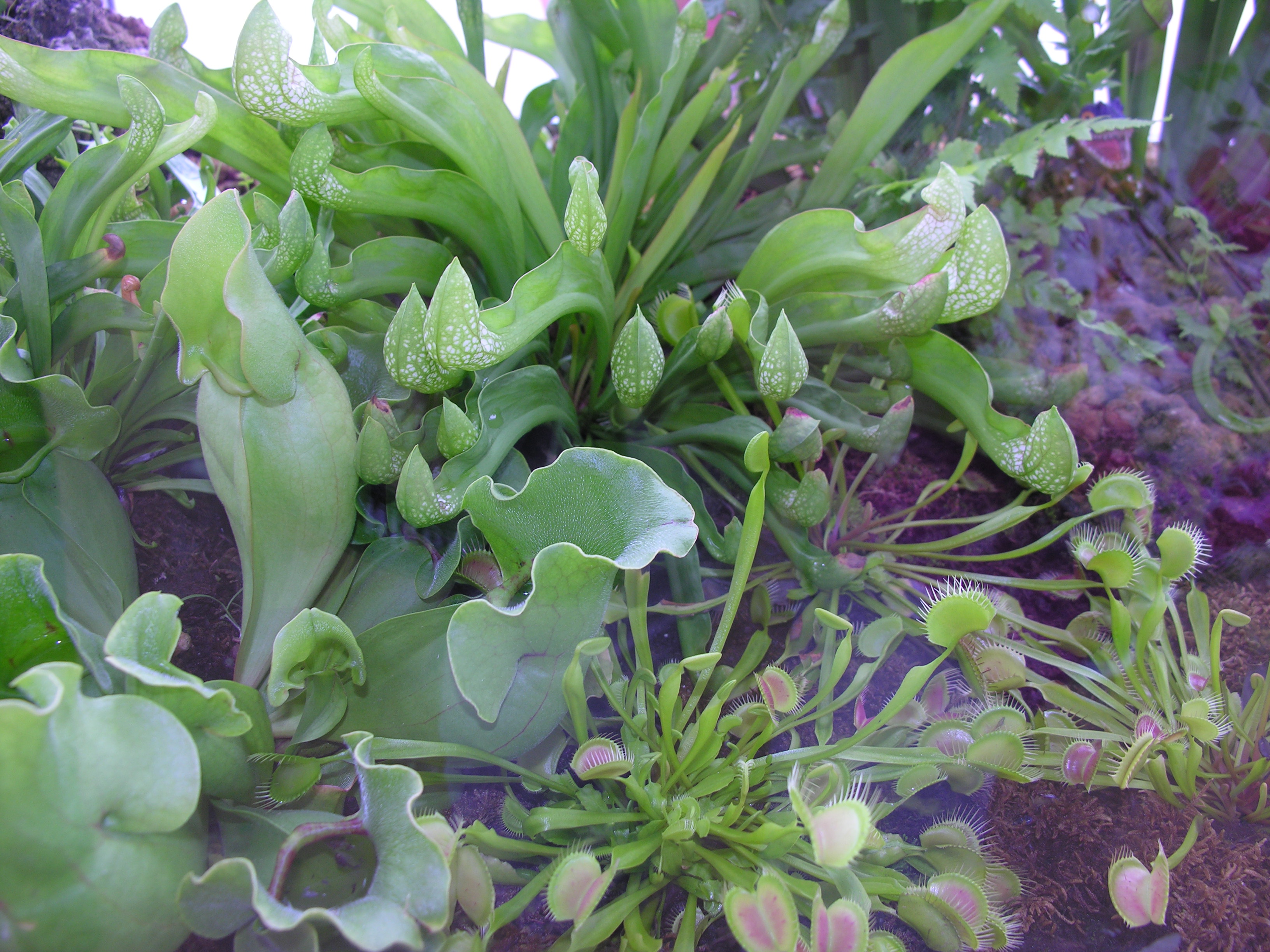
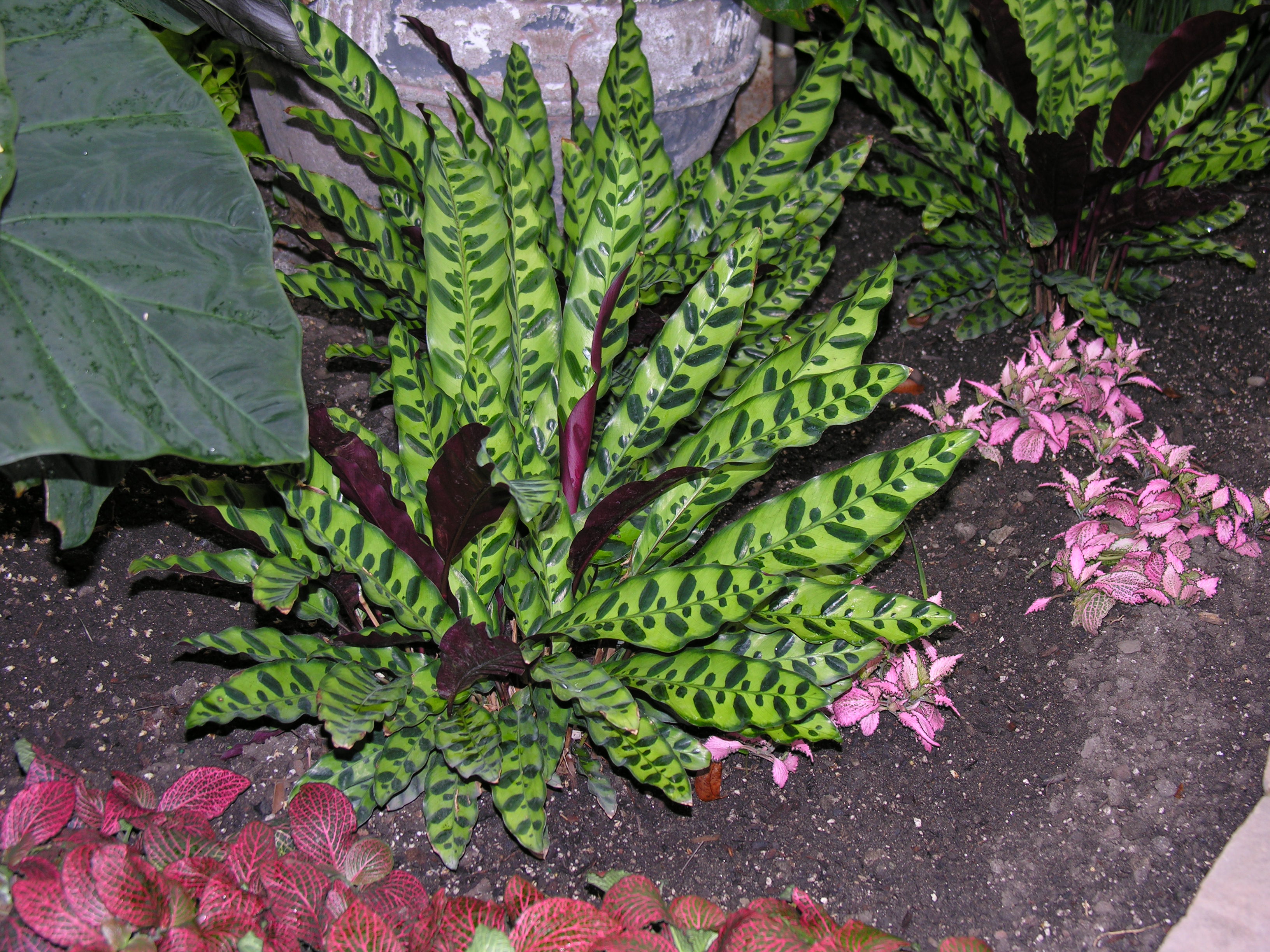
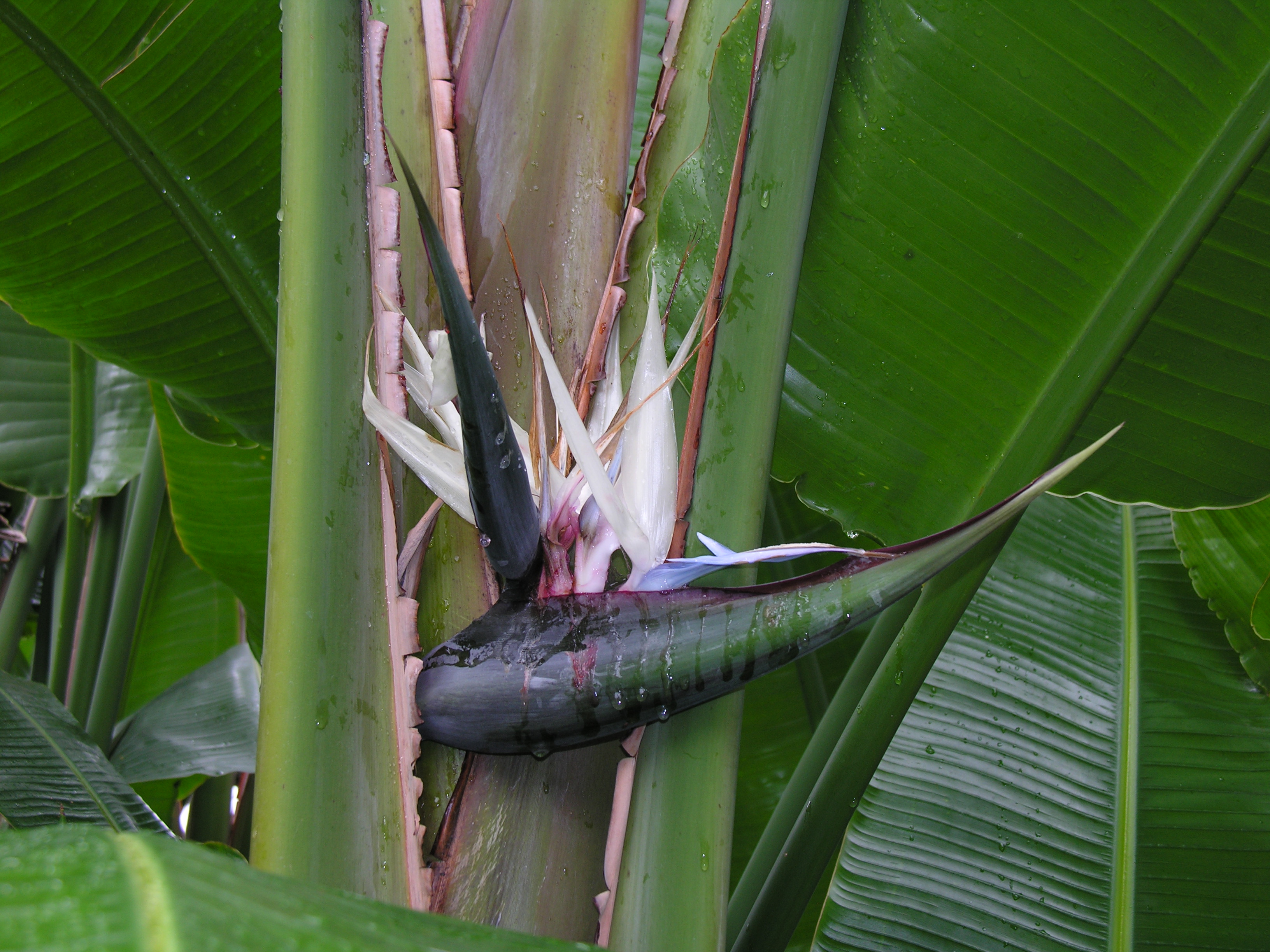
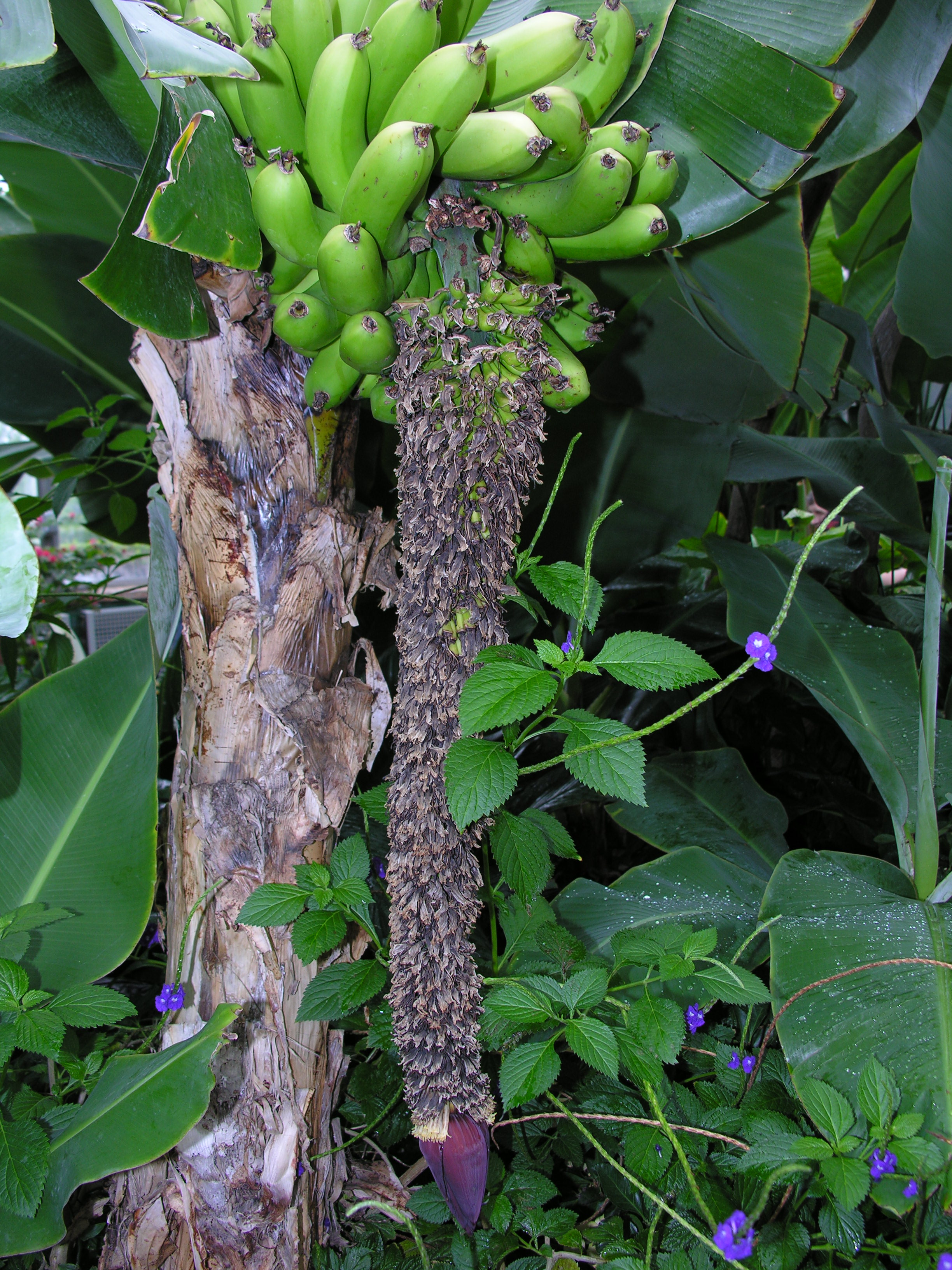
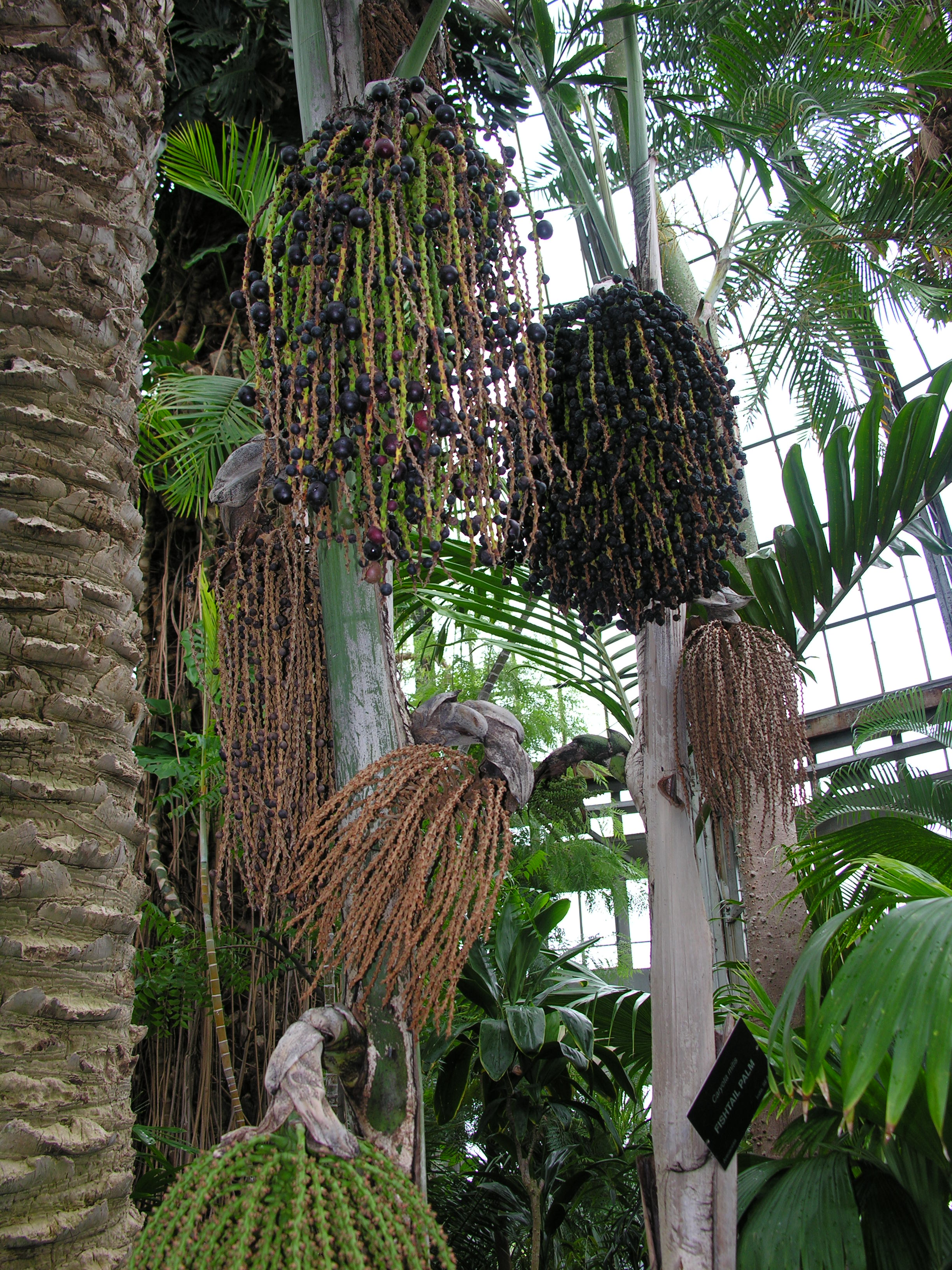
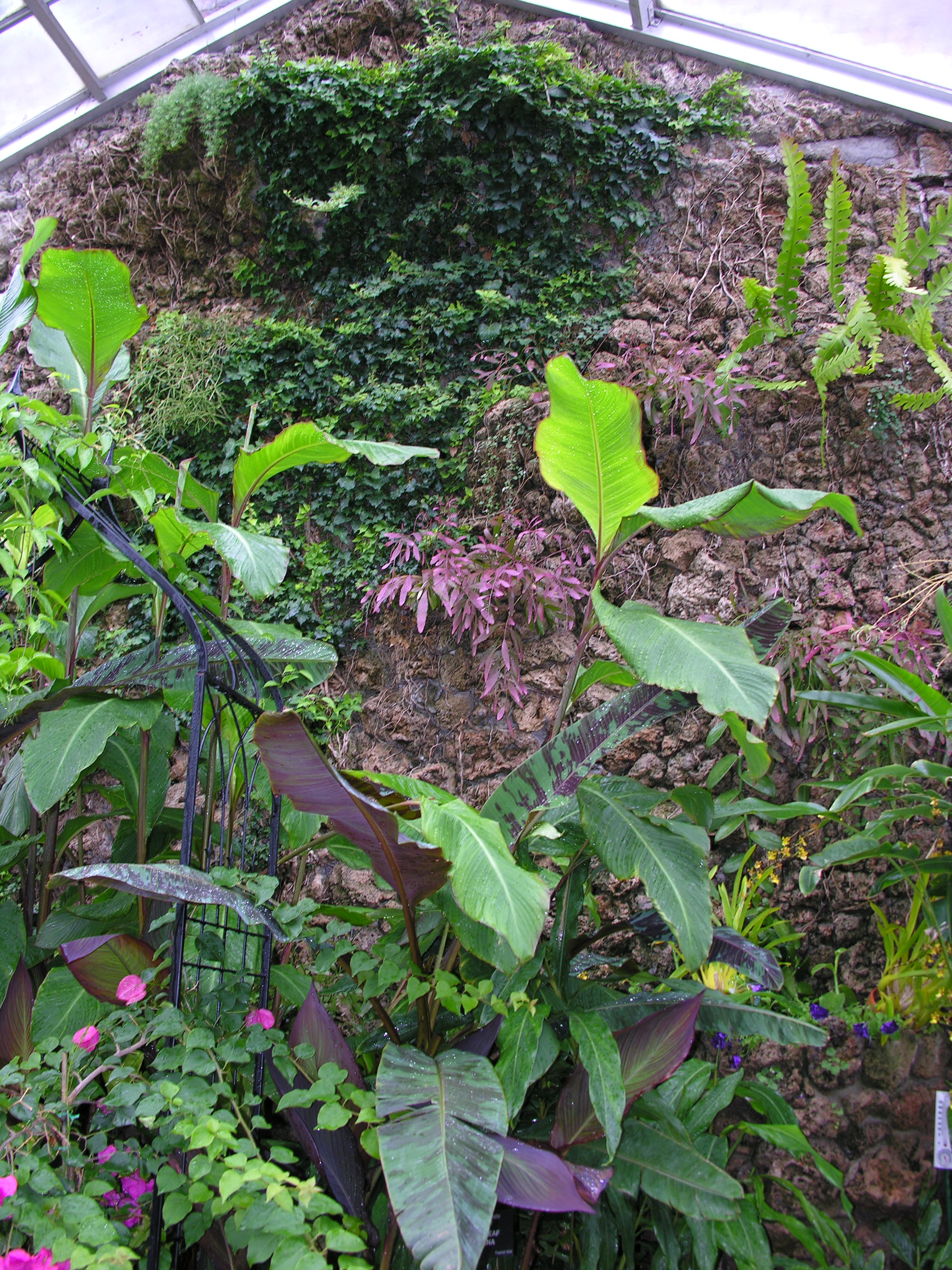
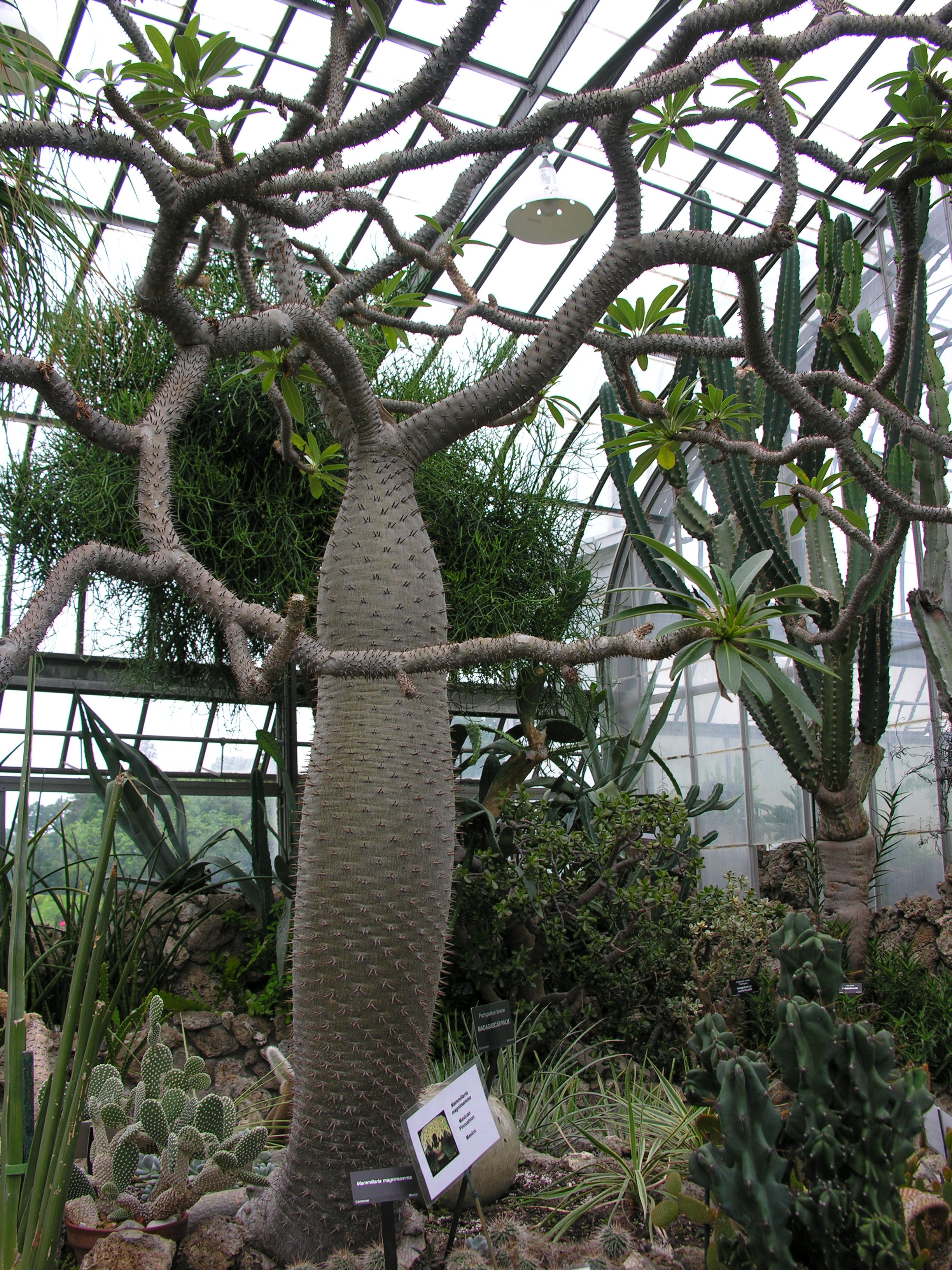
Sandy O’Connell was so nice to submit these photo of the Belle Isle trip that the MCMGA took on Saturday. Enjoy





Interesting Article on Key to Honeybee Loss
Posted in Uncategorized on June 11, 2015| 1 Comment »
MMGA posted this on their Facebook page, thought it was good to share:
http://www.freep.com/story/news/local/michigan/2015/06/03/honey-bee-mite-smell/28448139/
Belle Isle
Posted in Uncategorized on June 9, 2015| Leave a Comment »
Naida sent me some information she received in a newletter on Belle Isle, thought it should be shared:
Some of Belle Isle’s most popular attractions are expanding hours for the summer. Soon, visitors can enjoy extended hours at the Belle Isle Aquarium and Dossin Great Lakes Museum. In addition, the Scott Memorial Fountain and the giant slide will be in operation again this summer. Summer hours include:
Belle Isle Aquarium – Friday, 10 a.m. to 4 p.m.; Saturday and Sunday, 10 a.m. to 4 p.m. (beginning June 5)
Dossin Great Lakes Museum – Friday through Sunday, 11 a.m. to 4 p.m. (beginning June 5)
James Scott Memorial Fountain – 10 a.m. to 9 p.m. daily (June 11 through Labor Day)
Anna Scripps Whitcomb Conservatory – 10 a.m. to 5 p.m., Wednesday through Sunday (year-round)
Belle Isle Nature Zoo – 10 a.m. to 5 p.m., Wednesday through Sunday (year-round)
Driving Range – 9 a.m. to dusk daily
Giant slide – Noon to 8:30 p.m., Wednesday through Sunday (June 11 through Labor Day)
Swim beach – 5 a.m. to 9 p.m. daily
The Belle Isle Aquarium, one of the most popular island attractions, has seen recent enhancements, including skylight restoration (to be completed this summer), a newly designed, gar-inspired weathervane to adorn the roof of the aquarium, and new exhibits including stingrays, electric eels, clownfish and seahorses. Exhibits at the adjacent Anna Scripps Whitcomb Conservatory also have been upgraded and enhanced due to efforts by the Belle Isle Conservancy and the Department of Natural Resources. Closed in 2005, the Belle Isle Aquarium reopened in 2012 through the Belle Isle Conservancy and a crew of dedicated volunteers. Admission is free.
The Dossin Great Lakes Museum, since celebrating its grand reopening in May 2013 after a major renovation, has doubled its attendance. Admission is free for everyone, all the time. Permanent exhibits include Built by the River in the John A. and Marlene L. Boll Foundation Gallery, the Miss Pepsi vintage 1950s championship hydroplane, the Gothic Room from the City of Detroit III in the Polk Family Hall, a bow anchor from the S.S. Edmund Fitzgerald, the pilothouse from the Great Lakes freighter S.S. William Clay Ford in the Wayne and Joan Webber Foundation Gallery, and one of the largest known collections of scale model ships in the world.
For the second year, the James Scott Memorial Fountain will be running daily from 10 a.m. to 9 p.m., June 11 through Labor Day. Thanks to support from DTE Energy and the Chevrolet Detroit Belle Isle Grand Prix team, the majestic, Cass Gilbert-designed fountain was turned on this past weekend for the races. Last year, the Belle Isle Conservancy added movable chairs to the fountain grounds for park users to be able to sit and enjoy the sights and sounds of the beautiful Detroit asset, and they will be back at the fountain again this summer.
Recreation Passport A Recreation Passport, $11 for Michigan-registered vehicles ($5 for motorcycles) and $31 for non-Michigan registered vehicles, grants access to any Michigan state park (including Belle Isle Park), boat launch, state forest campground or nonmotorized state trailhead parking. Residents can purchase the Passport at the time of license plate renewal through the Secretary of State. Forgot to check “YES” during renewal? Residents and nonresidents can purchase a Recreation Passport window sticker at Belle Isle Park and other Michigan state parks. Learn more about how the Recreation Passport, including how it supports state parks, local outdoor recreation opportunities and historic and cultural sites at http://www.michigan.gov/recreationpassport.
About the Belle Isle Conservancy The Belle Isle Conservancy‘s mission is to protect, preserve, restore and enhance the natural environment, historic structures and unique character of Belle Isle as a public park for the enjoyment of all – now and forever. On Feb. 10, 2014, historic Belle Isle joined Michigan’s expansive, award-winning park system as Michigan’s 102nd state park. The Belle Isle Conservancy is responsible for generating substantial funds for improvement projects and cultural programs throughout the island. For more information, visit http://www.belleisleconservancy.org.
About the Detroit Historical Society The Detroit Historical Society is a private, nonprofit organization located in Midtown, the heart of Detroit’s cultural center. Founded in 1921, its mission is to educate and inspire our community and visitors by preserving and presenting our region’s shared history through dynamic exhibits and experiences. Today, the Society operates the Detroit Historical Museum and the Dossin Great Lakes Museum. In addition, the Society is responsible for the conservation and preservation of more than 250,000 artifacts that represent three centuries of our region’s rich history. Through its museum exhibits, school tour programs, community-based programs and history-themed outreach efforts, the Society serves more than 150,000 people annually. For more information on the Detroit Historical Society, visit http://www.detroithistorical.org.
Additional information about Belle Isle Park – Michigan’s 102nd state park – is available at http://www.belleislepark.org. Follow us on Twitter @MichiganDNR and @BelleIsle_Park. Belle Isle partners and others interested in the park’s revitalization are encouraged to use the hashtag #AllinforBelleIsle.

