Story and Photos by Gail K
In honor of May 1—- “Naked Gardening Day” a few pics from my back yard
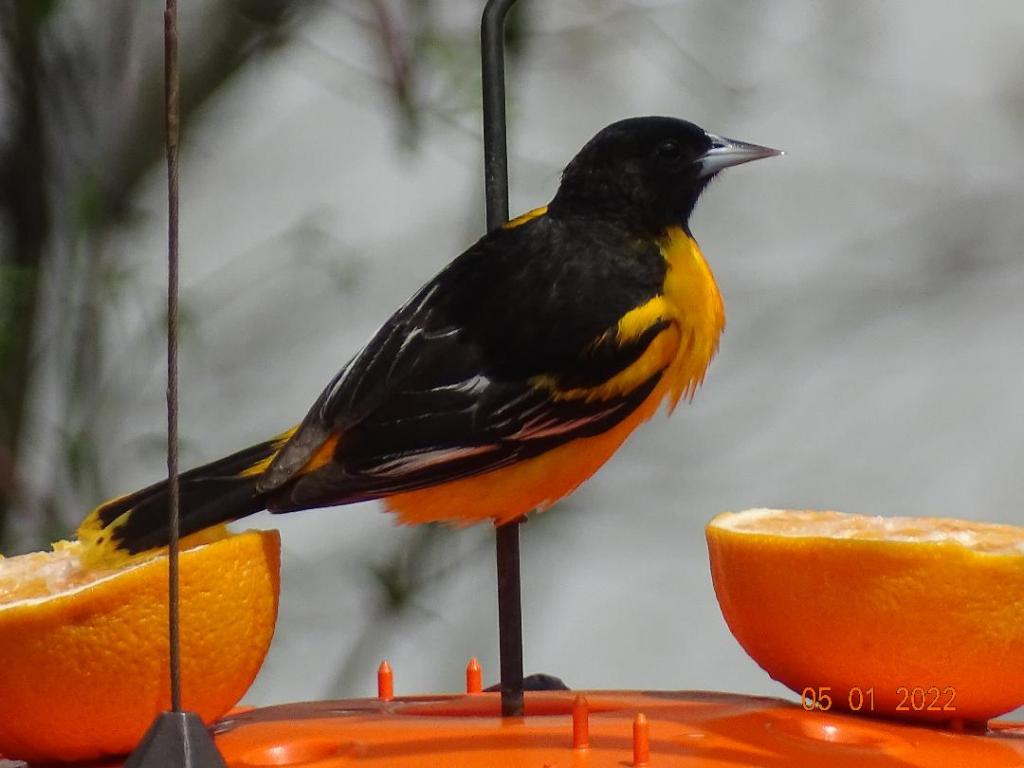
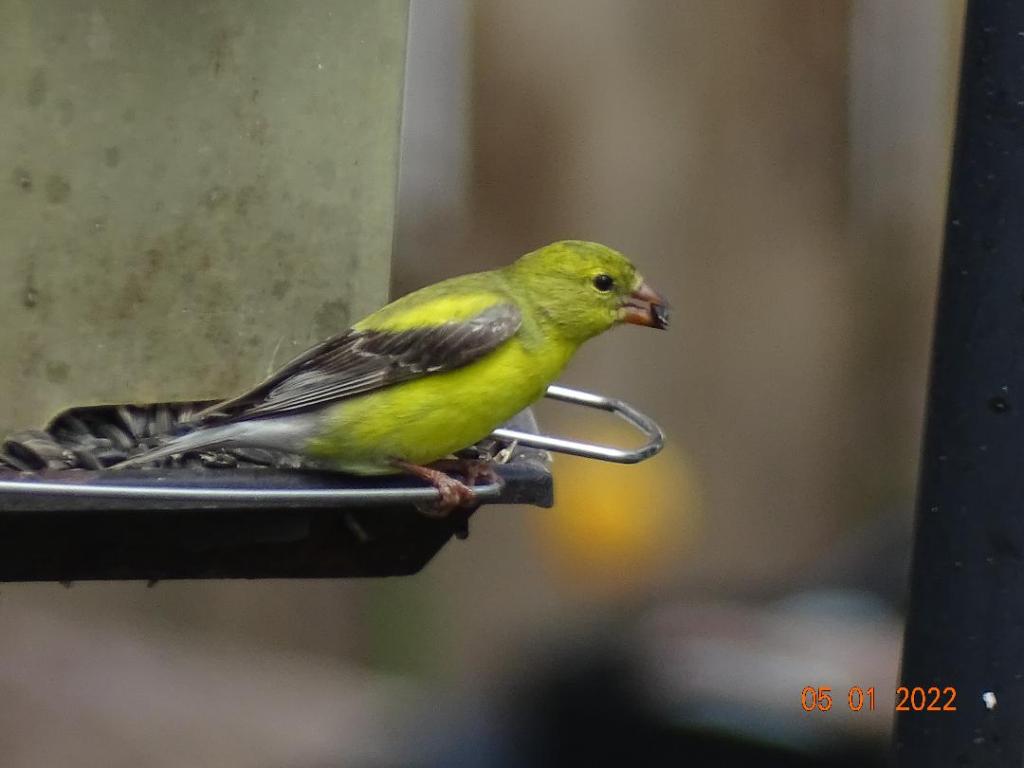
feathered friends——always welcome a sharp call announcing their arrival & the grape jelly stays out til they fly south.
removing winter colors for a sunny display-
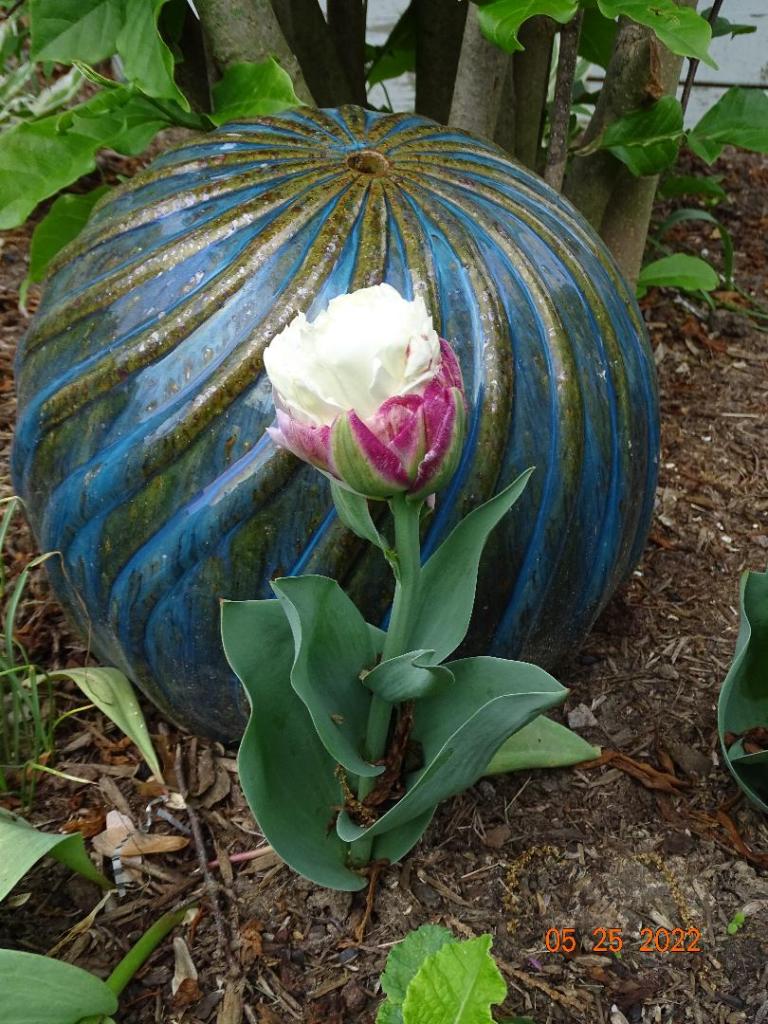
Just tulips….One year, I changed out the colors but

people let me know, they “really” preferred the all red and all
white flower beds……….so that’s what I plant.

this and that, in and about the yard
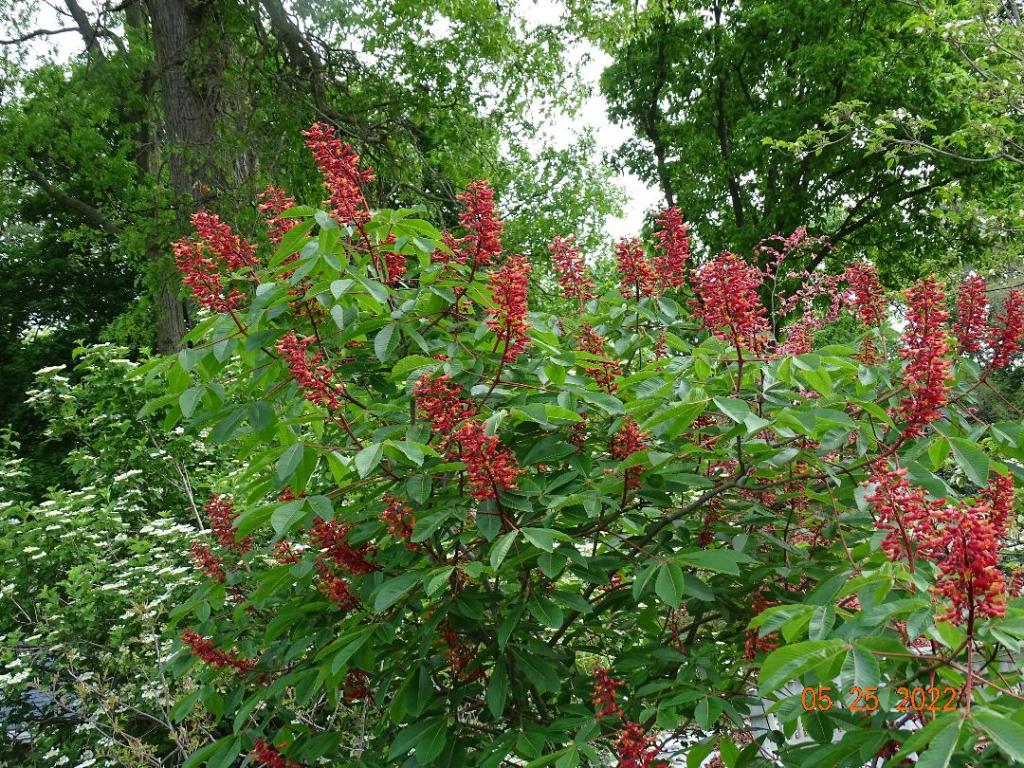
Welcome mat for Hummers-Dwarf Buckeye
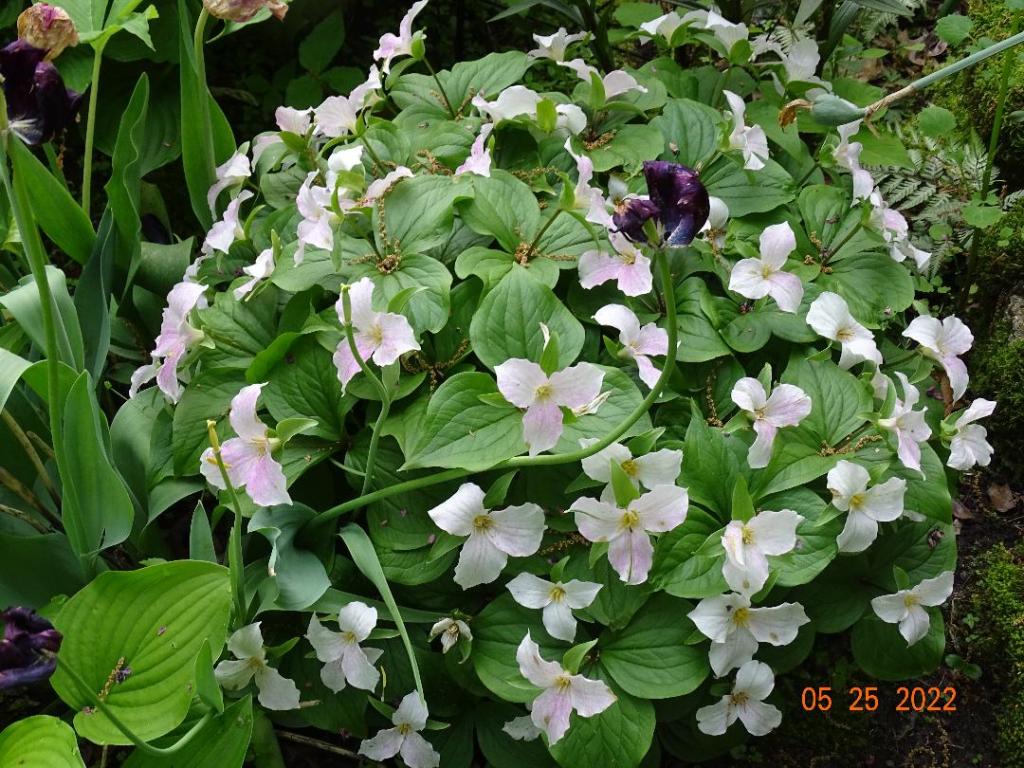
Below: Trillium–all for now, & I promise I had clothes on when I took these photos…….. Welcome Spring!!!!






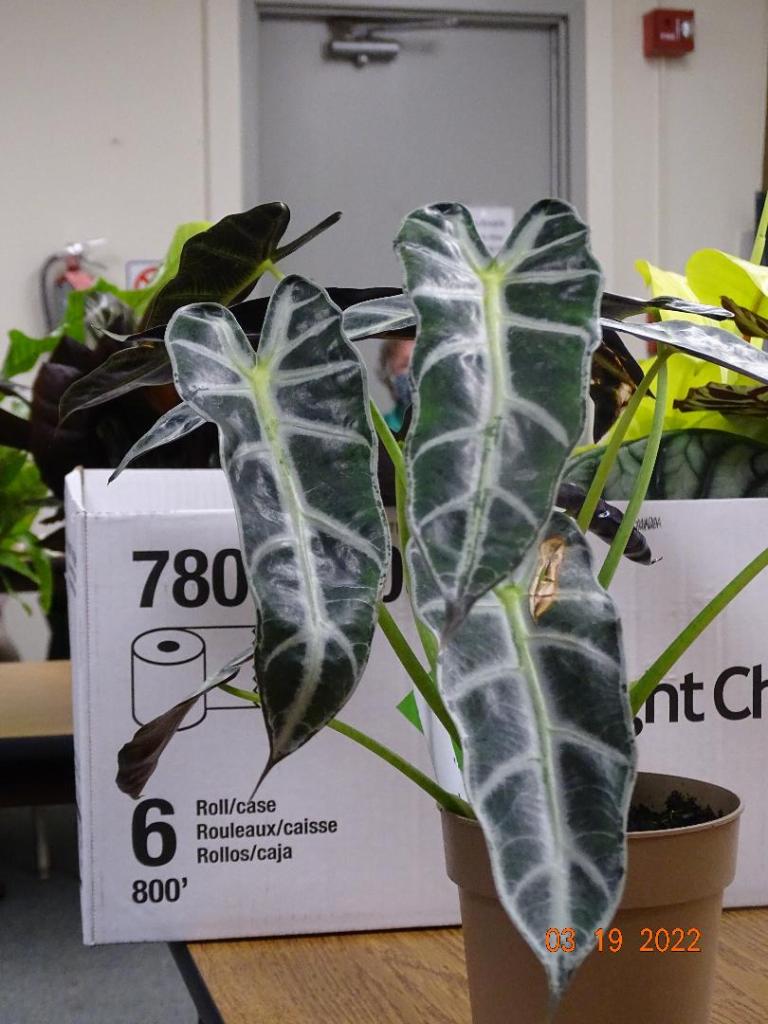


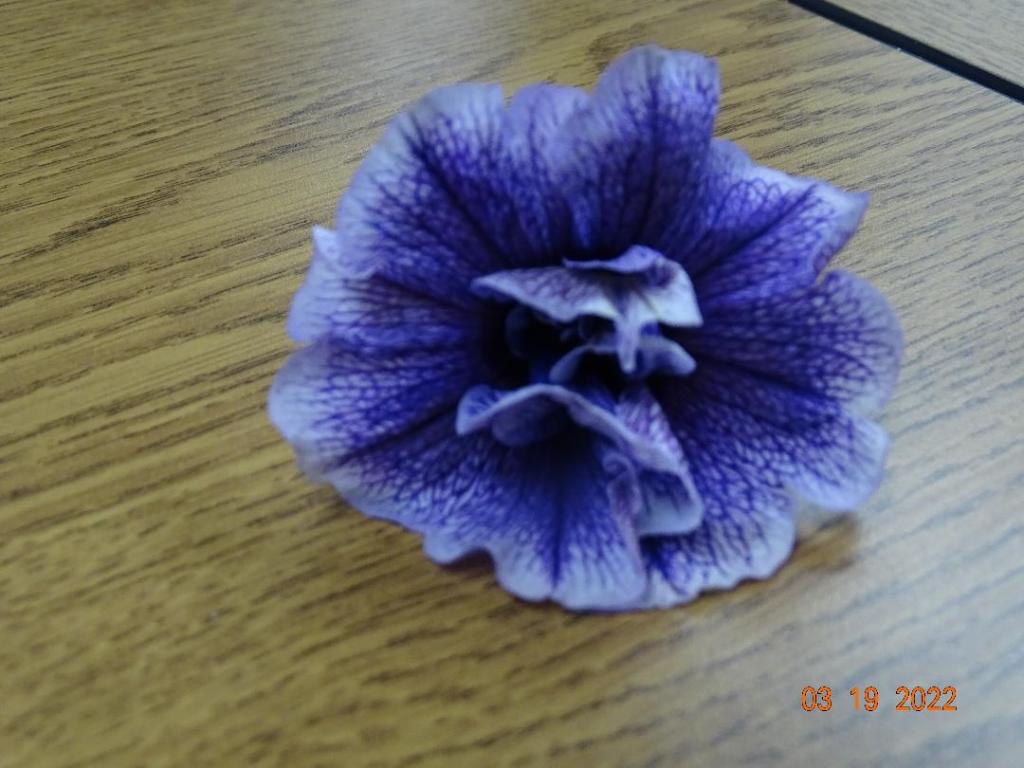
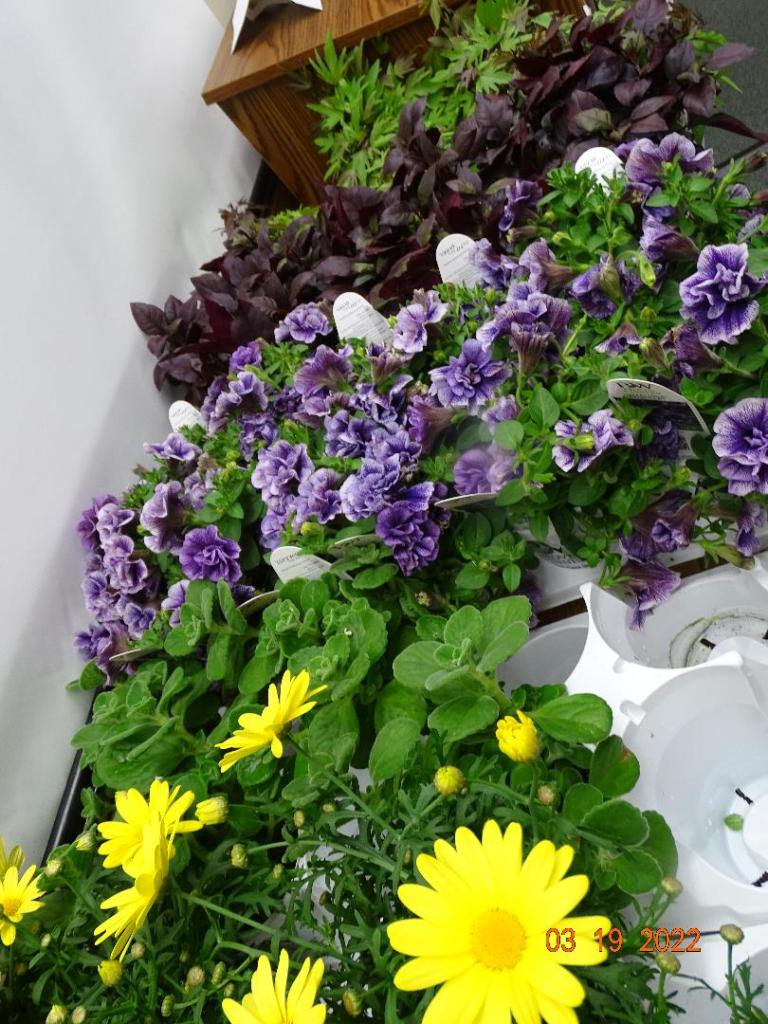

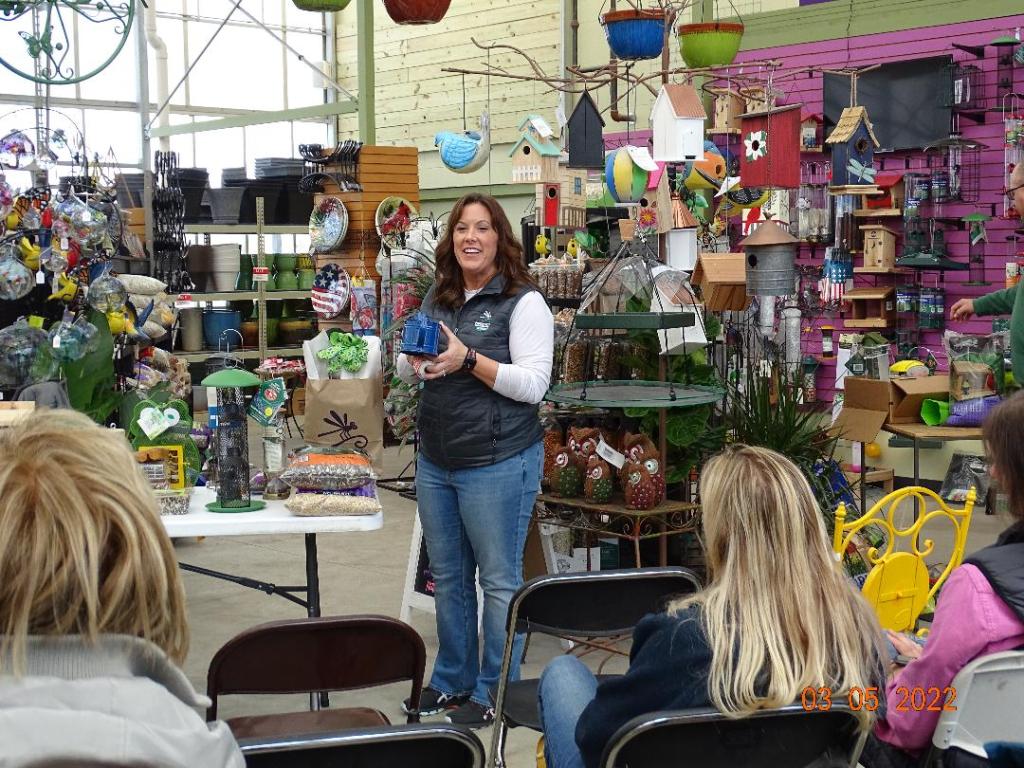






 The past few weeks have been a whirlwind of activity at MBGNA. We completed three successful plant sales, hosted a national cut flower show, welcomed the first outdoor

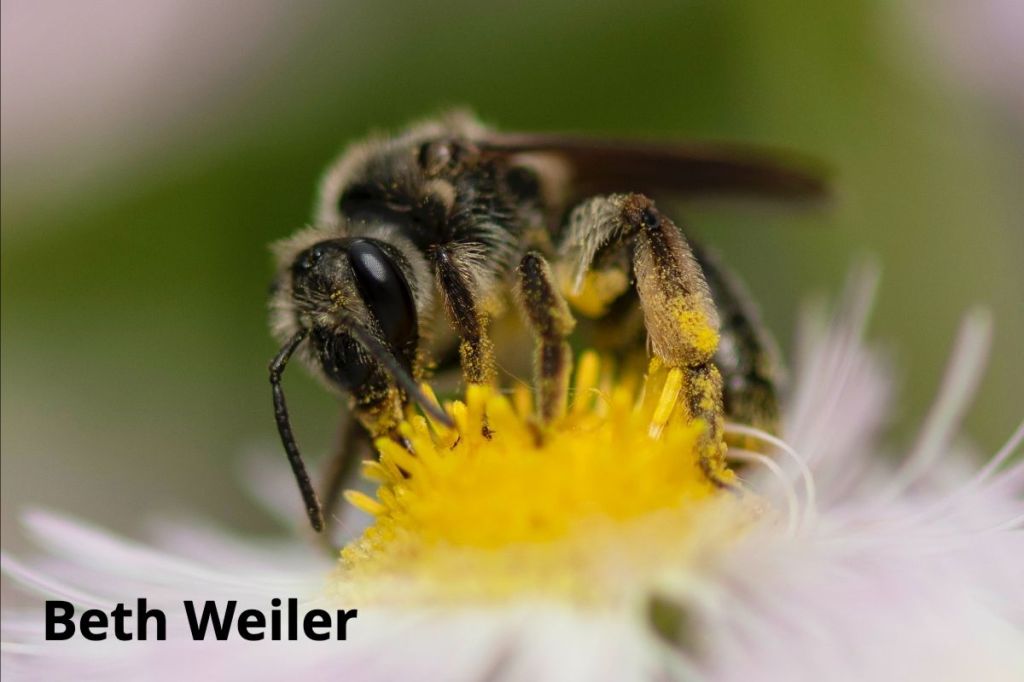
 Bugs with Beth: Mining bee (genus Andrena)by Beth WeilerThis week’s featured bug is a Mining bee (genus Andrena)! These bees get their name from their nesting habit, which is to “mine” and create their nests in bare ground. All bees in this genus are solitary ground-nesters. Female Mining bees excavate a small burrow in the ground, then divide it into multiple cells; she will lay one egg in each cell. The female then collects pollen throughout the day and turns it into “bee bread”: firm, round little loaves of pollen, which she leaves in each cell for the developing baby bee to eat. Pictured is Andrena vicina, the Neighborly Mining bee. It is covered in the bright orange pollen of Prairie alumroot (Heuchera richardsonii), which is currently blooming in the prairie of the Great Lakes Garden at Matthaei. The bee bread that this individual is making for her offspring will probably be bright orange and quite delicious!
 100 Years in Bloom: celebration highlights
 June is pride monthFlowers such as green carnations, violets, pansies, roses, and lavender have symbolized the LGBTQIA2s+ movement for centuries. Flowers were used as a form of coded language and to symbolize represent love, beauty, and loss.