In the last few years, I’ve planted 5 David Austin James Galway roses along my newly installed fence, an Eden climbing rose and Zephirine Drouhin climbing rose on an arbor installed. Along with these were several rose bushes I’ve planted throughout the year. My roses were doing beautifully with foliage, but I notice the buds looking a bit odd. I first thought it was just the odd weather we’ve been having because as they were opening I notices brownish edges on them. Many opened fully, but you could see the damage. I did some research and found that I had thrips. I followed some instructions to make sure by taking an open rose and shaking it onto the palm of my hand….yes there they were. They are so small, like the size of a whisker, these tiny little insects sucking the life from my roses.
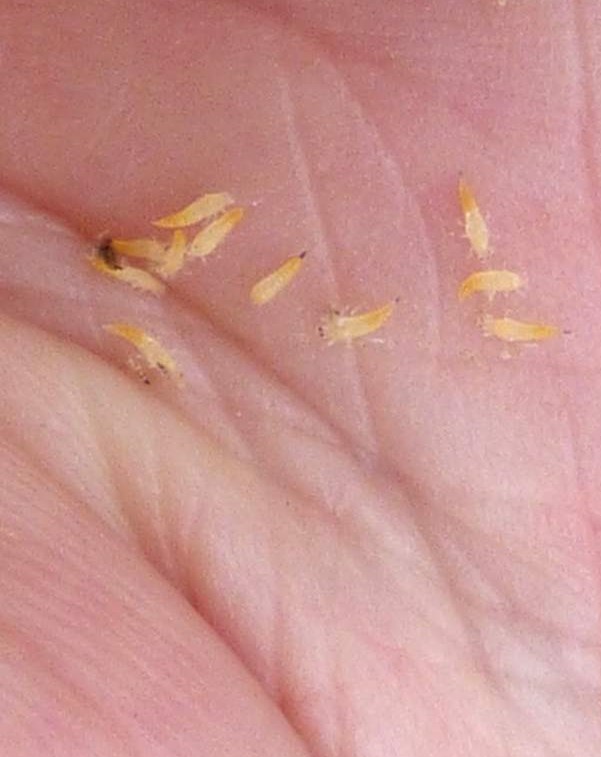
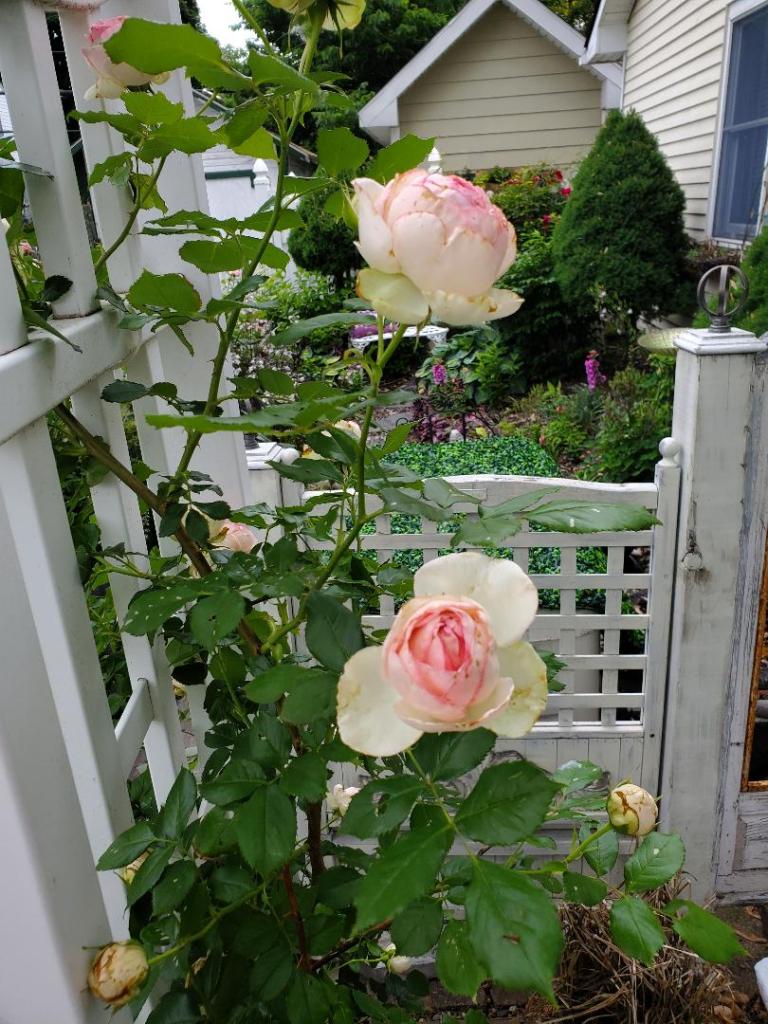
For treatment I got a rose insecticide making sure that it said it would treat thrips. I sprayed every bud and bloom on every rose in my front and back yard. I did this to make sure I can eliminate them. I left it on a day, then I went back and cut off every bud and bloom on every rose bush in my yard. I did this even though some did not show damage. I just didn’t want to take the chance. Hopefully, they’re controlled and will only hurt this first spring bloom. I will definitely spray as soon as I see a bud forming to prevent further infestation. Cutting all those beautiful roses and buds off was just so depressing…I’m sure I will feel better as soon as they begin to produce again. I put them in a sealed bag and disposed of them. Just heartbreaking. Thrips tend to go for light color and pink roses, however I cut all just to be safe. I suppose that’s why my Eden shows the most damage. Hopefully, they have blooms by the garden tour.
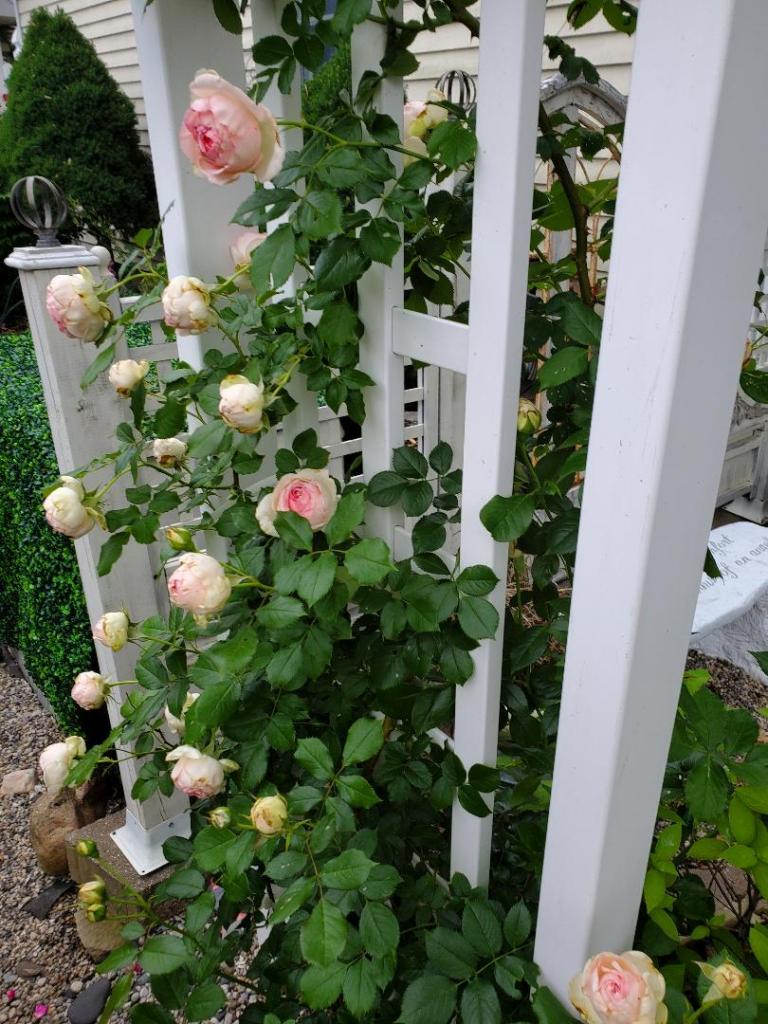
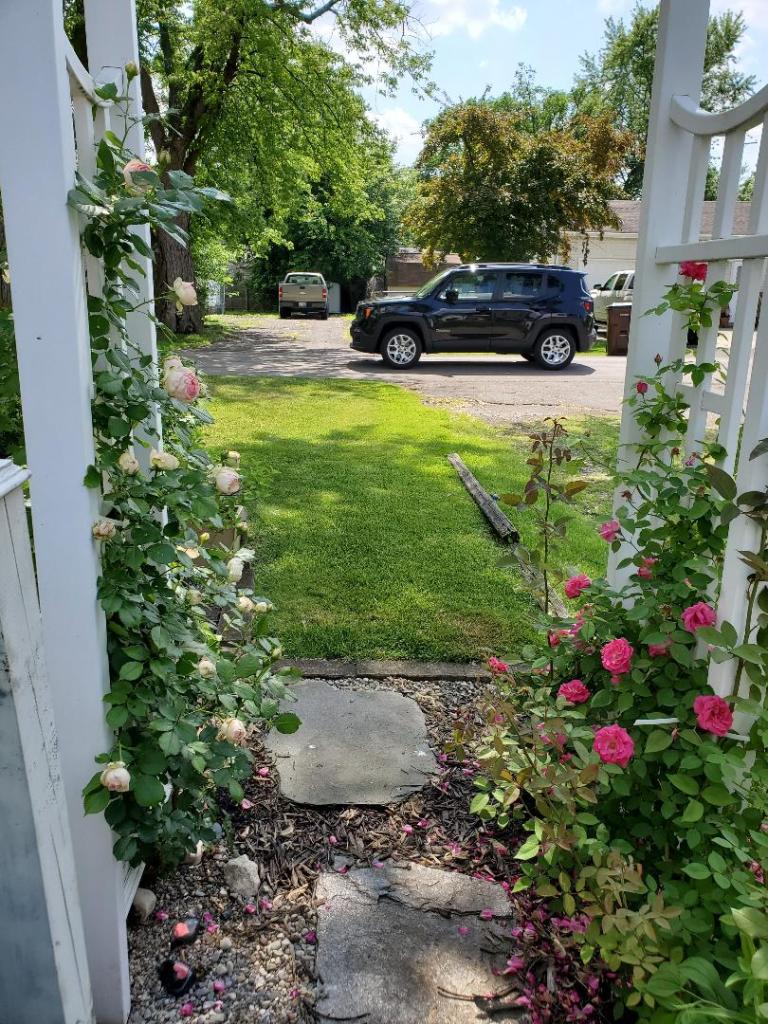
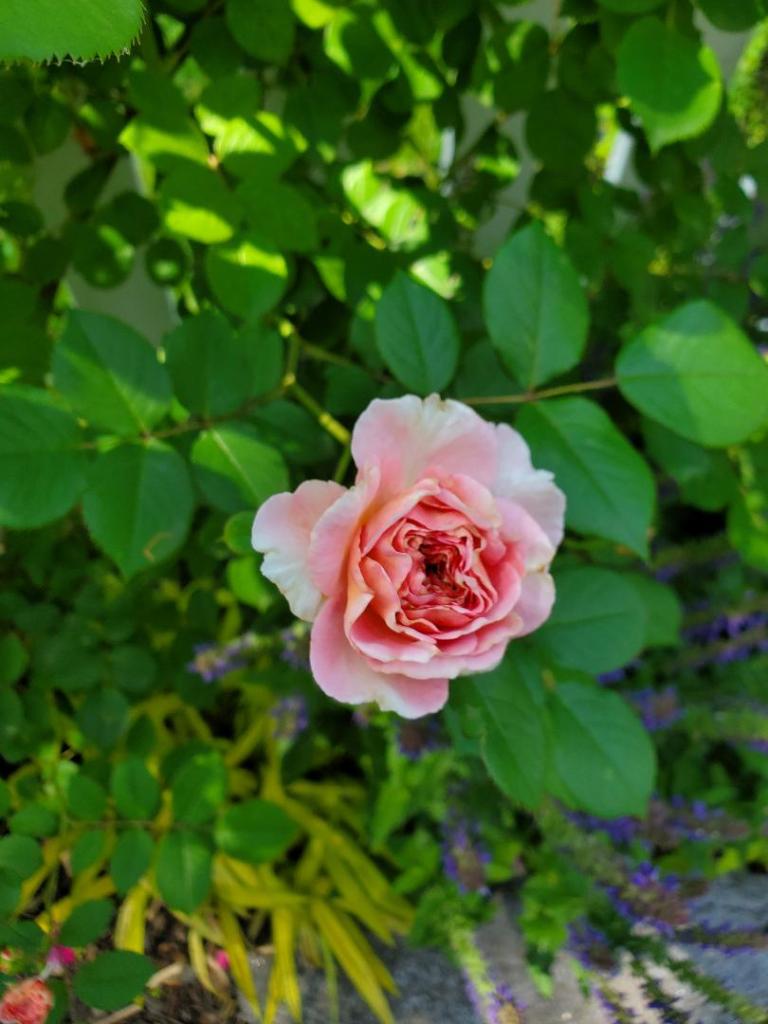
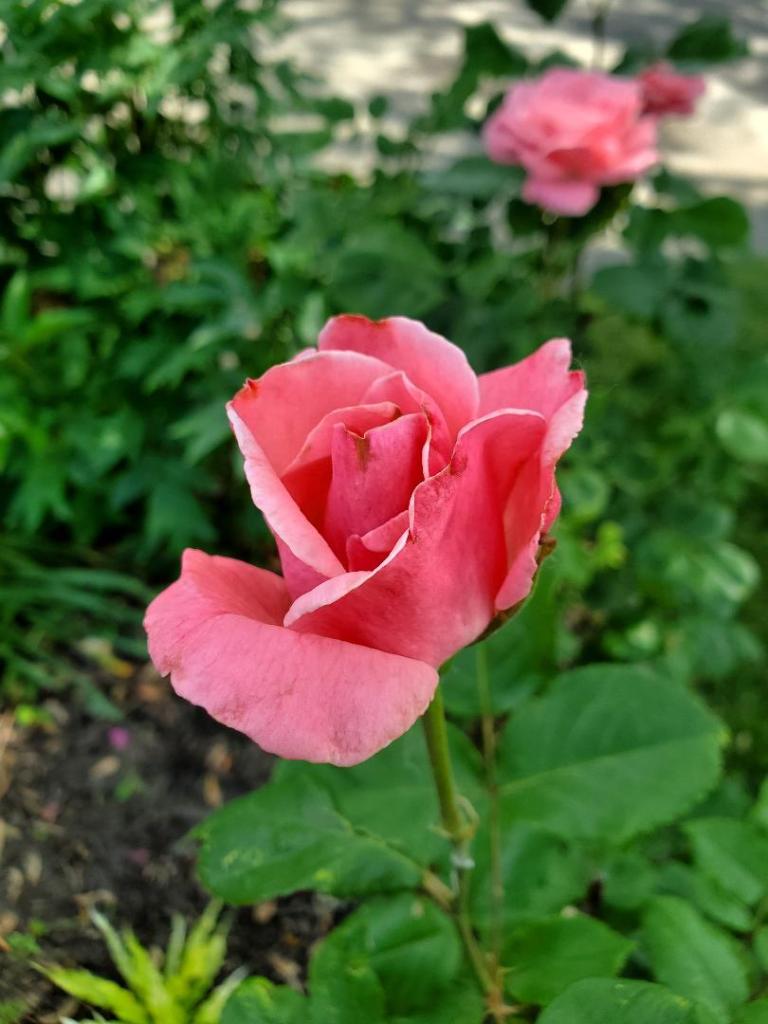
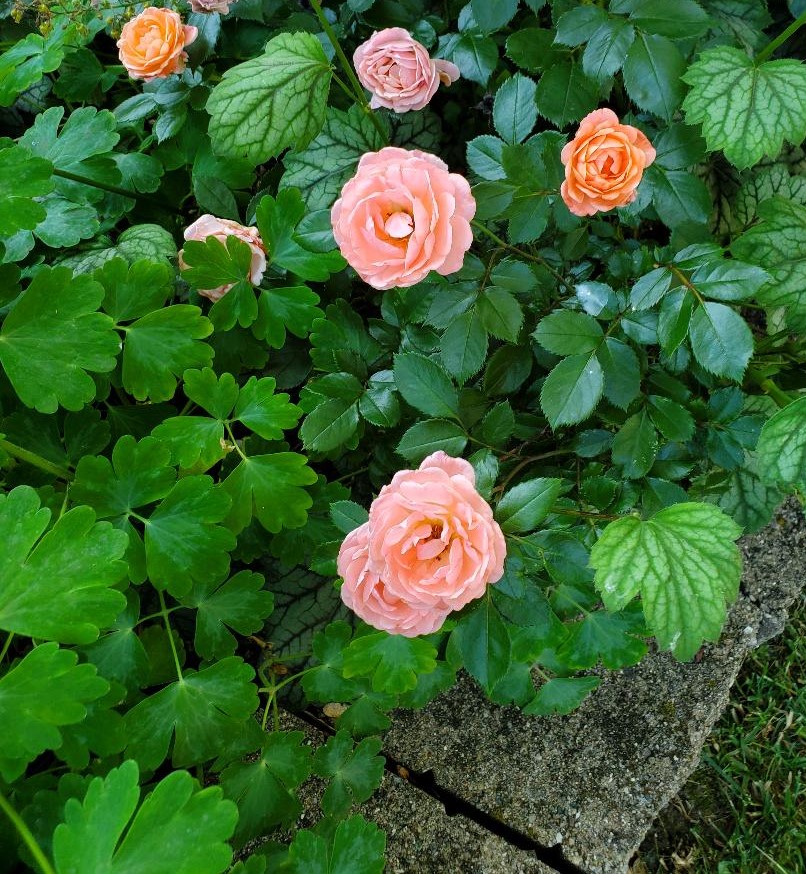
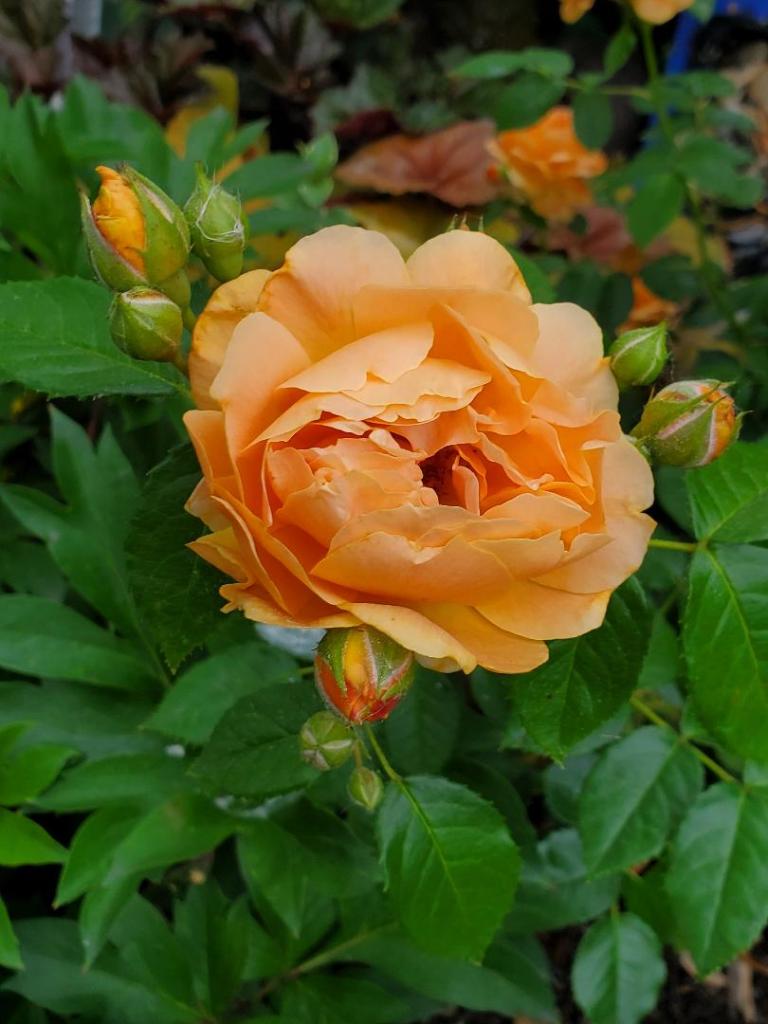
I will closely watch for any signs and spray periodically. The foliage still appears healthy, although I did find a few saw fly damage and larvae. I picked those off and destroyed them. Here are some photos of all I had to treat and remove.


 The past few weeks have been a whirlwind of activity at MBGNA. We completed three successful plant sales, hosted a national cut flower show, welcomed the first outdoor

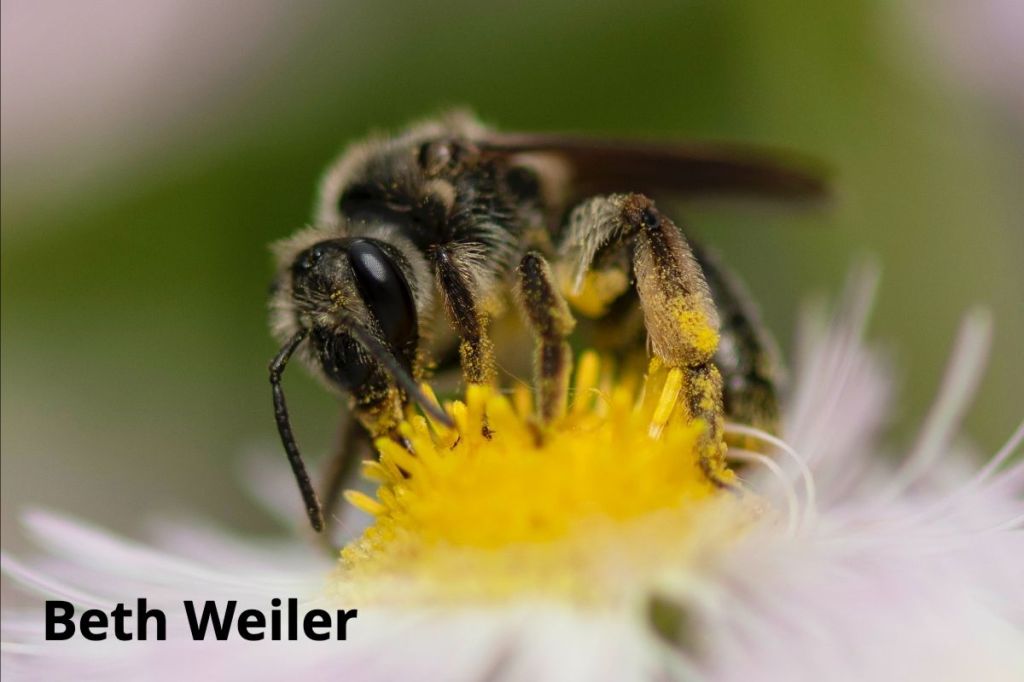
 Bugs with Beth: Mining bee (genus Andrena)by Beth WeilerThis week’s featured bug is a Mining bee (genus Andrena)! These bees get their name from their nesting habit, which is to “mine” and create their nests in bare ground. All bees in this genus are solitary ground-nesters. Female Mining bees excavate a small burrow in the ground, then divide it into multiple cells; she will lay one egg in each cell. The female then collects pollen throughout the day and turns it into “bee bread”: firm, round little loaves of pollen, which she leaves in each cell for the developing baby bee to eat. Pictured is Andrena vicina, the Neighborly Mining bee. It is covered in the bright orange pollen of Prairie alumroot (Heuchera richardsonii), which is currently blooming in the prairie of the Great Lakes Garden at Matthaei. The bee bread that this individual is making for her offspring will probably be bright orange and quite delicious!
 100 Years in Bloom: celebration highlights
 June is pride monthFlowers such as green carnations, violets, pansies, roses, and lavender have symbolized the LGBTQIA2s+ movement for centuries. Flowers were used as a form of coded language and to symbolize represent love, beauty, and loss.

 Join us to celebrate!
 Celebrating 100 Years of Bloom!June 4th from 1-3pm
 “The W.E. Upjohn Peony Garden celebrates its 100th anniversary in 2022 and with that comes a question that I am often asked: what do you do with a historic peony garden at a leading public research university? to be honest, it’s a question I truly love answering.” Read more from Director Anthony Kolenic in his post “
 now the University of Michigan Nichols Arboretum Peony Garden. Upjohn’s significant gift has come full circle, as his family has come together on the 100th anniversary of his gift with a donation of $2 million to name the gardens after its original donor. On May 19, the U-M Board of Regents approved naming the garden the W.E. Upjohn Peony Garden, in recognition of collective gifts from members of the Upjohn family. The full story is
  W.E. Upjohn Peony Garden. Date unknown- approximately 1930Learning About PeoniesCaring for Peonies
 Events
 The peony garden is a special place. We want to hear your stories.
  Monroe County Master Gardener Association